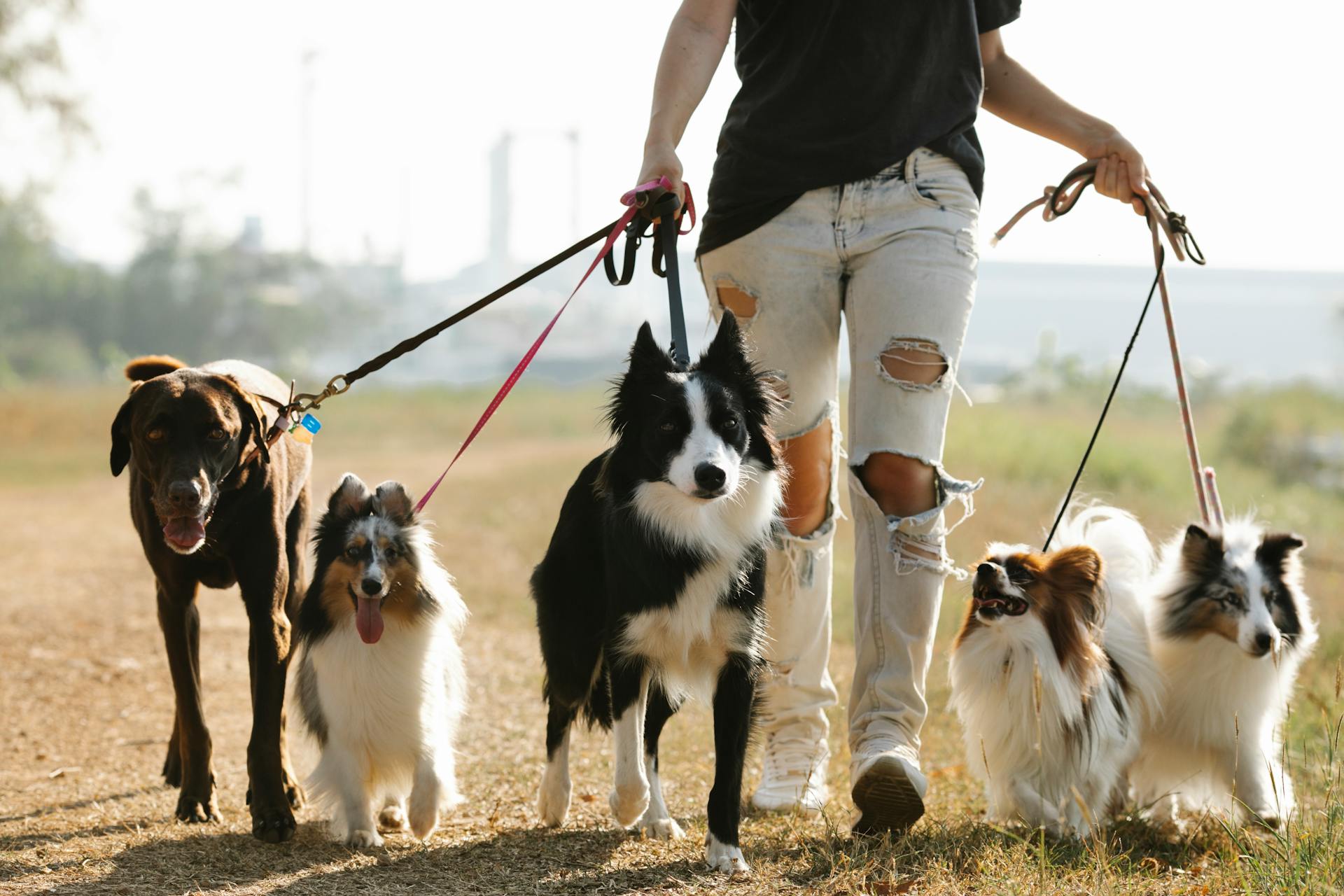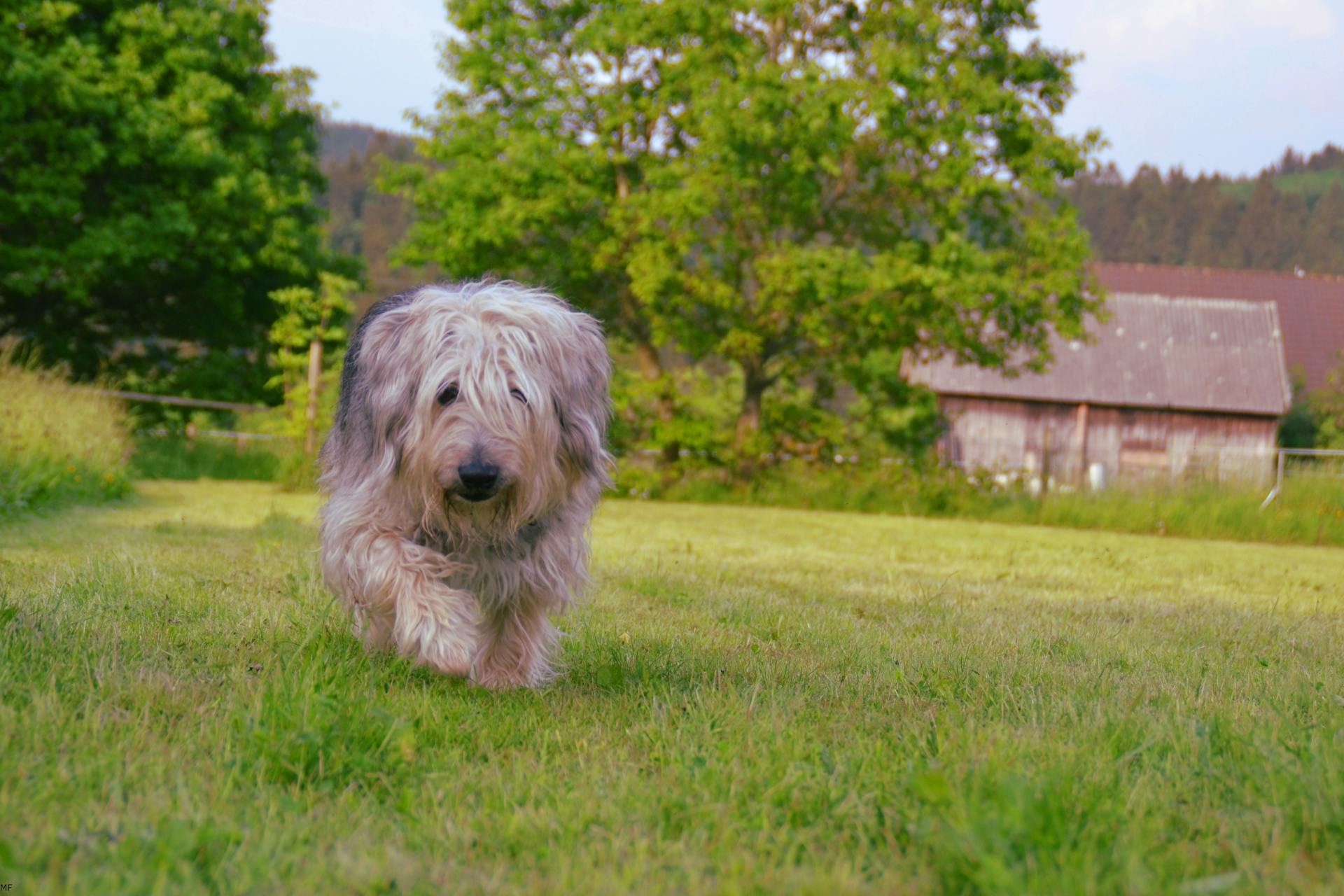
New Zealand Herding Dogs are a type of dog that originated in New Zealand and were bred to herd sheep and other livestock. They are highly intelligent and energetic dogs.
These dogs are known for their strong herding instinct, which makes them excellent at working with sheep and other animals. Their intelligence and energy level also make them great companions for active families.
New Zealand Herding Dogs come in a variety of sizes, ranging from small to medium, and have a short, dense coat that requires minimal grooming. They are generally a healthy breed with an average lifespan of 12-15 years.
Discover more: Dogs Breeds That Start with B
Personality and Temperament
The New Zealand Herding Dog is a breed that's all about pleasing their owners and being active. They're born to work and excel at controlling flocks of sheep.
They're incredibly smart and intelligent, which makes them easy to train, but they do need a strong and consistent leader who is firm but fair. Otherwise, they can try to dominate their owner, which can lead to problems.
Their high energy levels mean they're always looking for something to do, and they thrive on human interaction. They get on well with small children and other dogs, but they may try to herd them, so proper socializing and training are essential.
New Zealand Herding Dogs are sensitive to noise and may react to loud noises, so they're not best suited to noisy families. They're also sensitive to irregular daily routines and frequent guest visits, so a calm and predictable home environment is ideal.
Here are some key personality traits of the New Zealand Herding Dog:
Overall, the New Zealand Herding Dog is a loving and joyful breed that thrives on human interaction and activity. With proper training, socialization, and care, they can make wonderful companions for active families.
Care and Maintenance
The New Zealand Heading Dog is a low-maintenance breed that requires regular grooming to stay healthy and happy. You'll need to brush their coat weekly to remove loose hairs.
To keep their coat in top condition, use a mild dog shampoo only when necessary, as over-bathing can strip their coat of its natural oils. These oils are essential for withstanding various weather conditions.
Brushing their teeth three times a week is also crucial to prevent dental issues. Regular ear checks and cleanings will help prevent infections.
Make sure your New Zealand Heading Dog always has access to fresh water, especially in hot weather, to prevent dehydration.
Worth a look: German Shorthaired Pointer Weather
Maintenance
Maintenance is a breeze for New Zealand Heading Dogs, as they are a fairly low-maintenance breed. You'll only need to brush them weekly to remove any loose hairs.
Their coat requires a bath only a few times a year, but when you do bathe them, use a mild dog shampoo to protect their natural oils. This is crucial, as these oils help them withstand various weather conditions.
Brushing their teeth around three times a week is also a must. Regularly check and clean their ears, too, to prevent any issues.
Trim their nails as needed, and keep an eye out for fleas and parasites in their coat, especially since they spend a lot of time outdoors.
Here's a quick rundown of their grooming needs:
Best Diet

Feeding your New Zealand Heading Dog requires some consideration to ensure they get the best possible diet.
Puppies need to be fed four times a day, which can be reduced to three times a day once they're adults.
It's a good idea to serve several smaller meals rather than a couple of larger ones to prevent bloat.
Dry food high in fat and oil should be avoided.
A slow feeder can help prevent bloat by slowing down your dog's eating pace.
Elevating their food off the floor can also help prevent gobbling down food quickly.
Letting them exercise straight after eating is not recommended.
A few treats during training won't hurt, but keep an eye on how many you're giving them.
You'll want to choose the best food for your dog, and there's advice available on how to do that.
Readers also liked: When Do Border Collies Calm down
Best Diet for Horses
Horses need a diet that's high in protein, just like Huntaways do. This will contribute to their strong muscles and healthy bones.
Puppies and young horses have different feeding needs than adults. Puppies should be fed four times a day, and it's likely that young horses would benefit from a similar feeding schedule.
As your horse grows and becomes an adult, you can reduce their feeding to twice a day, just like with Huntaways.
Curious to learn more? Check out: National American Eskimo Day
Health and Wellness
New Zealand herding dogs are generally a healthy and hardy breed with a long lifespan of 12-14 years. Their average lifespan is 13 years, making them a great companion for many years.
They are relatively low maintenance when it comes to vet costs, but it's still essential to monitor their health regularly. Be aware of potential minor health issues such as eye infections, ear infections, and bloat.
Here are some common health concerns to watch out for:
- Hip dysplasia and elbow dysplasia
- Bone cancer
- Ear health and infection
- Eye problems
To keep your New Zealand herding dog healthy, make sure to provide them with regular exercise, a balanced diet, and plenty of love and attention. With proper care, they can live a long and happy life.
Weight Management
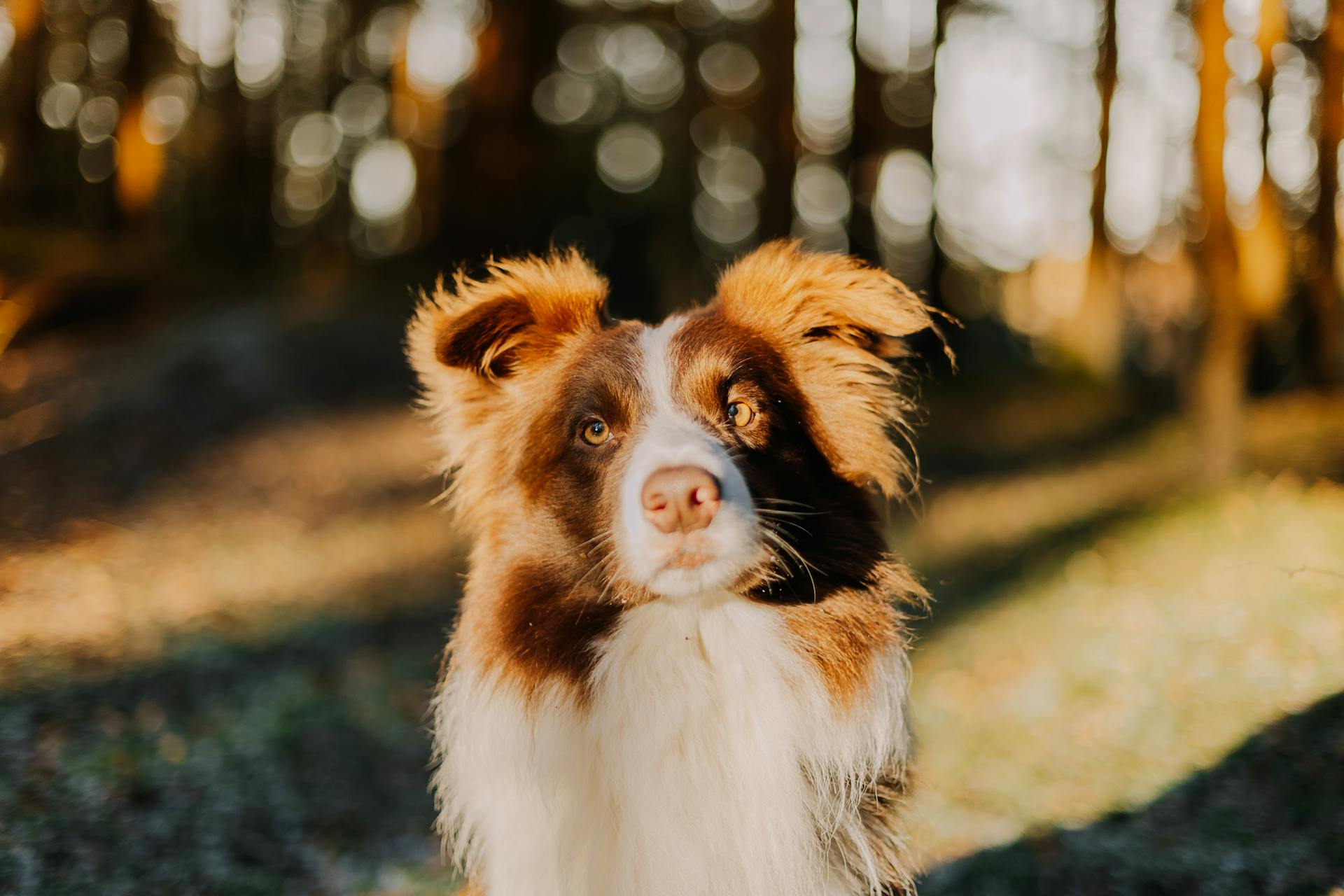
Maintaining a healthy weight is crucial for your New Zealand Heading Dog's overall well-being.
A New Zealand Heading Dog has a low to average risk for obesity, so it's essential to find a balance between exercise and feeding.
To keep your dog happy and fit, feed him high-quality dry dog food and live an active life together. Aim for 2.5 to 3 cups of food per day, divided into two meals.
Regular weight checks are a must to catch any potential weight gain early on. Consult your veterinarian if you notice any changes, and work together to create a diet plan.
On a similar theme: Average Weight of a Rat Terrier
Health and Lifespan
The New Zealand Heading Dog is generally a healthy breed, but like any dog, they can be prone to certain health issues. They can occasionally be diagnosed with bloat, and there's a chance of eye infections and ear infections.
Their average lifespan is around 12-14 years, with 13 years being the typical average. This means they'll be by your side for a good chunk of your life, and with proper care, they can live a long and happy life.
Additional reading: Rough Collie Life Expectancy

New Zealand Heading Dogs are high-energy dogs that require regular exercise to stay happy and healthy. They need a lot of exercises, including long walks, to keep them physically and mentally stimulated.
One thing to note is that they don't need too much sleep, which is great news for those who value an active lifestyle. They're always up for an adventure and love to live life on the go.
Here's a quick rundown of their health concerns:
- Bloat
- Eye infections
- Ear infections
- Hip and elbow dysplasia (although this is more common in the related Huntaway breed)
- Bone cancer (again, more common in the Huntaway breed)
It's essential to keep an eye out for these potential health issues and schedule regular vet visits to catch any problems early on. With proper care and attention, your New Zealand Heading Dog will live a long and healthy life.
Training and Intelligence
New Zealand Heading Dogs are intelligent and fast learners, making them easy to train and excellent competitors in dog shows. They understand and memorize new commands in 15-25 repetitions, which is impressive.
Their intelligence rating is Smart, and they are among the smartest dogs in the intelligence ranking. This breed's trainability is also very easy, as they easily find out the association between commands and actions.
With consistent training and positive reinforcement, New Zealand Heading Dogs can learn quickly and love challenges to solve. They also enjoy all the attention they receive when they do something correctly, which makes training a rewarding experience for both dog and owner.
Here's a brief overview of their trainability:
Trainability and Intelligence
The New Zealand Heading Dog is an incredibly smart breed that thrives on mental and physical stimulation. They are easy to train, especially with positive reinforcement and consistency.
Their intelligence rating is high, with the ability to understand and memorize new commands in 15-25 repetitions. This makes them one of the smartest dog breeds out there.
New Zealand Heading Dogs are also very easy to train, as they quickly pick up the association between commands and actions. This breed's trainability is one of its greatest strengths.
Related reading: New Zealand Heading Dog
Here's a breakdown of their trainability and intelligence:
Their love of learning and eagerness to please make them a joy to train. With regular mental stimulation through training and activities, you can keep your New Zealand Heading Dog happy and engaged.
Feedback
Feedback from owners and handlers of New Zealand Heading Dogs reveals some valuable insights. They're a great breed, according to one owner who's given them a loving home after they retired from farm work.
One drawback of owning a New Zealand Heading Dog is the need for lots of exercise. They require a lot of physical activity, which can be challenging for owners who aren't into fitness.
In fact, one owner notes that they need so much exercise it's hard on any owner who isn't into fitness. This highlights the importance of considering your lifestyle and ability to provide regular exercise when deciding to bring a New Zealand Heading Dog into your life.
Explore further: Are Border Collies Good for First Time Owners

If you're considering owning a New Zealand Heading Dog, be prepared to provide at least 30 minutes of exercise per day. This can include activities like running, hiking, or even just playing fetch in the backyard.
Here's a rough estimate of their size and weight: medium-sized dogs, weighing between 15-25 kgs.
Physical Characteristics
The New Zealand Heading Dog is a large breed, falling into the large size category. They typically weigh between 55-66 pounds, with an average weight of 60.5 pounds. Their height ranges from 20-24 inches, with an average height of 22 inches.
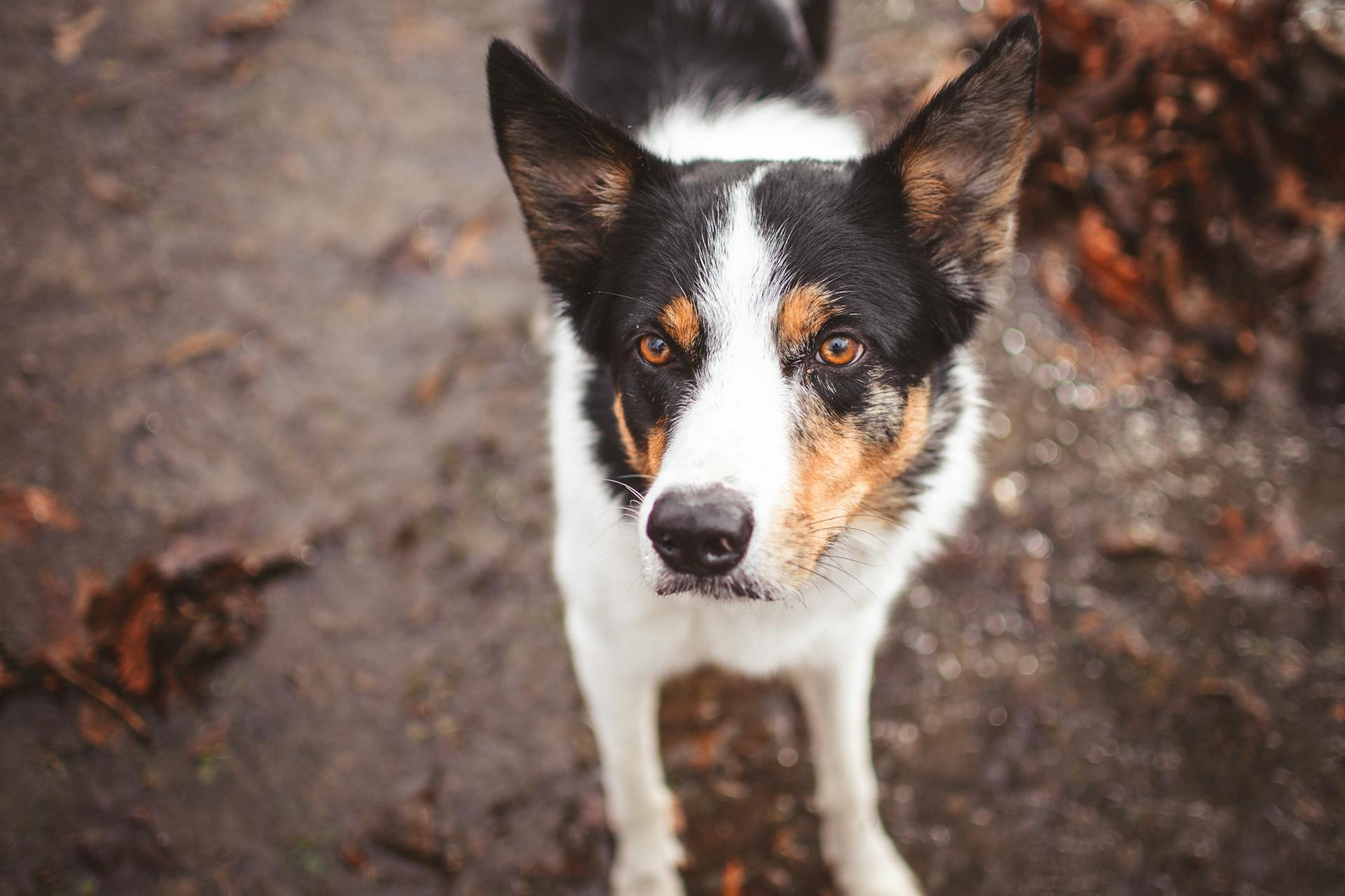
Their physical appearance is quite distinctive, with a black and white coat that may include tan areas. They have long legs and a long snout. Their ears sit up straight on their heads, giving them a unique look.
Here are the typical size and weight ranges for New Zealand Heading Dogs:
Size and Weight
The New Zealand Heading Dog is a sturdy breed with a robust build. They typically fall into the large size category.

Adult males and females of the breed weigh between 55-66 pounds, with the average weight being around 60.5 pounds. The weight range is consistent for both males and females.
The breed's height is also notable, with adults reaching between 20-24 inches tall. On average, they stand at about 22 inches tall.
Here's a quick rundown of the breed's size and weight statistics:
Appearances vary
New Zealand Heading Dogs are a breed that prioritizes function over form, which is reflected in their varied appearance.
They can be black and white, with tan areas also common.
Their long legs allow them to move efficiently.
Their long snout is a distinctive feature of the breed.
Their ears sit up straight on their heads, giving them a unique look.
Lifestyle and Compatibility
New Zealand Heading Dogs are a great fit for families with plenty of energy, as they can keep up with kids and love the activity that comes with it. They're loyal and affectionate to their owners, but may try to nip at their heels and round them up due to their strong herding instinct.
These dogs are not suitable for elderly people or inactive owners, as they need plenty of exercise to stay happy and healthy. They're also not a good option for first-time dog owners, as they require owners who know how to handle their strong-willed nature.
If you're considering bringing a New Zealand Heading Dog into your family, it's essential to socialize them early and expose them to people, pets, children, and new environments. This will help them become confident and relaxed in new situations.
To ensure a smooth introduction to new pets, take things slowly and keep a close eye on interactions. Supervised play is recommended, especially with smaller pets, as New Zealand Heading Dogs' large size can be intimidating.
Here are some key things to consider when deciding if a New Zealand Heading Dog is right for your family:
- Age: Not suitable for elderly people or inactive owners
- Energy level: Requires plenty of exercise to stay happy and healthy
- Experience: Not recommended for first-time dog owners
- Socialization: Essential to socialize early and expose to new environments
Frequently Asked Questions
What is the difference between a heading dog and a Huntaway?
Key difference: Huntaways chase sheep away, while Headers bring them back. Headers are called as such because they work at the front of the flock, turning them around
Featured Images: pexels.com