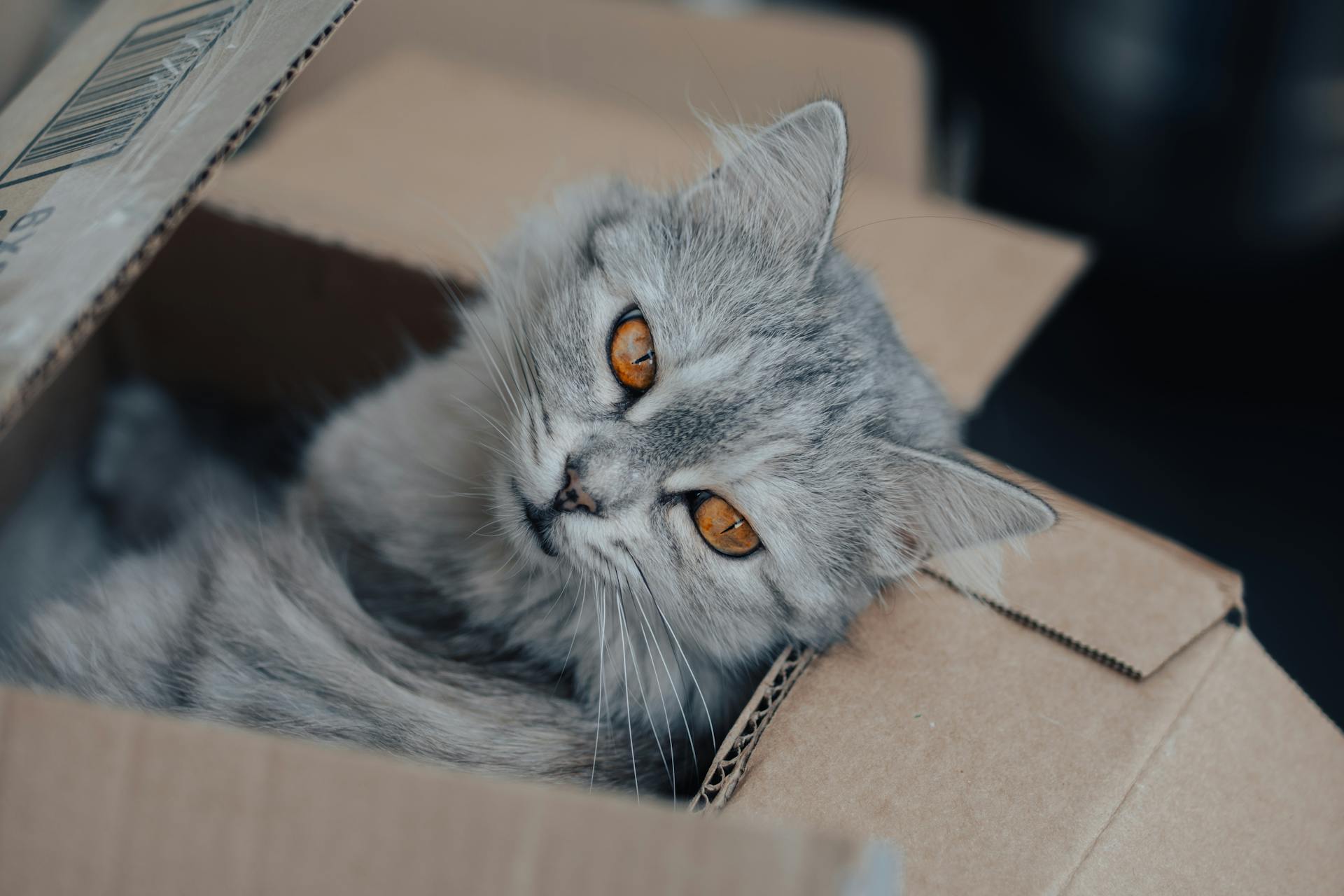
Moving to England with your feline friend can be a daunting task, but with the right preparation, it can be a smooth transition for both you and your cat.
First, ensure your cat has a valid health certificate issued within 10 days of travel. This is a crucial step to avoid any travel-related complications.
To obtain a health certificate, you'll need to schedule an appointment with a licensed veterinarian. They will examine your cat, complete the necessary paperwork, and issue the health certificate.
The cost of the health certificate varies depending on the veterinarian, but you can expect to pay around £50-£100.
Pre-Travel Requirements
Moving your cat to England requires careful planning, and one of the most important things to consider is the pre-travel requirements. Your cat needs to be vaccinated against rabies, and the vaccine must be given at least 21 days before entering the UK.
To ensure your cat's health certificate is valid, you'll need to get it endorsed by a government veterinarian in the country of origin. The health certificate should be completed within 10 days of your cat's arrival in the UK.
Your cat must be microchipped and have a valid health certificate to enter the UK. If you're traveling from an unlisted country, a blood sample will be taken from your cat at least 30 days after the rabies vaccination was given.
Here's a summary of the pre-travel requirements for moving your cat to England:
It's essential to plan ahead, as the pet travel process can be complex. Make sure you understand the requirements and timeline to avoid any issues or additional costs.
Import Requirements
Moving cats to England can be a daunting task, but with the right information, you'll be well on your way to a successful relocation. To bring your cat into the UK, you'll need to follow the import requirements.
First and foremost, your cat must be microchipped before or at the same time as the rabies vaccination. This is a crucial step to ensure your cat's safety and compliance with UK regulations.
The rabies vaccination is also a must, and it must be administered at least 21 days before your cat's arrival in the UK. If you're coming from an unlisted country, your cat will also need to undergo a blood test to ensure they have the necessary antibodies.
In addition to the microchip and rabies vaccination, your cat will need a health certificate issued by an official veterinarian within 10 days of travel. This certificate confirms that your cat meets all health requirements, including microchipping and rabies vaccination.
Here's a summary of the key import requirements for cats moving to the UK:
By following these import requirements, you'll be able to bring your cat into the UK safely and smoothly. Remember to also consider the travel arrangements and any additional documentation needed for your cat's journey.
Travel Arrangements
To travel with your cat to England, you'll need to arrange its travel on an authorized route with an authorized carrier. This is a requirement of the Pet Travel Scheme.
You'll also need to have your cat microchipped and vaccinated, as well as arrange a blood test and obtain a PETS certificate. Additionally, your cat will need to be treated for ticks and tapeworm.
It's essential to plan ahead, as your cat will need to wait 6 months after a successful rabies titre before being allowed in the country.
Commercial vs. Non-Commercial Travel
Traveling with your pet to the UK can be a complex process, but understanding the difference between commercial and non-commercial pet travel can make all the difference.
If you can travel with your pet within five days of their arrival, you can avoid a commercial shipment label, which comes with stricter requirements and additional taxes.
You'll need to get a commercial health certificate if you can't travel within that timeframe, and it must be completed and endorsed within 48 hours of your pet's departure.
The additional DEFRA taxes for commercial moves can be steep, ranging from 44 GBP to more, depending on your pet's size.
Commercial moves often require a longer arrival process, so plan accordingly.
Your UK Travel? We Make It Simple

We make traveling with your pet to or from the UK simple. Our team takes care of every detail, from veterinary requirements and import permits to airline bookings and customs clearance.
The UK is a popular destination for pet owners, with many people relocating from the US to the UK. In fact, the UK is one of our top destinations, with a high volume of pet moves each month.
To enter the UK without quarantine, your pet must meet the rules of the Pet Travel Scheme. This scheme applies to pet cats and dogs, including guide dogs and hearing dogs, as long as they come from certain countries and territories.
You'll need to have your pet microchipped, vaccinated, and arrange blood tests. You'll also need to get a PETS certificate and have your pet treated for ticks and tapeworm.
The Pet Travel Scheme operates on certain sea, air, and rail routes to England, and it's against the law in Great Britain to possess certain types of dogs. Meeting the requirements of PETS won't change that.
Don't forget to plan ahead, as your pet will need to wait 6 months after a successful rabies titre before being allowed in the country. It's essential to leave a message on the voice mail if you can't get through to the Defra Pet Travel Scheme Helpline.
For another approach, see: Are Cats Good Pets
Comprehensive Guide
Moving to England with your feline friend requires careful planning to ensure a safe and happy journey. The UK is a popular destination for pet travel, and with the right steps, you can avoid quarantine for your cat.
The UK has specific rules and requirements for importing pets, which must be followed correctly to avoid any issues. It's essential to understand these regulations to make your pet's move as smooth as possible.
You can plan a stress-free move for your cat by following the guidelines outlined in this comprehensive guide.
Take a look at this: Move Cat
Comprehensive Guide: Moving
Planning a move to the UK with your pet requires careful consideration of the import rules. There is no quarantine for cats and dogs in the UK if the import steps are followed correctly.
The UK is a popular destination for pet travel, making it essential to understand the rules and requirements. Cats and dogs can safely travel to the UK if the import steps are followed correctly.
Worth a look: Dogs That Attack Cats
What's the Process?

After submitting your quote request and completing the invoice payment, a dedicated booking specialist will take care of all necessary arrangements for your pet's import, including collecting information and documents from you.
You'll need to handle the export process from your country of origin, either by working directly with an airline or engaging a local pet shipper.
On the day of arrival, the booking specialist will keep you updated on the clearance process, ensuring a smooth and stress-free experience.
If you're traveling from a high-risk rabies country to the United States, it's your responsibility to obtain the CDC import permit.
Preparation and Costs
Shipping a cat to England can be a costly endeavor, with prices ranging from $2,000 to over $4,000 depending on your departure location, cat size, and whether you use a professional pet relocation service.
Proper preparation is essential to avoid potential quarantine periods and additional expenses that could arise from incomplete documentation or missed requirements.
Shipping costs can be substantial, but with the right preparation, you can avoid costly mistakes and ensure a smooth relocation process for your cat.
A health certificate is a crucial document that needs to be obtained for your cat, and it's essential to get it on time to avoid any issues.
If your vet works with a pet relocation service directly and uses their USDA tracking, it can help support your vet and ensure that the health certificate is completed correctly.
Vets are busy, and it's easy to forget dates or details, but a pet relocation service can help track the document and ensure that everything is completed correctly.
Frequently Asked Questions
How do I fly my cat to the UK?
To fly your cat to the UK, ensure your route is approved for pet travel and obtain a pet travel document from your vet, which includes microchipping, rabies vaccination, and possibly tapeworm treatment for dogs. Consult your vet for specific requirements and guidance on the process.
Do cats need tapeworm treatment to enter the UK?
No tapeworm treatment is required for cats re-entering the UK from within the UK, but treatment may be needed if your cat has traveled to another country
Featured Images: pexels.com