The Massasauga Rattlesnake is a unique and fascinating species found in Ohio.
These snakes are generally solitary animals and only come together during the mating season.
They are most active during the day, basking in the sun and hunting for small mammals, lizards, and snakes.
In Ohio, Massasauga Rattlesnakes prefer habitats with rocky outcroppings, such as glacial erratics, and sandy or loose soil.
They often den in underground burrows, often using abandoned rodent burrows or creating their own.
Readers also liked: Are There Snakes in Thailand
Habitat and Distribution
The eastern massasauga rattlesnake is found in several states, including Illinois, Indiana, Iowa, Michigan, Minnesota, New York, Pennsylvania, and Wisconsin.
They can be found in shallow wetlands and the surrounding upland areas. These areas provide the perfect habitat for the massasauga to hunt for small rodents like mice and voles.
The massasauga is particularly fond of wet meadows and shallow wetlands located adjacent to upland grassland and scrub-shrub habitats. In Ohio, these habitats are crucial for the massasauga's survival.
The snake prefers bogs, swamps, and wet prairies, where they can find ample food and shelter. However, their preferred habitats have been significantly reduced, contributing to their declining numbers.
In Ohio, the massasauga is rare and only found in a few select locations throughout the state. Historically, they have been recorded in 30 Ohio counties, but only seen in nine since 1976.
The massasauga is listed as threatened under the Endangered Species Act in 2016, due to significant reductions in populations, primarily due to habitat loss.
Conservation and Protection
The eastern Massasauga is listed as a threatened species under the Endangered Species Act.
Annual surveys conducted by the Ohio Department of Natural Resources are essential for tracking the status of endangered species like the eastern Massasauga.
Conservation efforts include habitat restoration, legal protections, and monitoring through annual surveys to track population health and support recovery initiatives.
In late 2016, the U.S. Fish and Wildlife Service listed the Eastern Massasauga Rattlesnake (Sistrurus catenatus) as endangered under the Endangered Species Act, providing federal protections related to direct harm to the species and its habitat.
Readers also liked: Sidewinder Rattlesnake Habitat
Threats to the persistence of the Massasauga include natural and anthropogenic factors, such as natural vegetative succession, habitat conversion and destruction, and human persecution.
The experienced herpetologists at EnviroScience have federal and state scientific collection permits and are experts at surveying for Massasaugas and their habitats.
Efforts are underway to protect the remaining habitats of the eastern Massasauga and support the recovery of their populations.
Public Safety
The eastern Massasauga is a venomous snake found in Ohio, and while it's generally not aggressive, it's still important to treat it with caution and respect.
The venom of the eastern Massasauga is highly toxic, though a typical bite does not deliver a lethal dose to healthy adults.
To avoid provoking the snake, it's best to keep a safe distance and not approach it. The Ohio Department of Natural Resources advises the public to handle encounters with care.
While the snake is usually non-aggressive, it will only bite if provoked, so it's essential to be mindful of your surroundings and not disturb it.
A fresh viewpoint: Northern Mockingbird Aggressive
If you do encounter a Massasauga, the Ohio State massasauga research project wants to know about it. They request photos and details of the sighting be emailed to them.
To safely coexist with the eastern Massasauga, simply observe it from a distance, and more often than not, it will leave on its own without incident.
Discovery and Research
The discovery of the eastern Massasauga in Ohio was made during the state's annual snake survey in May 2024. A wildlife officer identified and recorded the snake before releasing it back into its natural habitat.
This unexpected finding highlights the importance of continued conservation efforts and monitoring of endangered species. It provides valuable data for researchers and wildlife managers working to preserve the species.
Recommended read: Eastern Hognose Snake Wisconsin
Annual Snake Survey Discovery
The Ohio Department of Natural Resources made a surprising discovery during their May 2024 annual snake survey in Huron County.
Wildlife officer Matthew Smith identified and recorded the snake before releasing it back into its natural habitat.
You might enjoy: Eastern Hognose Snake Ohio
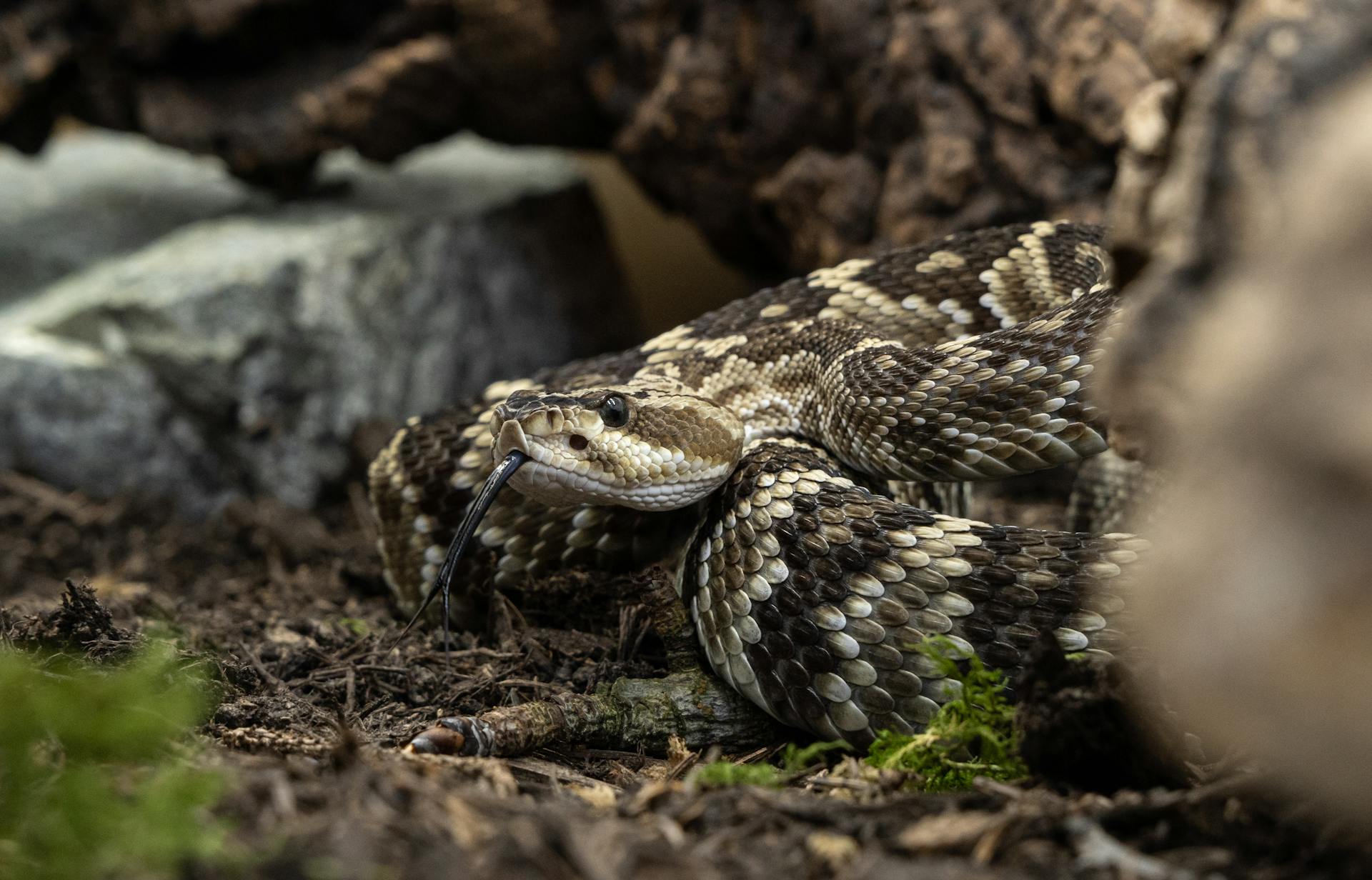
Annual surveys conducted by the Ohio Department of Natural Resources are essential for tracking the status of endangered species like the eastern Massasauga.
These surveys provide crucial data for developing effective conservation strategies.
Finding an eastern Massasauga in Ohio underscores the need for continued conservation efforts and monitoring of endangered species.
It provides valuable data for researchers and wildlife managers working to preserve the species.
Suggestion: Animal Conservation Organizations
Historical Records
Historical records show that the eastern Massasauga was once more common in Ohio.
Changes in land use and habitat destruction have drastically reduced their numbers over the past few decades.
Regulations and Status
The Eastern Massasauga Rattlesnake is listed as endangered under the Endangered Species Act, with federal protections in place to prevent direct harm to the species and its habitat.
In Ohio, the Massasauga has been listed as endangered since 1996, but the 2016 federal listing provides additional protections.
Natural threats like vegetative succession and human persecution are major concerns for the Massasauga's persistence.
Discover more: Are Eastern Diamondback Rattlesnakes Endangered
Habitat conversion and destruction are also significant threats to the species.
Both federal and state agency coordination may be required to complete projects or conduct conservation work in the Massasauga's range.
The experienced herpetologists at EnviroScience have federal and state scientific collection permits and are experts at surveying for Massasaugas and their habitats.
The eastern Massasauga is listed as a threatened species under the Endangered Species Act.
Efforts are underway to protect their remaining habitats and support the recovery of their populations.
Suggestion: Ohio State Dog Names
Behavior and Diet
The massasauga rattlesnake is a unique creature, and understanding its behavior and diet is key to appreciating its role in the ecosystem.
Massasaugas are generally inactive, preferring to spend their time hiding and waiting for prey.
Their diet consists mainly of small rodents, which they help control populations of.
Characteristics of the
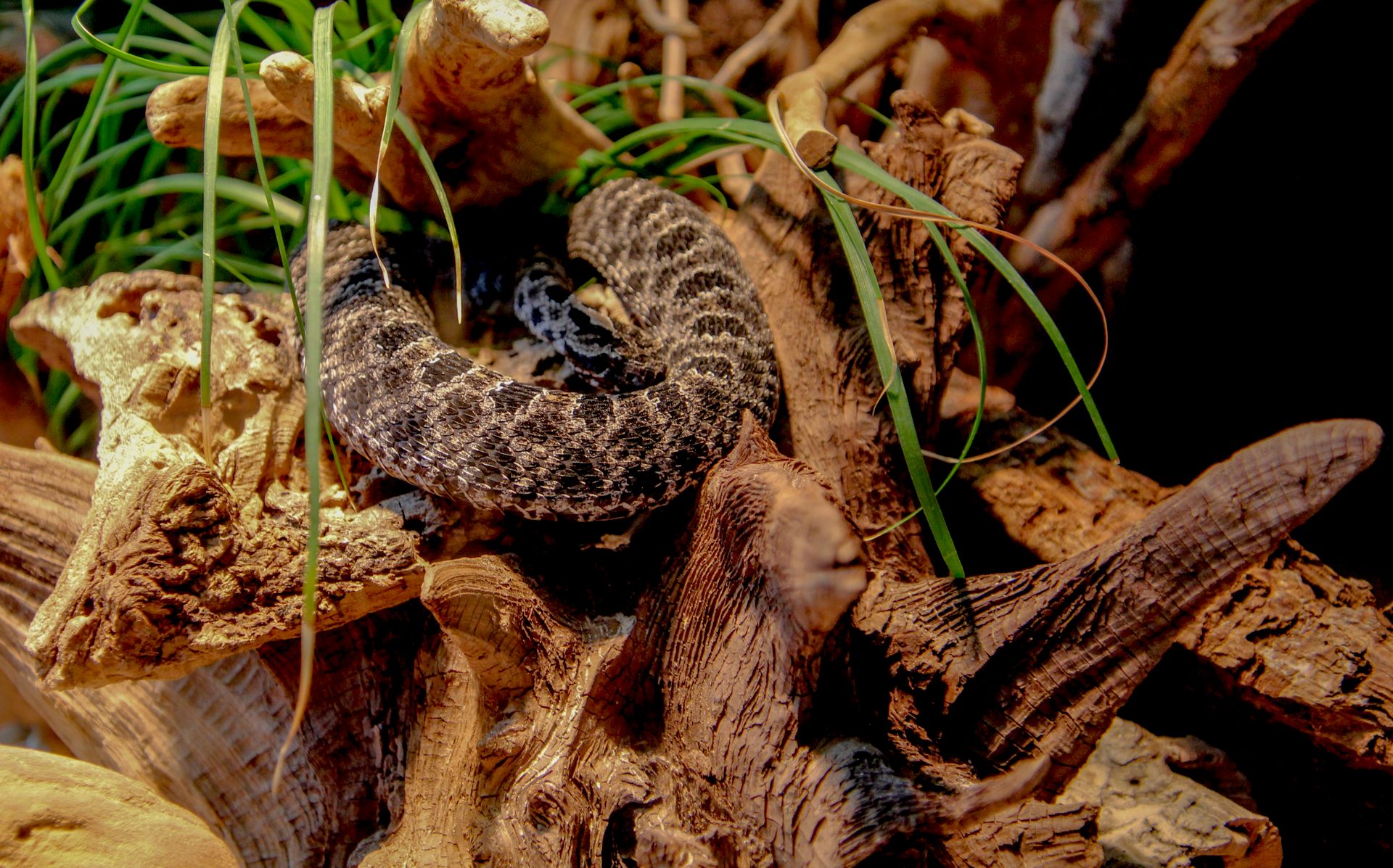
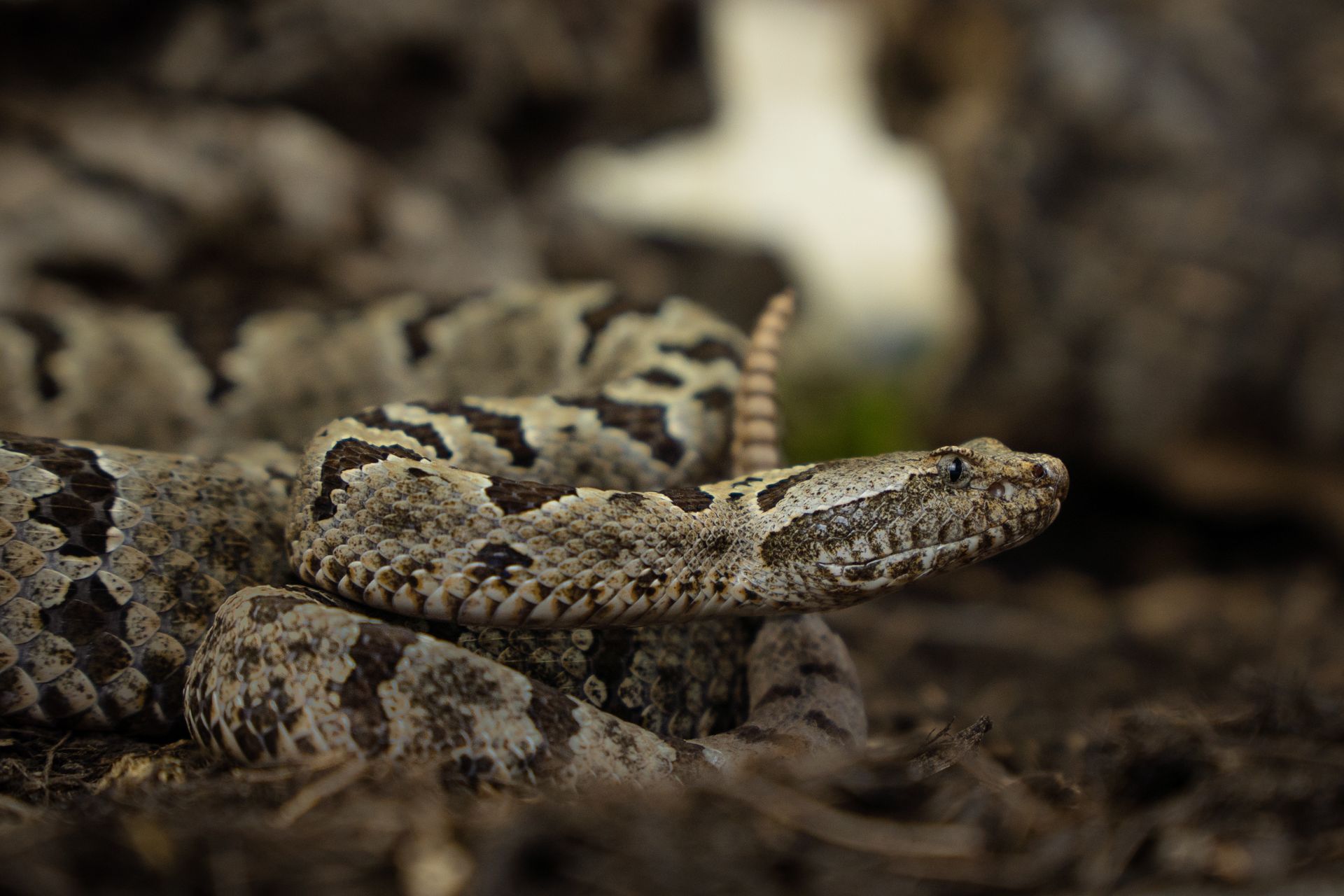
Eastern Massasauga rattlesnakes are small, thick-bodied snakes with heart-shaped heads and vertical pupils.
They typically grow to about 2 feet long, which is a relatively small size for a rattlesnake.
Their gray or light brown skin is adorned with chocolate brown blotches on their backs, which helps them blend in with their surroundings.
This unique appearance allows them to sneak up on their prey, making them efficient hunters.
On a similar theme: Himalayan Brown Bear
Behavior and Diet
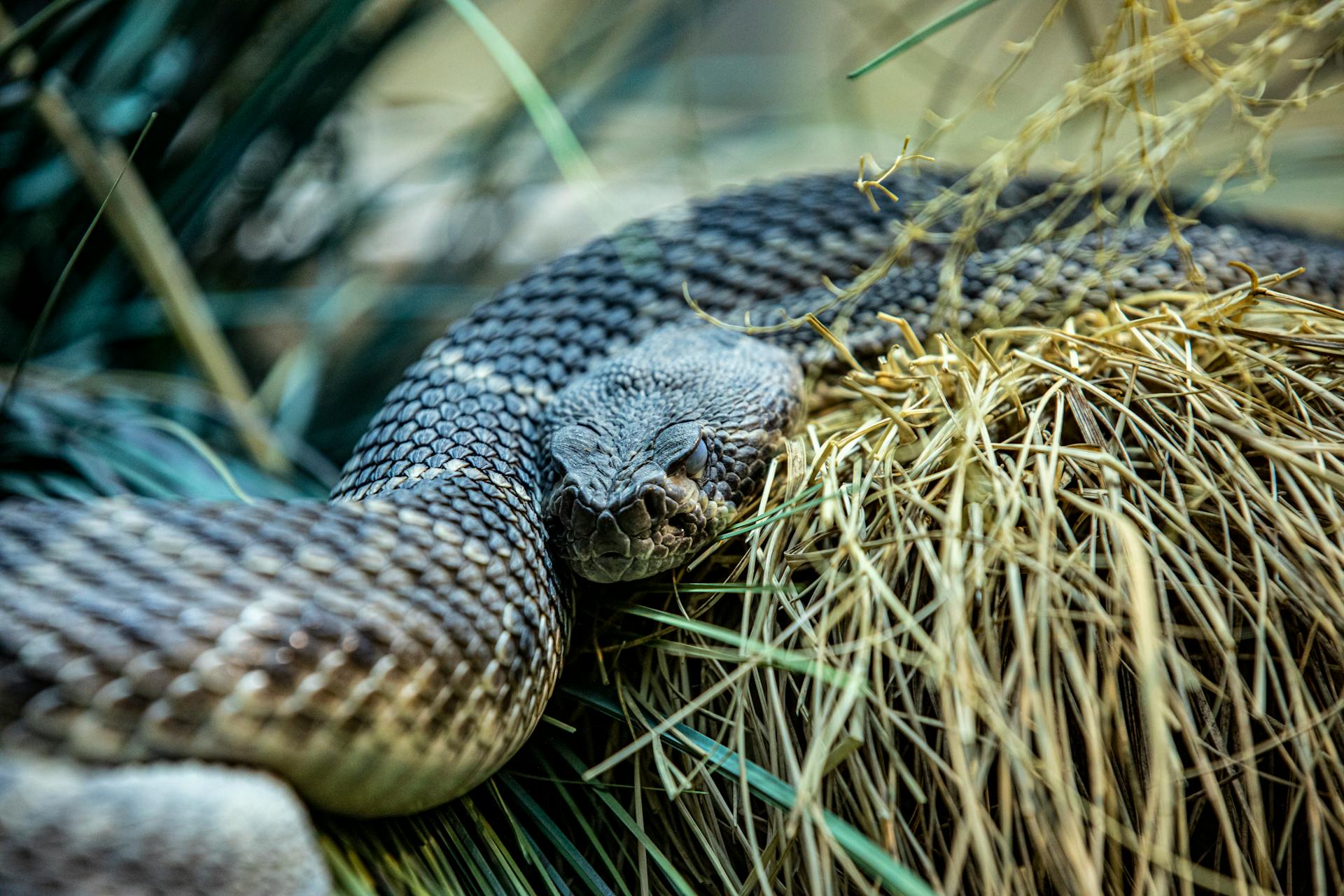
Massasaugas are generally inactive and non-aggressive. They are not typically a threat to humans unless provoked.
Their diet consists mainly of small rodents. They also eat frogs and other snakes, which helps control rodent populations.
In the wild, I've observed that they tend to stay hidden and still for long periods of time. This helps them sneak up on their prey.
Featured Images: pexels.com