Macropodus are known for their impressive fighting abilities, with males engaging in intense battles for dominance and mating rights.
These fish can grow up to 3 inches in length, making them a relatively small but feisty species.
In the wild, Macropodus inhabit shallow, slow-moving waters with dense vegetation, where they can easily hide and ambush prey.
To replicate their natural habitat, aquarists can create a tank with plenty of hiding places and plants, such as Java moss or Anubias.
Macropodus are omnivores, feeding on small invertebrates, algae, and plant matter, and should be fed a varied diet that includes live or frozen foods like brine shrimp or bloodworms.
With proper care and attention, Macropodus can thrive in a well-maintained tank, but they do require regular water changes and a balanced water chemistry.
Classification
The Macropodus genus is recognized by several species, including Macropodus baviensis, which was described as recently as 2005. Macropodus erythropterus, on the other hand, has been recognized since 2002.
One of the most well-known species in the Macropodus genus is the Round-tailed paradisefish, also known as Macropodus ocellatus, which was first described by Cantor in 1842. This species has been around for a long time.
Here is a list of the recognized species in the Macropodus genus as of 2014:
- Macropodus baviensis
- Macropodus erythropterus (Red-backed paradisefish)
- Macropodus hongkongensis
- Macropodus lineatus
- Macropodus ocellatus (Round-tailed paradisefish)
- Macropodus oligolepis
- Macropodus opercularis (Paradise fish)
- Macropodus phongnhaensis
- Macropodus spechti (Black paradisefish)
Main Taxa
The Macropodus genus is part of the larger Macropodusinae family. This family is a significant part of the freshwater fish world, with many species found in South China.
The Macropodus genus specifically includes eight recognized species as of 2014. These species are the result of careful classification and research by taxonomists.
Here are the eight species that make up the Macropodus genus:
- Macropodus baviensis
- Macropodus erythropterus (Red-backed paradisefish)
- Macropodus hongkongensis
- Macropodus lineatus
- Macropodus ocellatus (Round-tailed paradisefish)
- Macropodus oligolepis
- Macropodus opercularis (Paradise fish)
- Macropodus spechti (Black paradisefish)
These species are a testament to the diversity of freshwater fish in South China, and they continue to be an important area of study for scientists and researchers.
Spechti
Spechti is a relatively new species in the aquarium trade, previously known as Macropodus concolor in older aquariphilic literature.
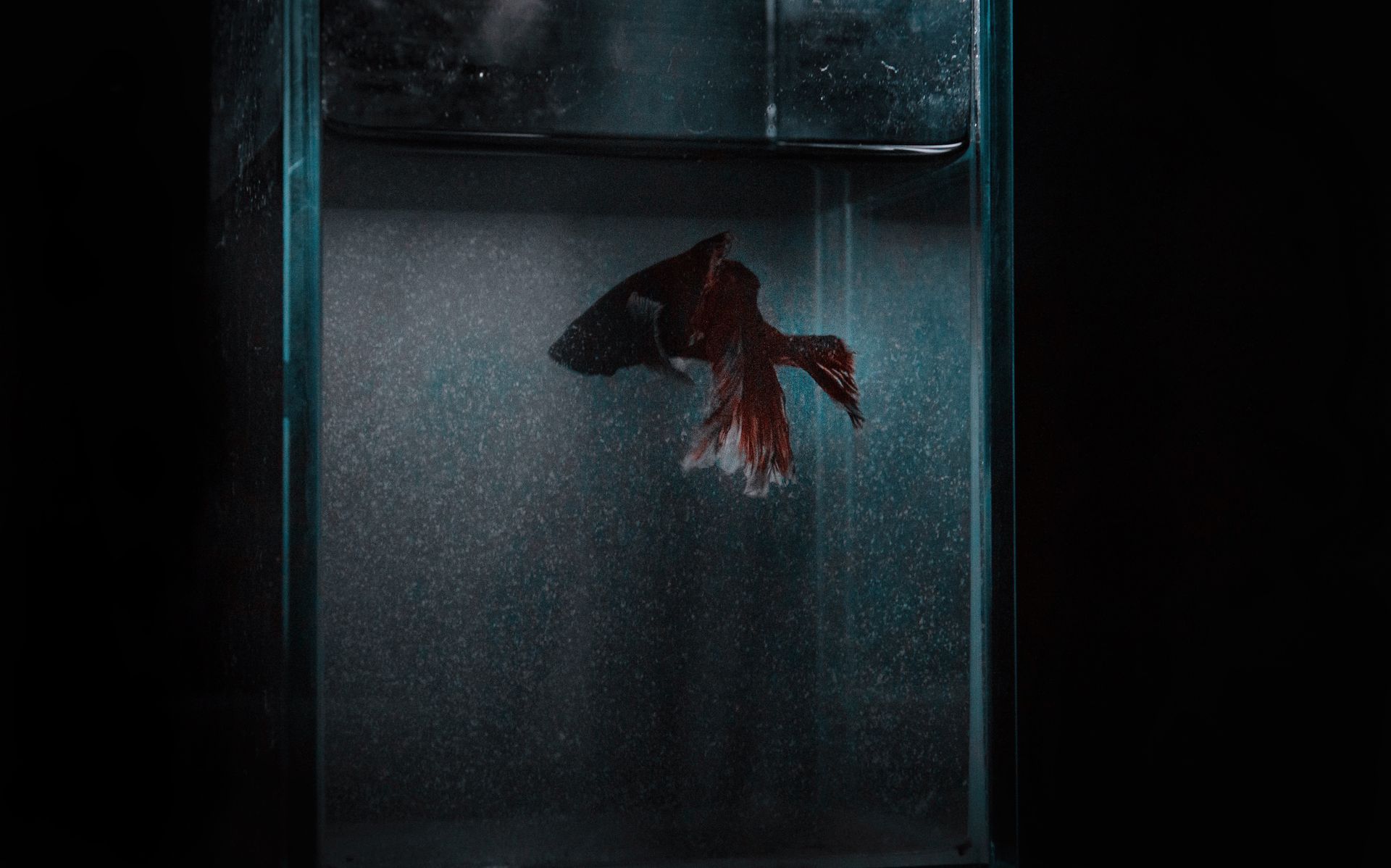
This species, Macropodus spechti, has been gaining popularity in recent times, but was not well-documented until recently.
Macropodus spechti is a species that is worth getting to know, especially for those interested in the Paradise Fish, Macropodus opercularis.
The Paradise Fish, Macropodus opercularis, is also known as the Paradise Gourami, and is a well-known species in the aquarium hobby.
Macropodus opercularis is a species that has been extensively documented, but remains somewhat mysterious, hence the nickname "un illustre sconosciuto".
Reproduction
Reproduction of Macropodus opercularis is a fascinating process.
The male builds a bubble nest, a floating mat of saliva-coated air bubbles, often incorporating plant matter. This is a typical behavior for most bettas and gouramis.
The male attracts a female to the bubble nest, and if she accepts, they will 'embrace' in open water, releasing both eggs and sperm into the water. This is a crucial step in the reproduction process.
The male gathers the fertilized eggs after each embrace, spitting them up into the bubble nest. This ensures the eggs are safe and secure.
After spawning, the male may violently attack his mate or any other fish that might approach the new fertilized eggs or hatched fry. This behavior is a natural defense mechanism.
A breeder usually chooses to move the female to a separate tank to improve the chances of survival of both the female and the hatched fry. This is a common practice in fish breeding.
The male's protective behavior subsides once the fry have begun to swim freely, so the breeder removes the male for the protection of the fry. The fry are then raised on infusoria or newly hatched brine shrimp.
An albino form of Macropodus opercularis is available, but many aquarists consider this form to be less hardy and more trouble with low temperatures.
Habitat and Behavior
In their natural habitat, Macropodus opercularis are quite a sight to behold. They can be found in their native Asia, where they inhabit freshwater environments.
Paradise fish are known to be quite combative, often harassing and attacking each other, which can be a challenge for aquarium hobbyists. They can also display aggressive behavior towards other paradise fish, especially as they get farther away from their home in Asia.
In the wild, paradise fish are predators that feed on insects, invertebrates, and fish fry. This means they're not suitable for small fish communities.
Opercularis in Natural Habitat
In their natural habitat, Macropodus opercularis are found in freshwater environments.
Macropodus opercularis can be photographed in their natural habitat by visiting the Facebook page of Sun Wenqian.
They inhabit areas with dense vegetation, which provides them with shelter and food.
Behaviour
Paradise fish are fairly combative, harassing and attacking each other, as well as potentially assaulting and killing small fish.
In the wild, they are predators, eating insects, invertebrates, and fish fry. Their aggressive behavior is often on display, especially when competing for territory or resources.
Paradise fish are more likely to show aggressive behavior towards other paradise fish than to fish of a different species. This is likely due to their territorial nature.
As the distance to their home in Asia increases, acts of aggression tend to increase. This could be a result of their natural behavior in the wild.
Paradise fish are capable of changing their color in response to stimuli, displaying dark blue lateral lines on the sides of their bodies. This is a unique ability that sets them apart from other fish species.
Characteristics & Origin
Macropodus are a type of labyrinth fish, known for their unique ability to breathe air from the surface.
They are native to Southeast Asia, specifically in the freshwater lakes and rivers of countries such as Thailand, Indonesia, and Malaysia.
Macropodus are relatively small, with most species growing to a maximum length of about 5-6 inches.
Their distinctive appearance includes bright colors and elaborate fins, making them a popular choice among aquarium hobbyists.
Macropodus are known to be territorial and can be quite aggressive towards other fish, especially when defending their territory or food.
In the wild, they feed on small insects, crustaceans, and plankton, which they catch using their long, pointed snouts.
Care and Maintenance
Macropodus are relatively low maintenance fish, but they do require some care to thrive.
They need a tank with a secure lid, as they are skilled jumpers and can easily escape.
A minimum tank size of 20 gallons is recommended, with plenty of hiding places and open swimming areas.
Their water temperature should be kept between 72°F and 82°F (22°C and 28°C), with a pH range of 6.5 to 7.5.
Regular water changes are essential, with a 25% change every week to keep the water clean and clear.
Macropodus are carnivores and should be fed a diet rich in protein, such as bloodworms and brine shrimp.
They are also known to be aggressive towards their own kind, so it's best to keep them in small groups or as a single specimen.
Frequently Asked Questions
What colors are macropodus opercularis?
Macropodus opercularis display brilliant blue and red coloration. Mature males have extended rays in their fins, adding to their vibrant appearance.
Can paradise fish live alone?
Yes, paradise fish prefer to live alone, but they may accept tankmates if they are large and non-aggressive.
Featured Images: pexels.com