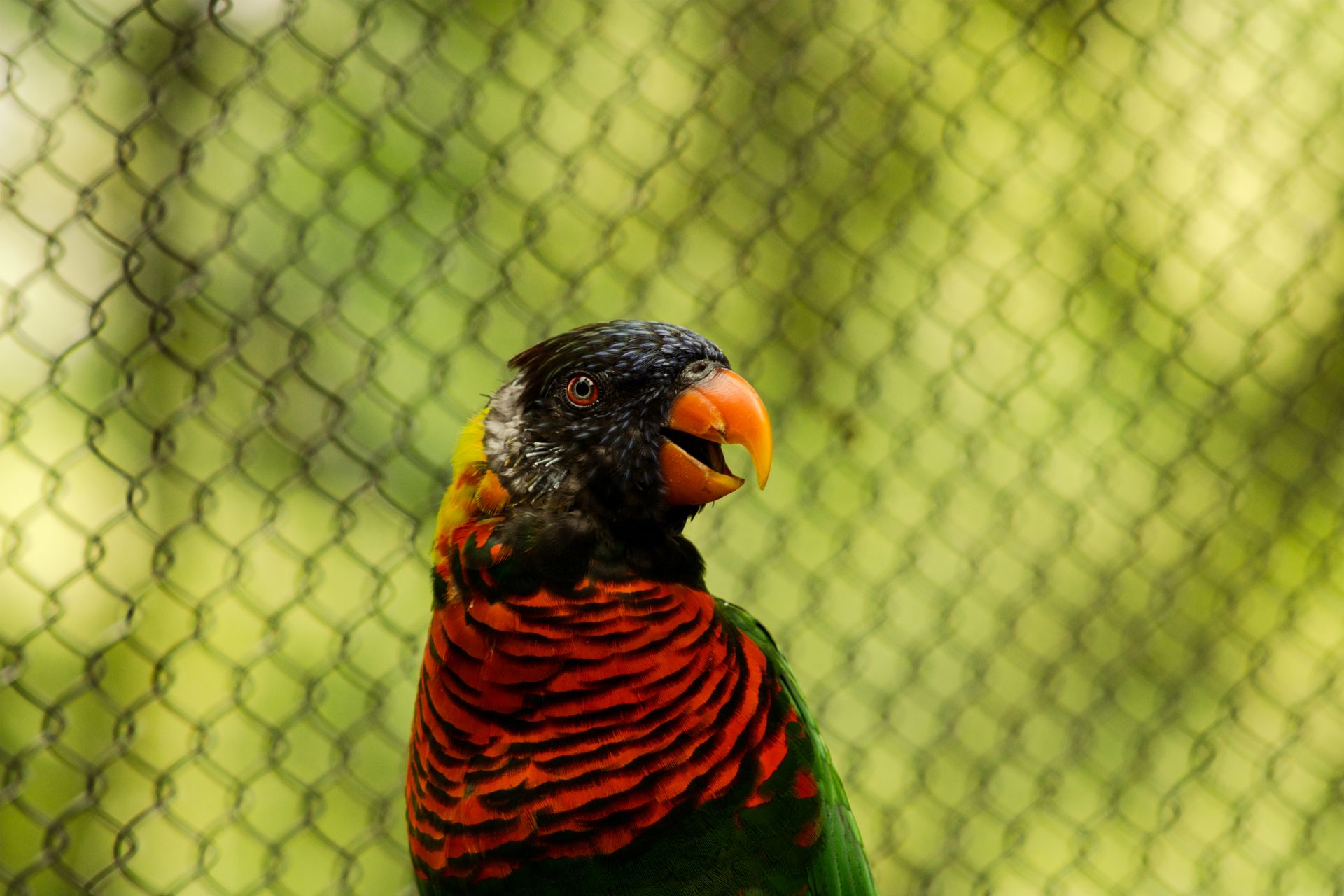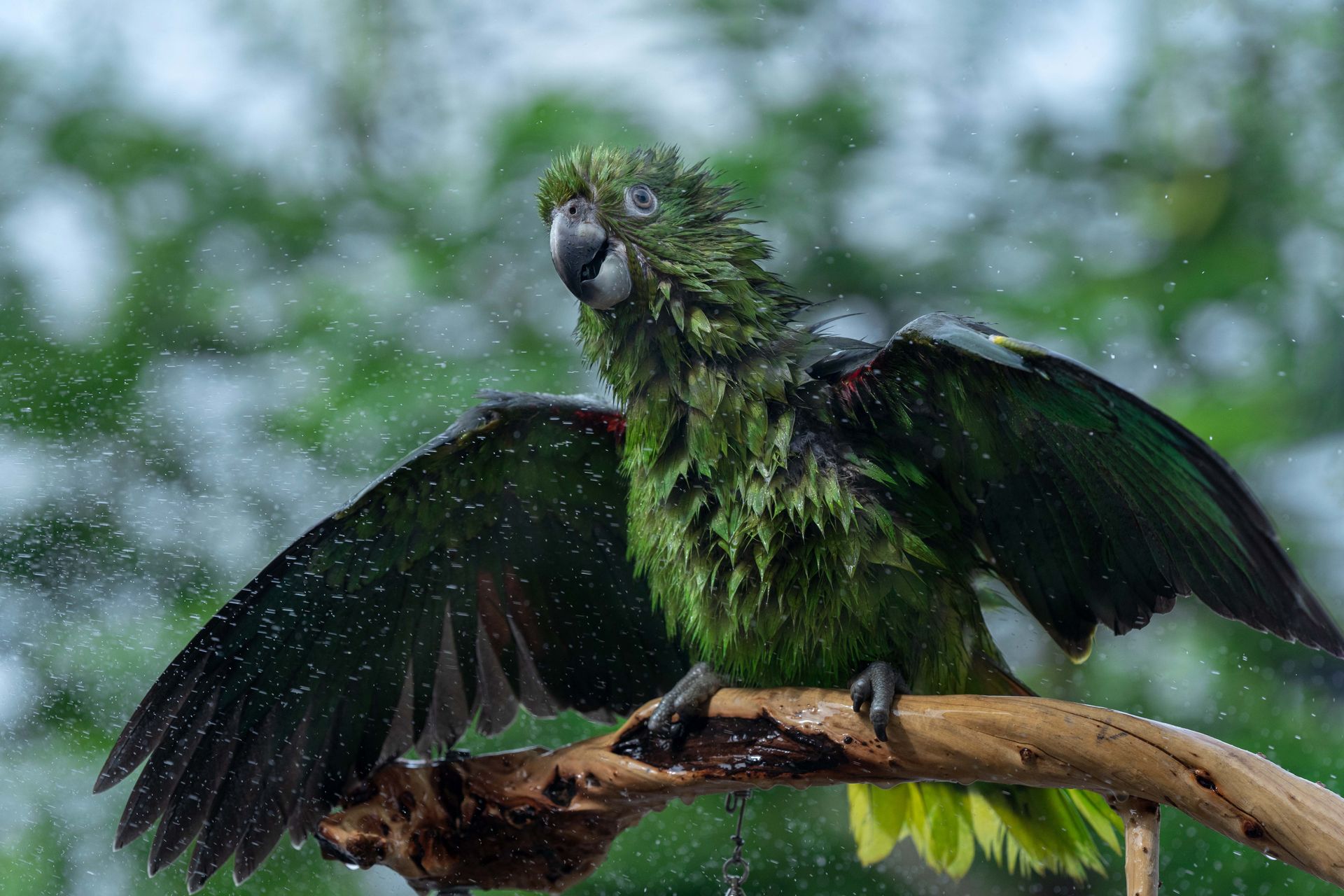
Lorikeet paralysis syndrome is a mysterious and devastating condition that affects some parrot species, including lorikeets and other Australian parrots. The exact cause of this syndrome is still unknown.
Research into the syndrome is ongoing, but more help is needed to understand the underlying mechanisms and find a cure. Scientists have made some progress in identifying symptoms and risk factors, but much remains to be discovered.
Symptoms of lorikeet paralysis syndrome can include sudden weakness, paralysis, and even death. In some cases, birds may recover, but the exact rate of recovery is unknown.
The syndrome has been reported in various parts of Australia, including New South Wales and Queensland.
If this caught your attention, see: Scaly Breasted Lorikeet
What Is Lorikeet Paralysis Syndrome?
Lorikeet Paralysis Syndrome primarily affects wild rainbow lorikeets, which is a specific species of bird known as Trichoglossus moluccanus.
The symptoms of LPS are quite striking, as birds afflicted with the disease lose balance and are unable to fly, despite showing no apparent injuries.
As the disease progresses, birds lose control of their limbs entirely, which is a devastating outcome for these beautiful creatures.
This loss of control can also affect the birds' beaks, making it difficult for them to eat and perform other essential functions.
A different take: Can Birds Have down Syndrome?
Causes and Risk Factors
Lorikeet paralysis syndrome is a complex and mysterious condition that has left many experts scratching their heads. Scientists believe the most likely cause is toxicosis, where a toxin in a plant or food source affects the bird's kidneys, liver, and musculoskeletal system.
Researchers have been working tirelessly to identify the toxin, but it's a challenging task. They think it might form on a plant and be seasonal, or caused by extreme rain and heat events.
The toxin is likely to be either a fungus or a bacteria, and scientists are getting close to discovering the cause through genetic testing and other research. They've already ruled out countless suspected causes, so we're making progress.
Trying to feed lorikeets yourself can be very dangerous, as they can't swallow safely and are desperate for food. They're hungry, but their inability to swallow and protect their airways properly makes it a risk.
The seasonality of the disease suggests a blooming/fruiting period of the toxic plant occurs between October and June. This is when the highest number of cases happen, with thousands of rainbow lorikeets being admitted into care each year.
The locations where lorikeets are found are not random, suggesting that if a toxic plant is the cause, it occurs in some areas but not others.
Check this out: Can Fleas Cause Paralysis in Cats?
How Severe Is the Problem
The number of rainbow lorikeets affected by LPS is increasing dramatically, with WIRES estimating thousands of birds have now been affected in the region.
Tania, a specialist emergency responder, notes that cases are becoming more acute, with birds going down more suddenly and needing more immediate first aid and treatment.
For many birds, LPS is fatal, and even those that do survive face a long road to recovery.
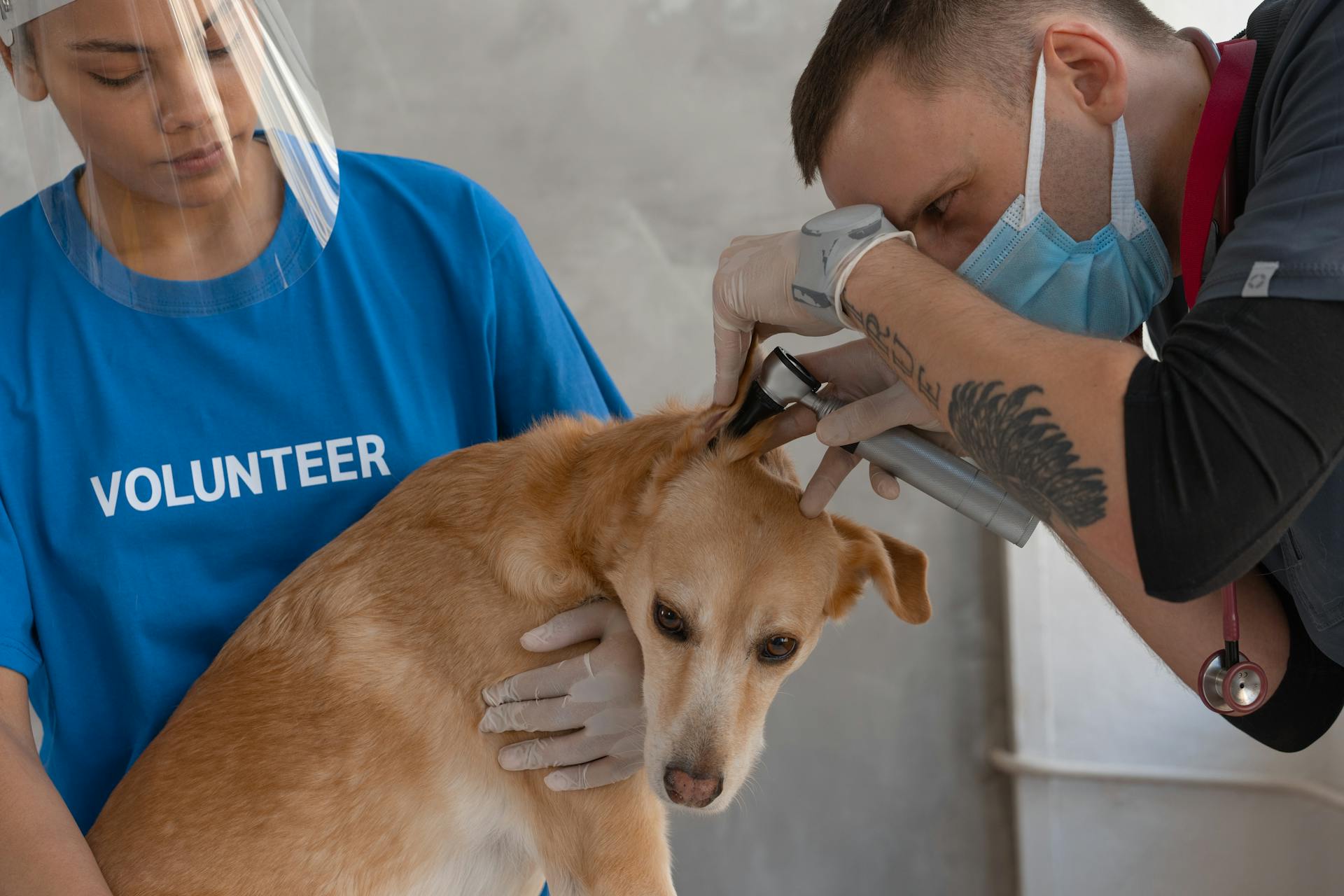
Time is critical, and the sooner an LPS-affected bird sees a vet, the better its chance of survival.
The longer a bird is not flying, the longer it takes to get back its strength, making every minute count.
Researchers Seek Public Help
Researchers are calling on the public for help in understanding lorikeet paralysis syndrome. They need your assistance to document what lorikeets eat in the region.
The researchers are specifically looking for people who live between Bundaberg and Grafton, in southern Queensland and northern New South Wales. This geographic area is crucial to their research.
By documenting lorikeet diets, the researchers hope to narrow down the list of potential causes of LPS. This will eventually lead to a prevention and/or cure for the syndrome.
If you live in this region and love watching lorikeets, you can make a difference in their lives.
Recovery Is Possible
Recovery is possible. Birds brought in early enough can be nursed back to health, which usually takes four to eight weeks.
Last year, 48 rainbow lorikeets were released in Ipswich, west of Brisbane, after recovering from lorikeet paralysis syndrome. This is a great example of the success of rehabilitation efforts.
The disease affects an animal's ability to fly, and in more severe cases, their ability to blink or swallow. This can be a challenging condition to recover from, but with proper care and attention, many birds can make a full recovery.
If you find a sick flying fox, don't touch it - instead, contact a licensed wildlife rehabilitation group or local veterinarian. In Queensland, you can call the RSPCA on 1300 ANIMAL (1300 264 625) for assistance.
Frequently Asked Questions
Why is my rainbow lorikeet unable to fly?
Your rainbow lorikeet's inability to fly could be due to a broken wing, LPS, or PBFD, which require immediate veterinary attention. Consult a vet to determine the cause and ensure proper treatment.
Featured Images: pexels.com