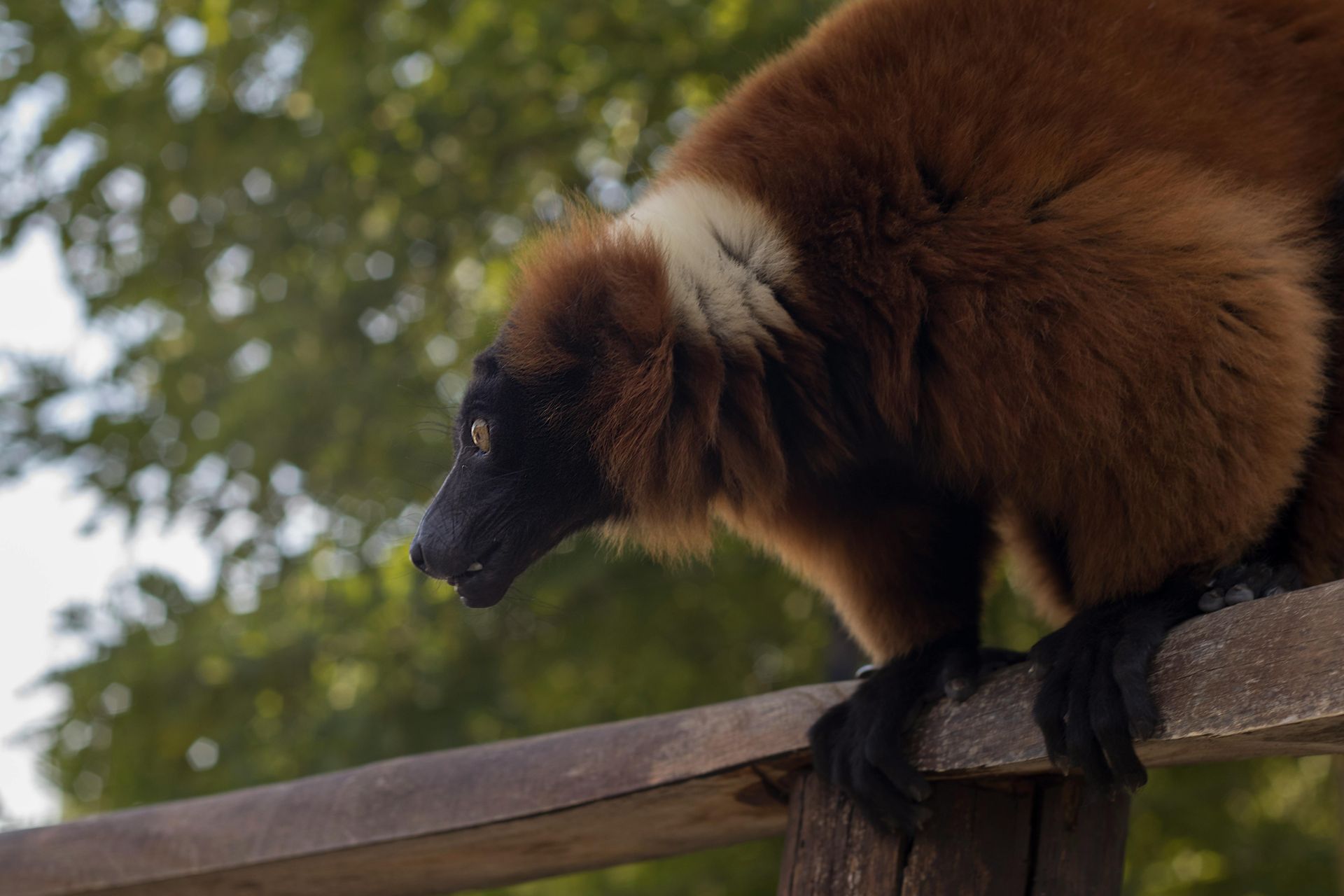
The long fingered lemur, also known as the aye aye, is a unique and fascinating creature. Its long, thin fingers and toes make it a standout among other primates.
The aye aye's fingers are particularly notable, with the middle finger being the longest. This adaptation allows it to catch insects and grubs by inserting its long finger into tree bark and other crevices.
One of the most distinctive features of the aye aye is its ability to use its long fingers to extract food from trees. This behavior is a result of its specialized diet, which consists mainly of insects, grubs, and fruit.
The aye aye's long fingers also give it a unique way of catching insects in mid-air. Its fingers are so long that it can snatch insects right out of the air, making it a skilled and efficient hunter.
Aye-ayes Behavior
Aye-ayes are nocturnal animals, meaning they're most active at night.
They use their long, thin fingers to navigate and forage in the dark, a unique adaptation that helps them survive in their environment.
Aye-ayes are also known for their curious nature, often exploring their surroundings with caution.
Their long middle finger is so sensitive that it can detect the slightest movement, allowing them to locate insects and fruits in the dark.
This specialized finger also helps them to tap on trees to find hollows that contain insects, a behavior that's both fascinating and unique.
Aye-ayes Pick Their Noses
Aye-ayes are known to engage in a peculiar behavior where they pick their noses. This behavior is often observed in the wild, where aye-ayes will use their long, thin fingers to dig into their nostrils.
In the wild, aye-ayes have been observed to use tools to extract food from tree bark, but it seems they also use their tools to pick their noses. This behavior has been observed in several studies, where aye-ayes were seen using their fingers to dig into their nostrils.
Aye-ayes have a unique adaptation that allows them to use their long fingers to manipulate objects, which might explain why they are able to pick their noses with such ease. This adaptation is a result of their evolution as a highly specialized primate.
It's worth noting that aye-ayes are generally clean animals, and their nose-picking behavior might be an anomaly in their otherwise tidy habits.
Other Unique Behaviors
Aye-ayes are known to be skilled predators, using their long, thin fingers to catch insects and grubs in tree bark. They've even been observed using their sharp claws to dig into the bark to catch these tasty treats.
Aye-ayes have also been observed using tools to help them gather food. They use sticks to dig out grubs from tree bark, showcasing their problem-solving skills. This behavior is a testament to their intelligence and adaptability.
One fascinating aspect of aye-ayes' behavior is their ability to use their keen sense of smell to locate food. They can sniff out grubs and insects in tree bark with ease, making them efficient hunters.
Physical Characteristics
The long fingered lemur's physical characteristics are quite unique. It has a slender body, weighing between 2.5 and 4.5 pounds.
Its most distinctive feature is its long, thin fingers, which can be up to 4.5 inches long. These fingers are perfect for grasping onto branches in its rainforest habitat.
The long fingered lemur's fur is a beautiful mix of brown and gray, helping it blend in with its surroundings.
Long Fingers
Long fingers are a unique physical characteristic that can be beneficial in various ways. People with long fingers tend to have better dexterity and fine motor skills, making them more adept at playing musical instruments or typing on a keyboard.
Research has shown that individuals with long fingers are more likely to be musicians, particularly those who play instruments like the piano or violin. This is because their longer fingers allow for more precise finger placement and movement.
In terms of everyday life, long fingers can also be an asset when it comes to tasks that require manual dexterity, such as cooking or crafting. People with long fingers may find it easier to handle small objects or perform intricate tasks.
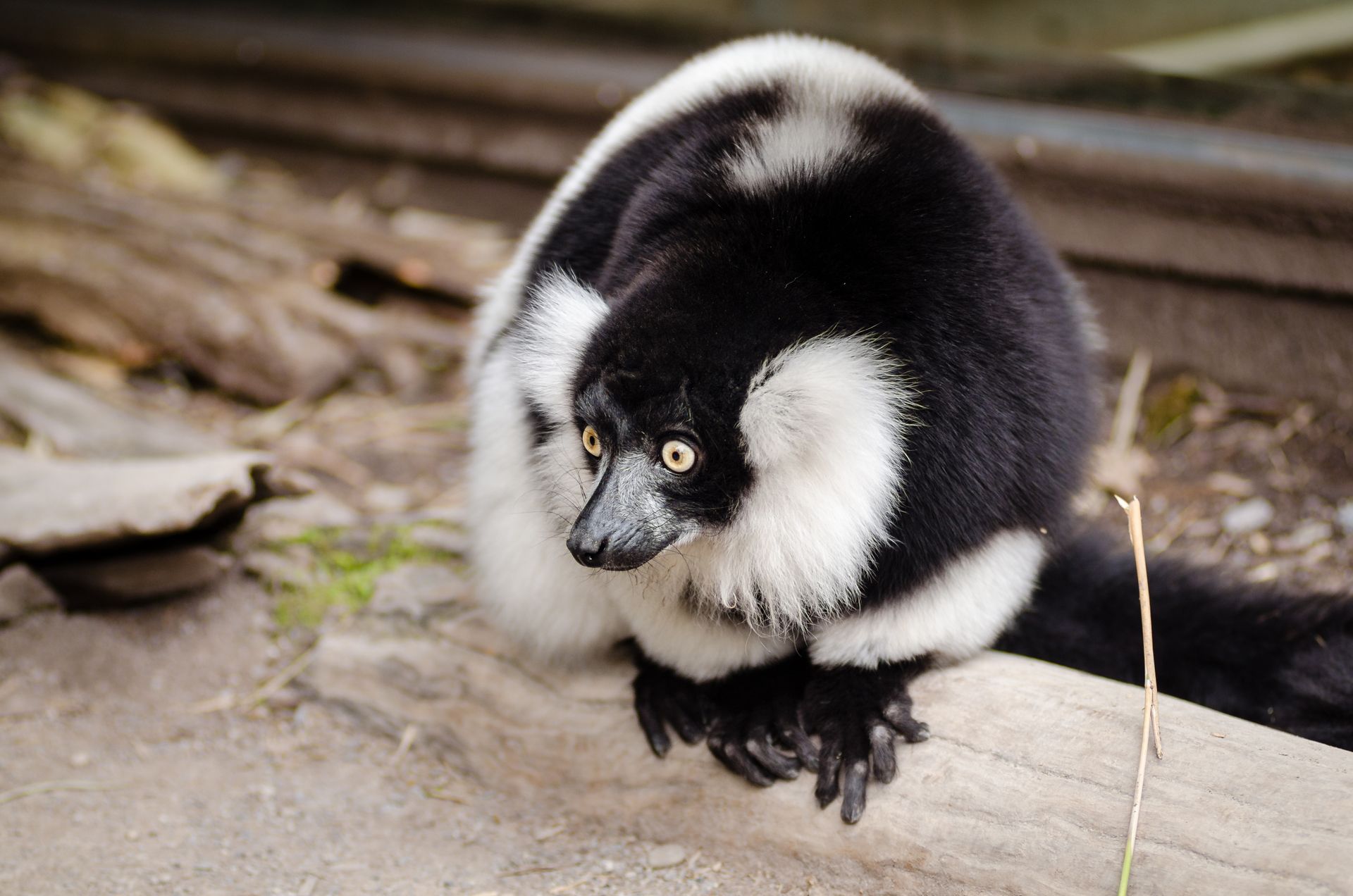
One notable example is the famous pianist, Franz Liszt, who was known for his exceptionally long fingers. His long fingers allowed him to play complex piano pieces with ease and precision.
Long fingers can also be a result of genetic inheritance, with some families passing down this trait from generation to generation.
Other Distinctive Features
The unique characteristics of this subject are what make it truly special. Its distinctive features include its vibrant colors, which can range from deep blues to bright yellows.
One of its most notable features is its ability to change color depending on its environment. This is due to the presence of specialized cells that can expand or contract to reflect different wavelengths of light.
Its slender body is another distinctive feature, allowing it to navigate through tight spaces with ease. This is particularly useful for its survival, as it often inhabits areas with dense vegetation.
Its large, round eyes are a key feature, giving it exceptional vision and the ability to detect even the smallest movements. This is essential for its hunting and predator avoidance strategies.
Its unique texture is also worth mentioning, featuring a combination of smooth and ridged sections. This provides both protection and traction, making it well-suited to its environment.
Featured Images: pexels.com