The Lonchura atricapilla bird is a species of finch that can be found in the wild. It has a distinctive black cap on its head, which is where it gets its name.
These birds are social creatures and are often found in large flocks. They are native to the tropical regions of Asia.
One of the most recognizable features of the Lonchura atricapilla is its black cap, which contrasts sharply with its brown back and wings.
Physical Characteristics
The chestnut munia, also known as lonchura atricapilla, is a bird that measures 11-12 cm in length.
One of its most distinctive features is its stubby pale grey-blue bill.
The adult bird has a black head, which is a notable characteristic that sets it apart from other birds.
The chestnut munia's body is primarily brown in color, with a brick red patch on the lower back that becomes visible when it flies.
Some races of the chestnut munia have a black belly, adding to the bird's unique appearance.
Imature birds, on the other hand, have a more uniform appearance, with pale brown upperparts and white to pale buff underparts.
You might enjoy: Black Capped Chickadee Bird
Taxonomy and Classification
The chestnut munia, also known as lonchura atricapilla, is a bird species with several recognized subspecies.
Its taxonomy and classification are important to understand, especially when it comes to distinguishing between different populations. The chestnut munia has a total of 11 recognized subspecies.
Here's a breakdown of the recognized subspecies of the chestnut munia:
- Lonchura atricapilla atricapilla
- Lonchura atricapilla rubroniger
- Lonchura atricapilla sinensis
- Lonchura atricapilla formosana
- Lonchura atricapilla deignani
- Lonchura atricapilla brunneiceps
- Lonchura atricapilla jagori
- Lonchura atricapilla selimbauensis
- Lonchura atricapilla obscura
- Lonchura atricapilla batakana
Habitat and Distribution
The chestnut munia, also known as lonchura atricapilla, can be found in open grasslands and cultivation areas.
This bird is a social creature that thrives in environments with an abundance of grain and seeds to eat.
It builds its nest in a bush or tall grass, creating a large domed grass structure to lay its eggs.
The chestnut munia is known to inhabit various parts of the world, including Japan, Hawaii, Vanuatu, Jamaica, Martinique, and southwest Ecuador, where established populations have been introduced.
It's worth noting that different subspecies of the chestnut munia have been identified in various regions, each with unique characteristics.
Here's an interesting read: Chestnut Fronted Macaw
Habitat
The chestnut munia is a small gregarious bird that loves to feed on grain and other seeds. It's a common sight in open grasslands and cultivated areas.
These birds are very social and can often be found in large groups. They're attracted to the abundance of food in these areas.
Their nests are impressive structures, made from large amounts of grass that form a domed shape. They're usually built in a bush or tall grass.
The chestnut munia lays 4-7 white eggs in their nests, which is a significant number for such a small bird.
Range and Distribution:
The bird in question has been introduced to various parts of the world, including Japan, Hawaii, Vanuatu, Jamaica, Martinique, and southwest Ecuador. It's amazing to think about the different ecosystems these birds have adapted to.
Established populations can be found in North West Sumatra, where a unique subspecies, ssp. batakana, has a distinctive maroon-brown rump and tail.
In Southeast Asia, this bird has been spotted in Thailand, Southeast China, and Indochina, where the ssp. deignani subspecies boasts a darker mahogany-red body and dusky to dark brown belly.
The ssp. formosana subspecies can be found in Taiwan and northern Luzon in the Philippines, characterized by a dark brown head and grey nape.
Other regions where this bird has been spotted include the Philippines (except northern Luzon), Borneo, Sulawesi, and the surrounding islands, where the ssp. jagori subspecies has a dark brown nape and maroon rump.
In South Asia, the ssp. rubronigra subspecies is found in India and Nepal, distinguished by maroon-brown upper tail coverts.
Lastly, the ssp. sinensis subspecies inhabits the Malay Peninsula and northern Sumatra, with a brown to dark brown belly and under tail coverts.
Additional reading: Northern Mockingbird Male vs Female
Identification and Images
The Chestnut Munia, also known as the Black-headed Munia, is a small passerine bird with distinctive markings. It has a chestnut brown body with a black head, nape, and throat.
The bird's plumage is quite striking, with a pale grey bill, legs, and feet. Its dark iris adds to its unique appearance.
Here are some key identification characteristics:
- Chestnut brown body
- Black head, nape, and throat
- Dark iris
- Pale grey bill, legs, and feet
- Pale brown above
- Pale underparts
If you're looking for more visual confirmation, I recommend searching for photos of the Chestnut Munia in the gallery.
Identification
The Chestnut Munia's identification features are quite distinctive. Its body is a chestnut brown color.
You can easily identify the Chestnut Munia by its black head, nape, and throat. The dark iris is another key characteristic.
Its bill, legs, and feet are a pale grey color. This is a helpful distinguishing feature.
The Chestnut Munia's upper parts are a pale brown color. Its underparts are also pale.
Here are the key identification features in a concise list:
- Chestnut brown body
- Black head, nape, and throat
- Dark iris
- Pale grey bill, legs, and feet
- Pale brown above
- Pale underparts
Images and Stock Photos
The chestnut munia, also known as the black-headed munia, is a small passerine bird that can be found in various parts of Asia.
This bird has a distinctive dark brown plumage, with a black head and chestnut-colored body.
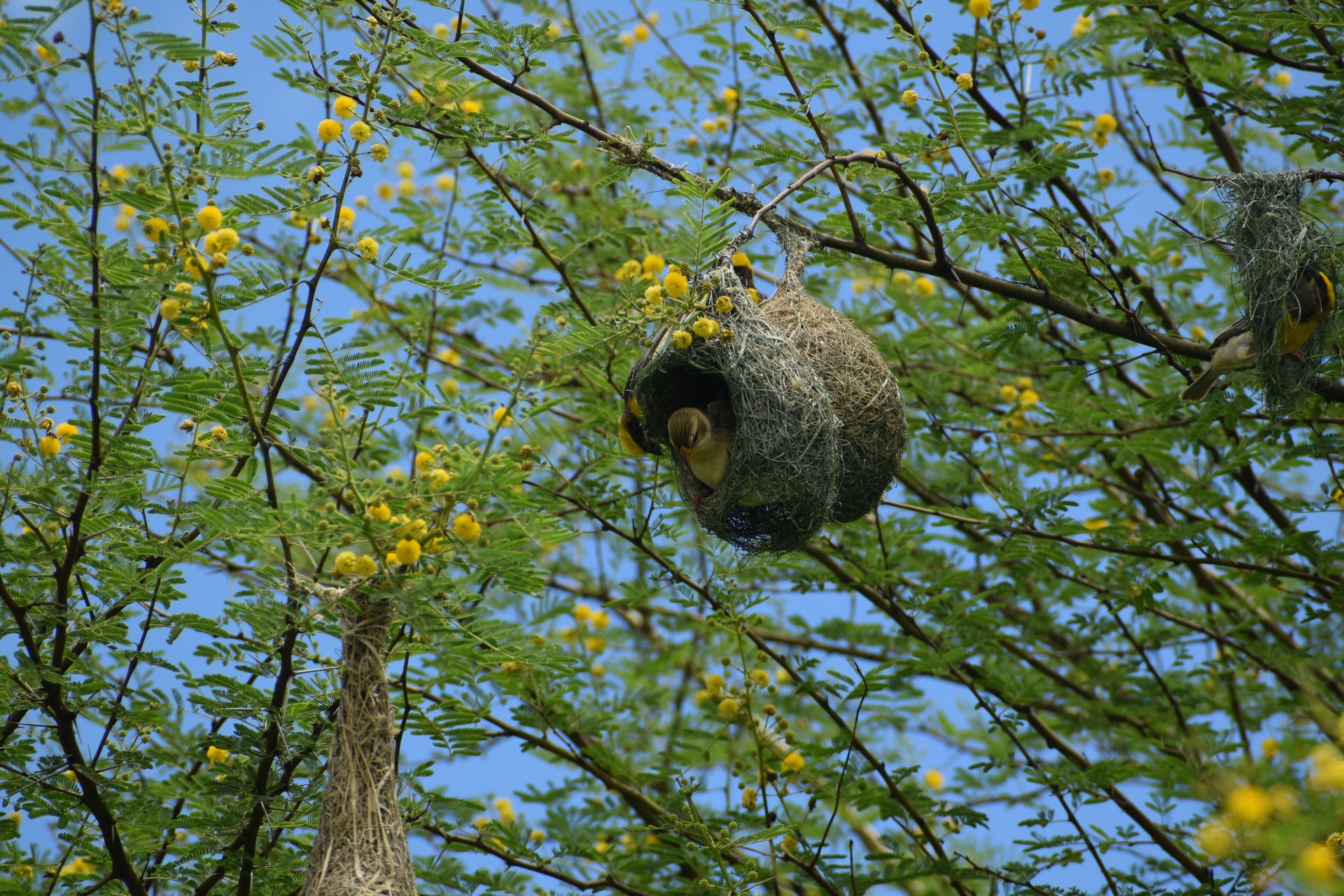
You can find images of the chestnut munia perching on thin branches, showcasing its beautiful back feathers and dirty face.
In fact, one photo shows a black-headed munia posting on a thin branch, highlighting its striking appearance.
Another image captures the chestnut munia perched on a tree top, with its velvet feathers glistening in the sunlight.
The chestnut munia can also be found in groups, as seen in a photo of a flock of brown birds rejoining on a wooden branch.
These birds are often seen in Asian meadows and fields, as well as in gardens and backyards.
You can find stock photos of the chestnut munia in various poses, including perched on a palm tree leaf or standing on a Bougainvillea branch.
Some photos even show the chestnut munia making fluffy feathers during soft lighting, while others capture its beautiful small bird profile.
In addition, you can find images of the chestnut munia drinking water, showcasing its natural behavior.
These images and stock photos can be a great resource for identifying and learning more about the chestnut munia.
Suggestion: American Tree Sparrow
Common Names and Life Cycle
The lonchura atricapilla has a fascinating life cycle.
The clutch size is typically between 4-6 eggs, which is a relatively small brood.
These eggs incubate for 12-15 days before hatching, and the young birds take around 22-28 days to fledge.
Here's a breakdown of the lonchura atricapilla's life cycle milestones:
Call and Vocalisation
The Chestnut Munia's call is a distinctive shrill "preep". This vocalisation is a key way for the birds to communicate with each other.
The call is described as a shrill "preep", which is a unique sound that helps to identify the species.
Common Names
The Chestnut Munia has a fascinating array of common names across different languages.
In English, this bird is simply known as the Chestnut Munia, a name that reflects its distinctive chestnut-colored plumage.
One of the most striking things about the Chestnut Munia's common names is the variety of languages in which they are spoken. You can find this bird referred to as the Capucin à tête noire in French, the Schwarzkappennonne in German, and the Kestane Rengi Munya in Turkish.
Here's a breakdown of some of the common names for the Chestnut Munia in different languages:
This bird's common names are a testament to the diversity of languages and cultures that exist around the world.
Life Cycle

The life cycle of a bird is a remarkable process.
The female lays 4-6 eggs at a time, which will eventually hatch after 12-15 days of incubation.
Incubation is a crucial period, as the eggs need to be kept at a stable temperature to ensure proper development.
After the eggs hatch, the young birds will leave the nest and start their journey to independence. They typically fledge, or learn to fly, around 22-28 days of age.
Here's a breakdown of the life cycle stages:
The young birds will continue to grow and develop, eventually leaving the nest for good and becoming independent birds.
Frequently Asked Questions
Is chestnut munia a finch?
Yes, chestnut munias are indeed finches, specifically seed-eating finches. They belong to the finch family and are known for their distinctive characteristics.
Featured Images: pexels.com