
Diabetic cats can live a relatively long life with proper management of their condition, with an average life expectancy of 12-15 years.
Good blood sugar control is crucial for a diabetic cat's overall health and well-being, and can help prevent complications such as kidney disease and vision loss.
A well-managed diabetic cat can have a quality of life similar to that of a non-diabetic cat, with regular exercise and a balanced diet playing a significant role in their health.
Regular veterinary check-ups and monitoring of blood sugar levels can also help identify any potential health issues early on.
A unique perspective: Cat Health
What is Diabetes in Cats?
Diabetes in cats is a serious medical problem that can have lifelong health implications if left untreated. It's caused by high blood sugar levels and a defective ability to transfer sugar into cells, which can lead to starvation.
Cats with diabetes can live a full life if they receive proper care and the right medication at home.
Diabetes mellitus (DM) is the medical term for this condition, and it's the same in cats as it is in humans. If left untreated, diabetic ketoacidosis, a severe condition, can result.
The body tries to compensate for the lack of sugar by breaking down fat as a fuel source, which is an additional complication.
Diagnosis and Treatment
Diagnosis of diabetes in cats typically involves routine blood tests and urinalysis to detect elevated blood sugar levels and glucose in the urine. This straightforward process usually leads to a diagnosis of diabetes mellitus.
Veterinarians may also use a water deprivation test or ADH response test to diagnose diabetes insipidus, a condition that has nothing to do with diabetes mellitus. These tests measure urine concentration levels and can help determine if a cat has diabetes insipidus.
Treatment for diabetes mellitus in cats often begins with insulin injections, a special diet, and weight management. The first follow-up appointment usually includes an all-day stay at the veterinary office for a fructosamine test and a blood glucose curve to determine the effectiveness of the insulin and proper dosage.
Here are some key points to consider when treating a diabetic cat:
- Insulin injections
- Special diet
- Weight management
The type and dosage of insulin, as well as the cat's diet and exercise routine, will need to be carefully managed to keep the cat's blood sugar levels under control.
Diabetes Diagnosis Outcomes

A diabetes diagnosis can be overwhelming, but understanding the potential outcomes can help you prepare for the journey ahead.
The likelihood of developing type 2 diabetes increases with age, with people over 45 being more likely to receive a diagnosis.
Early detection is crucial, as diabetes can lead to serious complications if left untreated or poorly managed.
In the United States, approximately 1 in 5 adults have undiagnosed diabetes, highlighting the importance of regular health check-ups.
The American Diabetes Association recommends that adults over 45 be screened for diabetes every three years.
Diabetes can be a life-altering diagnosis, but with proper management, people with diabetes can lead long and healthy lives.
According to the Centers for Disease Control and Prevention (CDC), people with diabetes can reduce their risk of complications by controlling their blood sugar levels and maintaining a healthy lifestyle.
Treatment Options
The initial workup for a diabetic cat typically includes baseline blood work and urine testing with a urine culture. This is usually done immediately after the cat is diagnosed at the shelter.

Treatment with insulin should begin right away in conjunction with a change in diet. This is crucial for managing the cat's blood sugar levels.
The first follow-up appointment is usually scheduled within a few weeks and will include an all-day stay at the veterinary office for a fructosamine test. This test takes an average of blood sugar over the past 2 to 3 weeks.
Alternatively, this all-day blood glucose curve can be performed at home with an OTC home monitoring kit. This is helpful when needed to check-in on the health status of your diabetic cat.
The cost of insulin can vary, but you can expect to pay anywhere from $60-$300 for a 10mL vial.
How Veterinarians Diagnose
Diagnosing diabetes in cats is a relatively straightforward process, especially when a cat has persistently elevated blood sugar levels and glucose in the urine. Routine blood tests and urinalysis are the typical first steps to diagnose both forms of diabetes in cats.
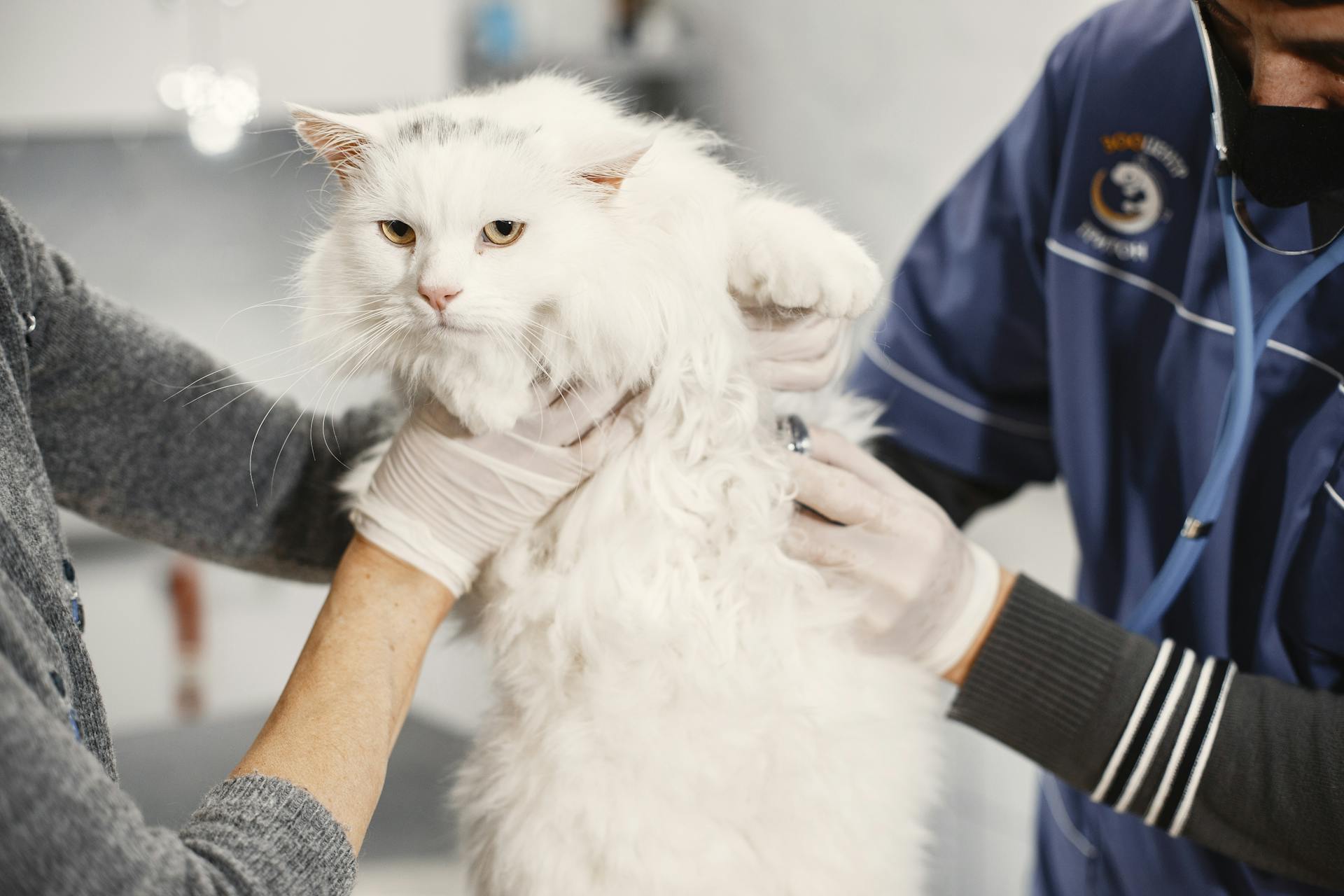
A water deprivation test may be recommended if diabetes insipidus is suspected. This test involves measuring urine concentration levels, withholding water for a few hours, and then re-evaluating urine concentration. Cats with diabetes insipidus will continue to have increased production of dilute urine.
Therapeutic trials, which are clinical studies used to evaluate the efficacy of a treatment, may also be used to diagnose diabetes insipidus in cats. These trials can help determine the best course of treatment for a cat's specific condition.
Blood tests and urinalysis are used to rule out other endocrine disorders such as hyperthyroidism. If a cat doesn't respond well to insulin therapy for diabetes mellitus, acromegaly or another endocrine disorder may also be present.
A veterinarian may use a water deprivation test or ADH response test to diagnose diabetes insipidus. These tests can help determine if a cat has diabetes insipidus or another underlying condition.
Here are the typical diagnostic steps for diabetes mellitus in cats:
- Routine blood tests
- Urinalysis
- Imaging or additional blood tests (if necessary)
Managing at Home
Congratulations on adopting your diabetic cat! To ensure your cat's quality of life, you'll need to manage their diabetes at home. Most cats will be managed with twice daily insulin injections given under the skin.
You'll need to give your cat insulin prior to eating, which may require extra time in the morning. Don't forget to properly store, mix, measure, and administer the insulin to ensure its effectiveness.
Insulin administration can result in hypoglycemia, which can be rapidly life-threatening. Close monitoring and communication with a vet is essential, and an online vet can help walk you through insulin injections at home if you're unsure.
To keep track of your cat's daily blood sugar numbers, as well as its daily routine and habits, you can use home monitoring equipment such as the AlphaTRAK 2 (about $70) or the FreeStyle Libre monitor ($130).
Here's a list of supplies you'll need to manage your cat's diabetes at home:
- Insulin bottles and syringes
- Sharps container (if required by state law)
- At-home blood glucose monitoring equipment
- Karo Syrup (or similar product) for hypoglycemic events
Remember to never adjust the insulin dose without first consulting your veterinarian. Your cat's diet will also play a crucial role in managing their diabetes, so be sure to follow a high-protein, low-carbohydrate diet recommended by your vet.
Life Expectancy and Survival
Life expectancy and survival of a diabetic cat can vary greatly depending on several factors.
Almost two thirds of diabetic cats (63%) survive for more than 1 year after diagnosis, with some cats even living up to 8 years or more.
Survival time is affected by factors such as insulin treatment, quality of life, and owner worries about medication. Cats that receive insulin treatment tend to have a shorter survival time, with a decline of 0.25 years for every additional year of the cat's age at diagnosis.
Cats with a better quality of life and owners who are not worried about medication tend to have a longer survival time. In fact, cats with a better quality of life have a 0.6 year increase in survival time compared to cats with a worsened quality of life.
Here's a summary of the factors that affect survival time in diabetic cats:
Overall, while there is no guaranteed life expectancy for diabetic cats, with proper care and management, many cats can live a relatively normal life.
Veterinary Care and Costs
Adopting a diabetic cat requires a commitment to regular veterinary care, which can be costly. The initial visits and diagnostics can be the most expensive, often incurred in a short period.
You'll need to partner with the shelter veterinarian and your primary care veterinarian to review the cat's medical history and determine the first few vet visits, monthly costs, and long-term care. This will help you understand the necessary expenses.
The cost of insulin can vary, but expect to pay anywhere from $60 for 42 days (Vetsulin) to $300 for 28 days (Glargine). Insulin syringes, sharps containers, and at-home blood glucose monitoring equipment are also necessary expenses.
Here's a breakdown of the estimated costs:
- Insulin: $60-$300 for a 10mL vial (variable depending on type and frequency of usage)
- Insulin syringes: $40 for a three-month supply (variable depending on type)
- Sharps container: $10 (if required by state law)
- At-home blood glucose monitoring equipment: $70-$130 (depending on the device)
It's essential to note that pet insurance may not cover diabetic cats, especially if the condition was previously diagnosed. Be sure to discuss costs and payment options with your veterinarian to ensure you're prepared for the necessary expenses.
Cost of Caring
Caring for a diabetic cat can be expensive, but understanding the costs can help you prepare. The initial visits and diagnostics are often the most costly, especially since the expenses are incurred in a relatively short period.
Pet insurance may not cover pre-existing conditions like diabetes, so it's essential to factor in the costs of long-term management. Expect to pay anywhere from $60 for 42 days to $300 for 28 days for insulin, depending on the type and frequency of usage.
Insulin syringes are also a necessary expense, with costs varying depending on the type of needles needed. For example, Vetsulin requires U-40 syringes, while Glargine requires U-100 syringes. You can expect to pay about $40 for a three-month supply.
Other costs to consider include at-home blood glucose monitoring equipment, which can range from $70 to $130, and prescription diets, which can be around $50-$100 per month.
Here's a breakdown of some of the estimated monthly costs for caring for a diabetic cat:
- Insulin: $60-$300 per month
- Insulin syringes: $10-$20 per month
- At-home blood glucose monitoring equipment: $70-$130 per month
- Prescription diets: $50-$100 per month
- Karo Syrup (or similar product): $10-$20 per month
- Sharps container: $10 per month (if required)
Remember, these costs can vary depending on the specific needs of your cat and the type of care required. Be sure to consult with your veterinarian to get a more accurate estimate of the costs involved.
How Can I Help?
If your cat has diabetes, following your vet's instructions is crucial. This includes feeding and insulin administration, so always ask for help if you're unsure.
For cats with diabetes mellitus, your vet will guide you on the right dosage and administration of insulin. For cats with diabetes insipidus, treatment can vary between patients, so follow your vet's advice.
Keep a close eye on your cat for signs of emergencies, especially if they have diabetes. If you need help administering insulin or want advice on feline diabetes, veterinarians on Vetster are available 24/7 in online virtual care appointments.
A different take: Why Are My Cats so Staticy?
Feline Diabetes
Feline diabetes is a serious medical condition that affects cats. It's a lifelong health problem that can be life-threatening if left untreated. There are two forms of diabetes that can develop in cats: sugar diabetes, also known as diabetes mellitus (DM).
Diabetes mellitus occurs when the body can't properly regulate blood sugar levels due to a lack of insulin production or the body's inability to respond to insulin. If left untreated, diabetic ketoacidosis can result, a severe condition that can be life-threatening.
Cats with diabetes can live a full life if they receive proper care and medication. Adopting a diabetic cat requires more understanding and effort from the pet parent. The cat's medical history, including diagnosis, insulin type, and diet, should be reviewed with the shelter veterinarian and primary care veterinarian.
A cat's life expectancy with diabetes depends on how well it's taken care of. Changing the cat's diet to a no-carb carnivore food can help achieve remission. For example, Young Again's ZERO cat foods contain less than 1% digestible starch and are a great choice for diabetic cats.
Here are some important factors to consider when caring for a diabetic cat:
- How long has the cat been diagnosed with DM?
- What type of insulin and insulin syringes are required?
- Is the cat fed a specific type of diet since being in the shelter, and if so, how much and how often?
- How often and how much insulin is given?
- Past medical history including any diagnostics or other treatments provided?
- Does its current medical history indicate cataracts or neuropathy?
- Is the cat well-regulated?
- Does your shelter offer any in-house, low-cost testing, coupons, or discounted medical care to help with the associated costs?
Emergency Situations
Emergency situations can arise if your diabetic cat's condition worsens.
Ketoacidosis is a complication of diabetes that can be life-threatening if not treated promptly.
Symptoms of ketoacidosis include vomiting, loss of appetite, severe lethargy, and an acetone-like smell to the breath.
If you notice any of these symptoms, seek veterinary help right away.
Your cat may also experience seizures, disorientation, and yellow eyes, skin, or gums (jaundice).
It's crucial to recognize emergency situations and take swift action to prevent long-term damage or even loss of your cat.
Frequently Asked Questions
What are the final stages of diabetes in cats?
In the final stages of diabetes, cats experience severe wasting, lethargy, and ketoacidosis, which can lead to coma and death if left untreated. If you suspect your cat is in this critical phase, seek immediate veterinary attention.
Is it worth treating an elderly cat with diabetes?
Yes, treating an elderly cat with diabetes can improve their quality of life and prevent complications. Early diagnosis and treatment are key to managing the condition effectively.
Featured Images: pexels.com