
The Lhasa Apso Mini is a delightful companion for many families, but it's essential to understand their unique needs and characteristics before bringing one home. They originated in the Himalayas, where they were bred as temple dogs to guard and protect.
These small dogs are naturally protective of their family, so early socialization is crucial to prevent any aggression towards strangers. They can be wary of new people and environments, so it's vital to introduce them to new experiences gradually.
Their thick double coat requires regular grooming to prevent matting and tangling. Daily brushing is a must, especially during shedding season, to keep their coat looking its best.
Their small size, typically weighing between 13-18 pounds, makes them a great fit for apartment living, but they still need regular exercise to stay happy and healthy.
Breed Characteristics
Lhasa Apso mini dogs are known for their loyal and affectionate nature, making them great companions for families. They form strong bonds with their owners and can be very protective of their family and home.
Independent by nature, Lhasa Apso minis like to do things their way, which can sometimes make them stubborn. However, they are also highly intelligent and can learn to obey commands with patience and consistency.
One of the best things about Lhasa Apso minis is their playful and social nature. They love being around people and can get along well with older children and other pets if socialized properly. They also make great watchdogs, naturally wary of strangers and quick to alert their owners of any potential danger.
Here are some key breed characteristics to keep in mind:
- Loyal and affectionate
- Independent and sometimes stubborn
- Playful and social
- Natural watchdogs
- Low exercise needs
Highlights
Lhasa Apsos are known for their loyal and affectionate nature, making them wonderful companions for many families. They'll often follow you around the house, eager to be close to their favorite people.
One thing to keep in mind about Lhasa Apsos is that they can be a bit stubborn at times, due to their independent nature. This means they may require some creative training approaches to keep them engaged.
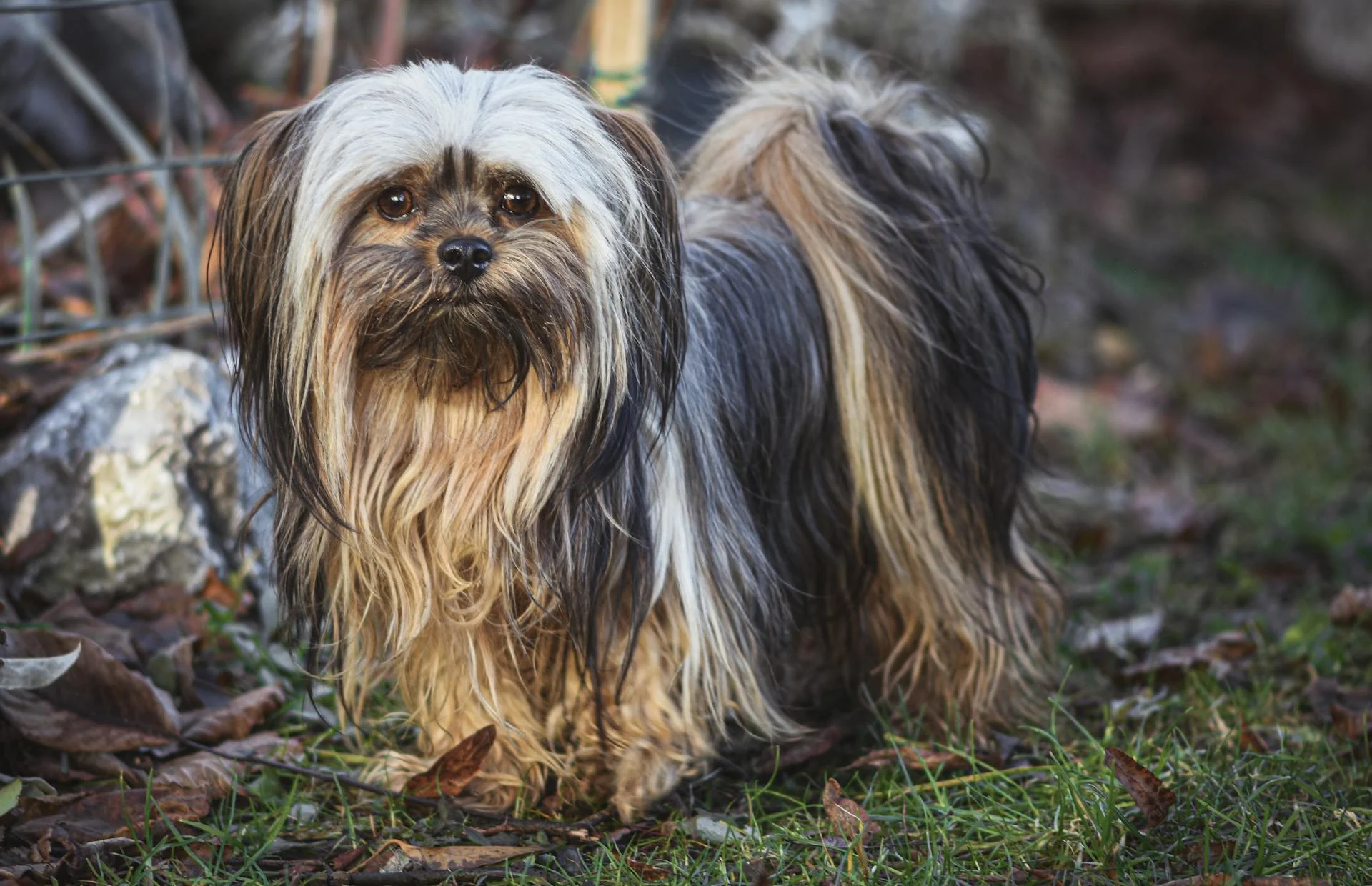
Despite their independent streak, Lhasa Apsos are playful dogs who love being around people. They're great with older children and other pets, especially if socialized properly from an early age.
If you're looking for a breed that doesn't require a lot of exercise, the Lhasa Apso is a great choice. They're happy with short walks and playtime, making them a great fit for busy households.
Here are some key characteristics of Lhasa Apsos:
- Loyal and affectionate
- Independent and sometimes stubborn
- Playful and great with older children and other pets
- Natural watchdogs who will bark to alert their owners of potential danger
- Low exercise needs
Temperament
Lhasa Apsos are known for their unique temperament, which can be a bit of a mixed bag. They're happy, mischievous, and playful, but also regal, independent, and fierce.
One of the most notable traits of Lhasa Apsos is their loyalty and protective nature. They were originally bred to guard palaces and temples in Tibet, and they take their job seriously. They're naturally wary of strangers and will bark to alert their owners of any potential danger.
As a result, Lhasa Apsos make excellent watchdogs, but they can also be a bit aloof with strangers at first. They're not extremely active and don't require vigorous exercise to reduce nervous energy, but they do enjoy short walks and play sessions.
Here are some key temperament traits of Lhasa Apsos:
- Loyal and protective
- Naturally wary of strangers
- Independent and strong-willed
- Happy, mischievous, and playful
- Excellent watchdogs
Because of their independent nature, Lhasa Apsos require a firm but fair owner who can provide consistent training and socialization. They're not difficult to train, but they do need positive reinforcement and praise to channel their energy into learning new things.
Appearance
Lhasa Apos and Lhasapoos are generally small dogs, with full-grown males reaching 10-11 inches in height and females slightly smaller.
Their coats can be a variety of colors, including black, tan, cream, white, red, blue, gray, and silver, although the latter three are less common.
Lhasapoos can inherit a Poodle's curly/wavy coat or the Lhasa Apso's long-silky coat, both of which require regular brushing to prevent matting and tangling.
Lhasapoos are a small-size hypoallergenic poodle mix breed that is non-shedding, making them a great option for families with pet allergies.
Their coats can be a combination of colors, such as brown, white, merle, black, red, apricot, golden, sandy, honey, or any of these shades in combination.
You'll need to spend time brushing their coat daily, especially if it's long, to prevent matting and tangling, and to keep it looking its best.
Consider reading: Long Hair Lhasa Apso
Health and Care
The Lhasa Apso mini is a wonderful companion, but like all breeds, they're prone to certain health issues. They're generally healthy, but be aware of potential problems like cherry eye, patellar luxation, and allergies.
Allergies are common in Lhasas, and they can be caused by food, contact with substances, or inhalant allergens. Treatment varies depending on the cause and may include dietary restrictions, medications, and environmental changes.
To prevent or manage these health issues, regular grooming is essential. Daily brushing and bi-monthly baths are recommended to prevent matting and tangling of their long coat.
Health
The Lhasa Apso breed is generally healthy, but like all breeds, they can be prone to certain health issues. Some of these issues include cherry eye, a condition where the gland at the inner corner of the eye swells, and patellar luxation, a common problem in small dogs where the kneecap dislocates.
Lhasa Apsos can also suffer from allergies, which can be caused by food, contact, or inhalant allergens. Treatment for allergies varies depending on the cause and may include dietary restrictions, medications, and environmental changes.

Sebaceous adenitis is a serious skin condition that can be difficult to diagnose and is often mistaken for other conditions. It causes the sebaceous glands in the skin to become inflamed and can lead to dry, scaly skin and hair loss.
Keratoconjunctivitis sicca, also known as dry eye, is an eye inflammation that occurs when the tear production is deficient. It can be treated with medication, artificial tears, and sometimes surgery.
Progressive retinal atrophy is a family of eye diseases that can cause the retina to deteriorate, leading to night blindness and eventually complete loss of vision. Syringomyelia is a severe condition that affects the spinal cord and can cause a range of symptoms, from mild discomfort to severe pain and partial paralysis.
Here are some common health issues that can affect Lhasa Apsos:
- Cherry eye
- Patellar luxation
- Allergies
- Sebaceous adenitis
- Keratoconjunctivitis sicca
- Progressive retinal atrophy
- Syringomyelia
With proper care, Lhasa Apsos can live long lives, averaging 12-15 years. Some have even been known to live into their 20s.
A unique perspective: How Long Do Jack Russels Live
Care
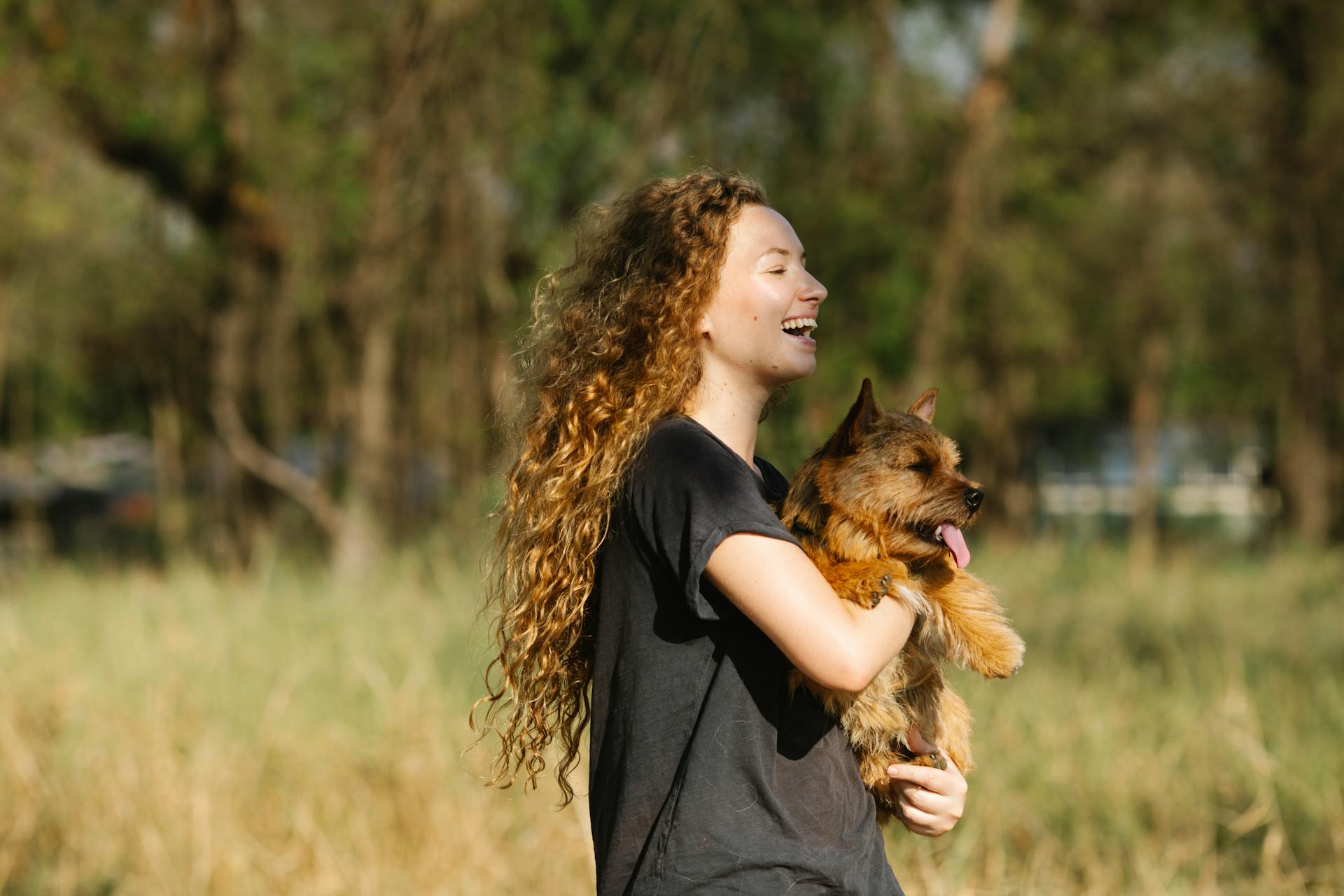
The Lhasa Apso is a low-maintenance dog when it comes to exercise, happy with several short walks each day.
They're not high-energy dogs, so they won't bounce off the walls when cooped up on a rainy day.
Housetraining can be a challenge, so crate training is a good idea.
It's essential to be patient during training, as this breed can take a long time to mature mentally.
Daily brushing is a must to prevent matting and tangling of their long coat.
A bi-monthly bath is also recommended to keep their coat clean and healthy.
Some owners opt for a "puppy cut" style to make grooming easier, but both hairdos are adorable.
Brushing your dog's teeth every day is a good habit to get into, and use dog toothpaste to avoid any harm.
Regular nail trims and ear cleaning are also essential parts of Lhasa Apso care.
Monitoring their food and exercise is crucial to prevent weight gain and keep your dog healthy.
Broaden your view: Is a Pomeranian a Good Dog
What Is Poo?
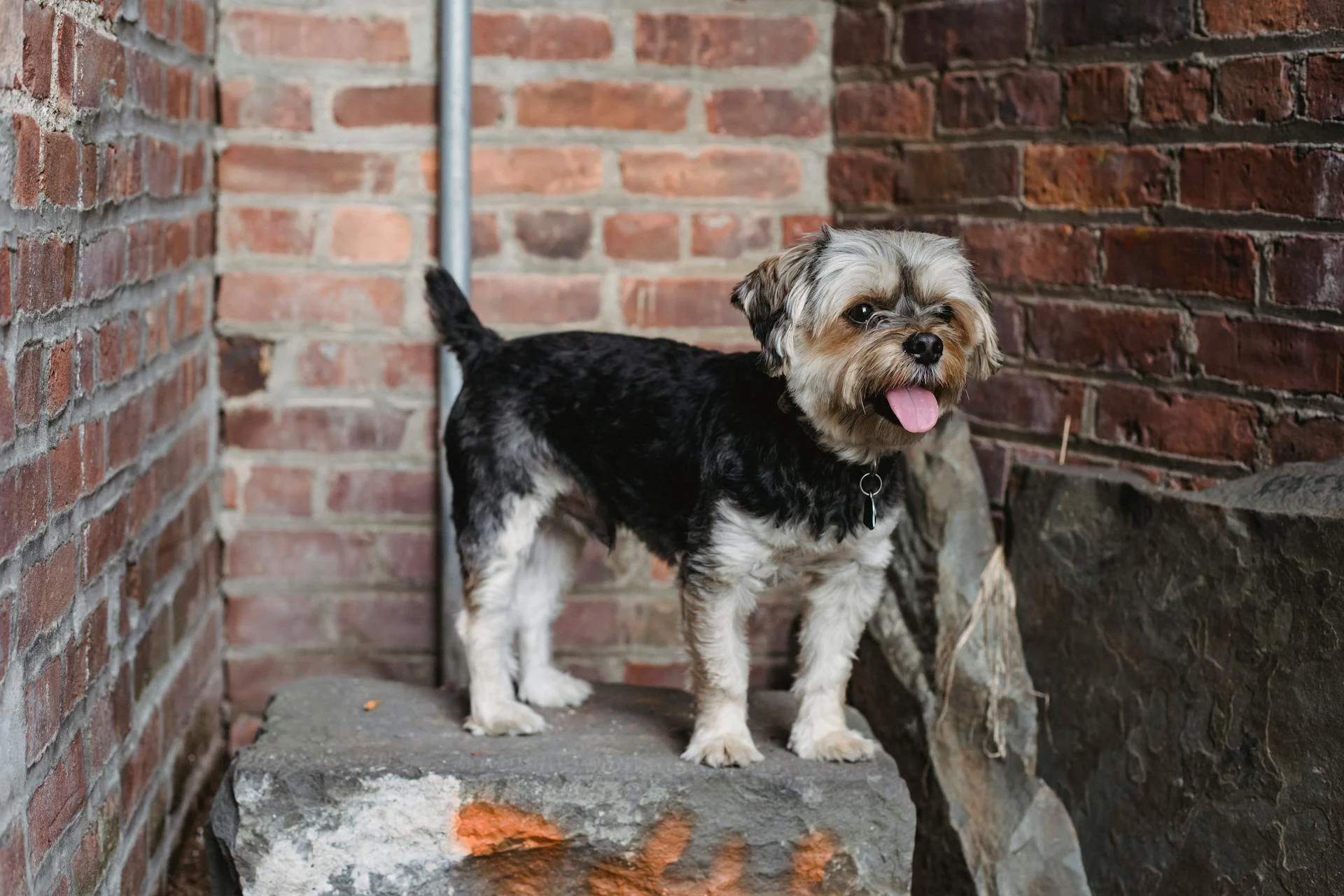
Poo is a term used to describe a type of dog mix that combines a Poodle with another breed, such as a Lhasa Apso. Poo breeds are often sought after for their low-shedding coats.
Poodles are known for their intelligence and trainability, which makes them a great addition to a mixed breed. The Poodle's low-shedding coat is also a major draw for people with allergies.
Poo breeds, like the Lhasapoo, can be quite small in size, making them a popular choice for city dwellers or those with limited space.
A unique perspective: Does Mini Aussie Shed
Living Needs
Lhasa apsos are loyal dogs that thrive in households with adults and children who respect their boundaries. They make great family pets if everyone understands to give them space.
They can tolerate being left alone for reasonable periods, but may alert you to unexpected events with their keen hearing. This can be a concern if you live in a neighborhood with noise restrictions.
A 20-minute walk once or twice a day, along with some playtime in the house or yard, is a suitable exercise routine for Lhasa apsos.
Living Needs
Lhasas are loyal to their tribe and do well with adults and children who respect their boundaries.
They can make great family pets, even with small children, as long as the children understand to give the dog some space. This requires direction from parents to ensure a harmonious household.
Lhasas can tolerate being left alone for reasonable periods of time, but may alert you to unexpected events with their keen hearing.
A 20-minute walk once or twice a day and some playtime in the house or yard will meet their moderate exercise needs.
Their small size might make them seem ideal for apartment living, but their bark can be a concern for neighbors.
New owners should be patient and understand that it can take time for a Lhasa apso to adjust to their new surroundings.
If this caught your attention, see: Is Lhasa Apso Good for First Time Owners
Children and Pets
Living with kids and pets requires careful consideration. Children are probably not at the top of the Lhasa's list of favorite things, and he'll nip if they're too rowdy.
If you have older children who understand how to handle a Lhasa Apso gently, it can work out well. He's not advised for families with young or rowdy kids.
The Lhasa Apso can get along with other dogs if properly socialized and trained. He likes to be the top dog, so he's often the leader.
Given proper introductions and training, the Lhasa Apso can also get along with other pets.
Cost of Poop
The cost of owning a Lhasapoo can add up quickly, with prices ranging from $1500 to $3000 for a puppy, depending on the breeder.
You'll also need to factor in the cost of vaccinations, which are a must for any new puppy.
Some unscrupulous breeders may try to sell their puppies at cheap prices, but be wary of these deals as they often come with health risks.
You'll likely spend around $15,000 to $22,000 or more on your Lhasapoo's lifetime expenses, including food, training, grooming, and pet insurance.
Regular grooming is a must for Lhasapoos, which can be time-consuming and costly, especially if you're not doing it yourself.
See what others are reading: How Much Does a Lhasa Apso Cost
Return

Returning home after a long day is a must for any Lhasa Apso, and they need a comfortable space to rest. Males stand 10 to 11 inches high and weigh 13 to 11 pounds, so a cozy dog bed is a great idea.
Lhasa Apsos are relatively small dogs, but they still need room to move around. Females are slightly smaller than males, so a small to medium-sized house or apartment can work well for this breed.
To keep your Lhasa Apso happy and healthy, make sure to provide regular exercise and playtime. A daily walk and some playtime in the yard will help them get the physical activity they need.
A quiet and peaceful environment is also essential for Lhasa Apsos, so consider keeping them indoors or in a quiet outdoor area. They can be sensitive to noise and stress, so it's best to keep their living space calm and relaxed.
Frequently Asked Questions
Do Lhasa Apso stay small?
Yes, Lhasa Apsos are small dogs, typically standing 9-11 inches tall and weighing 12-18 pounds. They remain a compact size throughout their lifespan.
What two dogs make a Lhasa Apso?
The Lhasa Apso is a cross between the Tibetan terrier and other herding-type Tibetan dogs. Its ancestry is rooted in ancient Tibetan breeds.
Featured Images: pexels.com