Lapdogs have a long history dating back to ancient civilizations, where they were bred as companions for royalty and nobility. They were often small, fluffy, and affectionate, which made them perfect lap warmers.
The Pekingese, a popular lapdog breed, originated in China over 2,000 years ago. They were highly valued for their loyalty and companionship.
Lapdogs were often given as gifts to royalty and nobility, symbolizing wealth and status. They were also known to be pampered and indulged, with their own elaborate beds and luxurious grooming.
Origin
Lapdogs have been around for thousands of years, with evidence of their existence dating back to ancient times.
The tiny Maltese breed was documented in Malta as far back as 2000 BC. The Pekingese has a history that stretches back 2000 years in China.
Tibetan monks bred Lhasa Apsos, the forerunners of Lhasapoos, 800 years ago. Chihuahuas have an uncertain history, but their lineage goes back as far as ancient Mayan times.
Having a lapdog was once a luxury limited to nobility, as it was a way to keep themselves warm in chilly castles and unheated bedrooms. In France, Miniature Poodles were popular with nobility as hand warmers in the 1600s.
The Cavalier King Charles Spaniel is a lapdog breed with a royal history, originating in England during the early 1600s. They were highly valued by nobility and even traveled with their owners.
Pugs have a long history, documented by Confucius as far back as 551 BC. They were prized possessions of Chinese emperors for centuries.
Lapdog Characteristics
Lapdogs are known for their affectionate nature, often described as Velcro dogs because they love to be close to their owners and can become anxious if separated.
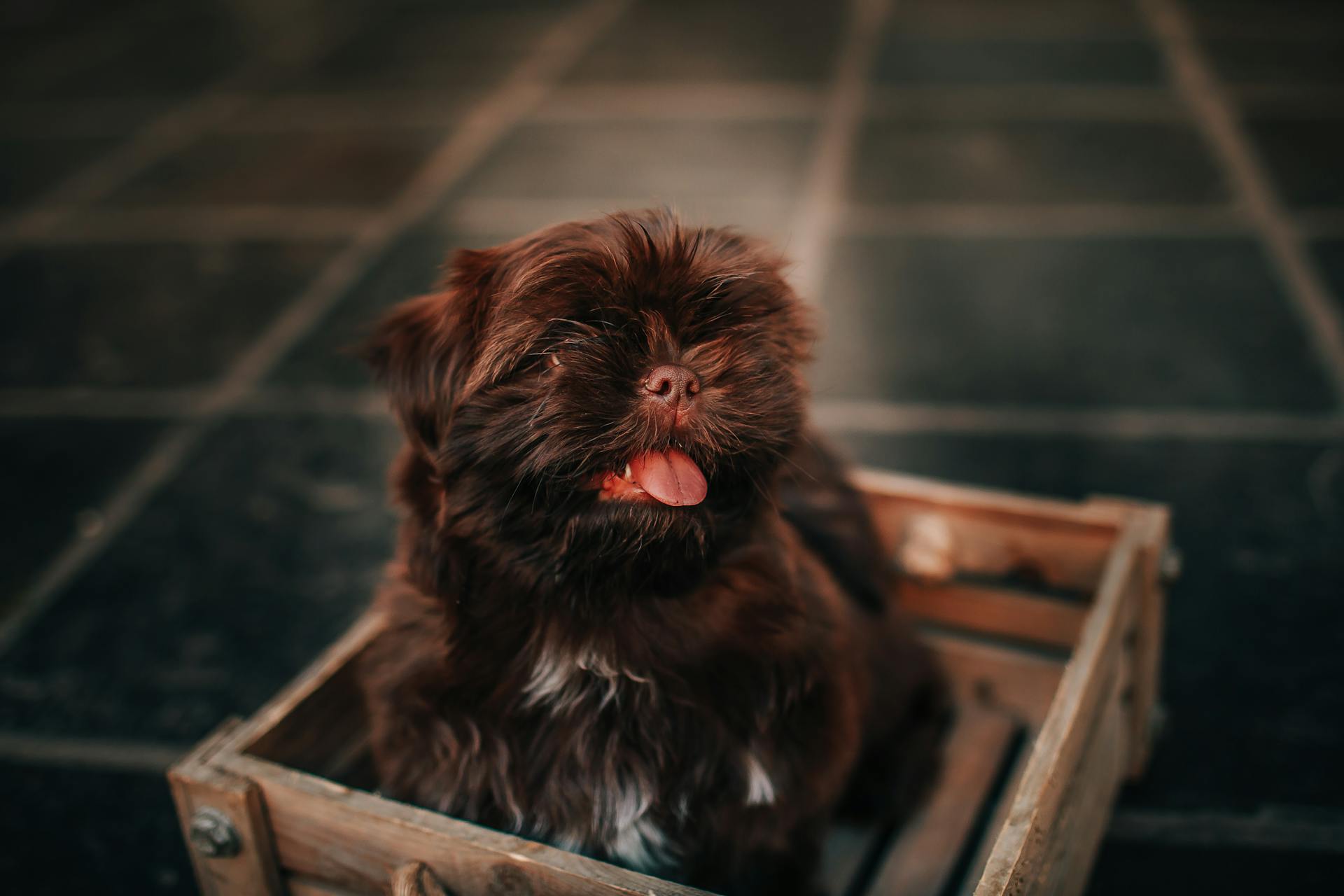
They are generally small in size, weighing between 7 and 18 pounds, making them a great companion for apartment dwellers.
Lapdogs are bred to be lap companions, not high-energy working dogs, and as such, they require minimal exercise.
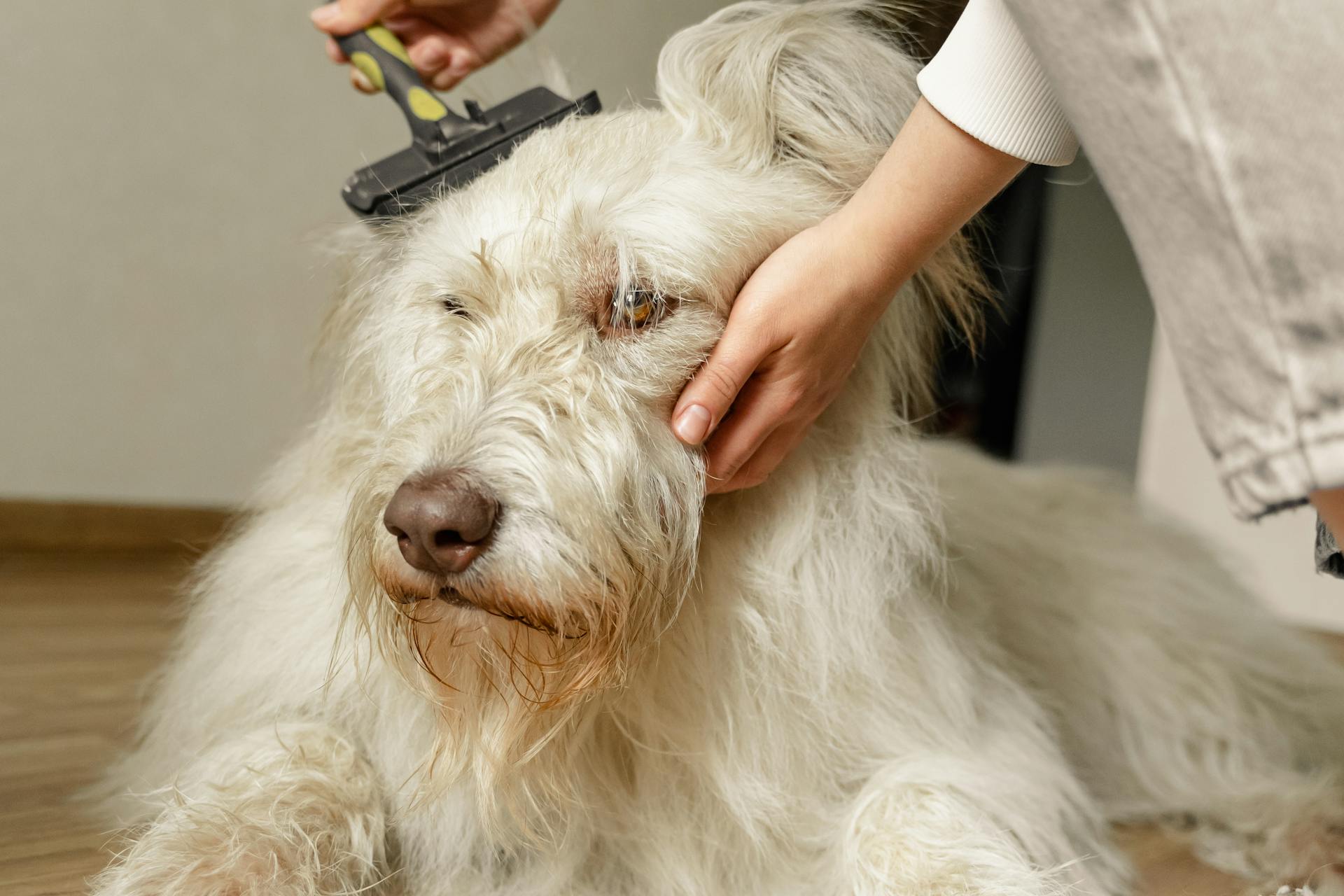
Their short coats require minimal grooming, making them a low-maintenance pet choice for busy owners.
Lapdogs are intelligent but can be stubborn at times, requiring patient and consistent training.
Their loyalty and affection towards their owners are unmatched, making them a beloved pet for many families.
The Lapdog Legacy
Two hundred years have passed since the zenith of the lapdog, and one shift was already taking place towards the end of the 18th century. The lapdog expressed the virtues of that time, but also embodied its perceived vices – such as consumerism gone mad.
Marie Antoinette commissioned dog beds made with silk cushioning, showcasing the extravagance of the era. One such niche chien is on display at the Metropolitan Museum in New York.
The French queen's mother, writing from Vienna, had warned that people would laugh at her daughter's devotion to dogs. Social satire was rife, mocking ladies who indulged their pooches with comfort – whether at home or about town.
But satirical sketches portraying lapdogs as an effeminate luxury dissipated towards the century's end, and the side-swipes continued, but a general moral panic abated. The 18th century wasn't all canine love, cuddles, and doggy cushions.
In fact, the era also spoke to the most perverse version of consumer logic, where enslaved people were given similar names to dogs, and were even forced to entertain. This topic demands more scrutiny and sensitivity than is possible in a brief history.
For some Britons, pets reinforced a comfortable sense of superiority over their species, cultures, and classes, but for others, pet keeping led to questioning of all these hierarchies. In Germany, canaries were used to think through both individual freedom, and the relative merits of absolute monarchies.
Cavalier King Charles Spaniel
The Cavalier King Charles Spaniel is a toy dog that originated in England during the early 1600s.
They're relatively small, standing at 12 to 13 inches tall and weighing around 13 to 18 pounds.
Their fur is extremely soft and silk-like, making them a joy to cuddle.
They adore napping closely to their owners, but they'll also enjoy playing and being active if that's a part of their owner's lifestyle.
They're a great choice for families with smaller living spaces because of their compact size.
Their sweet expression is a testament to their loving nature.
Frequently Asked Questions
What is a lapdog slang?
A lapdog is a person who blindly follows and obeys the orders of someone more powerful or influential, often without questioning their motives or actions. This term is often used in a disapproving manner to describe someone who lacks independence or autonomy.
Featured Images: pexels.com