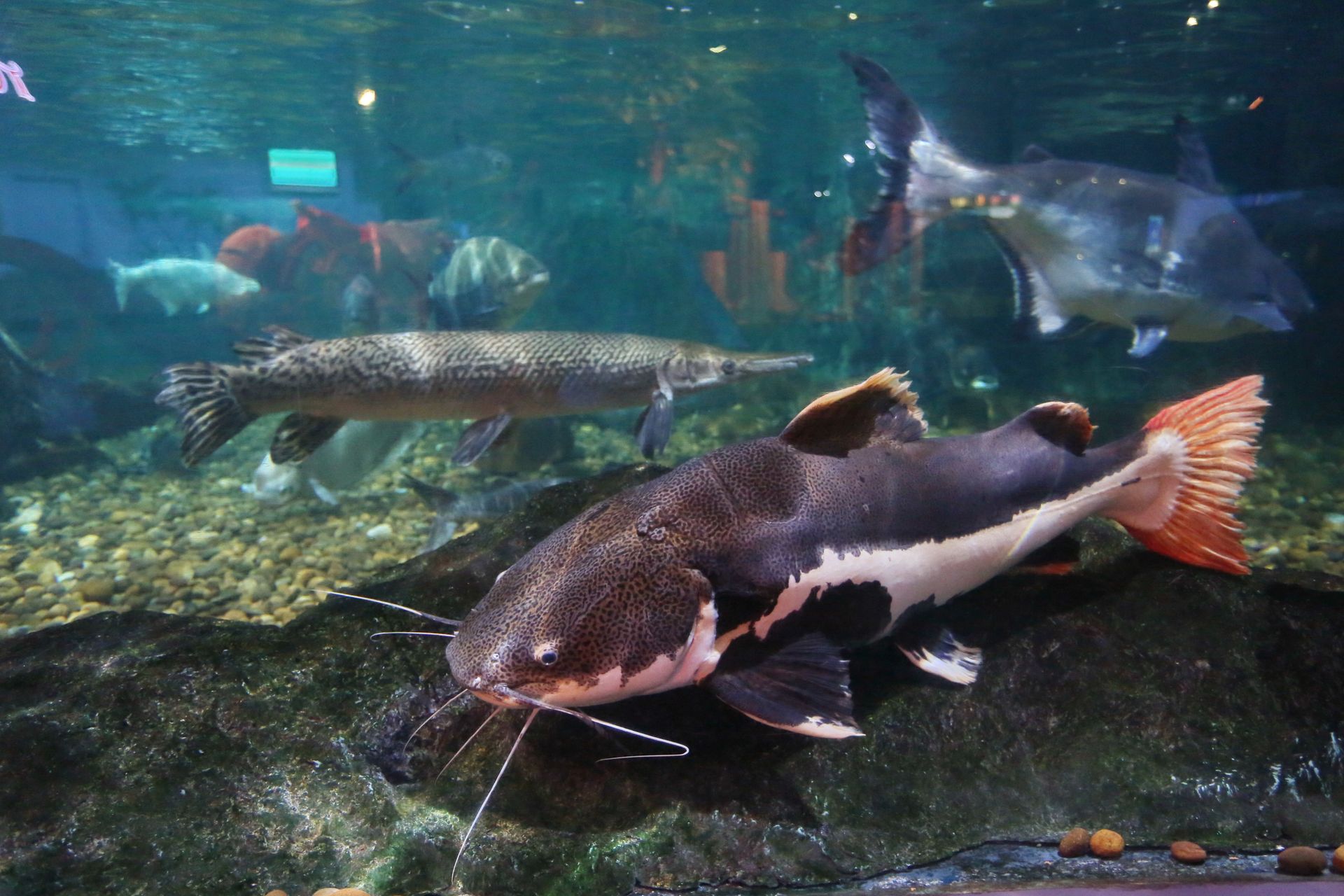
Kryptopterus vitreolus is a fascinating species that can thrive in a well-maintained aquarium. It's a glass catfish, so you can expect it to be transparent.
In the wild, Kryptopterus vitreolus inhabits slow-moving waters in Southeast Asia, where it feeds on small insects and crustaceans. This species is a great choice for aquarists who want to create a unique and low-maintenance aquarium.
The ideal water temperature for Kryptopterus vitreolus is between 72°F and 82°F, with a pH range of 6.0 to 7.5. This species is relatively tolerant of water hardness, but it's still essential to maintain stable water parameters.
Kryptopterus vitreolus is a peaceful species that can be kept with other community fish, but it's best to avoid keeping it with fin-nippers or aggressive species.
In Captivity
The aquarium trade for Kryptopterus vitreolus relies heavily on wild-caught specimens.
This is a concern because the volume of caught fish may be unsustainable due to the species' limited range.
They are often caught in the wild in places like the Phru To Daengpeat swamp forest in Narathiwat province, deep south Thailand.
Unfortunately, it's not known if Kryptopterus vitreolus can be bred at commercial facilities, making wild-caught specimens the primary source for the aquarium trade.
Habitat and Care
The glass catfish, also known as the ghost catfish or phantom catfish, is a unique and fascinating species that requires a specific environment to thrive.
They are native to the clear, slow-moving rivers and streams of Southeast Asia, primarily in Thailand, Laos, and Cambodia.
To replicate their natural habitat, you'll want to create a calm tank with tannin-stained water, plenty of live plants, branches, and other décor.
Subdued lighting and slow water flow also help to create a comfortable environment for these peaceful, shy fish.
In the wild, glass catfish are schooling creatures that do best in groups of at least 5 to 6 individuals.
Here are some recommended plants to add to your tank to create a biotope environment:
- Crypt (Cryptocoryne sp.)
- Water wisteria (Hygrophila difformis)
- Java moss (Taxiphyllum barbieri)
- Java fern (Leptochilus pteropus; ideal beginner plant)
- Dwarf Rotala (Rotala rotundifolia)
- Rice paddy herb (Limnophila aromatica)
- Dwarf water lily (Nymphaea rubra; perfect to diffuse the light)
- Asian watermoss (Salvinia cucullata; floating plant)
- Bucephalandra (native to Borneo, but a big favorite for Southeast Asian tanks)
A fine substrate like sand or smooth gravel is best for this species, as their delicate bodies can be damaged by sharp or rough substrates.
To ensure the health and well-being of your glass catfish, always ensure your tank is fully cycled and free of nitrites and ammonia before introducing any fish.
Diet and Nutrition
Kryptopterus vitreolus, also known as the glass catfish, is a carnivorous fish that thrives on a diet rich in protein. They mostly eat bugs, including insect larvae and terrestrial insects like beetles and flies.
In the aquarium, glass catfish will accept small commercial flakes or pellets, but it's essential to mix it up with various live and frozen foods for the best results. Here are some examples of what you can feed them:
- Brine shrimp
- Daphnia
- Bloodworms
- Wingless fruit flies
- Mosquito larvae
- Various worms (grindal, glass, black)
Feeding your glass catfish at night, when the tank lights are off, can be beneficial if you keep them with tankmates, as it helps prevent them from being outcompeted by other fish. Remove any leftovers the next morning to keep the tank clean.
Breeding and Genetics
Breeding glass catfish is a challenging task, and so far, only a handful of people have managed to get them to breed in captivity. Scientists have had some success with induced breeding, which involves injecting the fish with hormones to stimulate egg maturation.
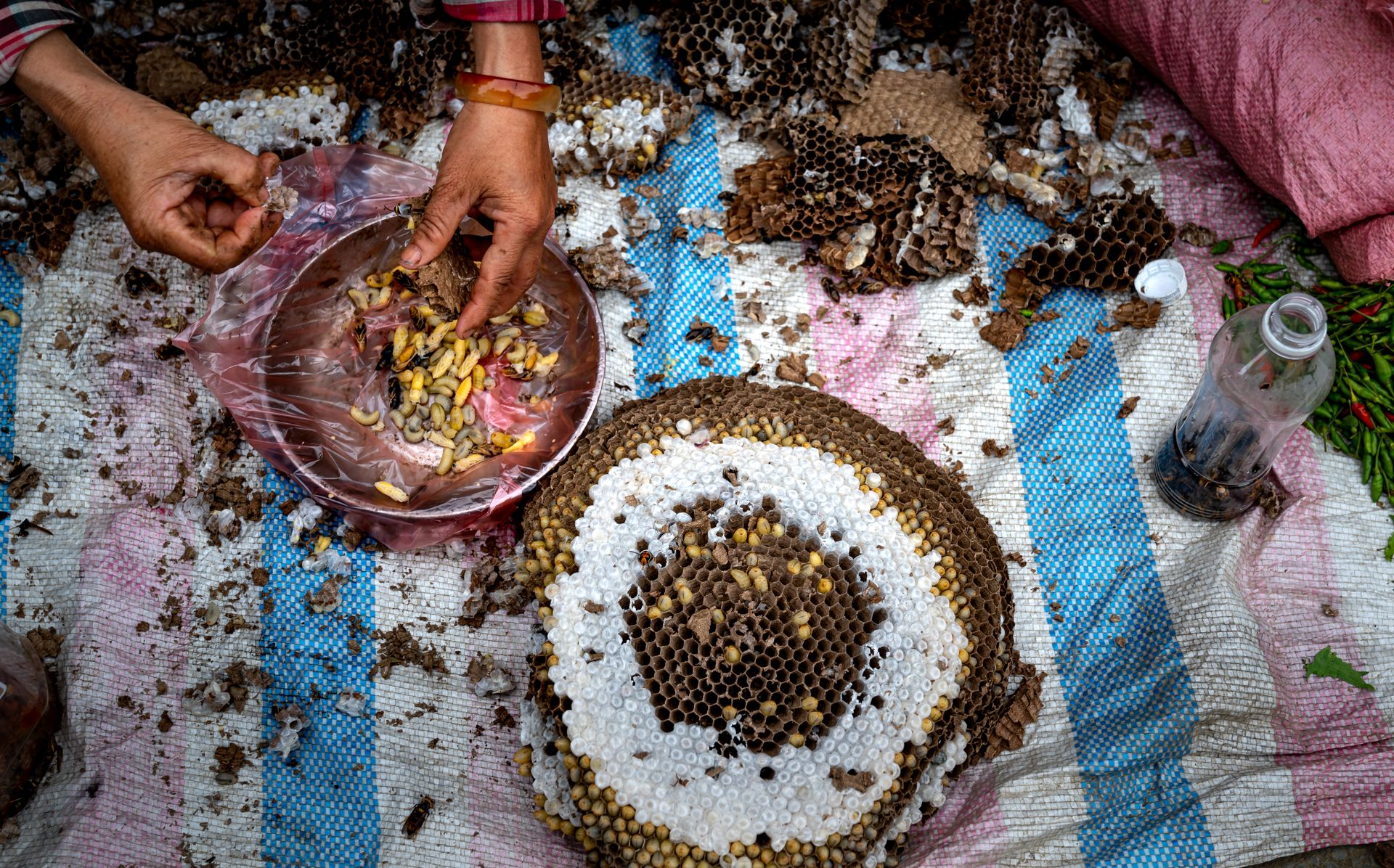
The eggs of glass catfish are round, yellow, and sticky. They hatch at a temperature of around 77 °F after just 21.5 hours.
Larvae hatch at about 2.8mm in length and finish their yolk sacs at 3-4 days of age. Once they've finished their yolk sacs, they're around 6mm in length, which suggests they can handle baby brine shrimp and small species of Daphnia.
Breeding Glass Catfish
Breeding glass catfish can be a challenging task, but with the right knowledge, you might just succeed. It's great to see that scientists have managed to breed them in captivity using induced breeding, which involves injecting hormones to stimulate egg maturation.
Unfortunately, this method isn't suitable for home aquarists, and only a handful of people have achieved success in breeding glass catfish. The eggs are round, yellow, and sticky, and the fry hatch after just 21.5 hours at a temperature of around 77 °F.
You might like: Synodontis Petricola Catfish
The larvae are quite small, measuring about 2.8mm in length when they hatch, and finish their yolk sacs at 3-4 days of age. They're likely to be hungry by then, so it's a good idea to start feeding them baby brine shrimp and small species of Daphnia.
Here are some key facts about breeding glass catfish:
- Eggs are round, yellow, and sticky.
- Fry hatch after 21.5 hours at 77 °F.
- Larvae are 2.8mm in length when they hatch.
- Larvae finish their yolk sacs at 3-4 days of age.
Genome Size Estimation by K-Mer Analysis
Genome size estimation is a crucial step in understanding the genetic makeup of an organism. Routine k-mer analysis of frequency distribution was performed to predict the genome size of the glass catfish.
Approximately 30-fold clean reads were collected for 17-mer analysis. This was done using kmerfreq v.1.0 with optimized parameters.
The kmerfreq tool was used with the following parameters: -k 17 and -l fq.list. The output was redirected to a file named 17mer.freq and the log was saved to 17mer.log.
Prediction of Genes in Pigment Cell Development
Genes involved in melanophore and iridophore development were predicted by consulting various published studies on melanophore and iridophore synthesis pathways.
Researchers used the Ensembl and NCBI databases to download relevant genes and corresponding protein sequences for zebrafish and medaka.
These protein sequences were aligned to the assembled glass catfish genome using tBLASTn v.2.2.28 with an e-value threshold of 10.
Best-hit alignments with putative target genes showing over 50% identity and alignment ratio were further filtered and processed using a Perl script.
GeneWise v.2.2.0 was employed to predict target genes among the best-hit alignments from the glass catfish genome.
In cases where gene loss was identified, corresponding tBLASTn alignments were manually validated.
Frequently Asked Questions
Are ghost catfish aggressive?
Ghost catfish are known to be calm and non-aggressive, making them a great choice for community aquariums
Can glass catfish live in a 20 gallon tank?
Yes, glass catfish can live in a 20-gallon tank, but a larger tank with plenty of hiding spots is recommended for their well-being. A 20-gallon tank is the minimum size required, but a larger tank will provide a more comfortable environment.
Featured Images: pexels.com