The Korean dog meat trade is a complex issue that has sparked heated debates and protests worldwide. The majority of Koreans, about 70%, do not consume dog meat.
Many Koreans believe that dog meat has health benefits, such as lowering blood pressure and reducing inflammation. However, there is no scientific evidence to support these claims.
In South Korea, around 1 million dogs are consumed annually, with the majority being raised on dog farms or captured from the streets. The dog meat industry is a significant contributor to the country's economy, generating an estimated 20 billion won (approximately $17 million) in annual revenue.
Dog meat is primarily consumed during the summer months, with the peak season being from June to September.
History of Dog Meat
The history of dog meat in Korea is complex and has evolved over time. Scholars agree that dog meat has never been a key part of the Korean diet, but it's understood to have had some cultural significance.
Archaeological evidence suggests that Koreans may have started consuming dog meat as far back as the Neolithic period (6000–2000 BCE), alongside other early civilizations in East Asia. Dog bones from this period display signs of dog meat consumption.
During the Silla and Goryeo dynasties, the practice was uncommon due to Buddhism being the state religion. Eating meat was generally discouraged during this time. Certain government officials during the Joseon Dynasty argued that dogs were human companions and advocated a ban on the consumption of dog meat.
Dog meat was seen as a delicacy during the Joseon period (1392–1897), although it was still not widely consumed. Some people reserved its consumption for special days, including hot summer days, funerals, and sixtieth birthday celebrations.
Take a look at this: Dog Meat Consumption in South Korea
Early History
The history of dog meat consumption in Korea dates back to the Neolithic period, around 6000-2000 BCE, where it's believed to have been consumed alongside other early civilizations in East Asia.
Archaeological evidence from this time suggests that dog bones were found with signs of dog meat consumption, and dogs were also used as companion animals.
A wall painting in the Goguryeo tombs complex in North Korea, a UNESCO World Heritage site, dates from the 4th century CE and depicts a slaughtered dog.
During the Silla and Goryeo dynasties, Buddhism was the state religion, leading to a general discouragement of eating meat, including dog meat.
The practice of consuming dog meat was uncommon during these periods, but there is evidence that it was seen as a delicacy during the Joseon Dynasty.
Dog meat was reserved for special occasions, such as hot summer days, funerals, and hwangap celebrations, which marked a person's sixtieth birthday.
A poem written in 1816 by the son of a prominent scholar, Chŏng Yagyong, described a woman serving boiled dog meat to her in-laws, highlighting its consumption in rural areas.
The 1849 book Dongguksesigi contains a recipe for the dog meat dish bosintang, which was often associated with the consumption of dog meat on the three hottest days of summer, known as Sambok.
A fresh viewpoint: Dog Meat Consumption in Vietnam
Key Background
The practice was once widespread, but its popularity has been declining in recent years, especially among younger generations. In fact, a 2022 survey found that 85.5% of respondents said they do not currently eat dog meat, and 14.1% said they do.
Dog meat consumption is most common among older men, who believe it offers health benefits. However, this practice is not widely accepted, and many South Koreans do not regularly eat dog meat.
In 2019, fewer than 100 restaurants served dog meat in Seoul, and the numbers have continued to decline each year. Some restaurants are reporting declines in consumption of 20–30% per year.
A 2022 Chosun Ilbo report found that customers of the dog meat market tended to be foreigners or elderly (above 70 years old).
Related reading: Dogs Eat Lunch Meat Turkey
Dog Meat Industry
The dog meat industry in South Korea is a concerning issue. Dogs are intensively farmed for human consumption, often kept in appalling conditions with minimal food and water.
Many dogs suffer from disease and malnutrition, and are subjected to cruel killing methods, with electrocution being the most common practice. The majority of South Koreans do not regularly eat dog meat, but it's primarily consumed by older men who believe it offers health benefits.
Dog meat is traditionally eaten as a soup called boshintang, which some believe invigorates the blood and combats lethargy, or as gaesoju, a tonic sold in traditional medicine shops.
Dog Meat Production
Dogs are intensively farmed in South Korea for human consumption.
They are often kept in appalling conditions, with minimal food and water, and housed outdoors in small cages without protection from extreme temperatures.
Many dogs suffer from disease and malnutrition due to neglect.
The methods used to kill them are exceptionally cruel, with electrocution being the most common practice.
Dog meat is primarily consumed by older men, who believe it offers health benefits.
This mistaken belief is a major driver of dog meat consumption in South Korea.
The majority of South Koreans do not regularly eat dog meat, making it a relatively niche market.
Dog meat is traditionally eaten as a soup called boshintang, which some believe invigorates the blood and combats lethargy.
Consider reading: South Korean Dog Meat Farm Rescue
Dog Meat Sales
In some countries, dog meat is sold in markets and restaurants, often labeled as " exotic" or "game" meat.
Dog meat is a significant business in countries like South Korea, where it's estimated that over 1 million dogs are consumed annually.
In South Korea, dog meat is typically sold in markets called "boshintang" or "gaegogi" markets, where it's displayed alongside other meats.
The dog meat trade in South Korea is a multibillion-dollar industry, with some estimates suggesting it generates over $2 billion in revenue each year.
Dog meat is often sold in small portions, with prices ranging from $10 to $50 per kilogram.
Consider reading: South Korean Parliament Endorses Bill Outlawing Dog Meat Consumption.
Legal Status
South Korean President Moon Jae-in considered a legal ban on dog meat in 2021, sparking controversy.
This move gained strong support from animal rights groups, who see it as a step towards ending the dog meat trade. However, not everyone agrees with the idea of a ban.
Some politicians, like People Power Party spokesman Yang Joon-woo, argue that the state should not regulate individual tastes or eating habits. This perspective highlights the complexities of addressing dog meat culture in South Korea.
For another approach, see: Ban Shock Collars
A key figure in the debate is Yoon Suk Yeol, who later became president of South Korea, and criticized the liberal camp for failing to distinguish between pet dogs and dogs raised for meat. This distinction is a crucial point in the debate.
In 2017, politician Ahn Cheol-soo pledged to gradually ban dog meat eating during the presidential election, showing that there is some support for change within the country's politics.
International Response
The international community has been vocal about South Korea's dog meat consumption, with some notable examples of criticism and ridicule. Brigitte Bardot, head of La Fondation Brigitte Bardot, launched a campaign during the 2002 FIFA World Cup to have dog meat outlawed in South Korea and encouraged a boycott of the games unless a ban took place.
Animal rights groups like PETA have also put pressure on the South Korean government to address the issue. The organizers of the 2002 FIFA World Cup demanded that the South Korean government re-address the dog meat issue, leading to a ban within the four gates of downtown Seoul.
South Korean migrant workers living abroad and diaspora children have faced discrimination, bullying, and racism due to the stereotype of South Koreans eating dog meat. This stereotype has persisted, even though eating dog meat is not a widespread practice in South Korea.
In 2021, Park Ji-Sung, a fan-favorite former soccer player for Manchester United, asked the soccer club's fans to stop singing a song in his honor that includes the stereotype that South Koreans eat dog meat.
Curious to learn more? Check out: Can Dogs Get Cwd from Eating Deer Meat
Progress and Controversy
In recent years, a significant shift has taken place in South Korea's attitude towards dog meat consumption. According to a 2020 survey, 84% of South Koreans stated that they have never consumed dog meat and had no plans to consume it in the future.
The majority of South Koreans do not consume dog meat, and a growing population recognizes dogs as companion animals, not edible. This change in attitude has been reflected in the declining numbers of dog meat restaurants and markets.
The 2018 Winter Olympics played a significant role in bringing attention to the dog meat trade, with a petition on Change.org gathering over 450,000 signatures calling for a boycott of the event. The issue was also debated in the UK Parliament, with a second debate held in 2016.
In 2019, a study found that farmed dogs had over twice as high levels of cortisol in hair compared to pet dogs, suggesting that dogs on meat farms experience "chronic physiological stress". This finding has contributed to the growing public opposition to the dog meat trade.
The South Korean government has taken steps to address the issue, with the National Assembly passing legislation banning the dog meat industry in 2024. The law will take full effect in 2027, with a three-year phase-out period in place.
Consider reading: Korean Dog Meat Trade
Progress
South Korea's National Assembly passed legislation banning the dog meat industry in January 2024, making the breeding, slaughter, and sale of dogs for human consumption illegal by 2027.
This law is a result of almost a decade of campaigning by HSI/Korea and local groups, who have been working tirelessly to raise awareness and push for change.
By 2019, all major dog meat markets had shut down across South Korea, mainly due to declining sales, and fewer than 100 restaurants served dog meat in Seoul, out of over 520,000 restaurants in Greater Seoul.
In 2021, the last major dog meat market remaining shut down in Daegu, marking a significant milestone in the country's efforts to phase out the industry.
HSI has worked collaboratively with dog meat farmers who wish to leave the industry, signing contracts with them and supporting them in transitioning to more humane and profitable businesses.
Since 2015, HSI has shut down 18 dog meat farms and rescued over 2,500 dogs, finding them loving homes in the United States, Canada, the United Kingdom, and the Netherlands.
The South Korean government plans to assist in rehoming nearly half a million dogs bred for food, as part of preparations for the dog meat ban set to take effect in 2027.
Violators of the law could face up to three years in prison, or a maximum fine of 30 million won, providing a clear incentive for those involved in the industry to transition away from it.
Controversy
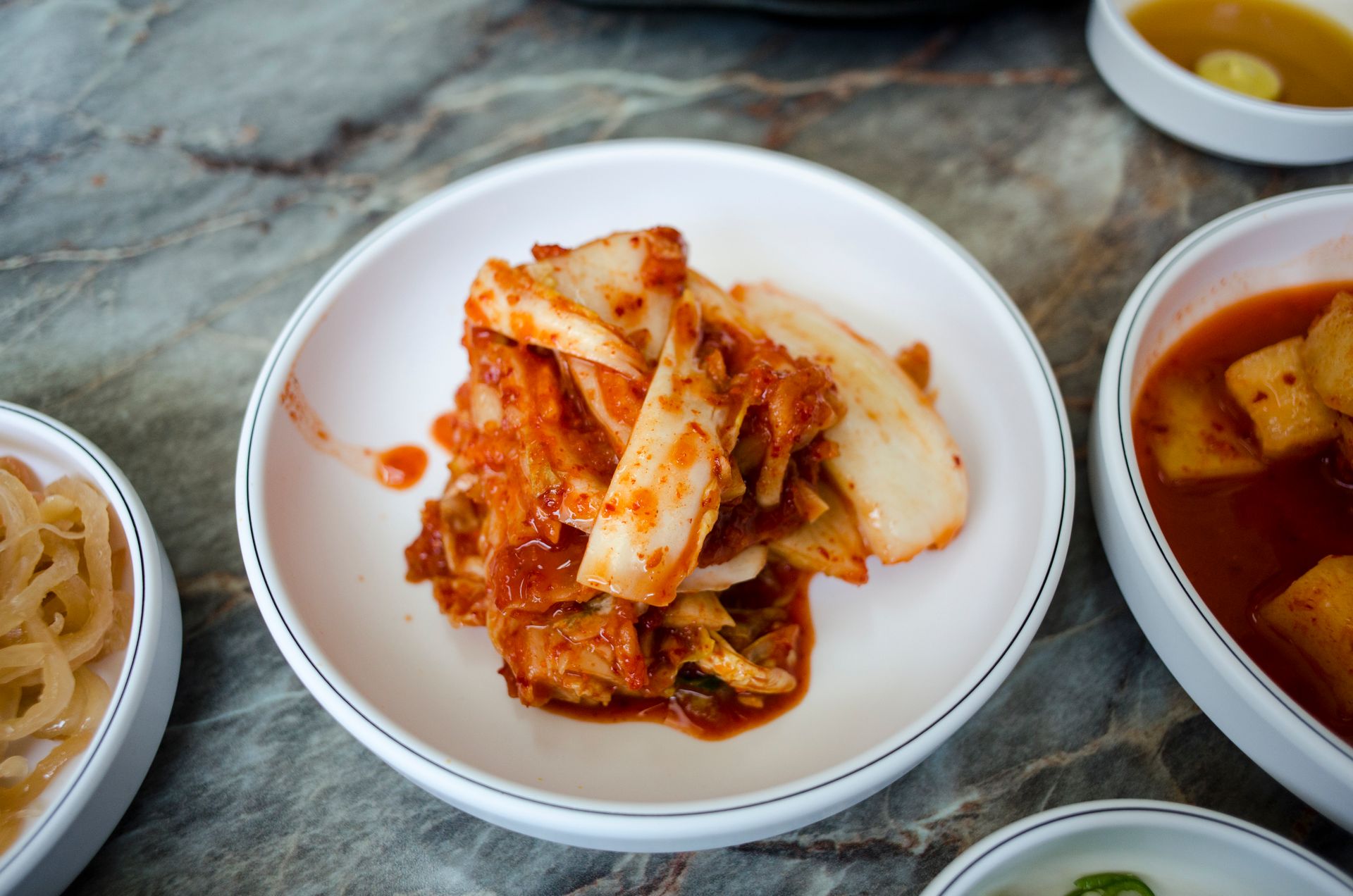
The controversy surrounding dog meat consumption in South Korea is a complex issue. A minority of people in the country regularly consume dog meat, predominantly as Bosintang, which is thought to have medicinal properties.
Most South Koreans, however, do not consume dog meat and have no plans to in the future, with 84% of respondents stating this in a 2020 survey. This is a significant shift in attitude, especially among younger generations who increasingly view dogs as companion animals rather than a food source.
The South Korean government has faced pressure from animal welfare organizations to ban dog meat consumption. In 2018, a petition with over 1 million signatures was hand-delivered to the President's residence, urging him to initiate a phase-out of dog meat farms.
A 2019 study found that farmed dogs experience "chronic physiological stress" due to the harsh conditions on meat farms. This is evident in the fact that farmed dogs had over twice as high levels of cortisol in their hair compared to pet dogs.
Key Facts
South Korea's national assembly has voted to pass a law banning the breeding, slaughter, and sale of dogs for human consumption.
The law was passed with 208 votes in favor and 2 abstentions, a rare show of bipartisan support in South Korea's otherwise divided political landscape.
Those who break the law will face up to three years in prison or a fine of around $23,000.
The law will be enforced in 2027 after a three-year grace period, but it will reportedly outlaw the setting up of new dog farms, cooking and processing facilities, and slaughterhouses immediately.
There are around 1,150 dog farms and 1,600 restaurants selling dog meat across South Korea.
Dog meat has been eaten in South Korea for centuries, often as part of a stew called "boshintang".
Featured Images: pexels.com