Knee patella subluxation is a condition where the patella (kneecap) slips out of place, causing pain and discomfort. This can happen due to a variety of factors, including muscle imbalances and poor tracking of the patella in the knee joint.
The patella is normally held in place by a combination of muscles, tendons, and ligaments, but in individuals with patella subluxation, this balance is disrupted, allowing the patella to slip out of place. This can cause the knee to feel unstable or wobbly.
Symptoms of patella subluxation can include a sudden, sharp pain in the front of the knee, as well as a feeling of the patella slipping or moving out of place. In some cases, the patella may even dislocate completely, which can be a more serious and painful experience.
Treatment for patella subluxation typically involves a combination of physical therapy and exercises to strengthen the muscles around the knee and improve patellar tracking.
What Is Patella Subluxation?
Patella subluxation occurs when the kneecap partially slips out of its normal position in the groove, but still tracks in the groove. This can cause discomfort and instability in the knee.
The kneecap may feel like it's "giving away" as it moves, and you may hear a popping noise as it shifts. This sound is often accompanied by pain and swelling.
Some common symptoms of patella subluxation include visible deformity, severe knee pain, and swelling. You may also experience a buckling or catching sensation in your knee, or feel like your knee is locking up.
The symptoms can vary in severity, but they often make it difficult to perform everyday activities like squatting or walking up and down stairs. This is because the kneecap may not be tracking properly, causing instability and discomfort.
Here are some common symptoms of patella subluxation:
- Visible deformity
- Severe knee pain
- Swelling
- Popping sound or sensation
- Buckling or catching of your knee
- Locking of your knee
- Instability of your knee
- Inability to squat or walk up and down stairs
- Feeling of your knee “giving away”
Diagnosis and Treatment
Diagnosis of knee patella subluxation typically involves a physical examination, where your healthcare provider will bend and straighten your leg and feel around your kneecap to assess the extent of the subluxation.
Your provider will also ask about your symptoms and what led to your kneecap sliding out of place. They may perform subluxation tests and request imaging tests such as a knee X-ray, MRI scan, or CT scan to confirm the diagnosis.
A thorough diagnosis is crucial in determining the best course of treatment.
Conservative treatment options for knee patella subluxation include the RICE method, NSAIDs like ibuprofen, immobilization with a knee brace or cast, and physical therapy to stretch and strengthen the muscles surrounding your knee.
If your symptoms persist, your provider may recommend surgery, which can include procedures such as lateral release, MPFL repair, MPFL reconstruction, or osteotomy.
Diagnosis & Tests
A diagnosis of patella subluxation typically involves a physical examination to check for symptoms such as pain, limited range of motion, and difficulty bearing weight. Your healthcare provider will also ask questions about the incident that led to the kneecap sliding out of place.
To assess the knee, a doctor may perform subluxation tests and request imaging tests such as a knee X-ray, MRI scan, or CT scan.
A physical examination of the knee may reveal signs such as fluid in the knee, limited range of motion, and difficulty in bearing weight. These symptoms can indicate a patella subluxation.
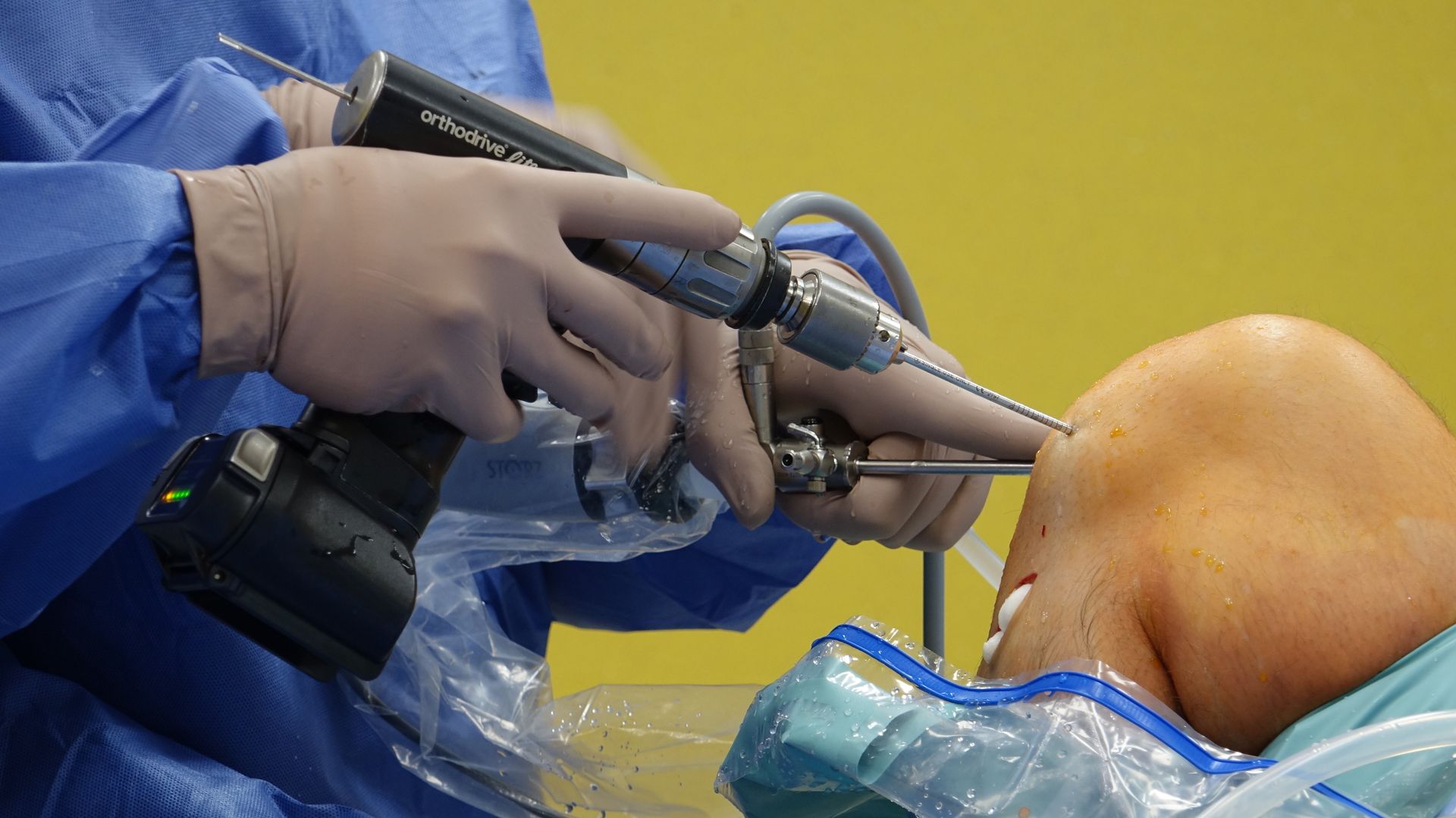
In some cases, surgery may be necessary to repair the damage to the knee. If surgery is required, an arthroscope may be used to assess the damage.
Here are some common imaging tests used to diagnose patella subluxation:
- Knee X-ray
- MRI scan
- CT scan
A doctor may also use Merchant views, which can show static patellar subluxation at a specific knee flexion angle.
Lateral Release
Lateral release is a surgical procedure that was once the standard treatment for patellar subluxation, but it's now rare due to its high risk of recurrence.
In this procedure, ligaments on the outside of the knee are partially cut to prevent them from pulling the kneecap to the side.
This can help improve patella positioning, but it's often performed with other realignment procedures.
Lateral release is no longer the go-to solution for patellar subluxation, and it's usually considered a last resort.
The procedure involves cutting the lateral retinaculum of the knee, which can help improve patella positioning.
However, the risks associated with lateral release are significant, and it's not a recommended treatment for many patients.
Prevention and Management
Preventing patellar subluxation requires a combination of strengthening your leg muscles and wearing protective gear. You can prevent a subluxated patella by getting physical activity that strengthens all your leg muscles.
Wearing knee pads when playing contact sports can also help prevent injuries. If you've injured your kneecap before, wearing a knee brace can help prevent it from happening again.
Certain exercises can help strengthen your leg muscles and reduce the chance of knee injuries. These include exercises that strengthen your quadriceps, such as squats and leg lifts, as well as hamstring curl exercises.
To reduce your risk for patellar subluxation, add these exercises to your routine:
- exercises that strengthen your quadriceps, such as squats and leg lifts
- exercises to strengthen your inner and outer thighs
- hamstring curl exercises
If you've already had a kneecap injury, wearing a brace can help prevent recurrence.
Nonoperative Management
Nonoperative Management is often the first line of treatment for patellar subluxation. Unfortunately, it's not always successful, and patients with continued symptoms after 3–6 months of non-operative treatment may need to consider surgical intervention.
RICE (rest, icing, compression, and elevation) is a common first step in nonoperative management. This simple technique can help reduce pain and inflammation.
Nonsteroidal anti-inflammatory drugs (NSAID), such as ibuprofen (Advil, Motrin), can also be used to manage pain and inflammation. However, it's essential to follow the recommended dosage and consult with a healthcare provider before taking any medication.
Physical therapy can be an effective way to strengthen the muscles around the knee and improve patellar tracking. Vastus lateralis strengthening, in particular, can be helpful.
Crutches or a cane can help take weight off the knee and reduce stress on the patellofemoral joint. This can be especially helpful during the initial stages of nonoperative management.
Braces or casts may be recommended to immobilize the knee and allow it to heal. Specialized footwear can also help decrease pressure on the kneecap.
It's worth noting that even with nonoperative management, there's still a 33 percent chance of a recurrence after a patellar subluxation.
Recovery Time
Recovery time for a subluxated patella can vary depending on the severity of your condition and the treatment you received.
If it's your first subluxation and you didn't need surgery, you may be able to recover within four to six weeks with physical therapy.
Your healthcare provider will likely recommend physical therapy to help you determine a timeline for recovery.
If you've had more than one subluxation, major damage, or needed surgery, your recovery time will take longer.
You may be able to resume light activities within six to eight weeks, but it could take a year or more before you're able to play sports.
It's essential to follow your healthcare provider's recommendations and work with a physical therapist to ensure a successful recovery.
For your interest: Types of Dog Knee Surgery
When to See a Healthcare Provider
If you're experiencing any symptoms that might indicate a patellar subluxation, it's essential to see your healthcare provider.
Pain and swelling in your knee are common signs to look out for.
An inability to put weight on your leg is another symptom that requires medical attention.
A popping or buckling sensation in your knee can be a sign of patellar subluxation.
If the kneecap appears to be popping out of its groove, don't hesitate to seek medical help.
Here are some specific signs to watch out for:
- Pain and swelling
- An inability to put weight on your leg
- A popping or buckling sensation
- The kneecap appears to be popping out of its groove
Care and Treatment Options
Conservative treatment options are often the first line of defense for patellar subluxation. A healthcare provider may recommend a combination of rest, ice, compression, and elevation (RICE) to help alleviate pain and inflammation.
Nonsteroidal anti-inflammatory drugs (NSAIDs) like ibuprofen can also be prescribed to reduce pain and swelling. Immobilization with a knee brace or cast may be necessary to keep the knee stable, especially in cases of severe subluxation.
Physical therapy can be an effective way to strengthen the muscles surrounding the knee and improve balance and proprioception. A healthcare provider may also recommend orthotics, such as special shoes, to reduce pressure on the patella.
In some cases, surgery may be necessary, especially if symptoms persist for several months or if there have been multiple episodes of subluxation. The most common surgical options include lateral release, medial patellofemoral ligament (MPFL) repair, and MPFL reconstruction.
Here are some nonsurgical treatment options:
- RICE (rest, icing, compression, and elevation)
- NSAIDs, such as ibuprofen (Advil, Motrin)
- Physical therapy
- Crutches or a cane to take weight off the knee
- Braces or casts to immobilize the knee
- Specialized footwear to decrease pressure on the kneecap
It's worth noting that after a patellar subluxation, there's about a 33% chance of a recurrence.
Operative Management
Conservative methods may not be enough for patellar subluxation treatment, especially if symptoms persist for several months or if there have been multiple episodes.
Surgical options include lateral release, a procedure that cuts the lateral retinaculum of the knee to improve patella positioning.
Medial patellofemoral ligament (MPFL) repair and reconstruction are also surgical options, with MPFL reconstruction being an arthroscopic surgery that involves reconstructing the ligament using a small piece of tendon taken from the hamstring muscle.
Osteotomy is another surgical option, which involves cutting the tibia at certain angles for realignment of the tibia, patella, femur, and connective tissues.
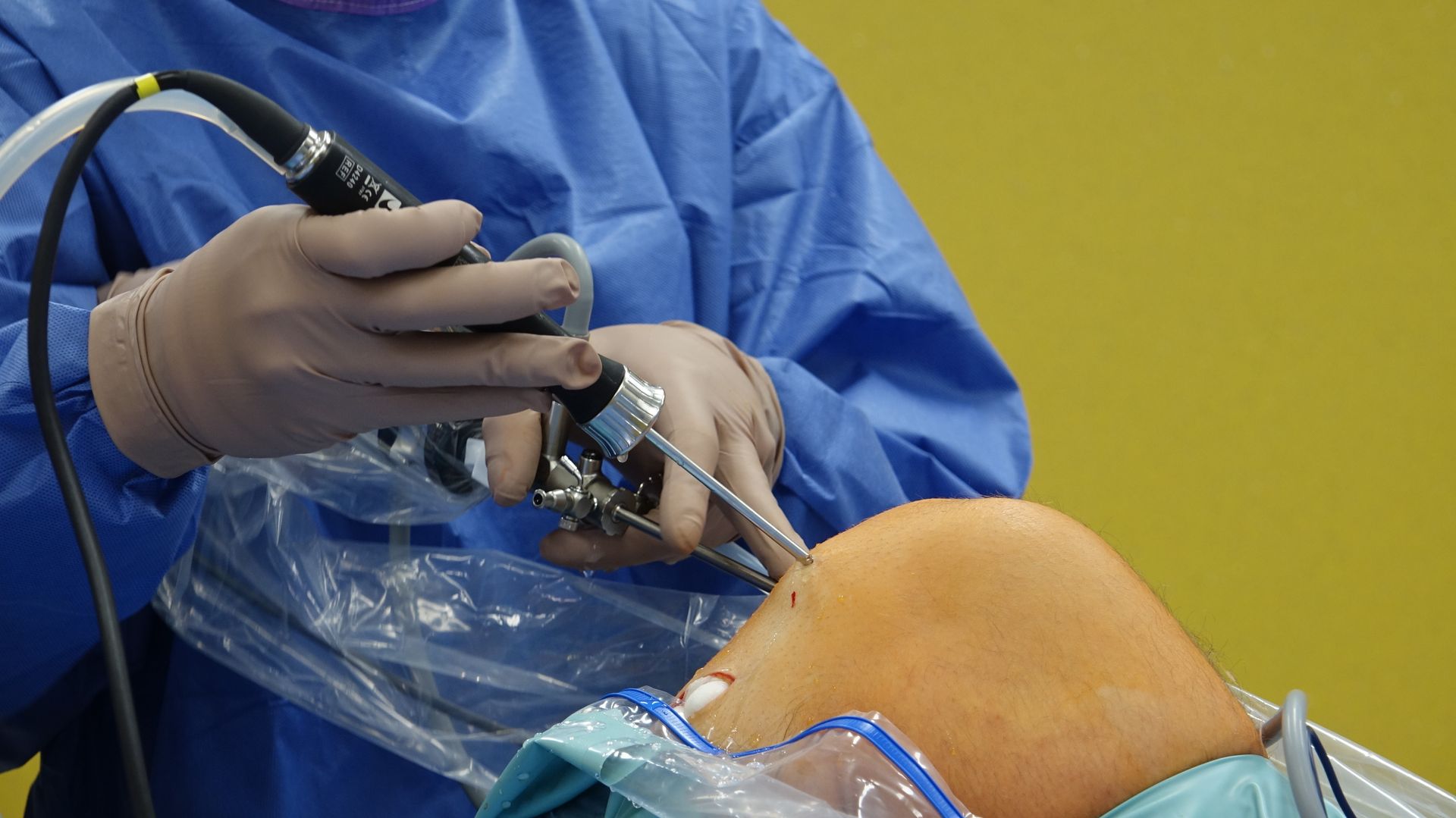
Releasing tissue, shifting the attachment of the patellar tendon, and reconstruction of the MPFL are the three most common types of surgery for patellar subluxation.
The type of surgery recommended depends on the individual case, with patients with minor trochlear dysplasia being able to undergo MPFL reconstruction without interfering with distal growth plate of the femur.
In adult patients with recurrent LPD and without trochlear dysplasia or type A or C according to Dejour classification, MPFL reconstruction alone might be beneficial.
The following table summarizes the three most common types of surgery for patellar subluxation:
What Questions to Ask My Healthcare Provider
When seeking care and treatment for a subluxated patella, it's essential to be prepared with the right questions for your healthcare provider.
You should ask your healthcare provider about the treatment options they recommend. This will help you understand the best course of action for your specific situation.
Will you need surgery? This is a crucial question to ask, as it will give you a clear understanding of the potential next steps in your care.
Your healthcare provider can also help you understand how likely you are to experience a recurrence of the subluxation.
To prevent another subluxated patella, you should ask your healthcare provider what steps you can take.
Here are some specific questions to ask your healthcare provider:
- What treatment options do you recommend?
- Will I need surgery?
- How likely am I to experience a recurrence?
- What can I do to prevent another subluxated patella?
Care at Cleveland Clinic
Cleveland Clinic experts can craft a treatment plan to get you back to your regular pace of life. Knee pain can be debilitating, but with the right care, you can get back to doing the things you love.
Conservative treatment methods, such as the RICE method and physical therapy, may be recommended to alleviate symptoms. Nonsteroidal anti-inflammatory drugs (NSAIDs) like ibuprofen (Advil, Motrin) can also help reduce pain and inflammation.
In some cases, surgery may be necessary to realign the kneecap. The most common types of surgery include releasing tissue (lateral release), shifting the attachment of the patellar tendon (patellar realignment), and reconstruction of the medial patellofemoral ligament (MPFL).
A knee brace or cast may be used to immobilize the knee and prevent further injury. Specialized footwear can also help decrease pressure on the kneecap.
After a patellar subluxation, there is a 33 percent chance of recurrence. This is why it's essential to work with a healthcare provider to develop a treatment plan that addresses your specific needs.
Here are some nonsurgical treatment options:
- RICE (rest, icing, compression, and elevation)
- NSAIDs (nonsteroidal anti-inflammatory drugs), such as ibuprofen (Advil, Motrin)
- Physical therapy
- Crutches or a cane to take weight off the knee
- Braces or casts to immobilize the knee
- Specialized footwear to decrease pressure on the kneecap
Outlook / Prognosis
The outlook for individuals with this condition is generally good with proper treatment.
In fact, studies have shown that with early intervention, most people can manage their symptoms and improve their quality of life.
With a combination of medication and lifestyle changes, it's possible to reduce the frequency and severity of episodes.
For example, research has demonstrated that a specific medication can reduce symptoms by up to 70% in some patients.
However, it's essential to work closely with a healthcare provider to find the right treatment plan, as everyone's needs are different.
Regular follow-up appointments and monitoring can help identify any potential issues before they become major problems.
Case Studies and Examples
A 39-year-old woman underwent a lateral retinacular release, tibial tubercle transfer, and vastus medialis advancement 2 years prior to presenting with achy pain at rest and acute episodes of patella shifting and popping.
Her symptoms persisted despite an MPFL reconstruction and hardware removal a year prior.
A tight MPFL graft and medial patella tilt were found on examination.
A lateral radiograph and MRI showed an anterior and proximally positioned femoral tunnel.
A 33-year-old woman underwent a tibial tubercle transfer with MPFL allograft reconstruction for patellofemoral instability at an outside institution.
She presented to the office with continued pain and instability, a positive medial subluxation test, medial patella tracking and tilt, and pain over the medial retinaculum.
MRI revealed an anteriorly placed MPFL femoral tunnel.
A 19-year-old woman with Ehlers-Danlos disease had undergone bilateral lateral retinaculum releases for patellofemoral instability.
She then had a left MPFL reconstruction with autograft, but continued to experience symptoms.
A lateral radiograph showed an anteriorly placed MPFL femoral tunnel.
Medical Evaluation and Treatment
A medical evaluation and treatment for knee patella subluxation typically starts with conservative methods. Your healthcare provider may recommend the RICE method, which involves rest, ice, compression, and elevation to help reduce pain and swelling.
Conservative treatment options also include taking nonsteroidal anti-inflammatory drugs like ibuprofen to manage pain and inflammation. Immobilization with a knee brace or cast may be necessary to keep your knee stable.
If conservative methods don't work, your provider may recommend surgery, which can include procedures like lateral release to improve patella positioning or medial patellofemoral ligament repair to strengthen the ligaments holding your patella in place.
Surgical options may also include osteotomy, which involves cutting your tibia at certain angles to realign your tibia, patella, femur, and connective tissues.
Patient History
Patients typically complain of a dramatic, painful patellofemoral popping sensation with certain knee movements.
This condition can be quite disabling and can severely limit activities.
Patients often report that the patella shifts laterally and this condition can easily be mistaken for lateral patellofemoral instability.
However, the patella is actually subluxed medially in full extension.
Anterior knee pain, swelling, "giving away" episodes, and difficult navigating stairs are common symptoms.
Patients are substantially disabled by this condition, with 85% unable to perform light recreational activities.
A significant number of patients, 69%, report severe or disabling knee pain.
Physical Exam
A physical exam is crucial in diagnosing medial patella dislocation. The examiner should look for signs such as static medial patella subluxation, notable vastus lateralis atrophy, or a visible and palpable lateral patella void.
The standard patellofemoral exam should be performed to assess patella glide, crepitus, lateral apprehension, tracking, and alignment. The examiner should pay close attention to medial patella translation, which is greater than 2 quadrants in cases of medial patella dislocation.
The medial patella subluxation test is a key diagnostic tool. With the knee in full extension, the examiner applies a medial translational force to the patella, then flexes the knee. Pain, instability, or dramatic reproduction of the patient's symptoms occurs in the first 30 degrees of knee flexion.
The gravity subluxation test is another useful tool. The patient is placed in the lateral decubitus position, with the affected leg abducted in the air. A positive test is shown by the inability to pull the subluxed patella laterally into the trochlear groove.
Imaging studies are often nonspecific for the diagnosis of medial patella dislocation, so a physical exam is usually the best way to make a diagnosis.
General Information
Medial patella subluxation is a disabling condition that can be quite painful. It's often associated with previous patellofemoral instability surgery.
Patients with this condition typically describe achy pain with painful popping episodes. The patella shifts laterally, and the pain occurs as the medial subluxed patella dramatically shifts into the trochlear groove during early knee flexion.
Nonoperative treatment, such as focused physical therapy and patellofemoral stabilizing brace, is often unsuccessful. This means that trying to fix the issue with just exercises and a special brace might not work.
Primary surgical options include lateral retinacular repair/imbrication or lateral reconstruction. These are more invasive treatments that may be necessary to fix the problem.
Prevention is key to avoid medial patella subluxation. If you're considering patellofemoral surgery, it's essential to carefully consider the factors involved.
Related reading: Knee Brace
Frequently Asked Questions
What does a subluxated knee feel like?
A subluxated knee often feels like the kneecap has shifted or moved out of place, and may return to its normal position on its own, but sometimes requires medical attention. The sensation can range from mild discomfort to severe pain, depending on the underlying cause.
Does patellar subluxation go away?
Yes, patellar subluxation can go away on its own, but recovery time varies from 4-6 weeks with proper treatment and physical therapy. A full recovery is possible with the right care and support.
Is it OK to walk with patella subluxation?
Walking with patella subluxation may be possible, but it depends on the severity of the injury and can cause further pain or instability
What is the recovery time for patellar subluxation surgery?
Recovery from patellar subluxation surgery typically takes 6-12 months, with the first few weeks requiring immobilization in a brace or cast. Full recovery time may vary depending on the severity of the subluxation and individual lifestyle factors.
How long to wear a knee brace after a patella dislocation?
Wearing a knee brace after a patella dislocation typically lasts from a few weeks to several months, depending on the severity of the injury and individual recovery progress
Featured Images: pexels.com