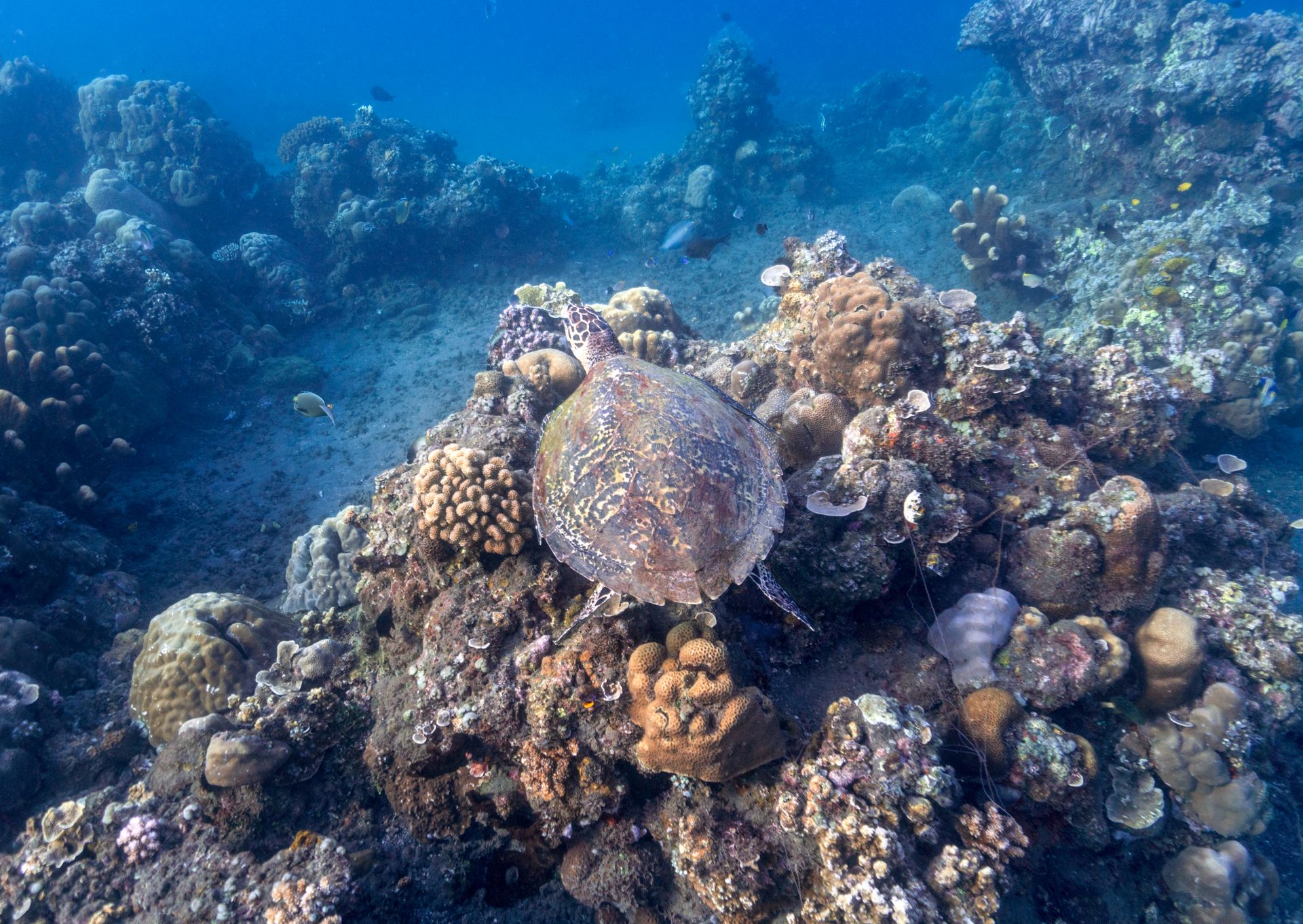
The Kinosternidae family is home to some pretty cool turtles, and I'm excited to share more about them. They are commonly known as American mud and musk turtles.
These turtles are found in a variety of habitats, including freshwater environments like rivers, lakes, and wetlands. They can also be found in brackish and marine environments.
One of the most distinctive features of Kinosternidae turtles is their distinctive musky odor, which they use for defense. This smell is caused by a secretion from their musk glands.
Kinosternidae turtles are relatively small, with most species reaching a shell length of less than 10 inches.
Description and Taxonomy
Kinosternids are small turtles, typically ranging from 10-15 cm (3.9-5.9 in) in carapace length. Most species are small, but some, like the genus Staurotypus, can grow up to 30 cm (12 in) in length.
Females are generally larger than males, but males have much longer tails. Kinosternids can be black, brown, green, or yellowish in color. Most species do not have shell markings, but some species have radiating black markings on each carapacescute.
Some species of kinosternids, like the Razorback musk turtle, have distinctive yellow striping along the sides of the head and neck. They are native to North America and South America.
Additional reading: Snakes in North America
Description
Most kinosternids are small turtles, ranging from 10-15 cm (3.9-5.9 in) in carapace length.
The highly domed carapace has a distinct keel down its center, which is a notable feature of these turtles.
The genus Staurotypus gets much larger, reaching a carapace length of up to 30 cm (12 in).
Females are generally larger than males, but males have much longer tails.
Kinosternids can be black, brown, green, or yellowish in color, and most species do not have shell markings.
Some species have radiating black markings on each carapace scute, while others have distinctive yellow striping along the sides of the head and neck.
Taxonomy
The Kinosternidae family is a group of turtles that includes several genera and species. This family is divided into two subfamilies: Kinosterninae and Staurotypinae.
The subfamily Kinosterninae includes the genus Kinosternon, which contains several species, such as the Red-cheeked mud turtle (Kinosternon scorpioides cruentatum) and the Striped mud turtle (Kinosternon baurii).
The subfamily Staurotypinae includes the genus Staurotypus, which contains a single species, the Staurotypus salvinii.
Here is a list of some of the genera and species within the Kinosternidae family:
- Genus Kinosternon: includes the Red-cheeked mud turtle (Kinosternon scorpioides cruentatum), the Mississippi mud turtle (Kinosternon subrubrum hippocrepis), and the Striped mud turtle (Kinosternon baurii)
- Genus Sternotherus: includes the Razorback musk turtle (Sternotherus carinatus)
- Genus Staurotypus: includes the Staurotypus salvinii
The Kinosternidae family is part of the larger group of turtles known as Testudines.
Reproduction and Physical Characteristics
Kinosternids lay about four hard-shelled eggs during the late spring and early summer.
Some species overwinter in a subterranean nest, emerging the following spring, while others spend the winter on land, constructing a burrow with a small air hole used on warm days.
Female kinosternids, such as the yellow mud turtle, sometimes stay with the nest and may urinate on the eggs long after laying, to either keep them moist or to protect them from snake predation.
The upper shell, or carapace, is rather tall, giving each turtle the outline of half a flattened ball when viewed from the side.
The lower shell, or plastron, looks different in separate species, with some having one or two hinges reaching from the left to the right side of the shell.
Males and females look quite similar, but males usually have thicker and longer tails that are tipped with a spine, and two rough, scaly patches on each hind leg.
Reproduction
Reproduction in kinosternids is quite fascinating. They lay about four hard-shelled eggs during the late spring and early summer.
Some species of kinosternids overwinter in a subterranean nest, emerging the following spring. This behavior is quite unique.
Females of some kinosternid species, like the yellow mud turtle, exhibit parental care by staying with the nest and urinating on the eggs. This may help keep the eggs moist or protect them from predators.
Kinosternids in the genera Claudius and Staurotypus exhibit genetic sex determination. In Staurotypus, this is XY sex determination, and the same is suspected to be true of Claudius.
Kinosternon and Sternotherus, on the other hand, have temperature-dependent sex determination, which is typical of turtles.
Physical Characteristics
American mud and musk turtles have some pretty unique physical characteristics. They have glands along their sides that produce a musky substance that smells like a skunk's spray.
The upper shell, or carapace, is rather tall, giving each turtle the outline of half a flattened ball when viewed from the side. This shape helps protect their bodies from predators.
Some species have a plastron with one or two hinges, which allows the plastron and carapace to pull tight against each other after the turtle pulls its head, neck, legs, and tail into the shell. This is a clever adaptation for their survival.
Most mud and musk turtles have barbels, which are small bits of flesh that dangle from the chin. A few species have very large heads.
The largest species, the Mexican giant musk turtle, has a carapace that reaches 15 inches long. This is significantly larger than most other species in the family.
Males and females look quite similar, but males usually have thicker and longer tails that are tipped with a spine. They also have two rough, scaly patches on each hind leg.
Here's a breakdown of the sizes of some mud and musk turtle species:
Species in Family
The species in the Family Kinosternidae are predominantly carnivorous, feeding on a variety of prey including fish, amphibians, and insects.
They also have a taste for snails and worms, which are likely an important source of nutrition for these animals.
Their diet consists mainly of protein-rich foods, helping them to thrive in their environments.
Species in Family
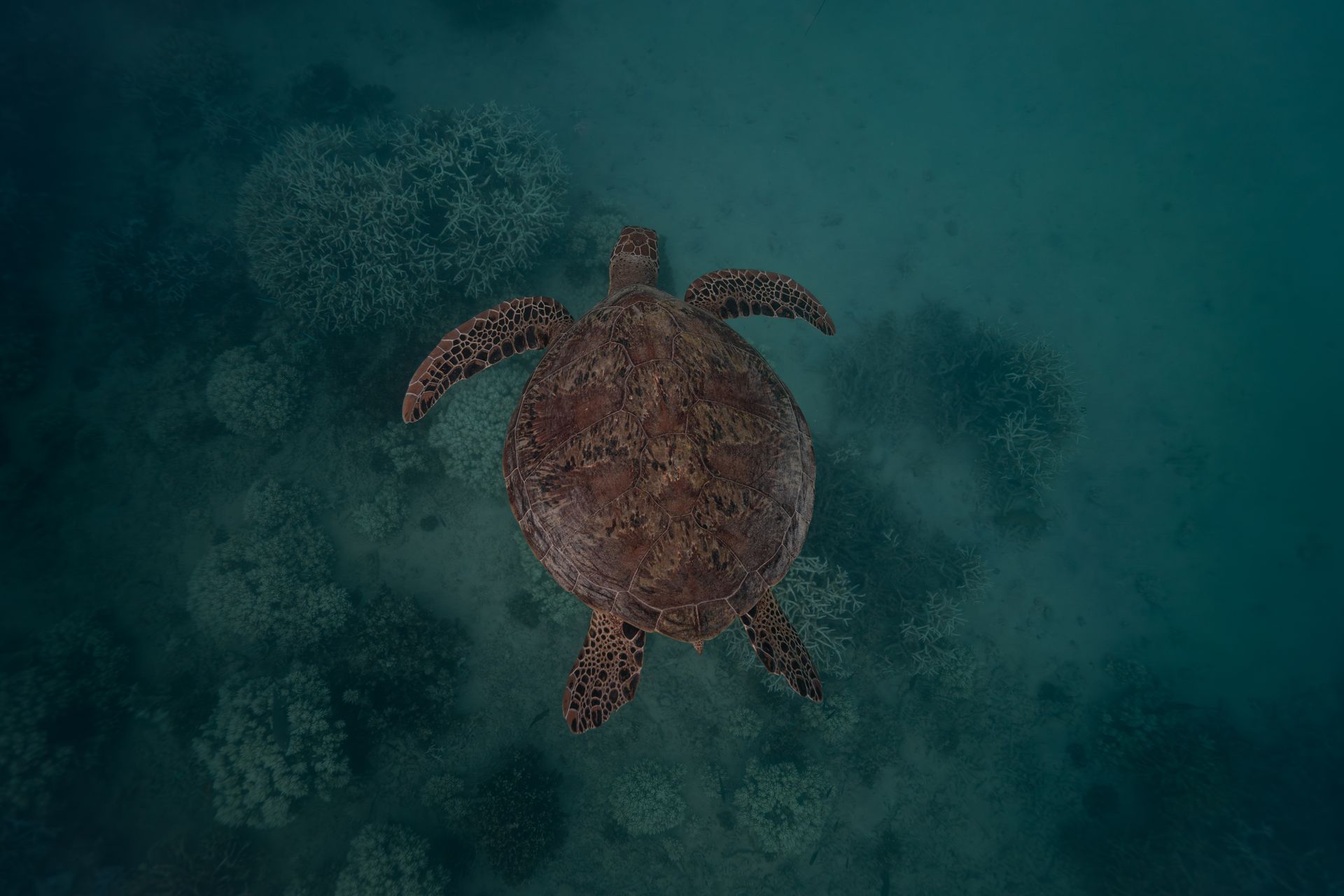
The Kinosternidae family is home to some fascinating creatures. The species in this family are predominantly carnivorous, feeding on a wide variety of food sources.
Fish are a common meal for these species, and they're not picky eaters. They'll also chow down on amphibians, insects, snails, and worms.
Related Families
The Kinosternidae family has a close relative in the Dermatemydidae family. This family is made up of just one species, the hickatee, also known as the Central American river turtle.
The hickatee looks very much like mud and musk turtles, with some key similarities in their skeletal characteristics.
Species
The Kinosternidae family consists of small to medium-sized turtles that are predominantly carnivorous and feed on a variety of prey, including fish, amphibians, insects, snails, and worms.
Some species within this family, such as the Striped Mud Turtle, are easily identified by their distinctive coloration and patterns. The Striped Mud Turtle, for example, has three yellow to orange stripes on its dark-colored carapace.
The species within the Kinosternidae family can be found in a range of habitats, including brackish ponds, forested areas, marshes, and cypress swamps. They are known to be adaptable and can thrive in a variety of environments.
Here are some key species within the Kinosternidae family, along with their length and conservation status:
These species are an important part of their ecosystems, playing a vital role in maintaining the balance of nature.
Genus Sternotherus
Genus Sternotherus is actually not mentioned in the article section facts, but I can still write a section for you about a different genus that is mentioned. Here's a section on the genus Kinosternon:
The Kinosternon genus is home to several species of freshwater turtles, including the Alamos Mud Turtle.
One of the most interesting things about the Alamos Mud Turtle is its relatively small size, measuring between 3.7 to 5.1 inches in length.
In terms of physical characteristics, the carapace of the Alamos Mud Turtle is olive to brown with black seams, while the plastron is double hinged and yellowish with brown seams.
Here's a summary of some key facts about the Alamos Mud Turtle:
- Scientific Name: Kinosternon alamosae
- Length: 3.7 to 5.1 inches (9.5 to 13 cm)
- IUCN Red List Status: Data Deficient
Narrow-Bridged Musk
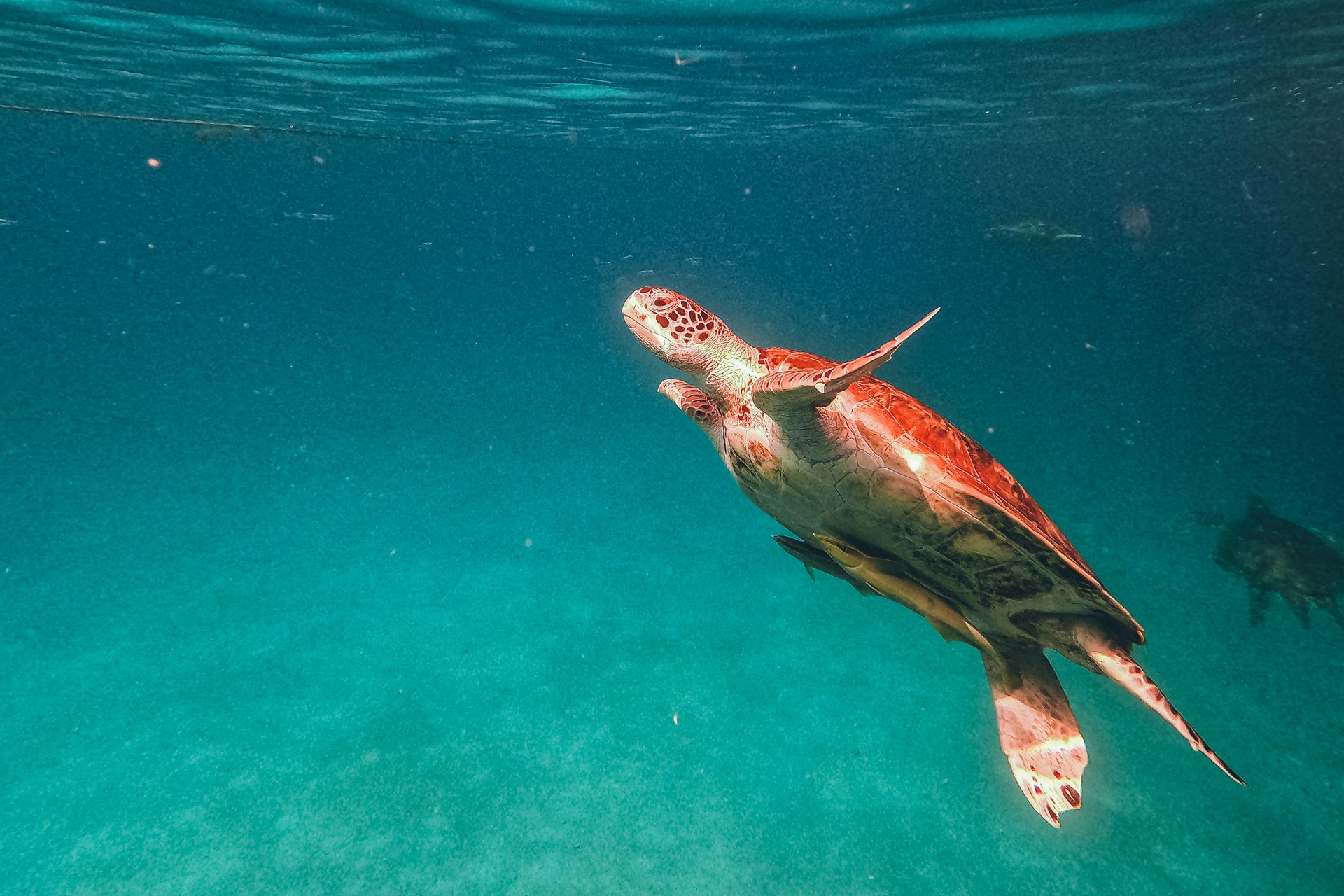
The Narrow-Bridged Musk Turtle is a species that can be found in Mexico and Central America. It's a relatively small turtle, with a length of 6.5 inches (16.5 cm).
This species is endemic to Guatemala, Mexico, and Belize, and can be found at low elevations from Belize to northern Guatemala and northwards to northern Oaxaca and central Veracruz. It prefers shallow freshwater bodies with muddy bottoms, such as small streams, ponds, and marshes.
The Narrow-Bridged Musk Turtle has a distinctive appearance, with a yellowish-brown to dark brown carapace and black seams. The plastron is yellow, and the species has a large head with a protruding snout and a hooked upper jaw.
In the wild, this species is known to be vicious and will bite when approached. However, captive specimens are calm and do not bite when handled.
Here's a summary of the species' characteristics:
- Scientific Name: Claudius angustatus
- Length: 6.5 inches (16.5 cm)
- IUCN Red List Status: Near Threatened
It's worth noting that the species is listed as Near Threatened, which means it's not currently considered endangered, but its population is declining or is at risk due to various factors.
Yellow
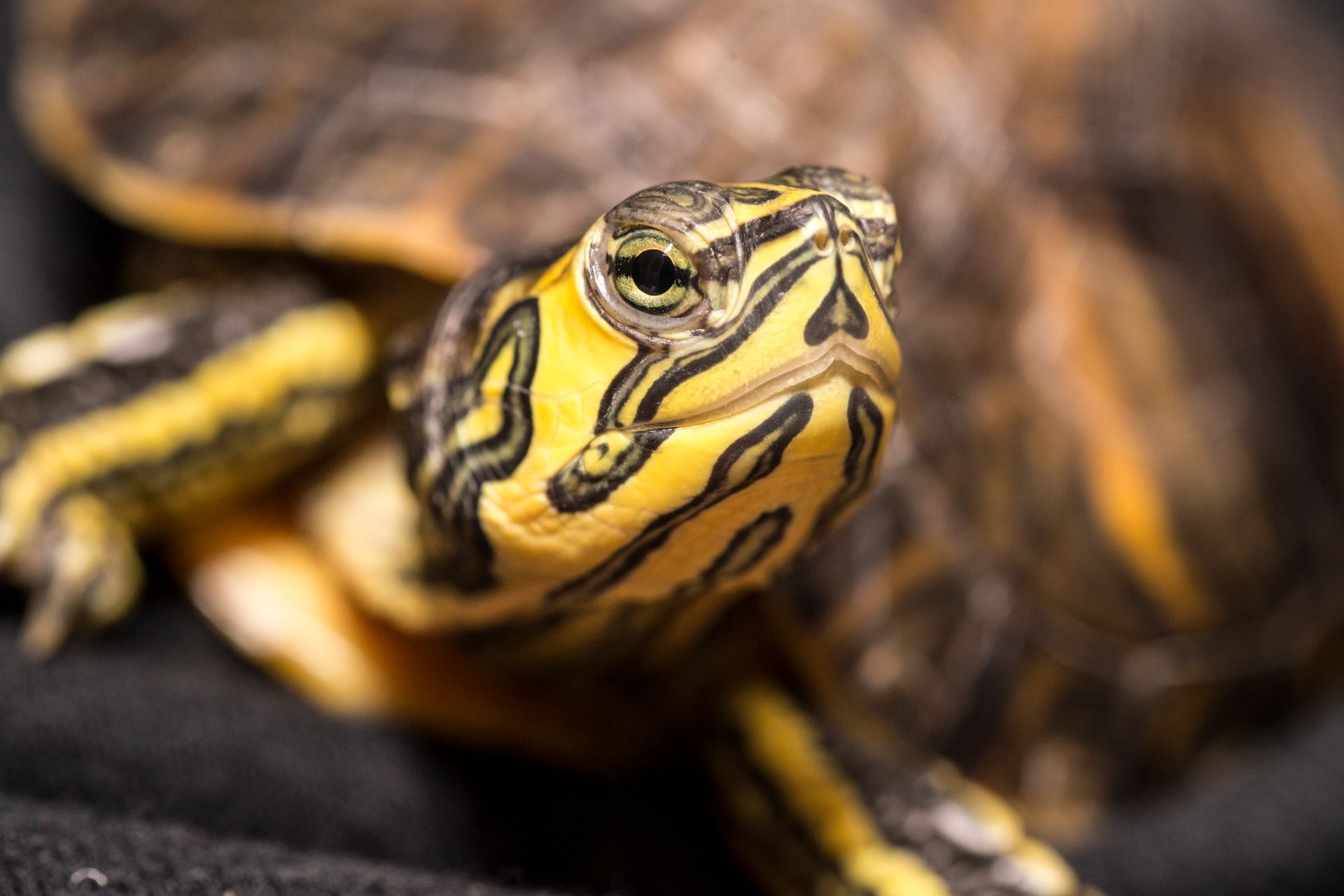
The Yellow Mud Turtle gets its name from its distinctive yellowish limbs, head, and neck.
This turtle's coloration is a key identifying feature, making it easy to spot in the wild.
The Yellow Mud Turtle is a carnivore, feeding on a variety of prey including amphibian larvae, crustaceans, mollusks, insects, and occasionally aquatic plants.
Its diet is quite diverse, reflecting its adaptable nature and ability to thrive in different environments.
The Yellow Mud Turtle can be found in water bodies with sandy or muddy bottoms, including flooded fields, oxbow lakes, and marshes.
Arizona
Arizona is home to a diverse range of species, including the Sonoyta Mud Turtle, which can be found in the Rio Sonoyta basin in Sonora and Arizona. The Sonoyta Mud Turtle is a moderate-sized turtle with an olive-brown carapace and yellowish plastron.
The Arizona Mud Turtle, on the other hand, is a species that can be found in southwestern United States and northwestern Mexico. It's a relatively small turtle, measuring only 6 inches in length.
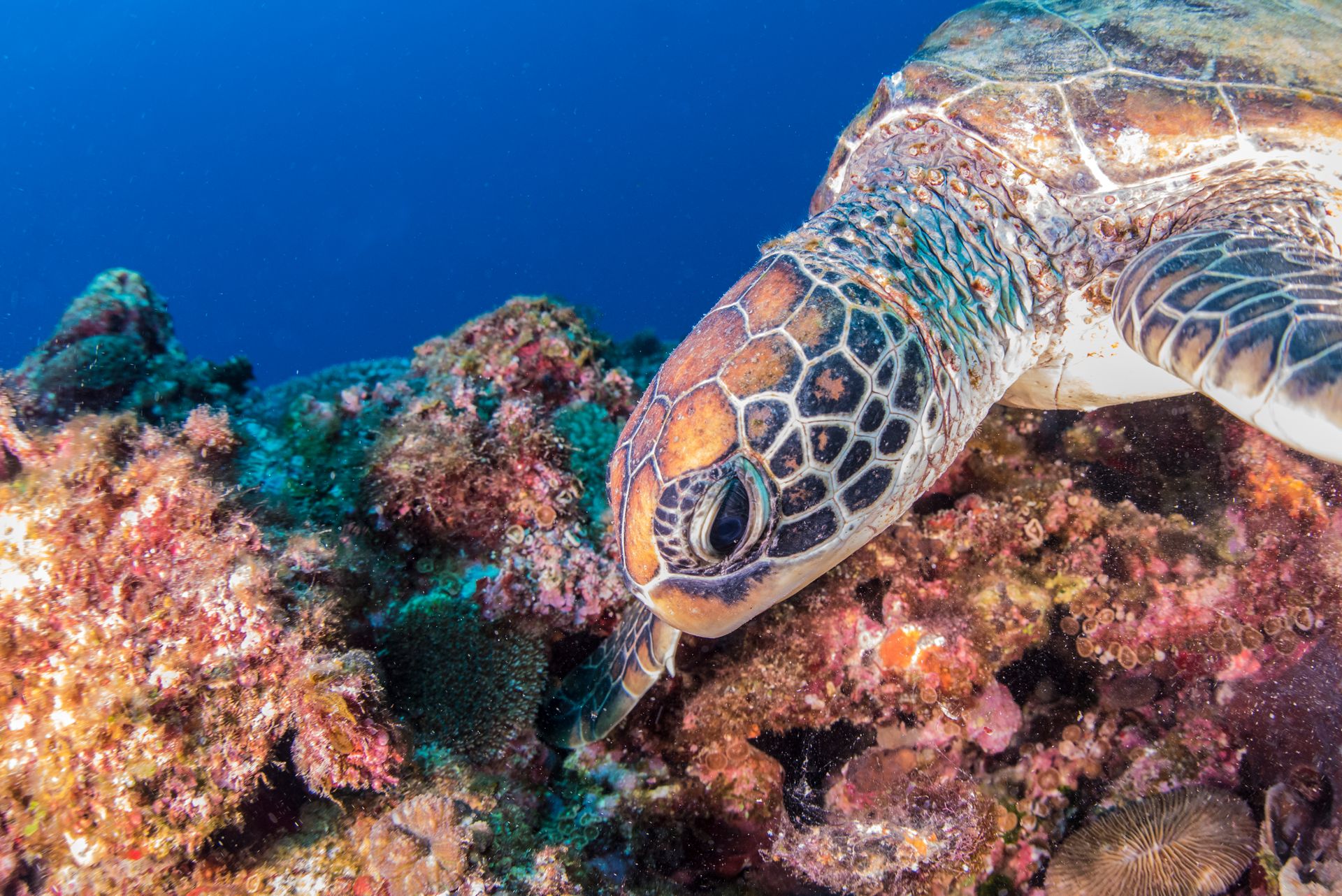
The Arizona Mud Turtle prefers shallow waters and can be found in roadside ditches, tanks, ponds, and other permanent stagnant water. It's mostly carnivorous and aestivates most of the year, becoming active from early July to middle August when there are rains.
Here's a comparison of the two species:
It's worth noting that the Sonoyta Mud Turtle is listed as Near Threatened, while the Arizona Mud Turtle is listed as Least Concern. This highlights the importance of conservation efforts for the Sonoyta Mud Turtle to prevent its population from declining further.
Jalisco
The Jalisco Mud Turtle is a fascinating species. It's found in the Pacific coast of Mexico, specifically from Rio San Nicolas to Rio Chuatlan, and has also been spotted in Puerto Vallarta.
Its habitat consists of stagnant freshwater bodies like pools and ponds, often with muddy or clear water, and sometimes with riparian vegetation.
The Jalisco Mud Turtle is a relatively small creature, measuring only 6 inches (15.7 cm) in length.
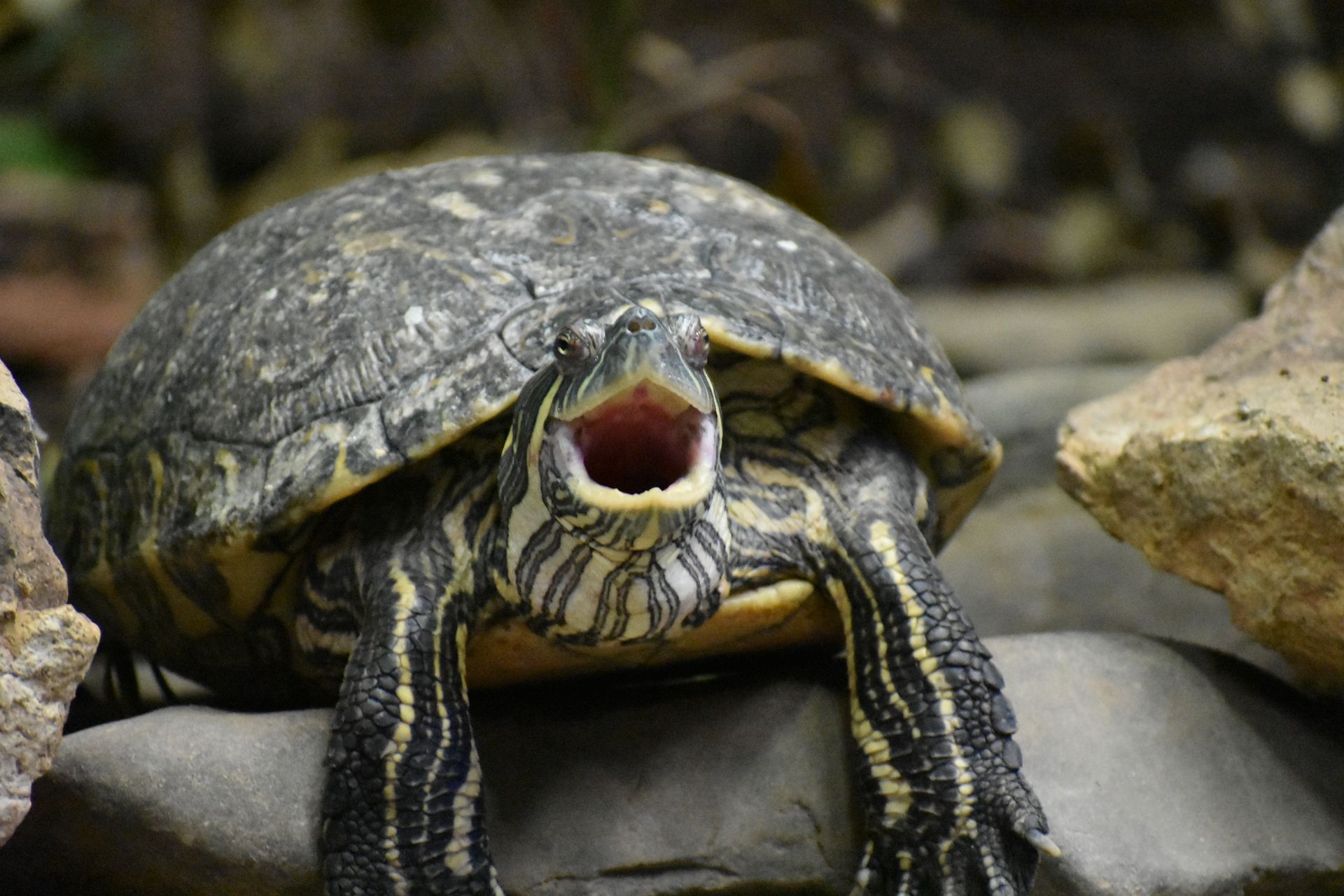
It's a weak swimmer, so you won't find it in flowing rivers. Its diet consists mainly of crustaceans, insects, mollusks, and even decaying plant material.
The species' carapace is flattened, elongated, and oval in shape, with an olive or dark brown color and patterns of dark stains. The plastron is brown to yellow with black seams.
Here are some key facts about the Jalisco Mud Turtle:
- Scientific Name: Kinosternon chimalhuaca
- Length: 6 inches (15.7 cm)
- IUCN Red List Status: Least Concern
Oaxaca
Oaxaca is home to a unique species of turtle, the Oaxaca Mud Turtle. This turtle is endemic to the region and can be found in the Rio Tonameca and Rio Colotepec basins.
The Oaxaca Mud Turtle inhabits permanent flowing freshwater bodies in the uplands, but near the coast, it can be found in semi-permanent water bodies. Upland floods sometimes carry the turtle to the coastal plans.
This turtle is relatively large, with a dark-colored carapace and a yellowish plastron with dark seams. The carapace is the top shell of the turtle, while the plastron is the underside.
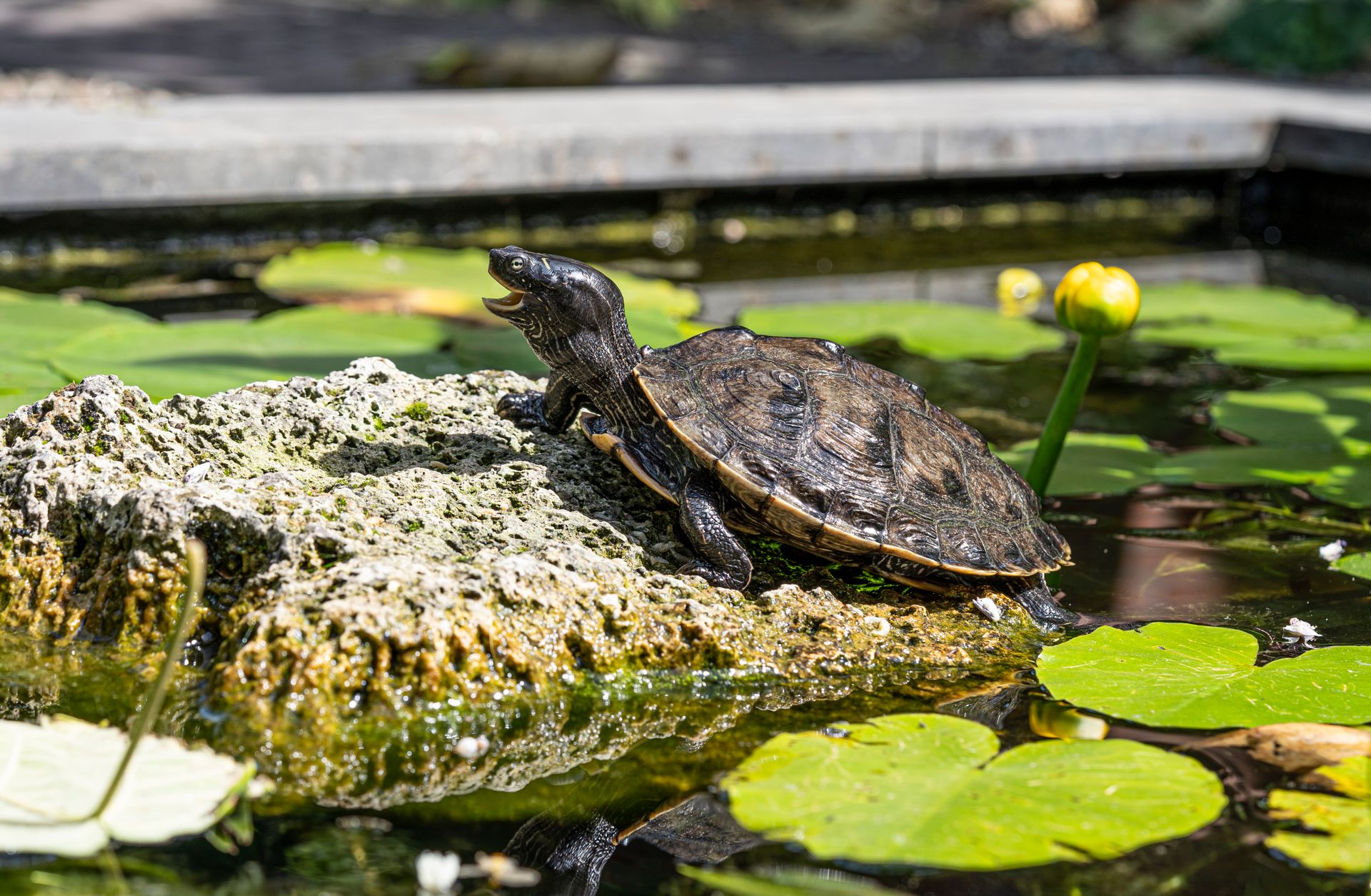
Males are generally larger than females by a few inches. There are about three or four pairs of barbels on the chin of the Oaxaca Mud Turtle.
Here are some key facts about the Oaxaca Mud Turtle:
- Scientific Name: Kinosternon oaxacae
- Length: 7 inches (17.5 cm)
- IUCN Red List Status: Data Deficient
Alamos
The Alamos Mud Turtle is a unique species that can be found in Mexico, particularly in Sinaloa and Sonora. It's a relatively small freshwater turtle, with a length of 3.7 to 5.1 inches (9.5 to 13 cm).
The Alamos Mud Turtle is endemic to the coastal lowland of the Pacific, from Hermosillo in Sonora to Guasave in Sinaloa. This species is named after the Sierra de Alamos, where they can be found up to an elevation of about 1000 m.
Males of the Alamos Mud Turtle are generally larger than females by a few inches. They can be found in temporary ponds, ditches, and arroyos, which dry up during the dry season. During this time, the turtle aestivates.
The carapace of the Alamos Mud Turtle is olive to brown with black seams. The plastron is double hinged and yellowish with brown seams. The scutes on the plastron display growth annuli, which can be an interesting feature to observe.
Herrera's
Herrera's Mud Turtle is a fascinating species found in Mexico. It's endemic to the region, specifically in the states of Veracruz, Tamaulipas, San Luis Potosi, Hidalgo, Puebla, and Queretaro.
This species is quite common within its geographic range, and it can be found in permanent freshwater bodies with abundant vegetation and muddy substrate.
The Kinosternon herrerai is a relatively small species, measuring between 6 to 6.7 inches in length.
It's an omnivorous species, but it's predominantly carnivorous, which means it feeds on a variety of small animals.
The species breeds annually, laying several clutches containing about 3 eggs each year.
Unfortunately, the species is threatened by human activities, such as collection for food and traditional medicine in the southern part of its range, and diversion of water for agriculture in the northern part.
Here's a breakdown of the threats facing Herrera's Mud Turtle:
- Collection for food and traditional medicine in the southern part of its range
- Diversion of water for agriculture in the northern part of its range
- Road mortality, which is a substantial threat
Dunn's
Dunn's Mud Turtle is a species that's native to Colombia. It's also known as the Colombian mud turtle.
This turtle is only found in the Department del Chocó, where it inhabits streams.
The carapace of this species is dark brown and relatively flattened.
Kinosternid Pet Ownership and Laws
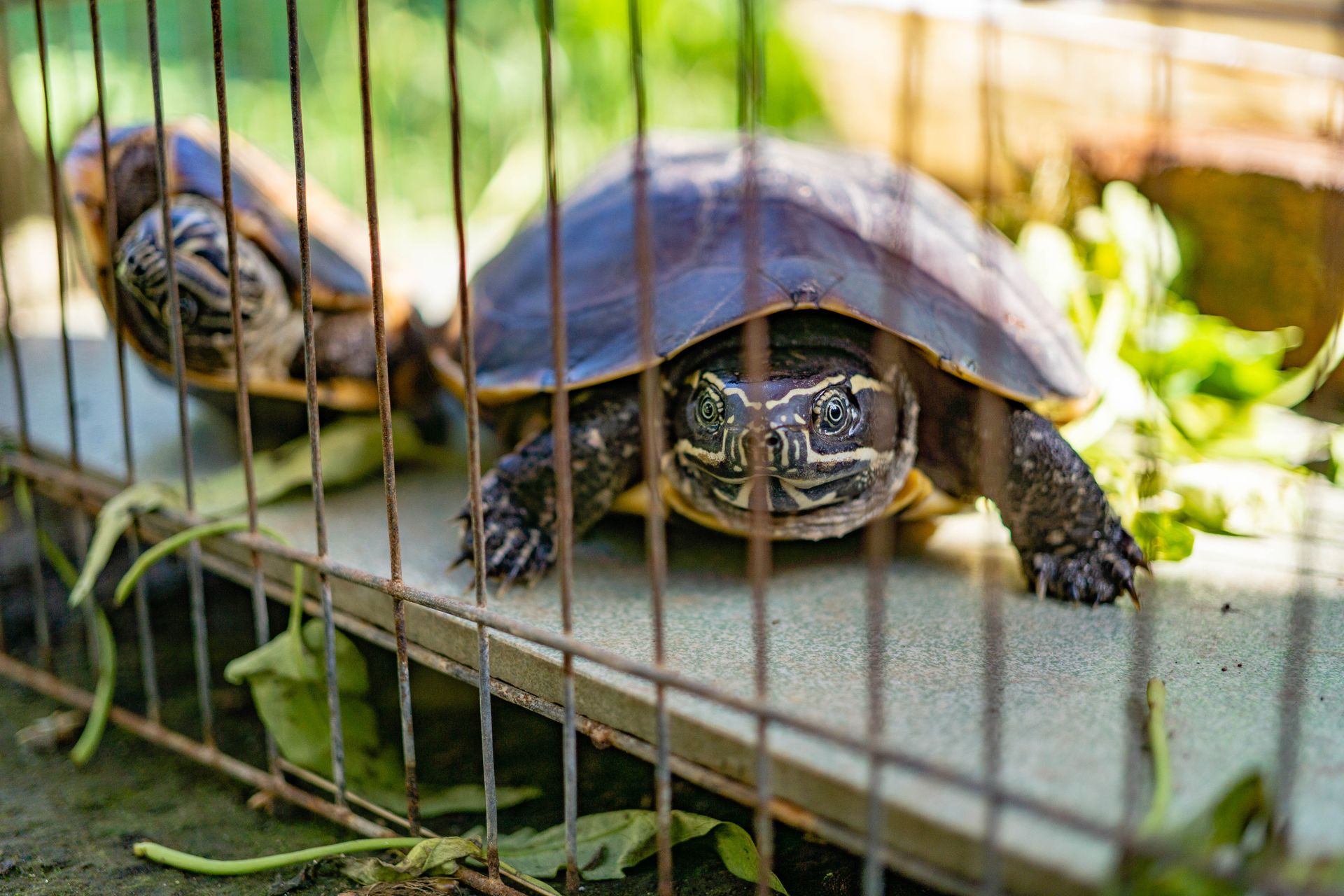
Kinosternid pet ownership and laws vary depending on your location. Most kinosternids are legal to keep as pets in most parts of the United States.
If you decide to acquire a kinosternid, it's best to acquire a captive-bred specimen. This can be a more reliable and humane option for both you and the animal.
Frequently Asked Questions
Are musk turtles rare?
While musk turtles are not federally protected, they are considered state-threatened in Iowa and a Species of Greatest Conservation Need in some states, indicating a need for conservation efforts. This suggests that musk turtles may be vulnerable and in need of protection, but more information is needed to determine their overall rarity.
Do mud turtles stay small?
Yes, eastern mud turtles typically remain small, reaching a maximum length of 3-5 inches as adults. Their compact size is one of their distinctive characteristics.
Featured Images: pexels.com