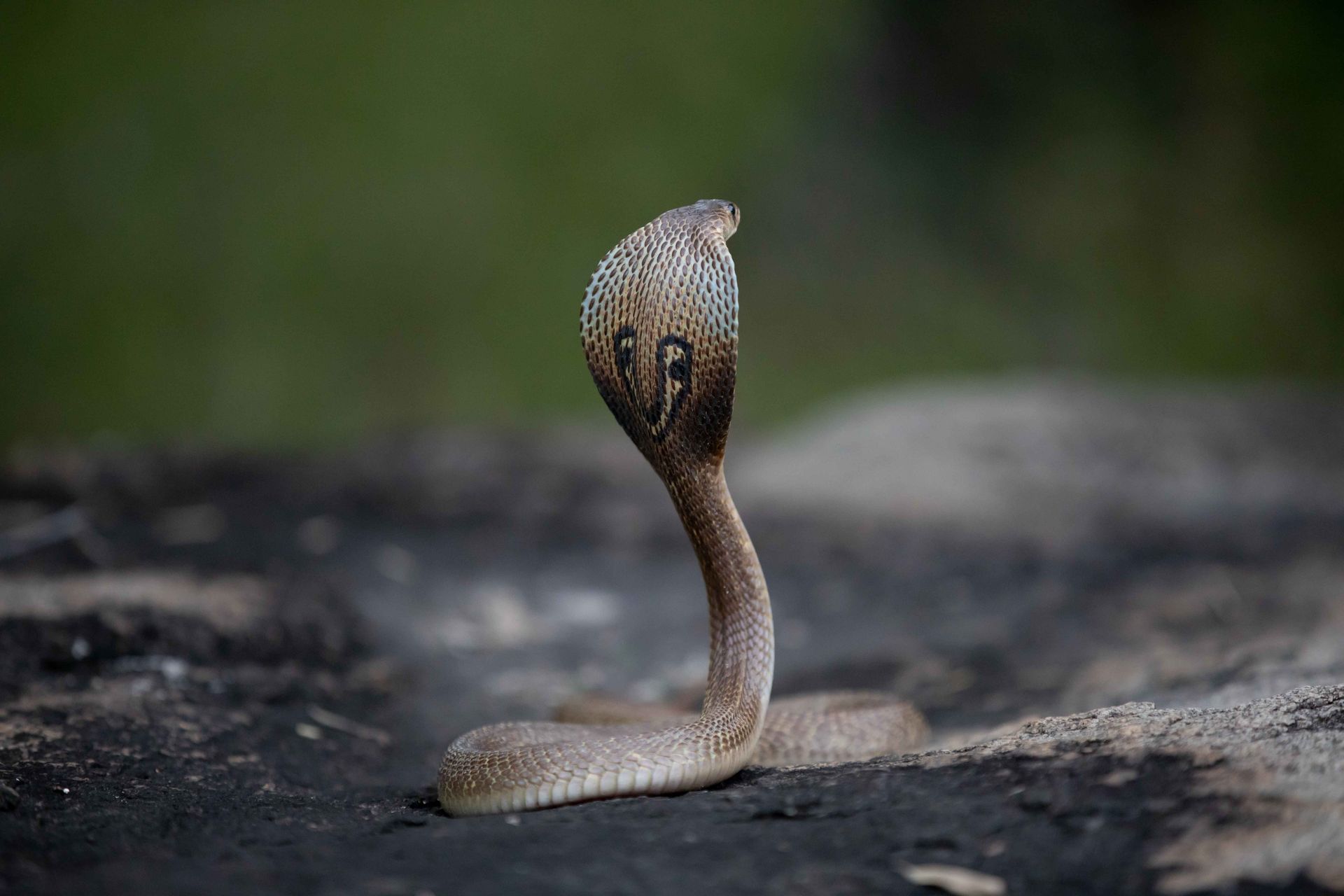
The Javan Spitting Cobra is a venomous snake species found in Indonesia, specifically on the island of Java. They inhabit a variety of habitats, including forests, grasslands, and rocky areas.
These snakes are relatively small, with adults typically growing up to 3-4 feet in length.
Etymology and Names
The Javan spitting cobra gets its name from its unique behavior of spitting at predators.
Its scientific name, Naja sputatrix, is classified under the genus Naja of the family Elapidae.
The generic name Naja is a Latinisation of the Sanskrit word nāgá (नाग), meaning "cobra".
The specific epithet sputatrix comes from the Latin word sputator, which means "spitter".
Friedrich Boie, a German entomologist, herpetologist, ornithologist, and lawyer, first described the Javan spitting cobra in 1827.
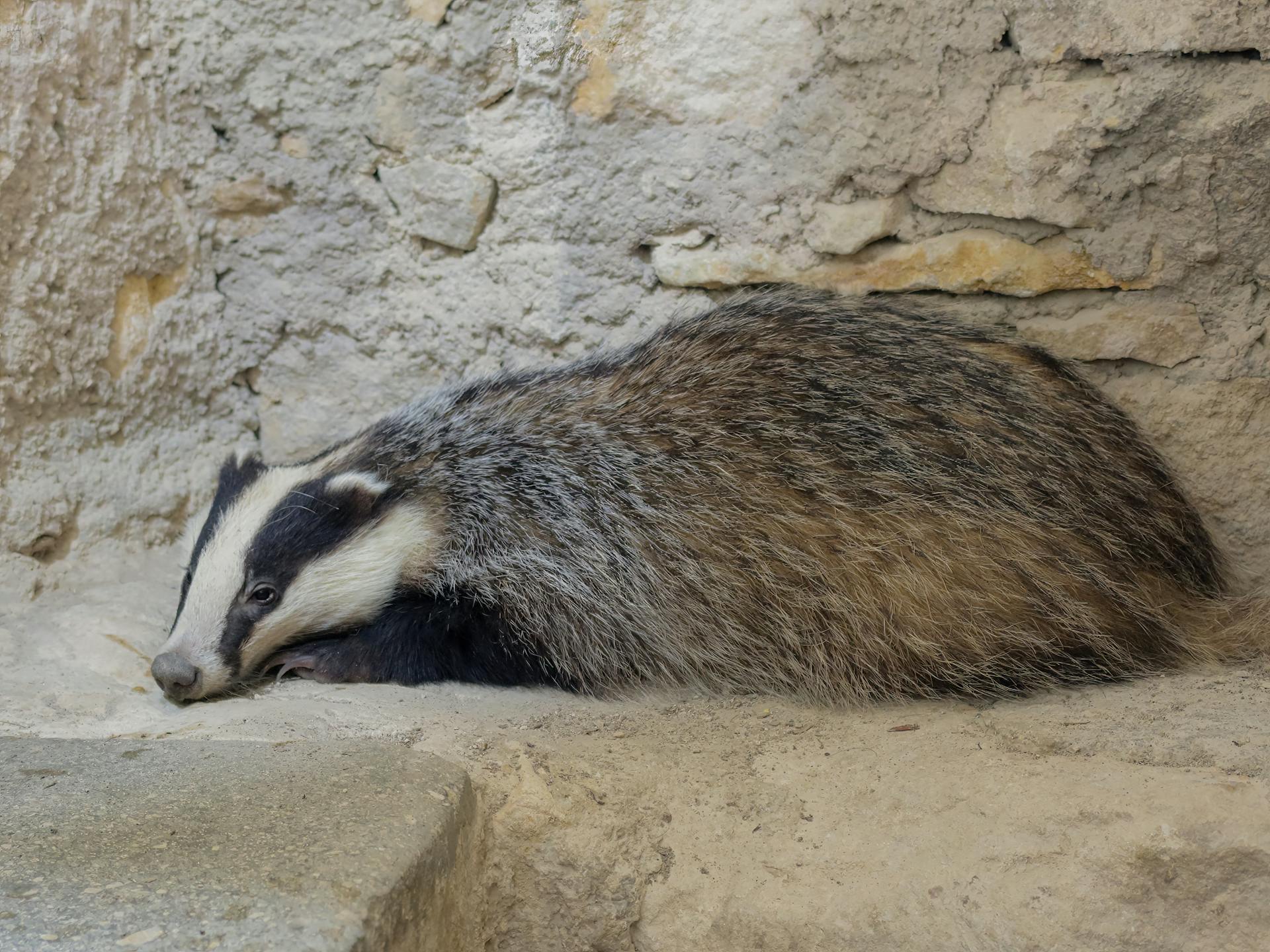
A different take: Javan Ferret Badger
Physical Characteristics and Behavior
The Java spitting cobra is a medium to large sized snake that can grow up to 1.85 metres in length.
Its body is compressed dorsoventrally and posteriorly cylindrical, with a distinctive hood that it can expand when threatened.
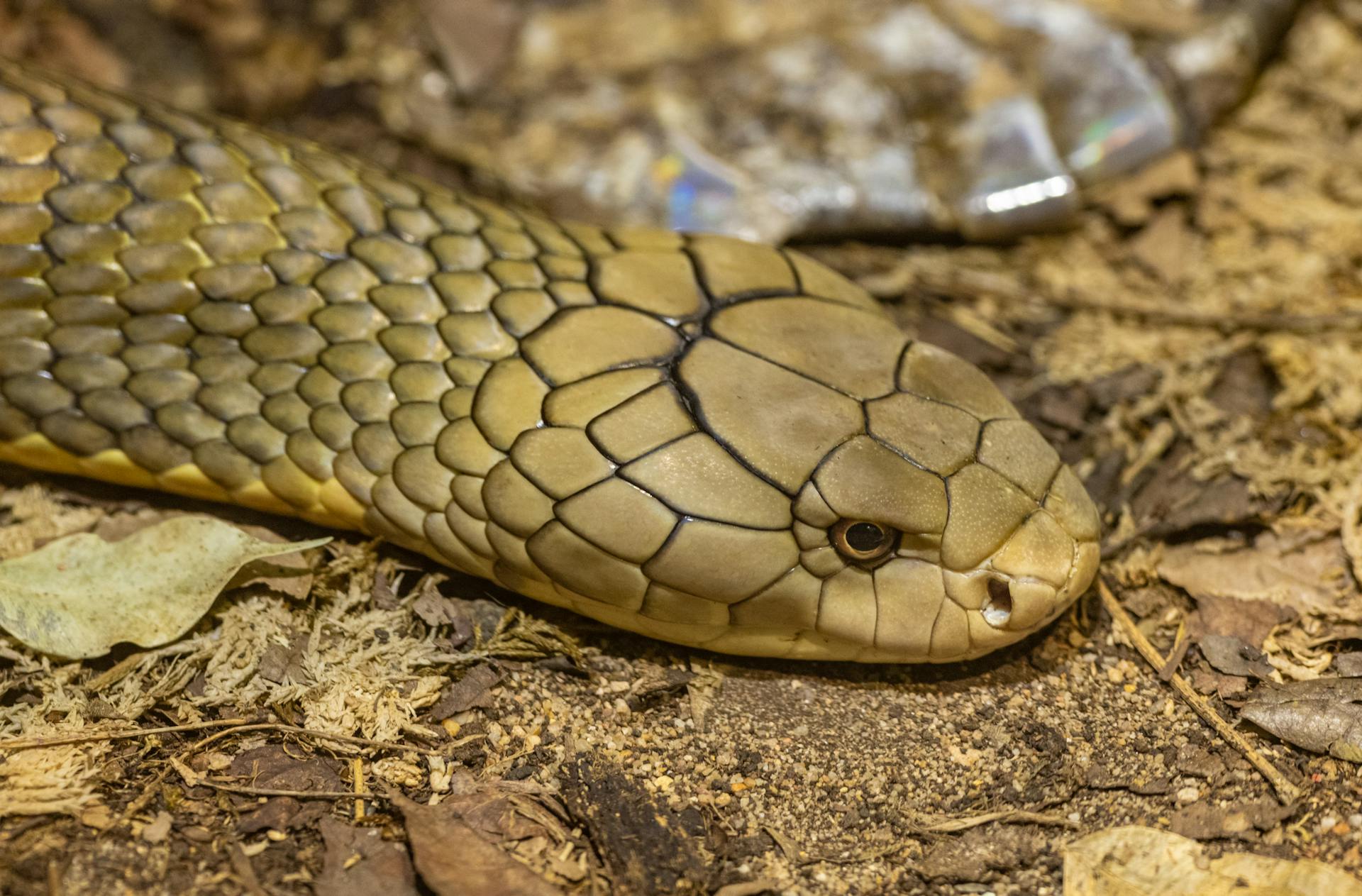
The head is elliptical, slightly different from the neck, with a short rounded snout and large nostrils.
Its eyes are of moderate size, with round pupils.
The dorsal scales are smooth and very oblique, with a dorsal scale count of usually 25-19.
Javan adults are usually uniform yellowish, brown or blackish in colour, while juveniles often have throat bands and lateral throat spots.
This species is very defensive and readily spits out venom when it feels threatened, making it a formidable opponent.
It is a terrestrial snake that's nocturnal in nature, meaning it's most active at night.
It preys predominantly on small mammals such as small rats and mice, but it will also feed on frogs, other snakes, and lizards.
Conservation Status
The Javan Spitting Cobra is listed as Appendix II by CITES, meaning it's not threatened with extinction, but trade in its specimens needs to be strictly regulated to avoid harming its wild population.
This species is commonly harvested for its skin, which is likely why it's not considered threatened globally, but its local population in Indonesia is worth monitoring.
Locally in Indonesia, the Javan Spitting Cobra is considered common in Java and nearby regions, including Bali.
It's worth noting that the Javan Spitting Cobra is not the only venomous snake found in Bali, as other species like the Blue Krait and the Banded Krait are also present.
These snakes are nocturnal and typically found in rural areas, which is why you're more likely to encounter them if you're spending time in those areas.
A fresh viewpoint: Can Snakes Be Found on Every Continent
Bali
Bali is home to the highly dangerous Javan Spitting Cobra, scientifically known as Naja sputatrix. These snakes can grow up to 1.5 meters in length.
The Javan Spitting Cobra is often found in Bali's forests, agricultural lands, and urban areas. This adaptability increases the likelihood of human encounters, especially in populated regions.
If you're planning to visit Bali, it's essential to know that these cobras are generally defensive in nature and will prefer to escape rather than confront when they sense danger. However, if threatened, they can accurately spit venom at the perceived threat.
Explore further: Equatorial Spitting Cobra
The venom of the Javan Spitting Cobra contains neurotoxic and cytotoxic components, making bites potentially life-threatening due to tissue damage and paralysis. Anti-venom is available in Bali, but prompt treatment is crucial to avoid severe eye pain and potential blindness.
Here are some key facts to keep in mind when it comes to encountering Javan Spitting Cobras in Bali:
- Latin Name: Naja sputatrix
- Bahasa Name: Ular Kobra Jawa
- Length: Up to 1.5 meters
- Danger Level: Highly dangerous
- Color: Brown or black
- Habitat: Forests, agricultural lands, and urban areas
- Activity: Diurnal (day active)
- Region: Throughout Bali
Urban Encounters
In urban areas, Javan spitting cobras are often found in close proximity to humans. They are attracted to the abundance of rodents that inhabit homes and buildings.
Their presence in cities is a result of habitat destruction and fragmentation in their natural habitats. This has led to an increase in their populations in urban areas.
Javan spitting cobras are generally wary of humans and will avoid confrontations whenever possible. However, they can become aggressive if they feel threatened or cornered.
In urban settings, they have been known to inhabit areas such as markets, temples, and even homes. This close proximity to humans can lead to conflicts and encounters.
Explore further: Dogs Spitting Out Food
Classification and General Information
The Javan spitting cobra is a venomous snake native to Indonesia, specifically found on the islands of Java and Bali.
They have a distinctive hood that they flare out when threatened, making them look larger and more intimidating.
These snakes are relatively small, growing up to 5 feet in length, and are known for their agility and speed.
Javan spitting cobras are excellent climbers and have been known to climb trees in search of prey or to escape danger.
Their venom is highly toxic and can cause respiratory failure, so it's essential to exercise caution when dealing with these snakes.
Take a look at this: Indochinese Spitting Cobra
Frequently Asked Questions
How poisonous is a spitting cobra?
Spitting cobras are venomous, but their venom is not usually fatal on contact; however, it can cause permanent blindness and scarring if left untreated.
Featured Images: pexels.com