
Sleeping with your dog can be a wonderful experience, but it's essential to consider the health and hygiene aspects. Dogs can carry allergens like dander and dust mites that can exacerbate respiratory issues like asthma.
Some dogs are more prone to shedding and drooling than others, which can make them less ideal sleeping companions. For example, breeds like Bulldogs and Pugs tend to drool more than others.
To make informed sleeping arrangements, consider the size of your dog. Large dogs like Great Danes and German Shepherds can take up a lot of space in your bed, but they may also be less likely to snuggle up close to you, reducing the risk of skin-to-skin contact with their dander.
Dogs can also carry parasites like fleas and ticks that can bite and feed on human blood. Regular grooming and parasite control measures can help minimize this risk.
Health Risks
Sleeping with a dog can lead to serious infections, including the 'puppy-cuddling disease' Campylobacter, which can cause severe diarrhea, vomiting, and cramping.
In 2017, over 100 Americans became infected with Campylobacter after petting their dogs, and five were hospitalized.
Dogs can also transfer parasitic worms to their owners, which can then be passed on to humans via contact with feces.
The Centers for Disease Control and Prevention (CDC) warns that eggs from these worms can survive in dirt for years.
Washing your sheets and bedding regularly can help minimize the risk of infection, but it's also essential to avoid letting your dog lick or kiss your face, as this raises your risk of infection.
Allergic Reactions
About 10 to 20 percent of Americans are allergic to cats and dogs.
Sharing a bed with a dog raises the risk of suffering an allergic reaction.
An allergy occurs when the immune system misfires and attacks a non-dangerous substance, triggering a reaction.
People with dog allergies are responding to dander from dogs, dead skin cells in the air or collecting as dust, as well as hair from the animals or saliva.
Symptoms include a runny nose, sneezing, or wheezing after petting a dog.
Having a dog in the bedroom can also trigger an allergic reaction by carrying allergens like pollen into the room on their coats.
People are twice as likely to be allergic to cats compared to dogs.
Con Infections
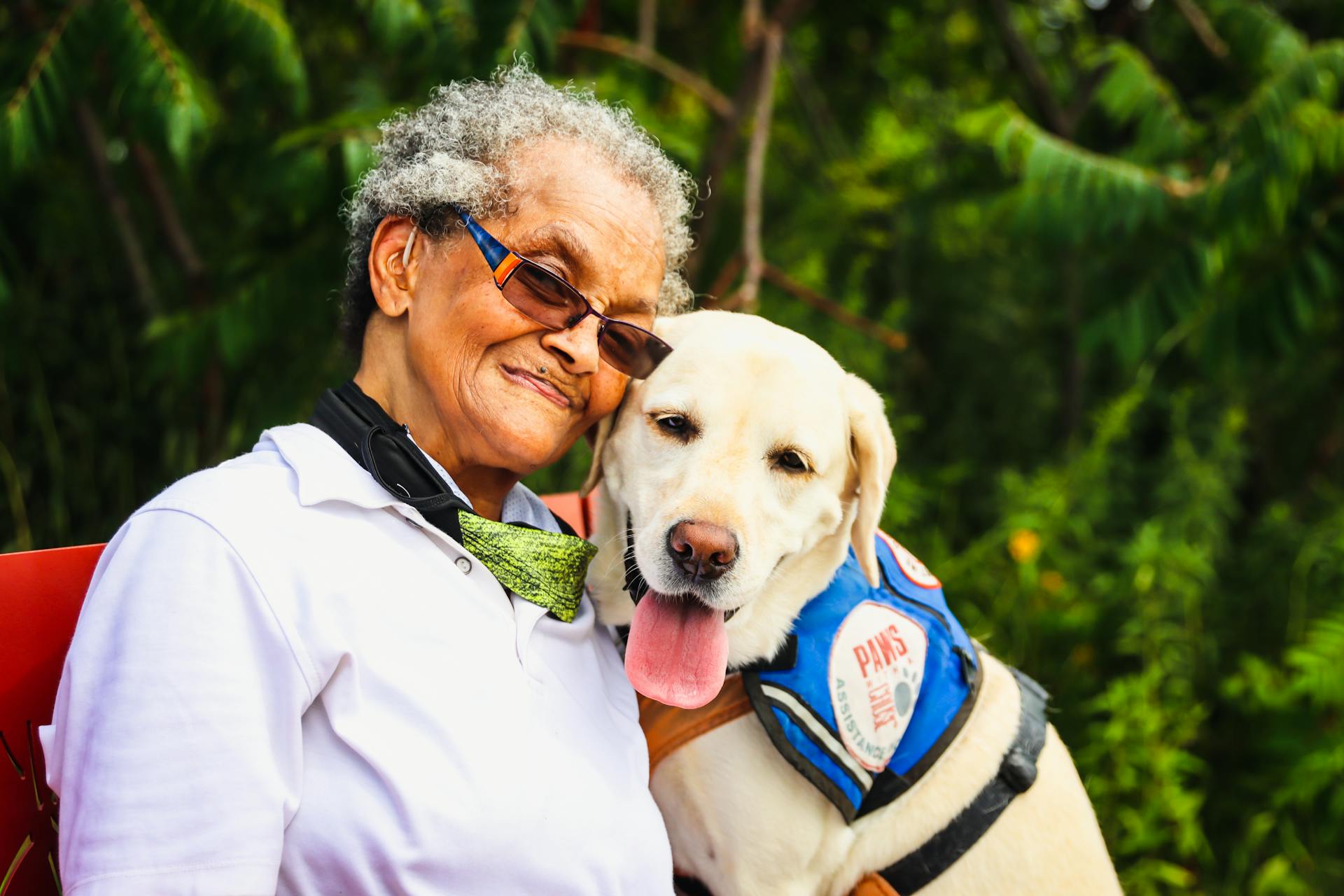
Sharing your bed with a dog can lead to serious infections, as they can pass on diseases and parasites to you.
In 2017, over 100 Americans became infected with the 'puppy-cuddling disease' Campylobacter after petting their dogs, with five being hospitalized.
Dogs can pick up parasitic worms while snuffling around in the dirt or swallowing feces infected with eggs or larvae from the worms.
The Centers for Disease Control and Prevention (CDC) warns that these worms can be passed on to humans via contact with feces, which can happen in the bedroom.
Eggs from the worm can survive in dirt for years, increasing the risk of infection.
Washing your sheets and bedding regularly can help minimize the risk of infection in bed.
Allowing your dogs to lick or kiss your face raises your risk of infection, so it's best to avoid this habit.
Sleeping Arrangements
Most people who sleep with their dogs do so by choice, but it's essential to be aware of the pros and cons. A properly sized mattress is crucial to avoid disturbances, so make sure your mattress is large enough for both yourself and your dog.
You should wash your sheets and bedding regularly to ensure good hygiene and prevent unwanted germs in the bed. This is especially important if your pet spends time outside, as they may bring dirt and pests into the bedroom. Wipe down their paws regularly to keep them clean.
A water-resistant mattress protector can be a lifesaver, as it extends the life of your mattress and makes clean-ups easier. It's also a good idea to keep your pet's vaccinations up to date to protect yourself from diseases.
Here are some common sleeping arrangements for dogs:
Where Do Dogs Sleep?
Dogs can sleep in a variety of places, but most owners let them share their bed.
A significant 45 percent of dog owners sleep with their dogs in their own beds.
Some owners prefer to crate their dogs, which is a popular choice for 20 percent of dog owners.
A comfortable dog bed is also a common sleeping arrangement, with 17 percent of owners providing one for their dogs.
A minority of owners, just 4 percent, let their dogs sleep outside.
Sleeping with Pets
Sleeping with pets can be a wonderful experience, but it's essential to be aware of the pros and cons.
According to the Sleep Foundation, sharing a bed with a dog is a personal decision, but it's crucial to consider the tips for sleeping with your pet dog, which include using a properly sized mattress and washing sheets and bedding regularly.
You should also keep up to date on vet visits to ensure your pet is free from disease, and avoid letting them lick your face to prevent the transmission of potentially dangerous illnesses.
A consistent bedtime routine is also vital, as it helps align your pet's circadian rhythm with yours, leading to fewer sleep disruptions.
Here are some key points to consider when sharing a bed with your pet:
- Use a properly sized mattress
- Wash sheets and bedding regularly
- Keep up to date on vet visits
- Avoid letting your pet lick your face
- Walk your pet before bed
- Establish a consistent bedtime routine
It's also essential to keep your pet's paws clean, especially if they spend time outside, to prevent dirt and pests from entering your bedroom.
Some people may be concerned about the hygiene of sleeping with a pet, but with proper care and attention, it can be a safe and enjoyable experience for both you and your pet.
According to the American Kennel Club, 45 percent of dog owners let their pets sleep in their own beds, so it's not uncommon to share a bed with your furry friend.
However, it's worth noting that Dr. Jerry Klein, Chief Veterinary Officer at the American Kennel Club, recommends against sharing a bed with a dog due to the risk of transmission of zoonotic diseases and allergies.
Ultimately, whether or not to share a bed with your pet is a personal decision that should be made with careful consideration of the pros and cons.
Safety Precautions
Sleeping with a dog can be a wonderful experience, but it's essential to take some safety precautions to ensure a restful and healthy night's sleep for both you and your furry friend.
Dogs shed a lot, so it's crucial to wash your sheets regularly to prevent fur from piling up.
Don't let your dog sleep under the covers, as their body temperature runs higher than humans and can cause them to overheat.
Dogs' body temperatures can range from 101 to 102.5°F, making it more likely for them to get hot in the middle of the night.
Establishing a consistent bedtime routine is key to aligning your dog's circadian rhythm with yours, making it easier for both of you to get a good night's sleep.
A late-night potty break should be part of the bedtime routine, especially for puppies or senior dogs who may need to go more frequently.
You might enjoy: Dog Body Language with Other Dogs
Frequently Asked Questions
Do dogs bring germs into the house?
Yes, dogs carry bacteria into the home, but most of these germs are harmless to people and animals. However, it's worth learning more about the types of germs dogs bring in and how to keep your home clean and healthy.
Featured Images: pexels.com