
Intestinal parasites in cats can be a real nuisance, causing a range of unpleasant symptoms that can affect your cat's overall health and wellbeing.
Cats can become infected with intestinal parasites through contact with contaminated feces, contaminated food or water, or by ingesting infected rodents.
Symptoms of intestinal parasites in cats can be subtle at first, but may include weight loss, diarrhea, vomiting, and a dull or lackluster coat.
In severe cases, intestinal parasites can cause life-threatening complications, such as intestinal blockages or blood infections.
Broaden your view: Gastrointestinal Lymphoma in Dogs Symptoms
What Are Intestinal Parasites in Cats?
Intestinal parasites in cats can be a real nuisance, and it's essential to know what they are. There are several types of intestinal parasites your cat can get.
Tapeworms are one type of intestinal parasite that can mess with your cat's gastrointestinal system. They can cause weight loss, diarrhea, and vomiting.
Hookworms are another type of intestinal parasite that can infect your cat. They're usually found in soil and can be transmitted through your cat's skin.
Explore further: What Is Hemans Cat's Name?
Roundworms are a common intestinal parasite in cats. They can cause a range of symptoms, including weight loss, vomiting, and diarrhea.
Whipworms are a type of intestinal parasite that can infect your cat's intestines. They're usually found in contaminated soil or water.
Giardia is a type of intestinal parasite that can cause diarrhea, weight loss, and vomiting in cats. It's often found in contaminated water or soil.
Here are some common types of intestinal parasites in cats:
- Tapeworms
- Hookworms
- Roundworms
- Whipworms
- Giardia
Symptoms and Diagnosis
If your cat has intestinal parasites, they might show some pretty subtle symptoms, but it's essential to catch them early. For example, a hookworm infection can cause weight loss, black, tarry poop, and anemia, especially in kittens.
Some common symptoms of intestinal parasites in cats include coughing, abdominal bloating, poor appetite, diarrhea, intestinal cramping, and vomiting. You might also notice your cat's fur looking dull or matted due to excessive grooming.
Here are some key symptoms to look out for:
- Anemia
- Bloated belly (potbelly)
- Constipation
- Diarrhea
- Gas
- Lethargy (lack of energy)
- Licking or biting under the tail
- Loss of appetite
- Malnutrition
- Restricted growth
- Scooting (dragging the rear on the floor)
- Vomiting
- Weight loss
Keep in mind that many cats with intestinal parasites are asymptomatic, so it's crucial to bring your cat to the vet for regular fecal exams to catch any potential issues early.
Symptoms
Symptoms of intestinal parasites in cats can be quite varied and sometimes subtle. Hookworms, for example, don't usually cause harm to healthy adult cats, but can be life-threatening for kittens due to blood loss.

If your cat has hookworms, you might notice weight loss, black, tarry poop, coughing, lesions on his paws, anemia, lack of appetite, diarrhea, or constipation. These symptoms can be a sign that your cat needs to see a vet.
Hookworms are notoriously difficult to detect in stool samples, so a fecal exam with your veterinarian is usually necessary for a diagnosis.
Roundworms, on the other hand, are often asymptomatic in cats, but can cause major issues in kittens. They can grow up to 12 centimeters long and swim around in your cat's intestines.
Here are some common symptoms of intestinal parasites in cats:
- Weight loss
- Black, tarry poop
- Coughing
- Lesions on his paws
- Anemia
- Lack of appetite
- Diarrhea
- Constipation
If you notice any of these symptoms in your cat, it's essential to bring him to the vet to confirm the diagnosis and get proper treatment.
Expand your knowledge: Parasites in Cats Symptoms
How to Spot
Spotting the signs of intestinal parasites in your cat can be a challenge, but there are some telltale symptoms to look out for.
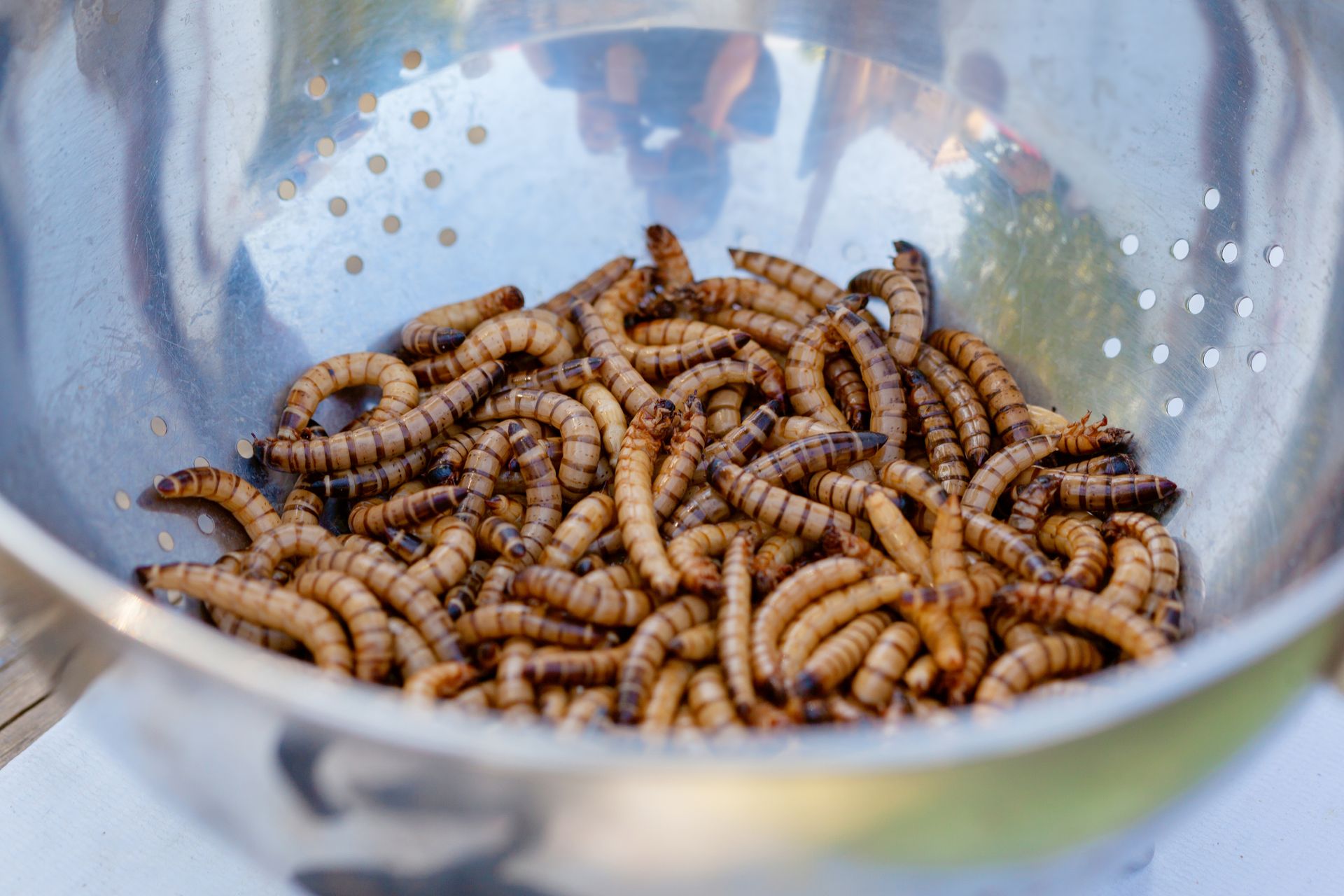
If your cat has tapeworms, you might notice worm segments in their stool or backside, which look like grains of rice. You might also see weight loss, itching near their butt, scooting, or intermittent diarrhea.
Tapeworms are often transmitted when a cat ingests an infected flea or prey animal, so if you notice any of these symptoms, it's essential to get your cat checked by a vet.
Here are some common symptoms of intestinal parasites in cats:
- Worm segments in stool or backside
- Weight loss
- Itching near the butt
- Scooting
- Intermittent diarrhea
- Anemia
- Bloating
- Digestive symptoms
- Signs of malnutrition
If you suspect your cat has intestinal parasites, it's crucial to get them checked by a vet as soon as possible. A fecal exam (called fecal flotation test) can help diagnose the issue.
Coccidia
Coccidia is a single-celled organism that can infect cats and dogs through contact with fecal matter containing the parasite.
Infection often occurs through contaminated soil, water, or by licking paws and fur that has come into contact with infected feces.
Cats become infected when they ingest an infected cat's feces or soil that has been contaminated with feces.
Coccidia travels to the intestines and destroys the intestinal lining, preventing absorption of nutrients and causing severe diarrhea and dehydration.
Young pets, such as puppies and kittens, are especially susceptible to coccidia infection due to their immature immune systems.
Frequent cleaning up of feces and frequent changes of water can help prevent contamination and reduce the risk of infection.
Severe diarrhea caused by coccidia can be life-threatening in young kittens.
Giardia
Giardia is a microscopic parasite that can infect your cat's gut, often with no symptoms at all. Younger cats tend to have infections more often than older animals.
Diarrhea is the main symptom of giardia in cats, but many infected pets are asymptomatic. In addition to diarrhea, other symptoms include greenish or bloody poop, vomiting, weight loss, decreased energy, itching, hair loss, sores, and excessive grooming.
If you suspect your cat might have giardia, it's essential to look for the parasite in their stool. Multiple stool samples are needed to confirm the infection because of the specialized tests of giardia.
Here are some common symptoms of giardia in cats:
- Diarrhea
- Greenish or bloody poop
- Vomiting
- Weight loss
- Decreased energy
- Itching
- Hair loss
- Sores
- Excessive grooming
Prevention and Treatment
Prevention is key to keeping your cat free from intestinal parasites. Certain monthly flea, tick, and heartworm preventives also protect your cat against certain intestinal parasites.
To prevent intestinal parasites, use a parasite preventative year-round and follow the instructions carefully.
If your cat already has intestinal parasites, treatment is necessary. Your veterinarian will prescribe medications called anthelmintics to kill the intestinal worms and other parasites.
On a similar theme: Feline Gastrointestinal Lymphoma Symptoms
Treatment and Recovery
Treatment for intestinal parasites in cats is with medications called anthelmintics, which kill intestinal worms and other intestinal parasites.
Your veterinarian will conduct a fecal exam to determine what type of parasites your cat has. This involves collecting a stool sample and examining it under a microscope for worm eggs, Giardia cysts, or oocysts.
Cats can be infected with more than one type of intestinal parasite at the same time, so your veterinarian may prescribe multiple anthelmintics.
If your cat has tapeworms, treatment involves two parts: killing the tapeworms and treating for fleas, as tapeworms and fleas go hand in hand.
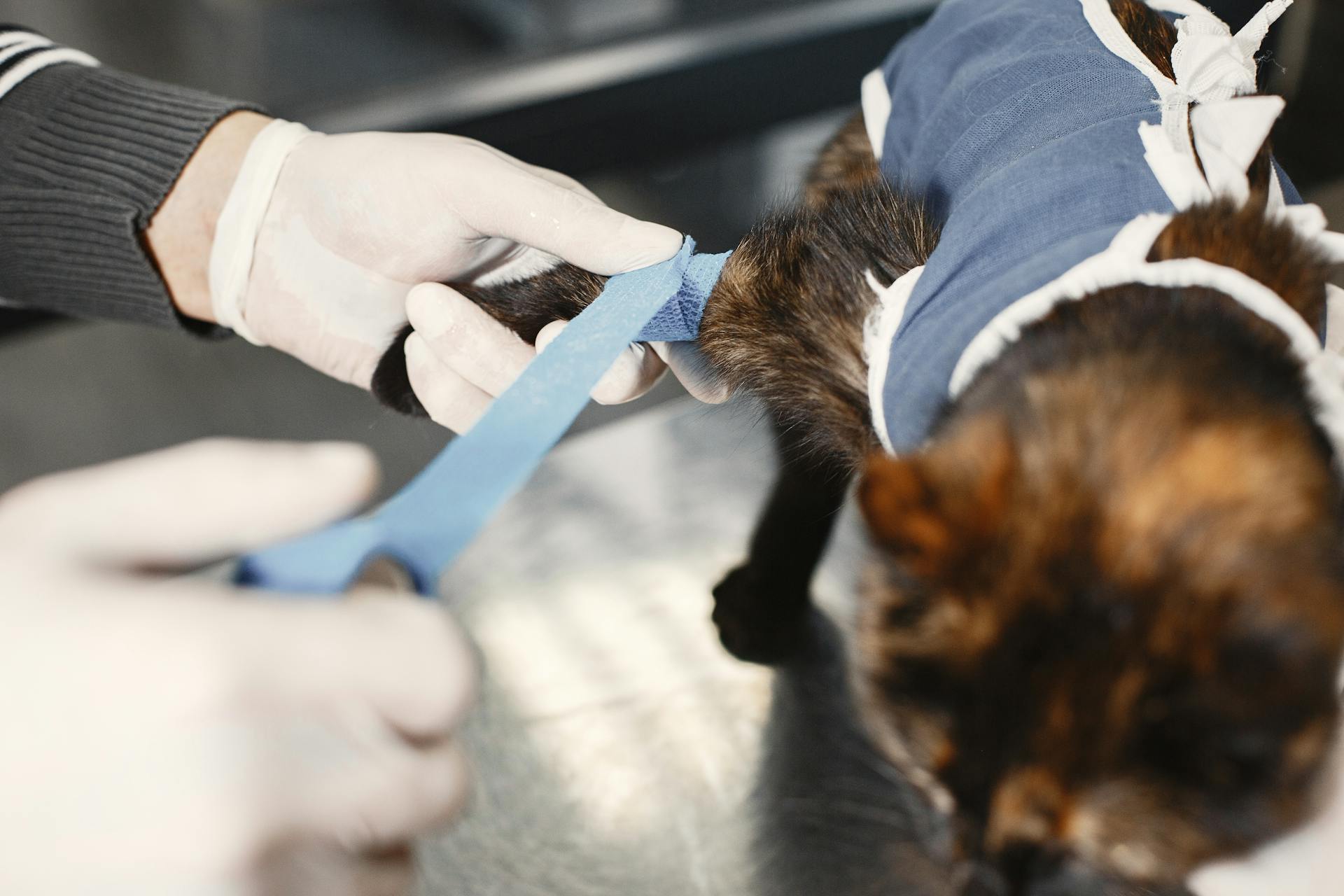
To kill fleas, your veterinarian may recommend an oral or topical flea control product for your cat, as well as treating your home and yard for fleas.
Here are the common symptoms of cat worms:
- Anemia
- Bloated belly (potbelly)
- Constipation
- Diarrhea
- Gas
- Lethargy (lack of energy)
- Licking or biting under the tail
- Loss of appetite
- Malnutrition
- Restricted growth
- Scooting (dragging the rear on the floor)
- Vomiting
- Weight loss
If your cat is heavily infested with intestinal parasites, you may notice these symptoms.
Preventing Cat Parasites
Preventing Cat Parasites is crucial for your cat's health. Using certain monthly flea, tick, and heartworm preventives can protect your cat against roundworms and hookworms.
These preventives are available at your veterinarian's office, so be sure to talk to them about what's best for your cat.
Use the preventative year-round to keep your cat safe from parasites.
Causes and Transmission
Cats can become infected with intestinal parasites in several different ways, depending on the specific parasite and the age of the cat. Kittens are most at risk, especially those that go outdoors or come from crowded places like animal shelters or breeding catteries.
Kittens often get infected from their mother during nursing. Some worms can be passed from mama cat to the kittens through the mother’s milk. This is a common way kittens become infected with worms. Starting at two weeks of age, kittens are dewormed every two weeks until they are about three months old. From 3 to 6 months of age, kittens are dewormed once a month.
Adult cats and kittens can also get infected by sharing food and water bowls or litter boxes with infected cats. Eating rodents, ingesting feces or contaminated soil or plant material, or walking across contaminated feces or soil can also transmit intestinal parasites. Swallowing a flea can lead to tapeworms.
Curious to learn more? Check out: Worms Cats
Health Risks and Safety
You can get worms from your cat, specifically roundworms, hookworms, and Giardia, which are intestinal parasites that can be passed to humans.
Cats can be infected with these parasites, and it's essential to have your cat tested for worms once or twice a year.
The risk of transmission to humans is a concern, so using a year-round parasite preventive product is a good idea.
It's unusual for people to get tapeworms from their cat, but it can happen if you ingest a flea infected with tapeworm.
Frequently Asked Questions
What does parasite cat poop look like?
Cat poop with parasites may resemble spaghetti (roundworms) or small segments of rice (tapeworms), indicating a potential health issue. If you suspect your cat has parasites, watch this video for expert advice on identification and treatment.
How do I get rid of intestinal parasites in my cat?
To get rid of intestinal parasites in your cat, use dewormers like Profender applied to the base of their neck or oral medication as prescribed by a veterinarian. Consult a vet for proper diagnosis and treatment to ensure your cat's health and well-being.
Featured Images: pexels.com