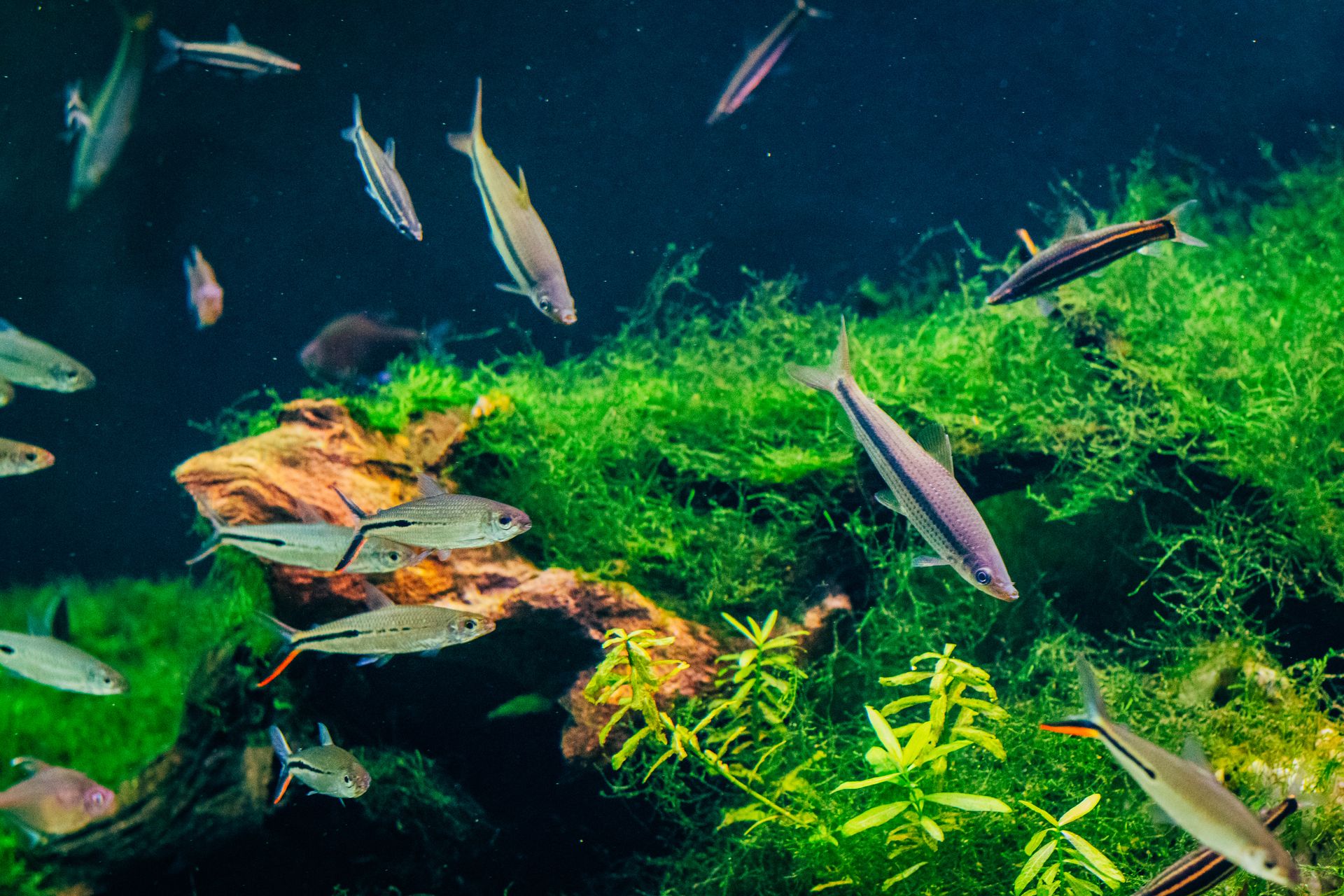
The Hyphessobrycon Eques is a peaceful and active freshwater fish that originates from the rivers of South America.
They are relatively small, reaching a maximum length of about 2.5 cm (1 inch).
In their natural habitat, they inhabit areas with slow to moderate water currents and temperatures between 22-28°C (72-82°F).
They are a schooling fish and thrive in the company of others, making them a great addition to a community aquarium.
Curious to learn more? Check out: Vetcheck Pet Urgent Care Center - Fishers in
Classification and Habitat
Hyphessobrycon eques is a species that belongs to the family Characidae, within the order Characiformes. It's found in the Amazon river in Pará state, Brazil, specifically in the town of Villa Bella, Obidos.
This species has varying color patterns depending on its origin, which can affect the size and shape of the humeral spot, and even lead to some populations being described as separate species. Some of these names might be restored in the future.
Hyphessobrycon eques typically inhabits still and sluggish water bodies, such as ponds, small lakes, and backwaters, where it forms aggregations around patches of marginal vegetation or submerged tree roots.
Classification
The classification of this fish is quite interesting.
It belongs to the order Characiformes and the family Characidae.
The type locality is Villa Bella, Obidos, a town on the Amazon river in Pará state, Brazil, situated between Santarém and Oriximiná.
Wild populations vary in color pattern depending on their origin, especially in the fins and the size and shape of the humeral spot.
Some populations have previously been described as separate species, but only H. eques is currently considered valid.
Distribution and Habitat
Serpae Tetras prefer slow-moving or still backwaters, which include lakes, ponds, and streams.
In their natural habitat, they can be found gathered around tree roots and amidst dense vegetation.
These areas serve as a source of food and a protective sanctuary for the Serpae Tetras.
The distribution area of the Hyphessobrycon eques is very large, extending from the Rio Parana in Paraguay to the Orinoco drainage in Venezuela.
It covers almost the entire Amazon river, with a habitat that consists of major rivers to small streams and flood plains.
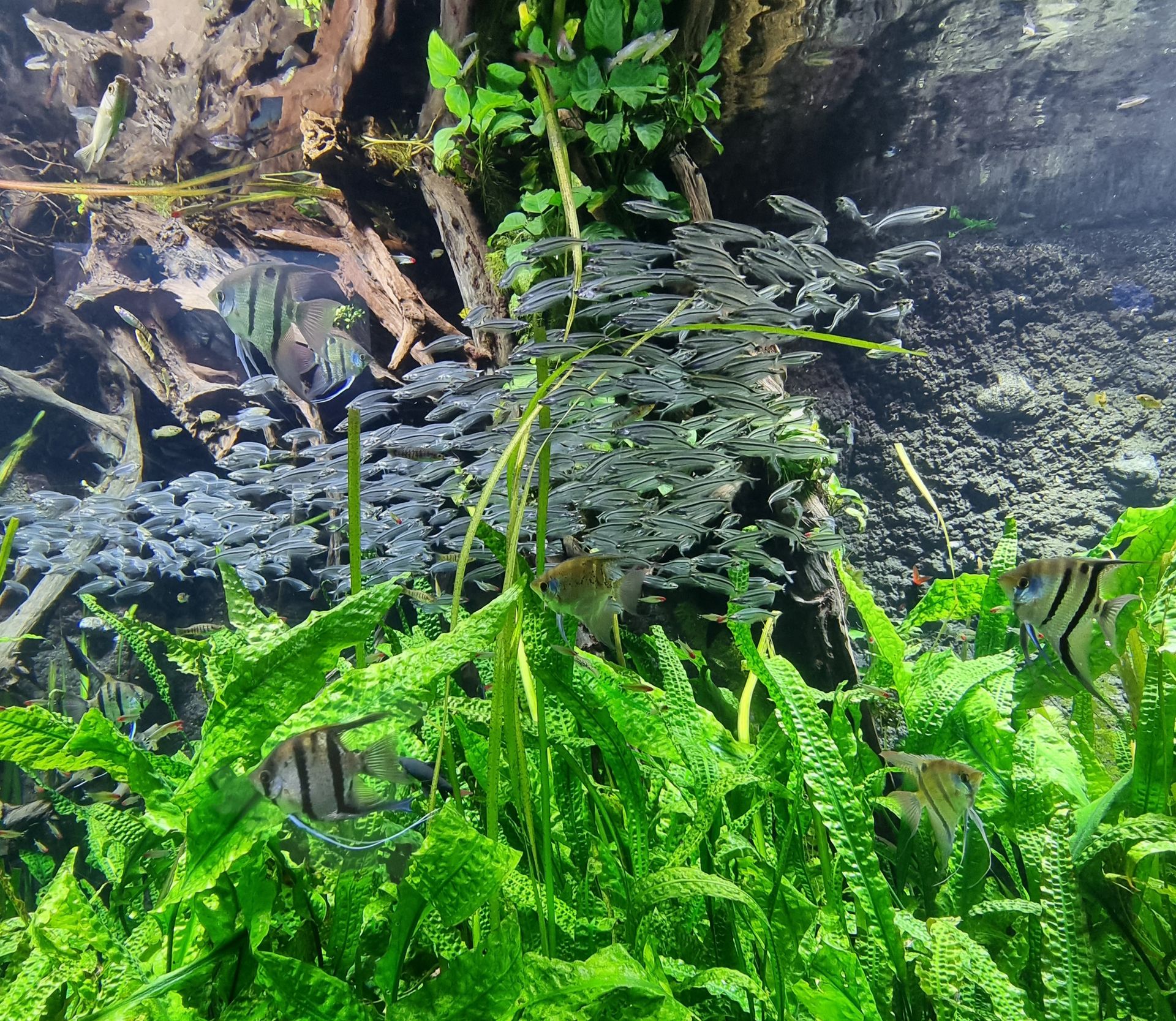
This species occurs in many different living conditions, ranging from clear water with many plants to black water with lots of wood and leaves.
Serpae Tetras originate from the lush and vibrant Amazon basin, particularly the Guapore and Paraguay River Basins.
In these areas, the water bodies are diverse, including lakes, ponds, and streams, where the Serpae Tetras can be found.
Behavior and Care
Hyphessobrycon eques are best kept in groups of 6 to 12, as this allows them to swim and interact with each other naturally.
They usually swim between 5 to 20 centimeters above the bottom and can be quite active, with males continually battling each other for female attention and positioning within the group.
In a group, they can be quite boisterous and may nip at the fins of tankmates, especially if there are insufficient numbers or space.
A group of at least 12 specimens is recommended to minimize aggression towards tankmates, and adding other compatible species requires larger tanks.
Males will also show better coloration in the presence of conspecific rivals, making for a more vibrant display.
Robust, open water-dwelling characids are a good choice for tankmates, as they inhabit similar biotopes in nature.
Behavior and Compatibility
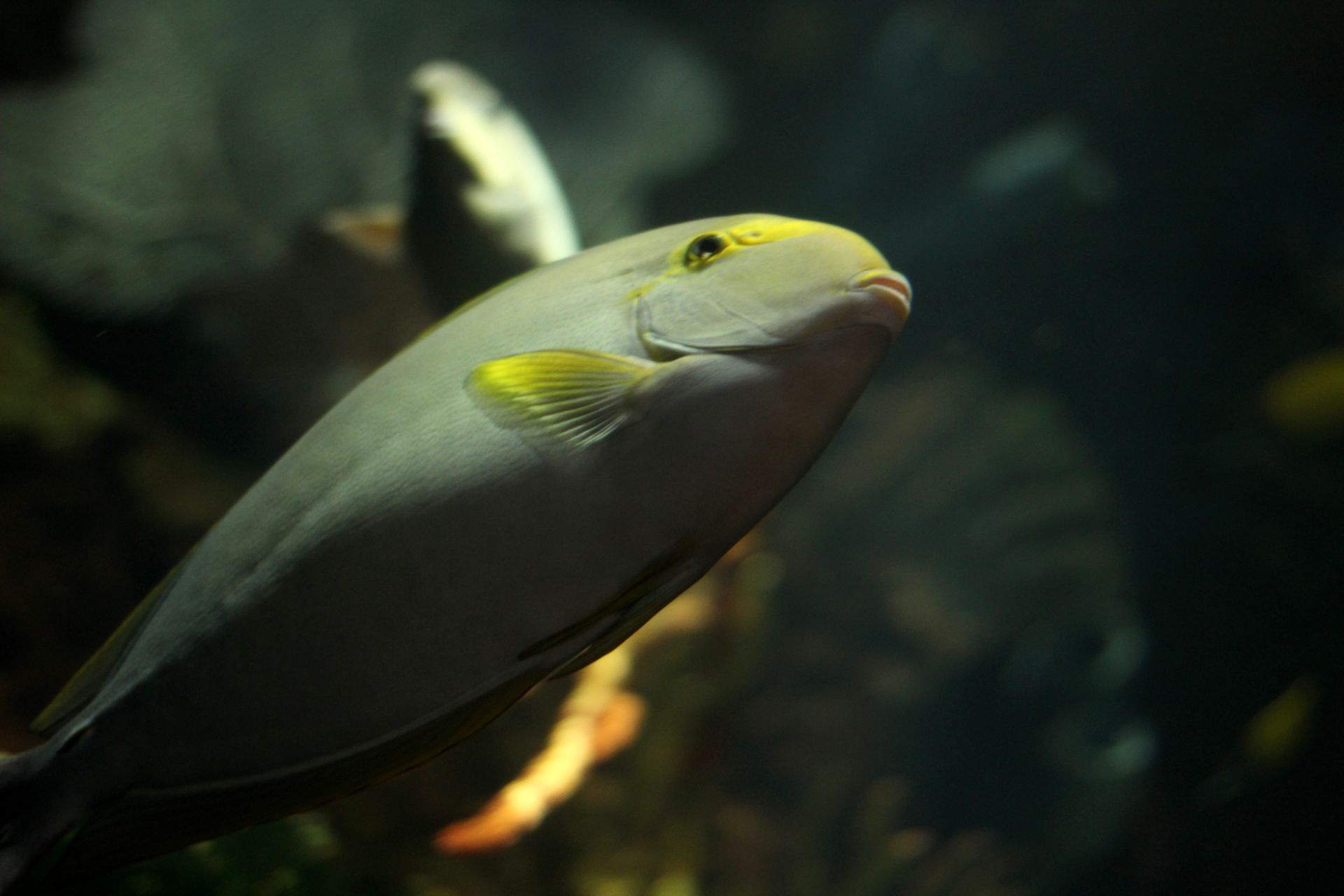
Hyphessobrycon eques is a social species that thrives in groups of 6 to 12 individuals. They're naturally active and will often swim between 5 to 20 centimeters above the bottom of the tank.
In a group, you can expect to see some fin nipping, but it's usually not severe. However, this behavior can be more pronounced when the group is too small or the tank is too small.
To keep them happy, you'll want to provide a tank with plenty of space for them to swim around. A group of at least 12 specimens is recommended to keep them distracted from tankmates.
Male Hyphessobrycon eques will show better coloration when they have conspecific rivals to compete with. This is a sign of a healthy and thriving group.
However, this species isn't suitable for shy, slow-moving, or long-finned fish. They're simply too boisterous and may nip at their tankmates' fins.
If you're looking to keep them with other species, robust and active fish that inhabit similar biotopes in nature are a good choice. Some examples include gasteropelecids, lebiasinids, and smaller callichthyid or loricariid catfishes.
Check this out: Small Labradors
Diet & Feeding
Serpae Tetras are adaptable and can thrive on a diet that includes flake or pellet food, as well as ground grains and vegetable matter. This variety helps ensure they receive a well-rounded intake of nutrients.
These fish enjoy treats of small live or frozen foods like insects, bloodworms, and brine shrimp. This keeps them interested in their food and contributes to their overall health and vibrancy.
Their relatively small mouths require food to be appropriately sized to facilitate comfortable consumption. This helps avoid potential feeding problems and allows them to fully benefit from their varied diet.
Here's an interesting read: Fish Food for Pond Goldfish
Breeding and Spawning
To breed Hyphessobrycon eques, you'll want to start by creating a suitable environment. Breeding water with no nitrates and a pH between 6.00-6.50 is ideal.
The tank should be well-maintained, with a recirculation device to keep the water clean and free of excretions. Breeding water with dissolved oxygen concentration between 5.94-7.10 mg/L is also necessary.
Matured female and male fish were purchased from the market and moved into a 50×50×30 cm glass fish tank. The breeding temperature was maintained at 27.5-28.5°C, which is crucial for spawning behaviors.
You might enjoy: 6 Month Old Irish Wolfhound
Breeding Conditions
To breed fish successfully, it's essential to create an ideal environment. The breeding tank used in this study was a 50×50×30 cm squared glass fish tank.
The water in the tank was diluted with 50 grams of NO nitrates to eliminate any harmful substances. This helps to create a safe space for the fish to thrive.
The pH level was maintained between 6.00–6.50, with an average of 6.25 ± 0.25. This narrow pH range is crucial for fish health.
Dissolved oxygen levels were also carefully monitored, ranging from 5.94–7.10 mg/L, with an average of 6.73 ± 0.29 mg/L. Adequate oxygen levels are vital for fish survival.
The breeding temperature was maintained between 27.5–28.5°C using an automatic water temperature regulator. This precise temperature control is necessary for optimal fish development.
Excretions and remnants were managed using a recirculation device, keeping the tank clean and free of waste. Regular cleaning is essential for maintaining a healthy environment.
Fishes were fed twice a day with a combination of blood worms and assorted feed. A balanced diet is crucial for the health and well-being of the fish.
For your interest: How to Nurse a Bird Back to Health
Spawning Behavior
Spawning behavior of Hyphessobrycon eques is triggered by water temperatures reaching 27°C or higher. This is a crucial factor to consider when creating a breeding environment for these fish.
Male fishes are thinner and smaller in size compared to female fishes during the spawning period. I've observed similar differences in other fish species, where males tend to be more slender and agile.
Female fishes have an inflated abdomen and opaque ventral fins, while their anal fins turn red. This visual cue can be an important indicator of a female's readiness to spawn.
Male anal fins are shorter and sharper at the end, whereas female anal fins are longer. This difference in fin shape and size can be a key distinguishing feature between males and females.
Spawning typically occurs in the morning, and the behavior can be divided into three stages: early, spawning, and post-spawning. By understanding these stages, you can better prepare for and manage the spawning process.
Intriguing read: Male French Bulldogs
Physical Characteristics
One of the easiest ways to tell male and female Serpae Tetras apart is by looking at their body shape. Females have a more rounded body shape compared to males.
Male Serpae Tetras tend to have a slimmer physique, which is a noticeable distinction from females. They also exhibit more vibrant and vivid hues, particularly when they're in good health or during breeding times.
Female Serpae Tetras, on the other hand, have a somewhat more subdued appearance, with their colours appearing less vibrant compared to males. This is a key characteristic to look out for when trying to determine the sex of your fish.
Broaden your view: Feline Lymphoma When to Euthanize
Quick Facts and Parameters
The Hyphessobrycon eques is a fascinating fish species. They are also known as Red Minor Tetras, Jewel Tetras, or Callistus Tetras, but Hyphessobrycon eques is their scientific name.
Their origins are quite interesting, as they are found in Paraguay, Argentina, and Brazil. They thrive in freshwater environments.
Here are some key quick facts about this species:
To keep your Hyphessobrycon eques happy and healthy, you'll want to maintain the ideal temperature range of 72-79°F (22-26°C).
Quick Facts
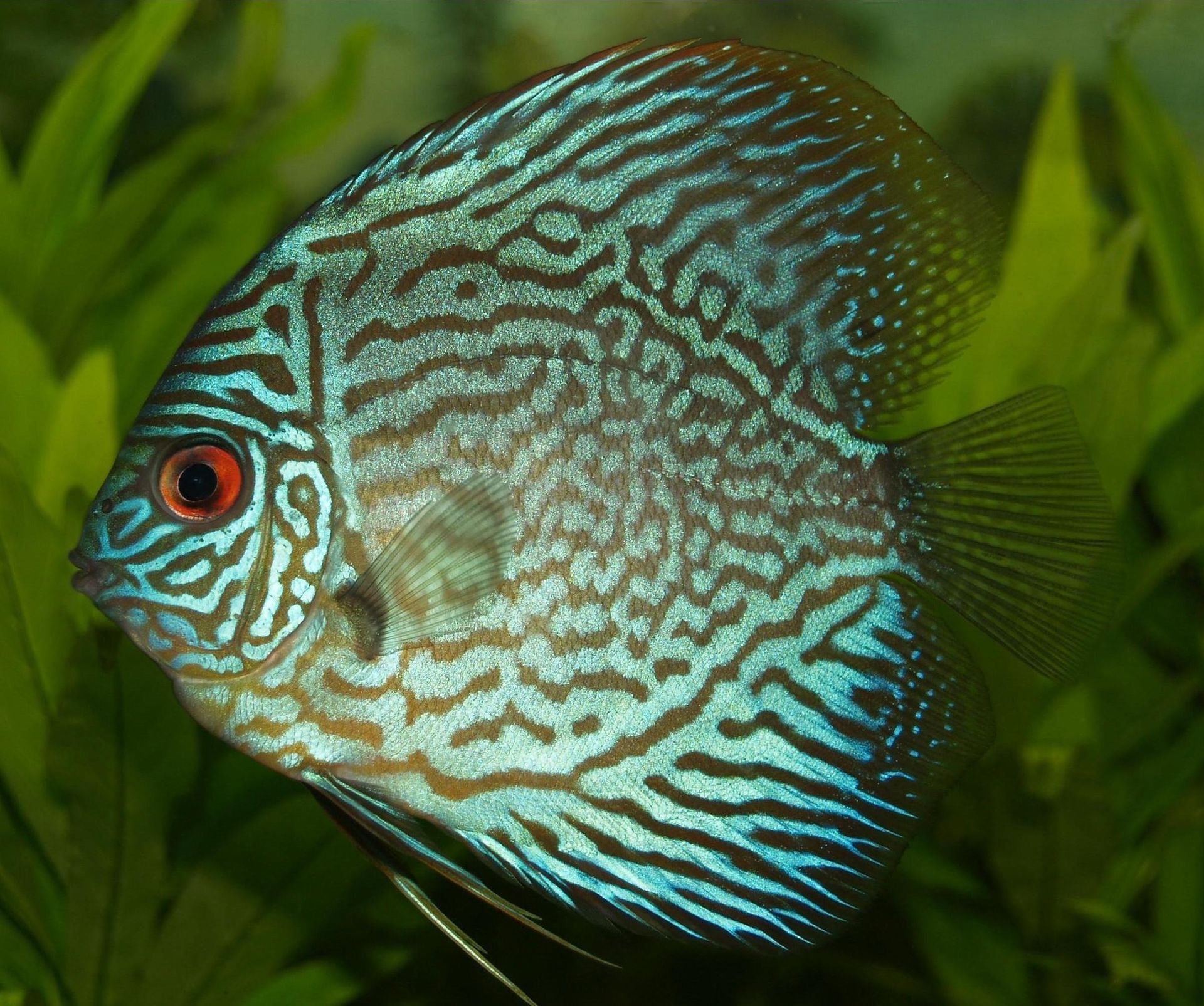
The Red Minor Tetra, also known as the Jewel tetra, is a peaceful and fascinating fish species. Its scientific name is Hyphessobrycon eques.
This fish is native to Paraguay, Argentina, and Brazil, and can thrive in a variety of environments. Its approximate maximum size is 4 cm, making it a great choice for smaller aquariums.
The Red Minor Tetra is an egg depositor, which means it lays eggs rather than giving birth to live young. This is an interesting fact that's worth noting for any fish enthusiasts out there.
Here are some key parameters to keep in mind when caring for the Red Minor Tetra:
These fish are relatively easy to care for, making them a great choice for beginners. They are also omnivores, which means they eat both plants and animals.
Water Parameters
Water parameters are crucial for keeping your aquatic friends healthy and thriving. Freshwater is the type of water that's perfect for most aquariums, with a pH range of 5.0 to 7.5.
The pH level is a measure of how acidic or alkaline the water is. A pH range of 5.0 to 7.5 is ideal for most freshwater aquariums.
General hardness (GH) is another important parameter to consider. A GH range of 5 to 25 is suitable for most freshwater fish.
Here's a quick rundown of the water parameters we've discussed:
Distribution and Images
Hyphessobrycon eques is a small, peaceful fish that can thrive in well-maintained aquariums. They are native to the Orinoco River basin in South America.
These fish are relatively easy to care for and can be a great choice for beginners. They prefer soft, slightly acidic water with a temperature range of 72-82°F (22-28°C).
Their small size, typically around 1-2 inches (2.5-5 cm), makes them a great addition to small community aquariums. They are also relatively low-maintenance and can be fed a diet of flake or pellet food.
In the wild, Hyphessobrycon eques can be found in shallow, slow-moving waters with dense vegetation. This natural environment is often replicated in aquariums to provide a comfortable and stimulating environment for the fish.
Serpae Tetra
The Serpae Tetra is a popular freshwater aquarium fish that's often compared to the Hyphessobrycon eques. It's a peaceful and hardy fish that can thrive in a well-maintained aquarium.
One of the key similarities between the Serpae Tetra and the Hyphessobrycon eques is their schooling behavior. They both prefer to swim in groups and can become stressed if kept alone.
Serpae Tetras are native to South America, specifically in the Paraná River basin, which is also the native habitat of the Hyphessobrycon eques. They thrive in warm water temperatures between 72°F and 82°F.
Both Serpae Tetras and Hyphessobrycon eques are omnivores and require a varied diet to stay healthy. They can be fed commercial flake food, but also benefit from live or frozen foods such as brine shrimp or daphnia.
Featured Images: pexels.com