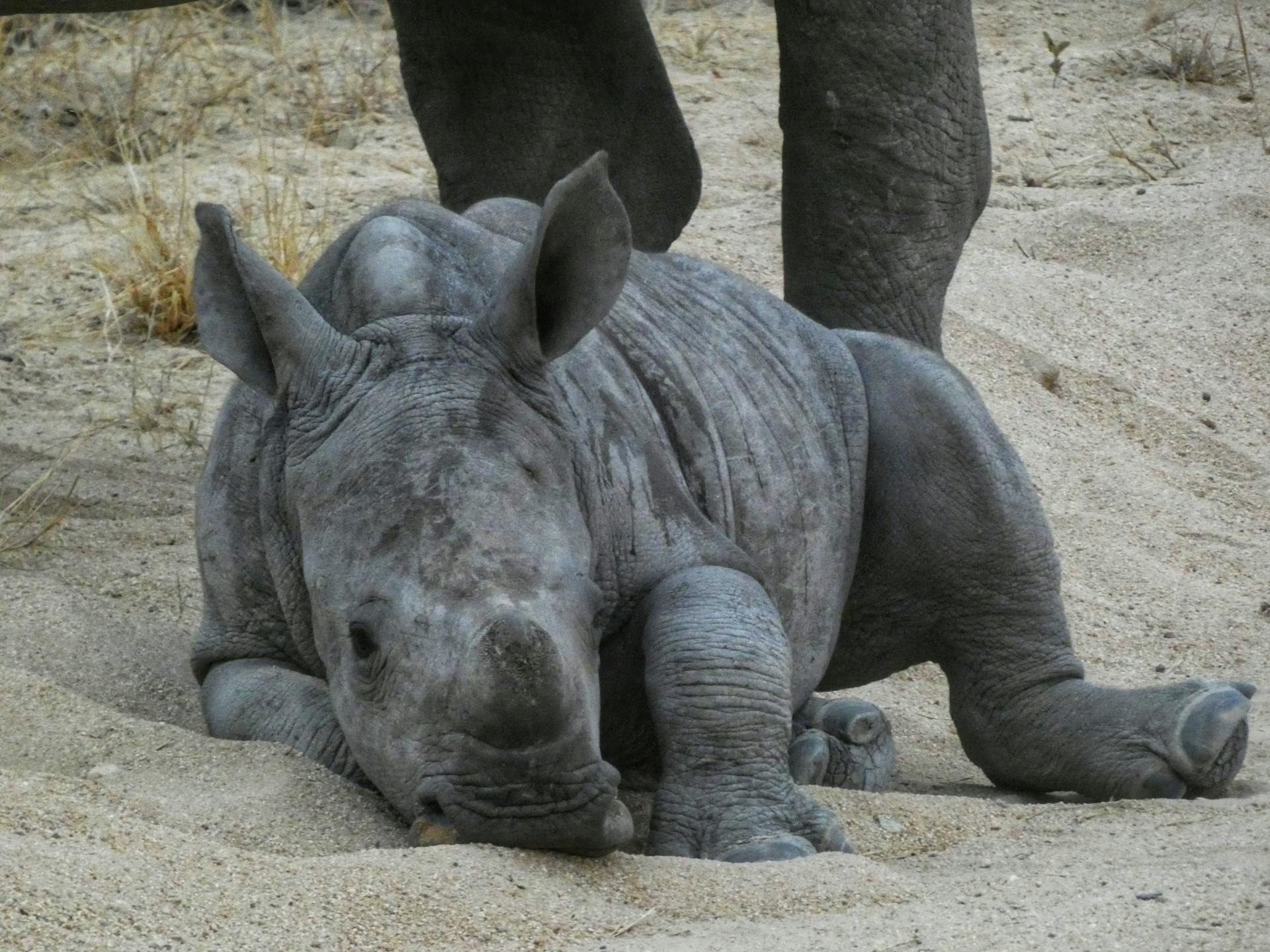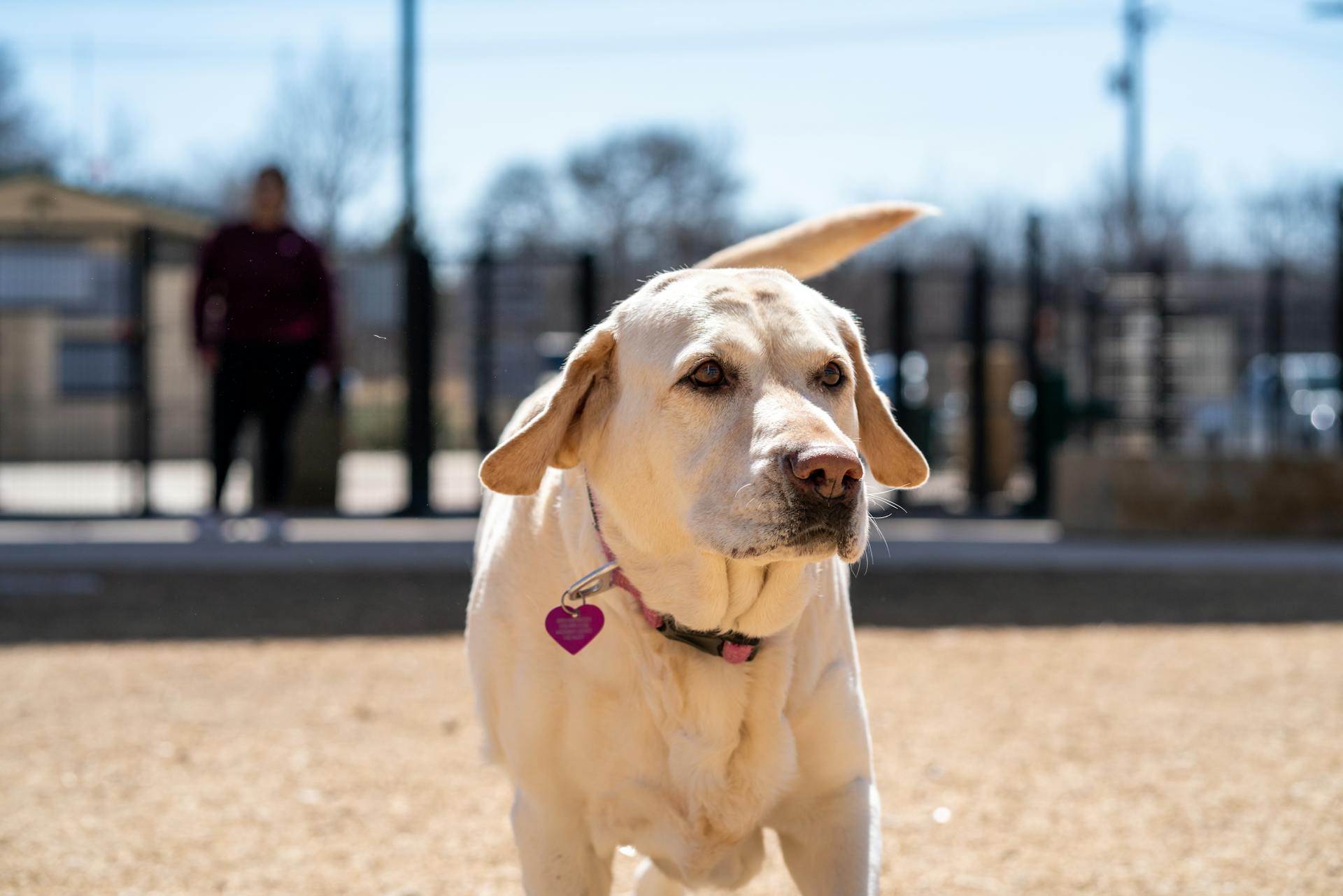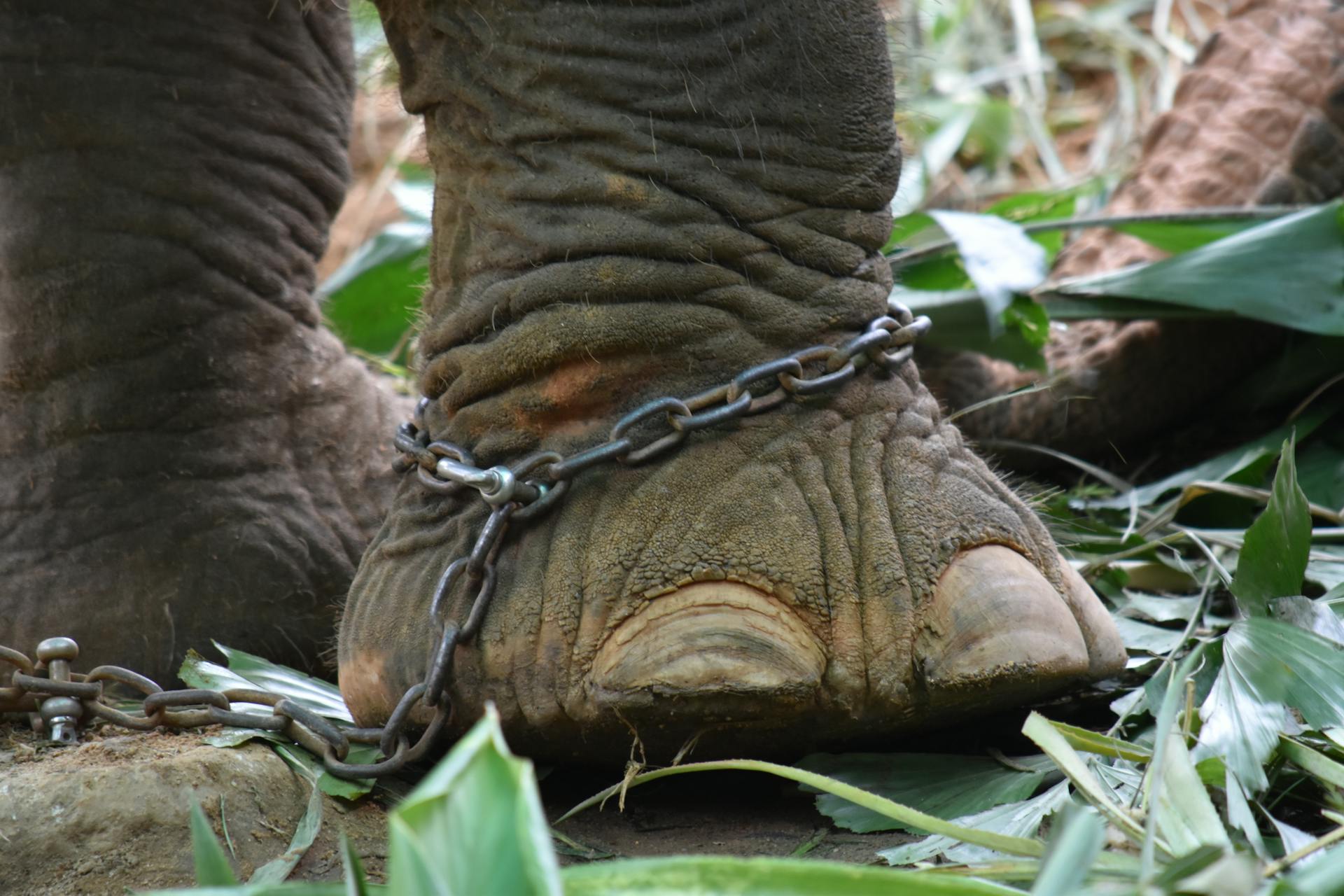
If you suspect animal neglect, you can report it anonymously to help protect animals. Many organizations have dedicated hotlines and online reporting systems to ensure your safety and confidentiality.
The Humane Society of the United States has a dedicated reporting system that allows you to submit a tip anonymously. You can also contact local animal welfare organizations or law enforcement agencies in your area.
Reporting animal neglect can be a difficult decision, but it's crucial to act quickly to prevent further suffering. Animal neglect cases can escalate rapidly, putting the animal's life at risk.
By reporting animal neglect, you can help bring perpetrators to justice and prevent future cases of animal cruelty.
Take a look at this: Animal Conservation Organizations
Why Report Animal Neglect
Reporting animal neglect is crucial because it can prevent further suffering and even save lives.
Animal neglect can have serious consequences for the animals involved, including starvation, dehydration, and even death.
In the United States alone, over 1 million animals are abandoned or neglected each year.
Reporting animal neglect can also help prevent the spread of diseases, such as rabies and distemper, which can have devastating effects on animal populations.
The Humane Society estimates that animal cruelty cases result in over $2 billion in economic losses each year.
By reporting animal neglect, you can help hold perpetrators accountable and bring them to justice.
How to Report Animal Neglect
Reporting animal neglect anonymously can be a daunting task, but it's essential to ensure the safety and well-being of animals in need.
First, gather as much information as possible about the situation, including the location, type of animal, and any visible signs of neglect.
Contact your local animal control agency or police department to report the neglect, as they are responsible for investigating and intervening in cases of animal cruelty.
You can also reach out to organizations such as the Humane Society or the ASPCA for guidance and support in reporting animal neglect anonymously.
Remember, every piece of information counts, and even a small tip can make a big difference in the life of an animal in need.
Identifying Neglect
Visible signs of neglect can be a clear indication of a problem, such as a dirty or infested living environment.
Malnutrition can be identified through physical signs like a dull coat, weight loss, and swollen joints.
A lack of proper veterinary care can be evident in the condition of a pet's teeth, ears, and eyes.
Neglect can also be indicated by a pet's behavior, such as excessive fear or aggression.
Some animals may exhibit physical signs of neglect due to a lack of exercise, such as obesity or muscle wasting.
The condition of a pet's living space can reveal signs of neglect, such as a lack of food, water, or shelter.
Broaden your view: Oakland County Animal Shelter and Pet Adoption Center
Gathering Evidence
Take photos of the animal's living conditions, including any signs of neglect such as dirty enclosures or lack of food and water.
Observe the animal's behavior, noting any signs of distress or fear.
Document the animal's physical condition, including any visible injuries or signs of malnutrition.
Expand your knowledge: Signs of Animal Neglect
Note the location and any other details about the situation, such as the time of day or the presence of other animals.
Keep a record of any conversations or interactions with the animal's owner or caregiver.
Take note of any relevant laws or regulations in your area that may be related to animal neglect.
Reporting Options
Reporting animal neglect anonymously can be a daunting task, but there are several options available.
You can report animal neglect anonymously to your local animal control agency or law enforcement department.
Many agencies have online reporting forms that can be submitted 24/7, making it easy to report neglect without having to make a phone call or visit in person.
These forms typically ask for basic information about the situation, such as the location and a brief description of the neglect.
Choosing a Reporting Method
There are three main types of reporting methods: financial, operational, and regulatory.
Financial reporting is typically used by businesses to communicate their financial performance to stakeholders, such as investors and creditors. It provides a snapshot of a company's financial situation at a specific point in time.
Suggestion: Angels for Animals Financial Assistance
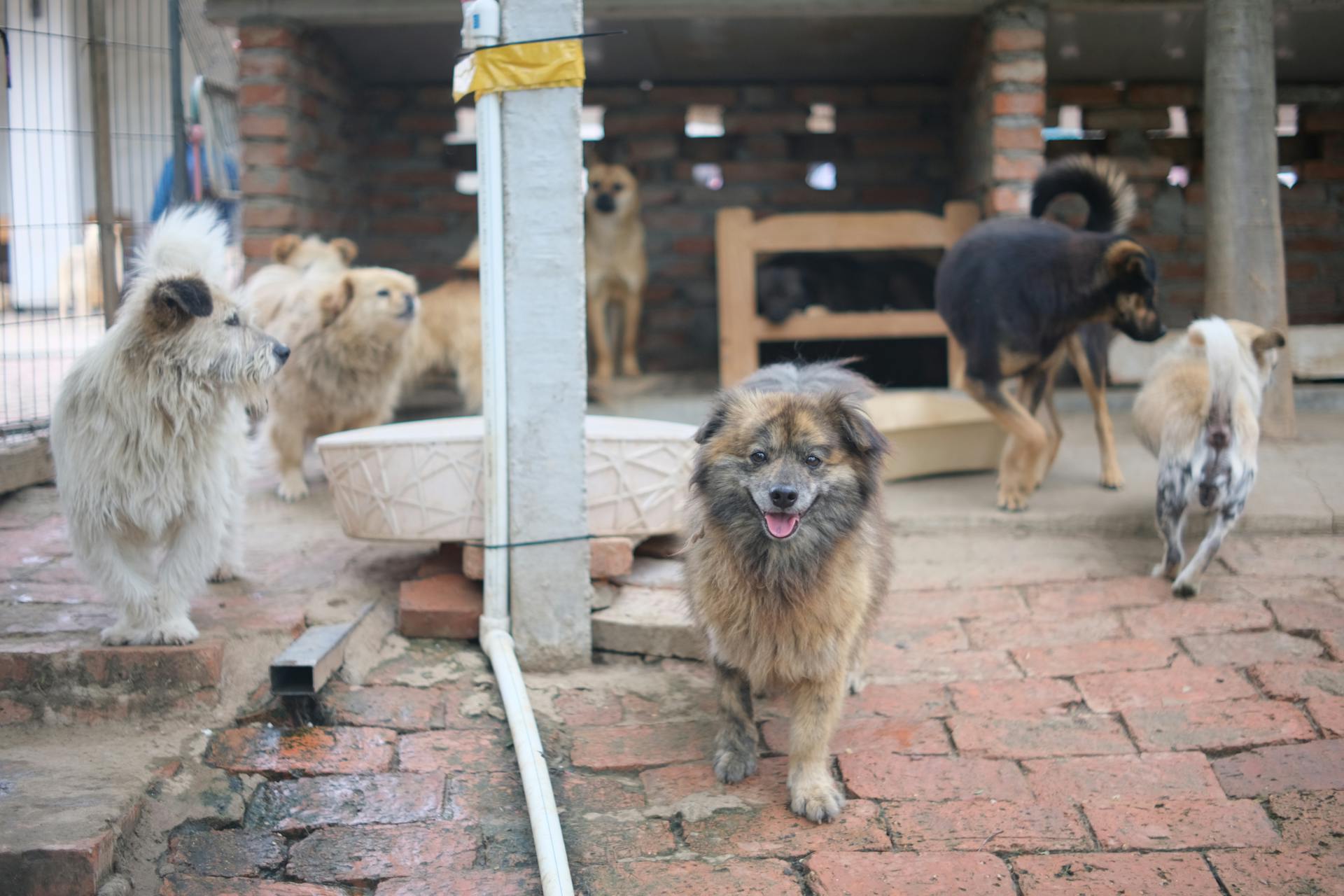
Operational reporting is focused on the day-to-day activities of a business and is often used to track key performance indicators (KPIs) such as sales, customer satisfaction, and employee productivity.
Regulatory reporting is required by law and is used to report financial information to government agencies, such as tax authorities and financial regulators.
The type of reporting method chosen will depend on the specific needs of the business and its stakeholders.
Local Authorities
Local Authorities are responsible for investigating and responding to reports of hate crimes in their jurisdictions. They have the power to launch investigations and take enforcement action.
In some areas, Local Authorities have dedicated Hate Crime Units that handle these types of cases specifically. These units are often staffed by trained investigators and prosecutors who have expertise in hate crime laws and procedures.
Local Authorities can also provide support and resources to victims of hate crimes, such as counseling services and victim advocacy programs.
Animal Welfare Organizations
If you're concerned about animal welfare, there are several organizations you can reach out to for help. The Humane Society is one such organization that provides resources and support for animals in need.
The Humane Society has a 24/7 cruelty hotline that you can call to report animal abuse or neglect. They also have a website where you can report animal cruelty online.
The ASPCA is another organization that works to prevent animal cruelty and promote animal welfare. They have a 24-hour hotline that you can call to report animal abuse or neglect.
You can also contact your local animal shelter or humane society to report animal cruelty or neglect. They often have dedicated staff and resources to investigate and address animal welfare concerns.
Here's an interesting read: Animal Neglect Hotline
Online Reporting Platforms
Online reporting platforms have become increasingly popular for their convenience and accessibility. They allow users to report incidents or issues from anywhere with an internet connection.
Some platforms offer mobile apps, making it easy to report on-the-go. Many online reporting platforms are available 24/7, making it possible to report at any time.
Online reporting platforms often provide a secure and confidential way to report incidents, with features like encryption and anonymous reporting. This can be especially useful for victims of harassment or abuse.
Some platforms also offer the option to report incidents in multiple languages, making it more accessible to a wider range of users.
Secure Reporting Methods
Secure Reporting Methods are essential for protecting sensitive information.
Email is not a secure reporting method, as it can be intercepted by unauthorized parties.
Secure online portals are a recommended alternative, as they use encryption to safeguard data.
These portals often have two-factor authentication, adding an extra layer of security.
Some organizations also offer phone or in-person reporting options, which can be beneficial for those who prefer a more personal approach.
These options are typically available 24/7, providing flexibility and convenience.
Protecting Your Identity
Online anonymity is crucial when reporting animal neglect, as you don't want your identity to be compromised.
Reporting animal neglect anonymously can be done through various hotlines and online platforms, such as the Humane Society's Animal Abuse Hotline.
Your identity is protected by laws such as the Animal Welfare Act, which prohibits the disclosure of information that could lead to the identification of a person who reports animal cruelty.
What to Expect After Reporting
After reporting animal neglect anonymously, you can expect a thorough investigation to take place.
The investigating agency will review the information you provided and may contact you for additional details.
You can remain anonymous, but be prepared for follow-up questions to ensure the case is handled properly.
The investigation may involve a home visit or interview with the animal's owner, and in some cases, the agency may take immediate action to remove the animals from the premises.
In most cases, the agency will work with local law enforcement to ensure the animals are safe and receiving proper care.
Keep in mind that the investigation process may take several days or weeks to complete, so be patient and allow the agency to do their job.
Discover more: Animal Neglect Cases
Investigation Process

After reporting, the investigation process typically begins with an initial review of the complaint, which may take anywhere from a few days to several weeks.
The investigator will gather all relevant information, including witness statements, evidence, and any supporting documentation.
They will also review the policies and procedures of the organization or institution being investigated.
The investigator's goal is to determine whether the alleged misconduct occurred and whether it violated any policies or procedures.
The investigation may involve interviewing witnesses, gathering evidence, and conducting site visits.
The investigator will also review any relevant records and documents, such as emails, phone records, and security footage.
The investigation process can be lengthy, often taking several months to complete.
The investigator's findings will be documented in a report, which may include recommendations for disciplinary action or other steps to address the issue.
The report will be reviewed by a decision-maker, who will determine the next course of action.

The decision-maker may decide to take disciplinary action, implement new policies or procedures, or provide additional training to prevent similar incidents in the future.
The investigation process is designed to be fair and impartial, with the goal of getting to the truth and holding individuals accountable for their actions.
The outcome of the investigation may be shared with the person who reported the misconduct, as well as with other relevant parties.
Follow-up and Updates
After reporting, you can expect to receive a response from the relevant authority within 14 days, as mandated by law.
The response will likely be in writing, detailing the next steps and any additional information required to proceed with your case.
You may be asked to provide further documentation, such as witness statements or medical records, to support your claim.
It's essential to keep a record of all correspondence, including dates and times of phone calls or meetings.
Frequently Asked Questions
What evidence do you need for animal abuse?
To report animal abuse, provide dates, times, and details of observations, as well as names and contact info of witnesses, and any photos or videos of the alleged abuse. This evidence will help law enforcement investigate and take action.
Featured Images: pexels.com