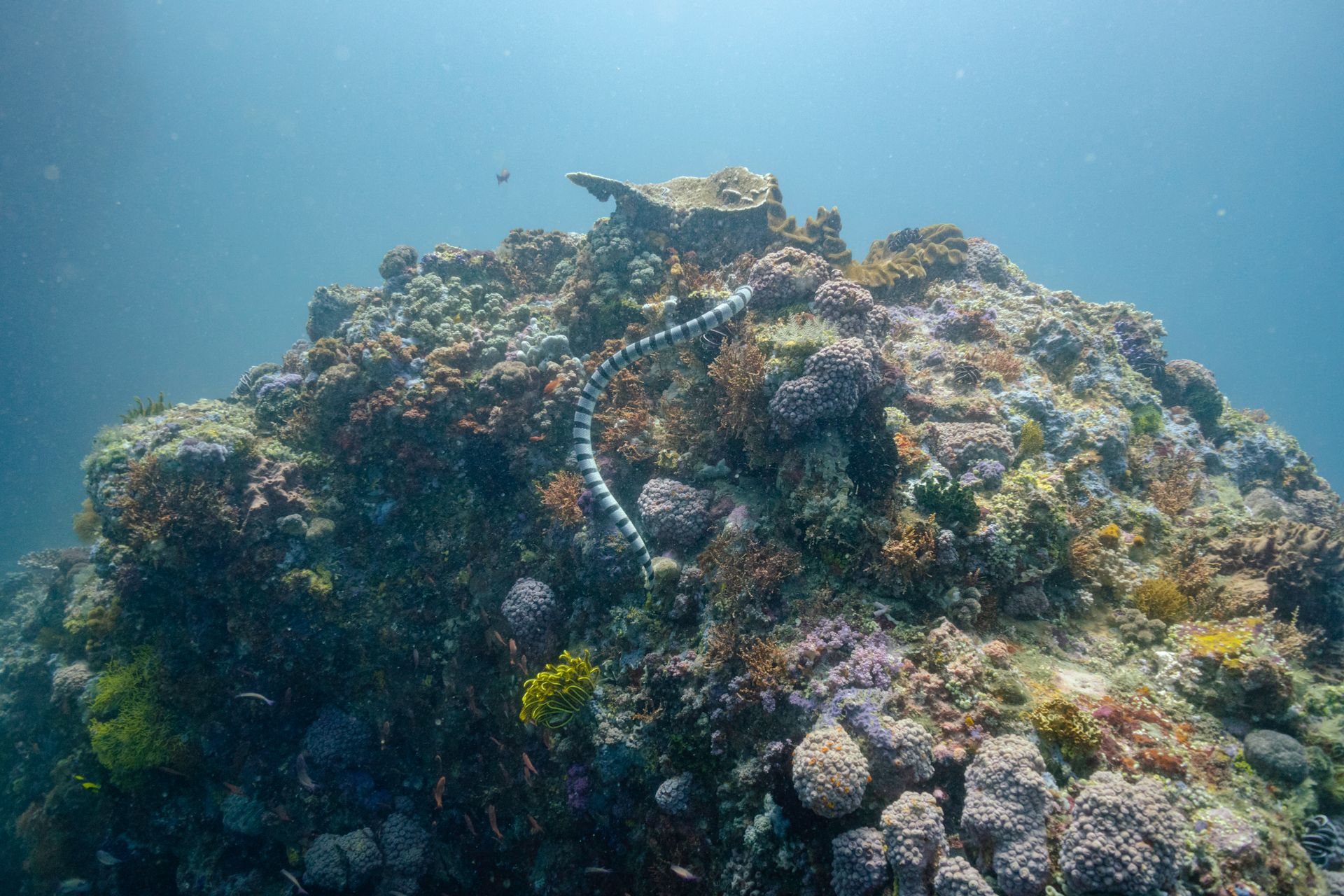
The Homalopsidae family is quite fascinating, and I'm excited to share some interesting facts with you. They are a group of venomous snakes found in Southeast Asia and the Pacific Islands.
One of the unique characteristics of Homalopsidae snakes is their ability to live in freshwater environments, such as rivers, lakes, and wetlands. This is a remarkable adaptation that allows them to thrive in areas where other snakes might not be able to survive.
Homalopsidae snakes are relatively small, with most species reaching lengths of less than 3 feet. Despite their size, they are capable of delivering a painful bite, so it's essential to exercise caution if you encounter one in the wild.
These snakes are carnivores and feed on a variety of small animals, including fish, frogs, and insects.
Classification
The classification of Homalopsidae is a complex but fascinating topic. The family belongs to the order Squamata, which includes lizards and snakes. This order is further divided into several suborders, with Homalopsidae falling under the suborder Serpentes.
The superfamily Homalopsoidea is the highest classification for this group, and it includes 29 genera of snakes. These genera are listed below:
- Bitia
- Brachyorrhos
- Calamophis
- Cantoria
- Cerberus
- Dieurostus
- Djokoiskandarus
- Enhydris
- Erpeton
- Ferania
- Fordonia
- Gerarda
- Gyiophis
- Heurnia
- Homalophis
- Homalopsis
- Hypsiscopus
- Karnsophis
- Kualatahan
- Mintonophis
- Miralia
- Myanophis
- Myron
- Myrrophis
- Phytolopsis
- Pseudoferania
- Raclitia
- Subsessor
- Sumatranus
These genera are all part of the family Homalopsidae, which is characterized by its unique characteristics and adaptations.
Featured Images: pexels.com