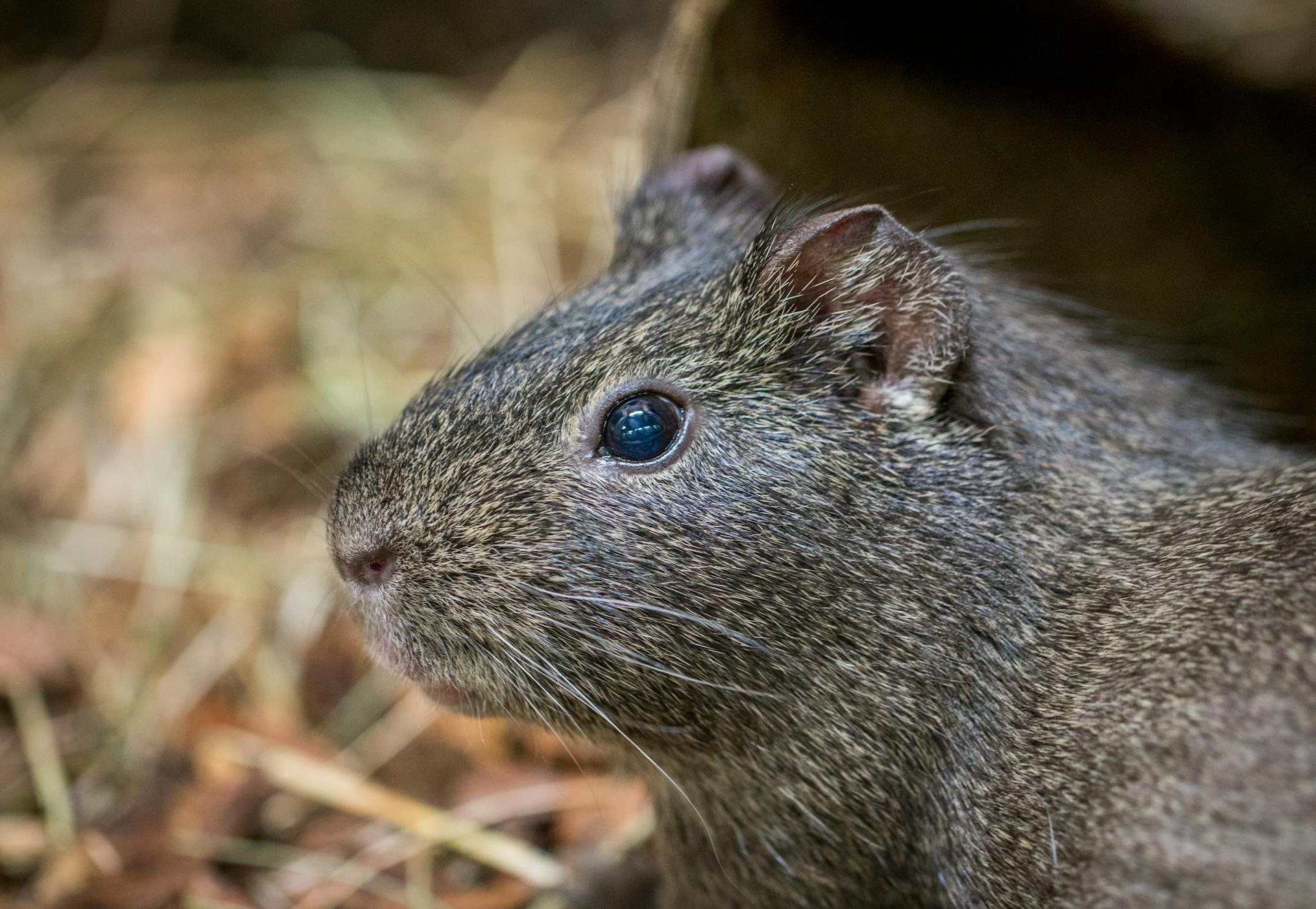
These fascinating creatures have adapted to life in the desert and grasslands of North and South America. They are primarily nocturnal, meaning they're most active at night.
With their remarkable ability to survive in arid environments, pocket mice and kangaroo rats have developed unique physical features. Their large ears and long tails help them to dissipate heat and maintain balance.
Their ability to survive on seeds and fruits, often storing them in their cheek pouches, allows them to go without water for long periods. This adaptation is crucial for their survival in areas where water is scarce.
Classification and Taxonomy
The kingdom Animalia is home to the Heteromyidae family, which includes kangaroo rats, pocket mice, and their relatives.
These animals belong to the phylum Chordata, a group characterized by the presence of a notochord, a flexible rod-like structure that provides support and stiffness to the body.
The subphylum Vertebrata is a subset of Chordata, and it includes animals with a backbone or spinal column. Heteromyidae is a part of this group.
The class Mammalia is the highest taxonomic rank that includes all mammals, and Heteromyidae falls under this category.
The order Rodentia is a group of mammals that includes rodents, and Heteromyidae is a part of this order.
Here's a breakdown of the taxonomic ranks for Heteromyidae:
- Kingdom: Animalia
- Phylum: Chordata
- Subphylum: Vertebrata
- Class: Mammalia
- Order: Rodentia
- Family: Heteromyidae
Physical Characteristics and Behavior
Heteromyids are nocturnal rodents, and they're quite agile in the dark. They move about mostly by hopping on their hind limbs, like kangaroo rats and mice.
Their bodies are adapted for this unique way of moving, with elongated hind limbs and feet that allow for long, powerful jumps. These specialized features are especially noticeable in kangaroo rats and mice.
Heteromyids also have external fur-lined cheek pouches that open in front of their mouth, which they use to carry food and other items. These pouches are a distinctive characteristic of the group.
In addition to their physical adaptations, heteromyids have well-developed communication systems. They use a variety of methods to communicate, including drumming or thumping the ground with their hind feet.
Physical Characteristics
Heteromyids are frequently associated with the specialized morphology of kangaroo rats, which weigh between 1.2 and 6.9 oz.
Kangaroo rats move in long powerful jumps on elongated hind limbs and feet, a trait they share with kangaroo mice. Their long, beautiful tails with white tips or tufts at the end help with balance and even serve as flags.
The body type of pocket mice is more generalized, lacking the specialized features of other species. They have a standard quadrupedal locomotion and are rat-like rodents.
Desert pocket mice are quite diverse in terms of body weight, ranging from 0.2 to 1.1 oz in Perognathus and 0.4 to 1.7 oz in Chaetodipus. They have relatively long feet but are poor jumpers and exhibit quadrupedal locomotion.
All heteromyids have external fur-lined cheek pouches that open anterior to the mouth and are nocturnal with fairly large eyes. Their ears are short and rounded.
Kangaroo rats and mice have inflated auditory bullae and extremely keen hearing in the low to mid-frequency ranges.
Behavior and Reproduction
Heteromyids are nocturnal rodents, active at night, and mostly live alone except for females and young.
They have a very basic social structure, and most species burrow tunnel systems with multiple chambers and surface openings.
Kangaroo rats and mice move about mostly by hopping on their hind limbs, while pocket mice use all four of their limbs in a walking motion.
Females occupy a territory that contains no other females, and males always travel to female territories during breeding season in order to mate.
Their scent informs other heteromyids and other animals about their sex, identity, and mating status, and they regularly bathe in sand to deposit their scents onto the ground.
Males will drum their feet to chase away competing males, and females prefer to mate with males they know, but will mate with strangers if necessary.
Females produce several litters each year, but the number depends on environmental conditions, and litter sizes range from one to nine, but average three to four in most species.
They live ten years or longer, and their strong hearing lets them hear approaching predators, which helps them avoid danger.
Habitat and Predator Defense
Heteromyids inhabit a variety of arid habitats, including wind-blown sand, sagebrush, and rocky hillsides.
Desert pocket mice and kangaroo rats coexist in complex communities, where multiple species share the same space. For example, a community in the Great Basin desert in Nevada was found to contain three species of kangaroo rat, a kangaroo mouse, and a pocket mouse.
In contrast, kangaroo mice are mainly restricted to sandy habitats, while heteromys occupies tropical wet forests and Liomys is found in tropical dry forests and thorn scrub.
Habitat
Desert pocket mice and kangaroo rats inhabit a variety of arid habitats, including wind-blown sand, sagebrush, and rocky hillsides.
In contrast, kangaroo mice are mainly restricted to sandy habitats.
A characteristic of heteromyid communities is their complexity, with multiple species co-existing. This is evident in a community in the Great Basin desert in Nevada, where three species of kangaroo rat, a kangaroo mouse, and a pocket mouse co-exist.
Heteromys occupies tropical wet forests, and Liomys is found in tropical dry forests and thorn scrub.
Predator Defense
Heteromyids, including kangaroo rats and mice, rely on cryptic coloration and avoidance for predator defense. This strategy is effective in avoiding predators.
Their erratic path of bipedal locomotion often provides an escape route for these small prey animals. Desert heteromyids have sensitive low-frequency hearing, allowing them to detect approaching predators.
At least three species of kangaroo rat, including D. spectabilis, D. ingens, and D. deserti, have a unique defense against snakes. They approach the snake to within striking distance and then jump back and footdrum.
This behavior is not just a random reaction, but rather a deliberate attempt to communicate with the predator. The kangaroo rat is essentially saying, "I'm alert, can't be ambushed, and you should back off."
Feeding Ecology and Diet
Heteromyid rodents are primarily granivores, which means they mainly eat seeds. They have a specialized diet that includes seeds as their main food source in all habitats.
Seeds are abundant and nutritious, making them an ideal food source for these rodents. In some species, they also supplement their diet with green vegetation and insects.
One fascinating example is the chisel-toothed kangaroo rat, which climbs up saltbrush plants to consume the leaves by stripping off the epidermis with its specialized chisel-shaped teeth.
Desert species have adapted to survive long droughts without water by emerging at night to dig through the soil and gather seeds. They use their forelimbs to dig and their cheek pouches to store the seeds.
Factors like seed size, density, and nutritional value influence foraging choices, as do predation risk and type of soil. This means that heteromyids have to be strategic about where and what they eat.
Most heteromyids scatter-hoard and bury seeds in widely spaced surface caches throughout their home ranges. They remember the location of these caches, making it easier for them to find food in the future.
Some species, like the Merriam's kangaroo rat, even store seeds in a central larder within their territory and actively defend the caches from other rodents.
Species Accounts
The heteromyidae family is made up of 57 species of rodents, also known as pocket mice and kangaroo mice.
These small rodents are primarily found in the Americas, with the majority of species inhabiting the southwestern United States, Mexico, and Central America.
Some species of heteromyidae are known to be expert burrowers, digging complex networks of tunnels and chambers to escape predators and regulate their body temperature.
Kangaroo mice, for example, can dig burrows at speeds of up to 22 feet per minute.
Their large, powerful hind legs and long tails help them balance while digging and jumping through their underground tunnels.
Pocket mice, on the other hand, tend to have more limited burrowing abilities and often live in simpler, more shallow burrows.
Their front teeth are specially adapted for gnawing and grinding seeds, nuts, and other plant material, which makes up a large part of their diet.
Some species of heteromyidae are also known to cache, or store, seeds and other food items in various spots around their territory.
Evolution and Systematics
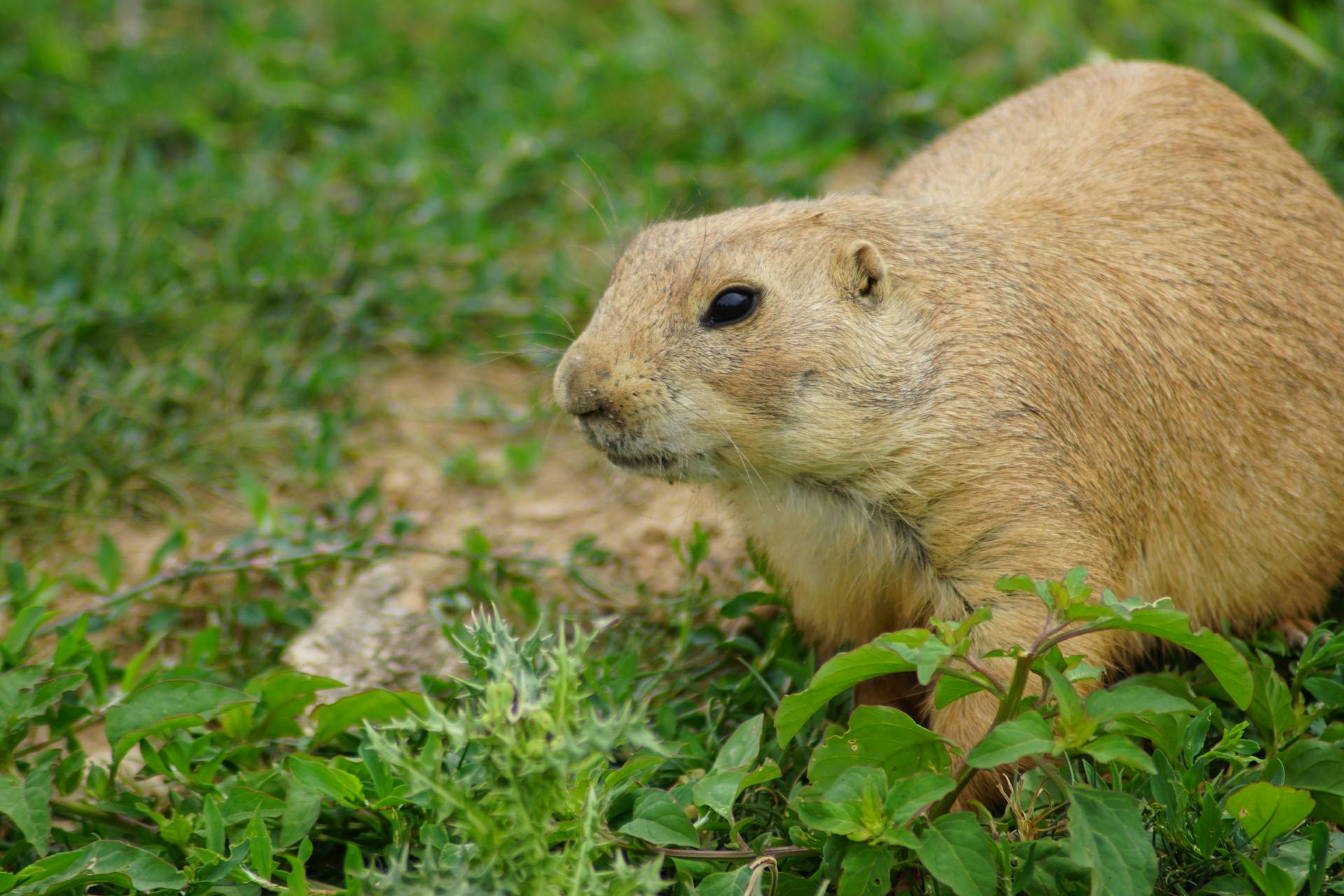
Heteromyid rodents have a long evolutionary history in North America, with a proposed divergence from their nearest relative, the subterranean pocket gopher, over 30 million years ago.
This divergence happened in the Oligocene, a time when the climate of North America was becoming increasingly cool and arid.
The heteromyid rodents have since evolved into three distinct subfamilies and six genera, with five genera diverging into multiple species in North America.
One genus, Heteromys, entered South America, where it can be found today.
The subfamily Heteromyinae is home to 12 species of spiny pocket mice, Liomys, and forest spiny pocket mice, Heteromys.
The subfamily Perognathinae consists of 25 species, including 16 species of silky pocket mice, Perognathus, and nine species of coarse-haired pocket mice, Chaetodipus.
The third subfamily, Dipodomyinae, includes 23 species of rodents, with 21 species of kangaroo rats, Dipodomys, and two species of kangaroo mice, Microdipodops.
Kangaroo Rats and Relatives
The kangaroo rats and their relatives are a group of small to medium-sized rodents that are found in western North America, throughout Mexico and Central America, and in northwestern South America.
These rodents are known for their striking modifications for jumping, with long, powerful hind limbs, a long and tufted tail, relatively short front limbs, and compressed, partly fused neck vertebrae.
There are approximately 59 members of this family, allocated to 6 genera.
Some species of kangaroo rats and relatives are specialized for hopping on their hind limbs, while others are primarily quadrupedal.
All heteromyids have a large, furlined cheek pouch that opens next to the mouth and extends back along the shoulders.
The skulls of kangaroo rats and relatives vary considerably, but all are thin and papery and lack well-developed ridges and crests.
The dental formula of these rodents is 1/1, 0/0, 1/1, 3/3 = 20, and their cheek teeth are hyposodont (but not evergrowing except in kangaroo rats).
The pelage of kangaroo rats and relatives varies in texture from silky and soft to spiny, and its color varies considerably among species and geographically within species.
Here's a list of some of the species in this family:
- Dipodomys californicus (California kangaroo rat)
- Dipodomys compactus (Gulf Coast kangaroo rat)
- Dipodomys deserti (desert kangaroo rat)
- Chaetodipus baileyi (Bailey's pocket mouse)
- Chaetodipus californicus (California pocket mouse)
- Chaetodipus fallax (San Diego pocket mouse)
These rodents feed on seeds and other plant parts, and sometimes also include some animal matter in their diet.
Most species burrow, forming complex tunnel systems with multiple chambers and openings to the surface.
Kangaroo rats have a remarkable ability to live without access to free water.
Frequently Asked Questions
Which mouse never drinks water?
The kangaroo mouse is a species of mouse that can survive without drinking water, getting moisture from its food and kidneys instead. This unique adaptation allows it to thrive in desert environments.
Featured Images: pexels.com