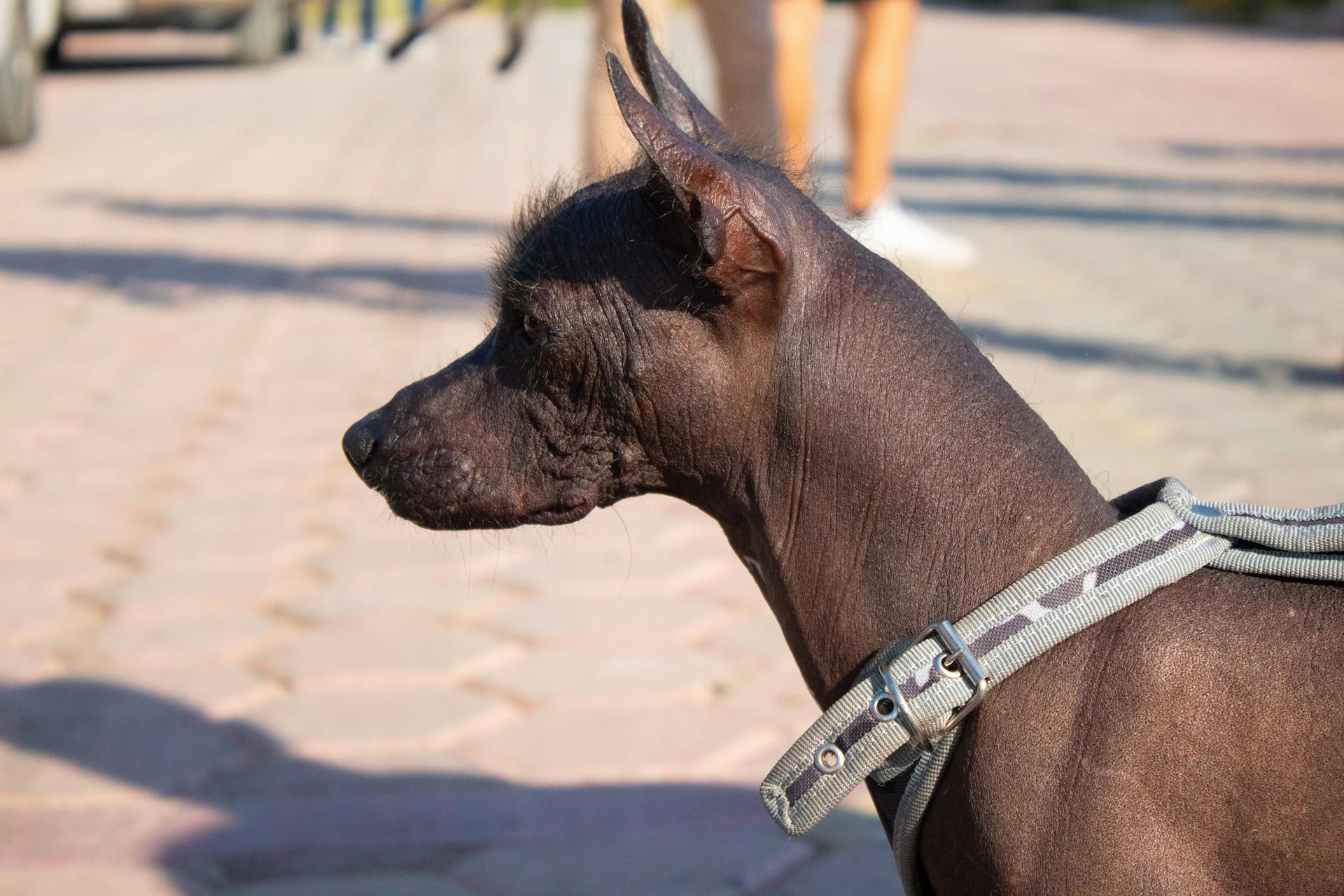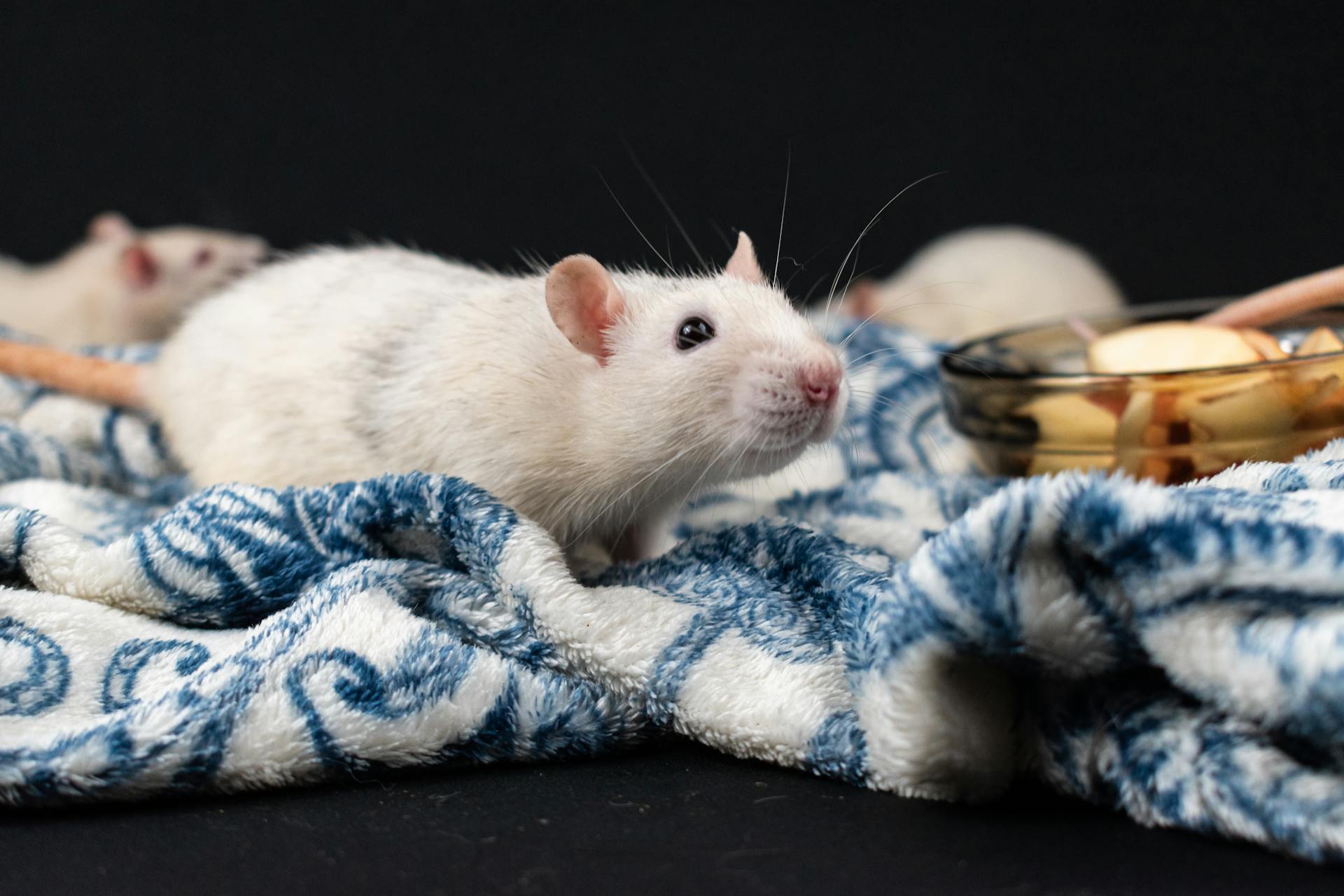
Hairless rats are a unique and fascinating pet option. They have a lifespan of around 2-3 years, similar to their furry counterparts.
These rats are known for their affectionate nature and can form strong bonds with their owners. They are highly social animals that thrive on interaction.
One of the biggest advantages of hairless rats is their low maintenance grooming needs. They don't require regular brushing or bathing, making them a great choice for busy pet owners.
Their skin requires regular care, however, and owners must apply a special cream to prevent skin problems.
Getting a Hairless Rat as a Pet
Hairless rats generally sell for about $25 to $100, so budget accordingly.
You can find hairless rats through pet stores that sell small animals, or by contacting specialty rat fancy breeders.
The American Fancy Rat & Mouse Association website lists local rat clubs and indicates where you can find breeders of specialty rats.
You can also check Petfinder and Adopt-a-Pet websites to see if shelters near you have hairless rats available for adoption.
It's a good idea to consider the special care needs of a hairless rat compared to a regular rat with fur.
Hairless rats are social animals and need a companion to snuggle with, so it's best to keep at least two.
Feeding
Feeding your hairless rat is a bit different than feeding a regular rat, but don't worry, it's still pretty straightforward. Hairless rats need more food to stay warm, so plan to check on their food supply often.
Lab blocks should make up about 80% of your rat's calories, so give them a lab block as their main source of food. You can also offer fresh fruit and vegetables as a treat, but make sure to cut them up into tiny pieces so they're easy to eat.
Some good choices for fresh foods include bananas, broccoli, carrots, grapes, kale, kiwi, pears, plums, spinach, sweet potatoes, and watermelon. Just remember to remove any uneaten fresh food after a day.
Hairless rats also need plenty of water to stay hydrated, so make sure they always have access to fresh, clean water. In fact, they tend to drink a bit more than other rats, so keep that in mind when refilling their water bottle.
Here are some specific guidelines for feeding your hairless rat:
As for special treats, you can give your rat a few drops of olive oil to help keep their skin from getting dry. Just be sure to give it to them in moderation, about once or twice a week.
Health and Grooming
Hairless rats are a unique breed that requires special care and attention to stay healthy and happy.
To keep your hairless rat warm, it's essential to maintain a temperature of at least 20°C in their environment. This is because they can't regulate their body temperature as efficiently as other rats.
Hairless rats are prone to skin problems, so it's crucial to keep their skin clean and dry. Regular bathing with a mild, non-scented shampoo is necessary to remove dirt and oils from their skin.
You should bathe your hairless rat at least once a week, and make sure to dry them thoroughly, paying particular attention to their ears, feet, and tail.
To prevent their nails from becoming overgrown, it's essential to clip them regularly. The best time to do this is while your rat is relaxed, such as while they're sleeping.
Regular veterinary check-ups are also vital to keep your hairless rat in good health. You should take them to see a veterinarian soon after you get them, and watch for signs of illness, such as bad smells, runny eyes, or lethargy.
If your rat's skin appears dry, you can use olive oil to soothe it, but avoid using commercial lotions or moisturizing creams, as they can be ingested and cause harm.
Here's a quick rundown of the grooming tasks you should perform regularly:
- Bathe your rat at least once a week.
- Clip their nails regularly.
- Check their eyes and ears regularly and clean them if necessary.
- Wipe their eyes with a cosmetic sponge and warm water.
- Give them an olive oil massage to keep their skin healthy.
Care and Enrichment
Hairless rats require regular bathing, at least once a week, with a mild, non-scented shampoo to keep their skin clean and free of parasites. This is especially important as they are more prone to feeling the cold.
Bathing helps to remove dirt and oils from the skin, so it's essential to dry the rat thoroughly, paying particular attention to the ears, feet, and tail.
Regular nail clipping is also crucial for hairless rats, as their nails can become overgrown and uncomfortable. It's best to do this while the rat is relaxed, such as while they are sleeping.
Best Cage
Choosing the right cage for your hairless rat is crucial, especially considering their fragile skin and temperature sensitivity. You should opt for a cage with no sharp edges that your rat can brush against and hurt themselves.
A good starting point is to select a cage that meets the minimum size requirement of 24 inches long by 12 inches wide by 12 inches tall. This will provide your rat with enough space to move around comfortably.
To keep your hairless rat warm, place the cage in a spot with a consistent ambient temperature between 64 to 79 degrees Fahrenheit at all times. Avoid placing the cage near drafts or cold areas like the front door or garage.
If you're concerned about your rat's skin, you may want to consider a glass aquarium instead of an open wire cage. However, this can be a more expensive solution.
Here are some key things to consider when choosing a cage for your hairless rat:
- No sharp edges
- Minimum size: 24 inches long by 12 inches wide by 12 inches tall
- Ambient temperature between 64 to 79 degrees Fahrenheit
- Avoid drafts and cold areas
Bedding
Hairless rats need bedding that's soft and keeps them warm, so wood shavings and chips are a no-go.
Bedding made from paper, like Carefresh, can be a good option if changed daily, but it can irritate their skin once soiled with urine.
Shredded fleece pieces, ripped up T-shirts, or cotton products like towels are great alternatives for hairless rat bedding.
Daily cleaning of their bedding is crucial to prevent skin irritation from urine and feces in the cage.
Enrichment and Exercise
Enrichment and Exercise are crucial for your rat's happiness and health. Hairless rats need daily enrichment to stay happy and healthy.
You should provide a variety of toys, but make sure to clean them regularly to prevent the spread of germs. Avoid toys with sharp edges to keep your rat safe.
Daily supervised playtime is a must, aiming for at least one hour to give your rat a chance to bond with you and get exercise. This time outside of the cage will also help prevent boredom and stress.
Steps
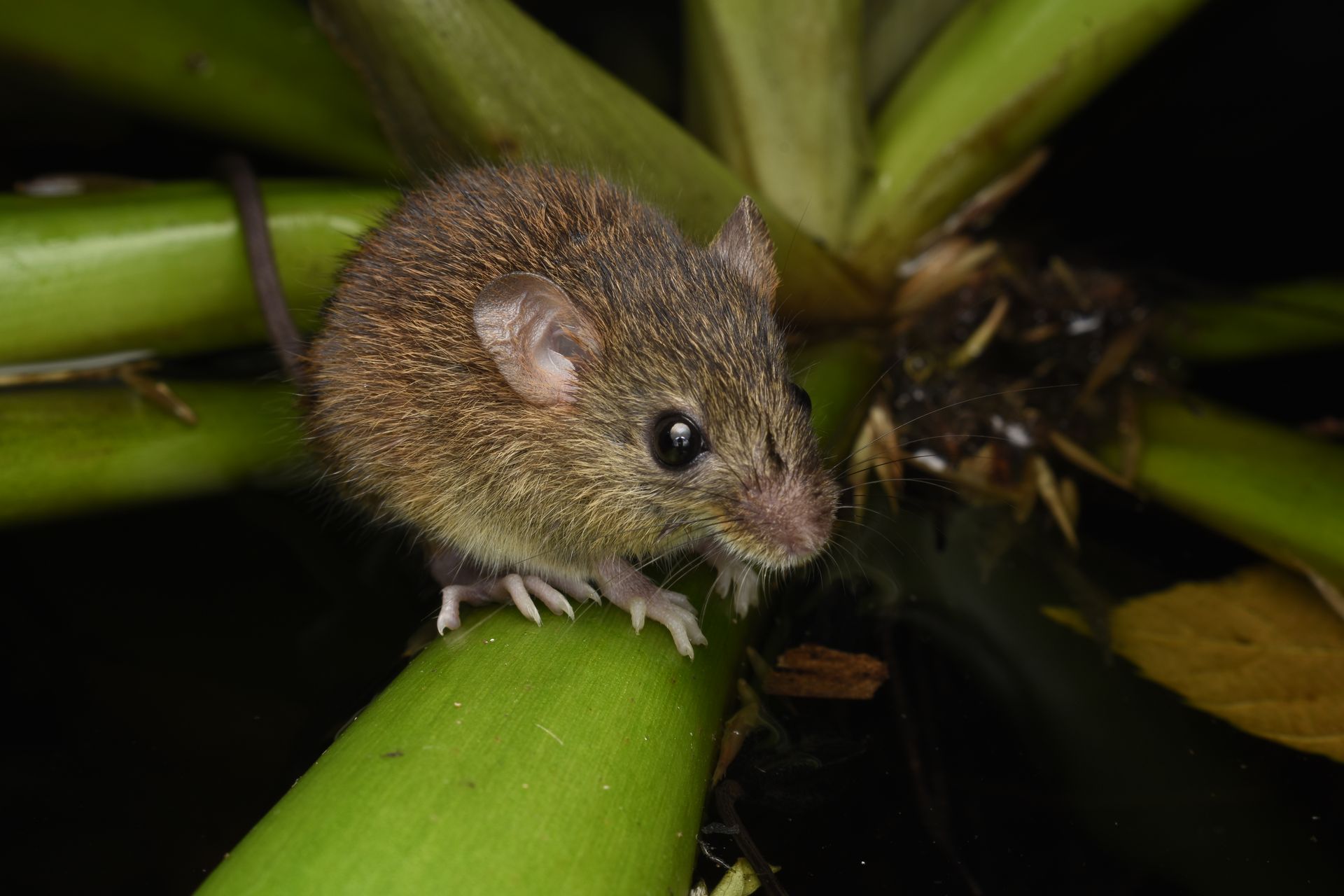
To create a stimulating environment for your pet, you need to provide a variety of activities and toys to keep them engaged.
Rotate toys regularly to prevent boredom and stimulate their natural hunting instincts, as seen in the section on "Environmental Enrichment".
Provide a variety of textures and smells by offering different types of toys, such as fabric mice, rubber balls, and stuffed animals.
Offer puzzle toys that challenge your pet to figure out how to get a treat out, which can help reduce stress and anxiety.
Create a scavenger hunt by hiding treats or toys around the house or yard, which can encourage exploration and exercise.
Make sure to supervise your pet during playtime to ensure their safety and to prevent any potential harm.
Offer a variety of activities, such as playtime with a ball or a game of hide-and-seek, to keep your pet physically and mentally active.
Schedule regular playtime and activities to ensure your pet is getting enough exercise and mental stimulation.
The Genetics Behind
The Genetics Behind Hairlessness in Hairless Rats is a fascinating topic. It's believed that the gene responsible for hairlessness in rats is a recessive gene, meaning it must be inherited from both parents for the trait to be expressed in the offspring.
This gene is the same one responsible for hairlessness in humans, known as the EDAR gene. It plays a crucial role in the development of sweat glands and hair follicles, and when it's mutated, the result is hairlessness.
The hairless gene is a relatively rare mutation that originated in the wild rat population in Southeast Asia. It's thought to have been passed on to domesticated rats and then spread to the rest of the world.
Hairless rats are now a popular pet choice in many countries, and they're bred specifically for their lack of fur. Despite their popularity, there's still much to be discovered about the genetics behind hairlessness in rats.
Research suggests that the hairless gene is responsible for the unique appearance of hairless rats, including their wrinkly skin and lack of fur. This gene is also responsible for the development of sweat glands, which is why hairless rats can still sweat like other rats.
The genetics behind hairlessness in rats is complex, but it's clear that the EDAR gene plays a crucial role. Understanding this gene and its effects can help us better care for our hairless rat pets and appreciate their unique characteristics.
Training and Socialization
Training and socialization are crucial for happy and healthy hairless rat companions. They are social creatures that require regular interaction and stimulation.
These intelligent animals can be taught a variety of commands and tricks using positive reinforcement methods like treats or verbal praise. Hairless rats are sensitive to loud noises and sudden movements.
It's essential to be gentle and patient when teaching them. They thrive on mental stimulation and physical activity, which can include providing toys, running mazes, and engaging in playtime activities.
Socializing hairless rats with other rats or animals is also vital, helping them become comfortable around other creatures and build trust. With patience and consistency, they can become well-behaved and enjoyable companions.
Safety and Precautions
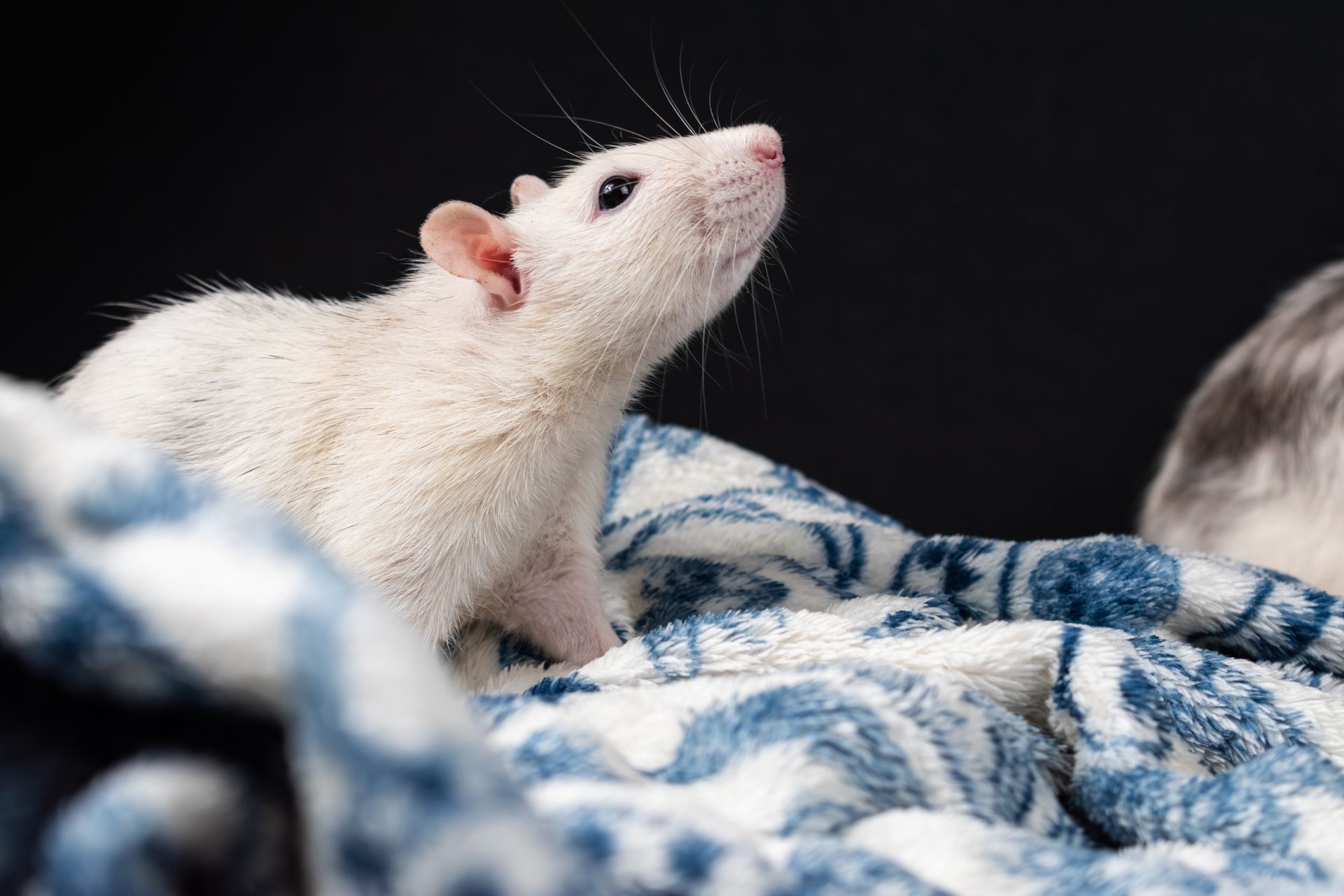
When handling your hairless rat, it's essential to be gentle and cautious. Be careful not to touch its sensitive skin.
You should avoid using tissue or paper towels for eye cleaning, as they can cause irritation.
Hairless rats require more skin care than typical rat varieties, so make sure to provide extra attention to their skin.
To keep your hairless rat's cage clean, change the bedding at least 3 times a week, as dirty cages can lead to respiratory infections.
Some bedding materials to avoid using are cedar and pine shavings, as they can be harmful to your rat's health.
Here's a list of potential hazards to be aware of:
- Tissue or paper towels for eye cleaning
- Cedar and pine shavings for bedding materials
- Dirty cages leading to respiratory infections
General Information
Hairless rats can make wonderful pets for the right owner. They are social animals and thrive on interaction, so it's essential to spend quality time with them.
Their unique appearance and gentle nature have made them a popular choice among pet enthusiasts. In fact, they are known for their playful and affectionate personalities.
Hairless rats are relatively low-maintenance pets, requiring less grooming than their furry counterparts. They are also relatively quiet, making them a great option for apartment dwellers.
These intelligent animals are relatively easy to train, and they can even learn to perform tricks. With patience and consistency, you can teach your hairless rat to do just about anything.
Their small size and quiet nature make them an excellent choice for families with children or for people who live in small spaces.
Consider reading: Small Reptiles as Pets
Frequently Asked Questions
What is the lifespan of a hairless rat?
Hairless rats typically live for about 4 years. Their lifespan is relatively short compared to other rodents.
How big does a hairless rat get?
A hairless rat typically weighs 0.7-1.4 pounds and measures 16-20 inches in length.
Featured Images: pexels.com