The Great Tailed Grackle is a common sight in Arizona, but how do locals really feel about these birds? In Arizona, the Great Tailed Grackle is often viewed as a pest, particularly by farmers and ranchers who see them as a threat to their crops.
Many Arizonans consider the Great Tailed Grackle to be a nuisance, due to their large numbers and tendency to gather in groups. They are also known to be aggressive, especially during mating season.
However, the Great Tailed Grackle is also an important part of the Arizona ecosystem, playing a key role in seed dispersal and insect control. In fact, they are a vital food source for many birds of prey, such as hawks and owls.
The Great Tailed Grackle is found in a variety of habitats in Arizona, including urban areas, farmland, and natural deserts.
The Great-Tailed Grackle
The Great-Tailed Grackle is a very social bird that's native to the southwestern U.S., Mexico, and Central America.
They're known for their large tails and variety of sounds, which have been described as "rusty gate hinge" and "machinery badly in need of lubrication".
In Arizona, these birds have become urbanized and can often be found in settled areas, such as supermarket parking lots or sidewalks.
Great-Tailed Grackles are opportunistic omnivores, eating just about anything with calories, including plant matter, insects, reptiles, and eggs and nestlings of other birds.
Their diet is quite varied, and they're highly intelligent birds that can exploit the environment for food possibilities.
In Arizona, these birds like to hang out in areas under cultivation, such as southern Arizona's farmlands.
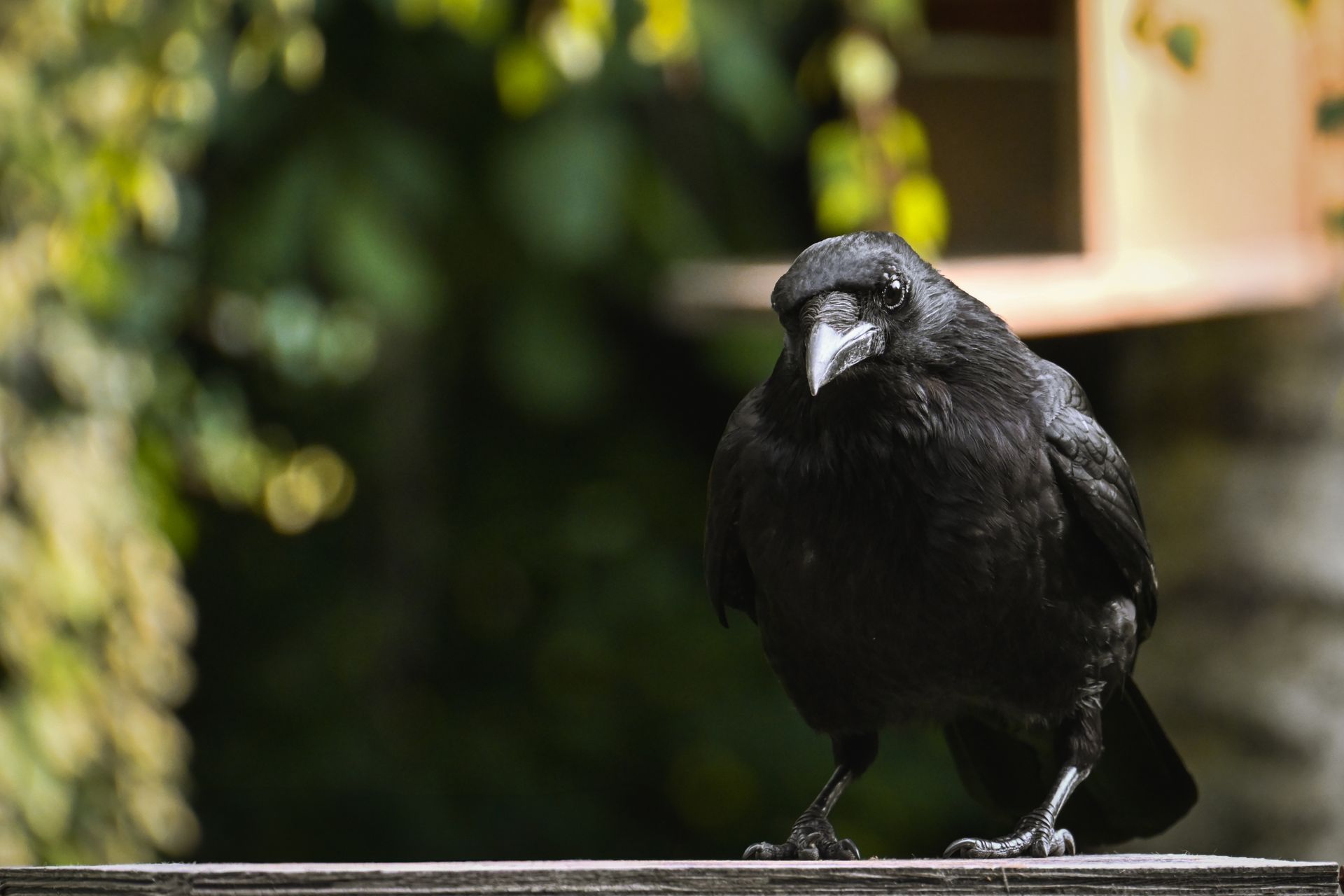
The males have a striking yellow eye and a uniform iridescent purple-blue plumage that looks black in most light, but shows hues of cobalt blue to purple in the right light.
Females are a dull brown in color and lack the males' gigantic tails and yellow eyes.
In winter, enormous flocks of both male and female Great-Tailed Grackles gather in roost trees, with flocks of up to half a million occurring in sugarcane fields in Texas's Rio Grande Valley.
These birds are relatively new arrivals in Arizona, with the first recorded sighting of this species in Arizona being in 1936.
A different take: Light Vented Bulbul
Public Perception
The Great-tailed Grackle is often seen as a common bird in Arizona, with a wide distribution across the state.
Many people view the Great-tailed Grackle as a nuisance due to its loud calls and habit of roosting in large numbers.
However, the bird's iridescent feathers and distinctive tail make it a striking sight in the right light.
The Great-tailed Grackle's adaptability and ability to thrive in a variety of habitats have contributed to its widespread presence in Arizona.
Intriguing read: Pics of Black Capped Chickadee
Photos and Videos
The Great-tailed Grackle is a bird that commands attention, and its striking appearance is a big reason why.
Adult males have a long V-shaped tail with an iridescent bluish purple body. This unique plumage is a sight to behold.
These birds are loud and social, often forming flocks that number in the tens of thousands. Their boisterous behavior can be both fascinating and overwhelming.
Males defend their territories by ruffling up their feathers, spreading their tail, and pointing their bill skyward while shrieking. This display is a clear warning to rival males to stay away.
Public Enemy

The Great-tailed Grackle is considered a public enemy by many due to its aggressive behavior. They are a threat to lizards and other birds, and their size makes them a formidable foe.
Their aggressive nature is well-documented, with one observer noting that they have been suspected of decimating families of Gambel's Quail in their backyard. The grackles take a keen interest in the shrubs where the quail hide for safety, but haven't yet been seen capturing any chicks.
However, grackles are not above taking chicks from other birds, as one observer witnessed a grackle carrying a sparrow by the tail, with a second grackle following close behind.
Interestingly, not all female Great-tailed Grackles have bright yellow eyes, with some having duller brown eyes. This has led to confusion among bird enthusiasts, with some wondering if the brown-eyed females are actually Boat-tailed Grackles.
Here's a quick guide to help you tell the difference between a brown-eyed female Great-tailed Grackle and a Boat-tailed Grackle:
Frequently Asked Questions
What is a Great-tailed Grackles favorite food?
Great-tailed Grackles love cracked corn and milo, but they'll also take seed spread beneath feeders. Find out more about their eating habits and ideal feeder types on the Project FeederWatch Common Feeder Birds bird list.
Featured Images: pexels.com