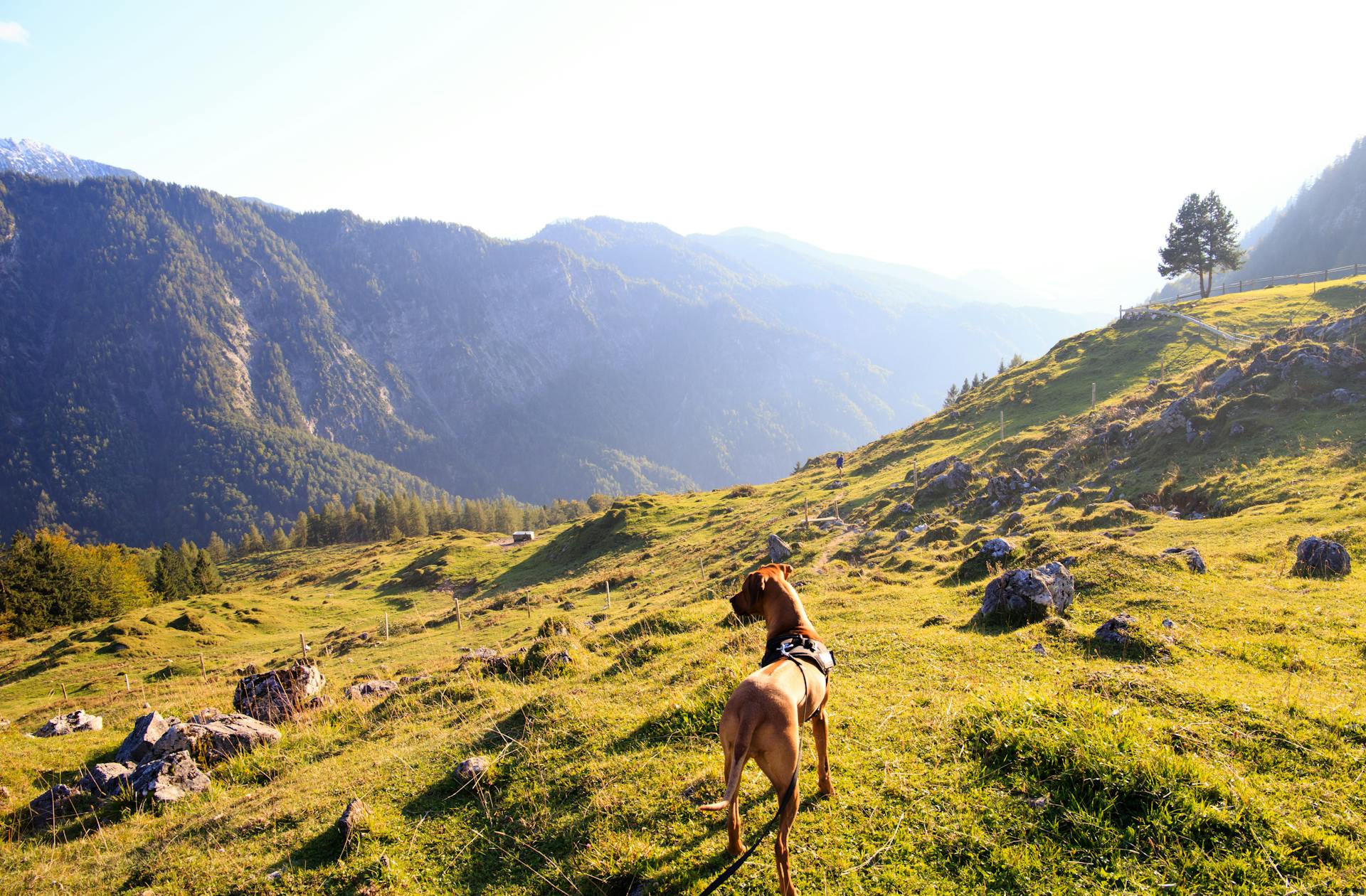
The Great Pyr Husky Mix is a unique and fascinating breed that combines the loyalty of a Great Pyrenees with the energy of a Siberian Husky. They are a medium to large-sized dog with a thick coat that sheds heavily.
They are generally good with children and make excellent family pets, but they do require regular exercise and training to prevent boredom and destructive behavior. They are also known to be excellent watchdogs due to their protective nature and loud barking.
Their thick coat requires regular grooming to prevent matting and tangling, and they need to be brushed several times a week to keep them looking their best. They are also prone to certain health issues such as hip dysplasia and eye problems.
They are highly intelligent and trainable, but can be stubborn at times, requiring patient and consistent training.
Characteristics
The Great Pyr Husky mix is a unique and lovable breed. They typically weigh between 75 to 100 pounds.
Their height at the shoulder ranges from 18 to 22 inches. In terms of size, they are considered medium to large dogs. Their coat type is a thick, double coat that is straight and medium in length. The coat color can vary, with options including white, black, cream, or multicolored.
Here are the eye colors you can expect to see: almond-shaped eyes in blue, brown, amber, or hazel. Their nose is typically black. As for their ears, they can be either floppy or erect.
The Common Traits
These dogs are natural-born athletes, built for active lifestyles that include hiking, sport, and working sledging.
They're highly intelligent, but this can sometimes make them too independent and rebellious.
They're not easy to train, but with the right approach, the results can be impressive.
To keep them out of trouble, it's essential to establish strict borders and regulations from a young age.
They're naturally curious, so they'll roam far and wide, including into neighboring territories or even off on their own adventures.
A high fence buried several inches below the ground is a must to keep them contained.
Unfortunately, their size makes them prone to hip dysplasia, a condition that can be especially vulnerable in some mixed breeds.
Different Traits
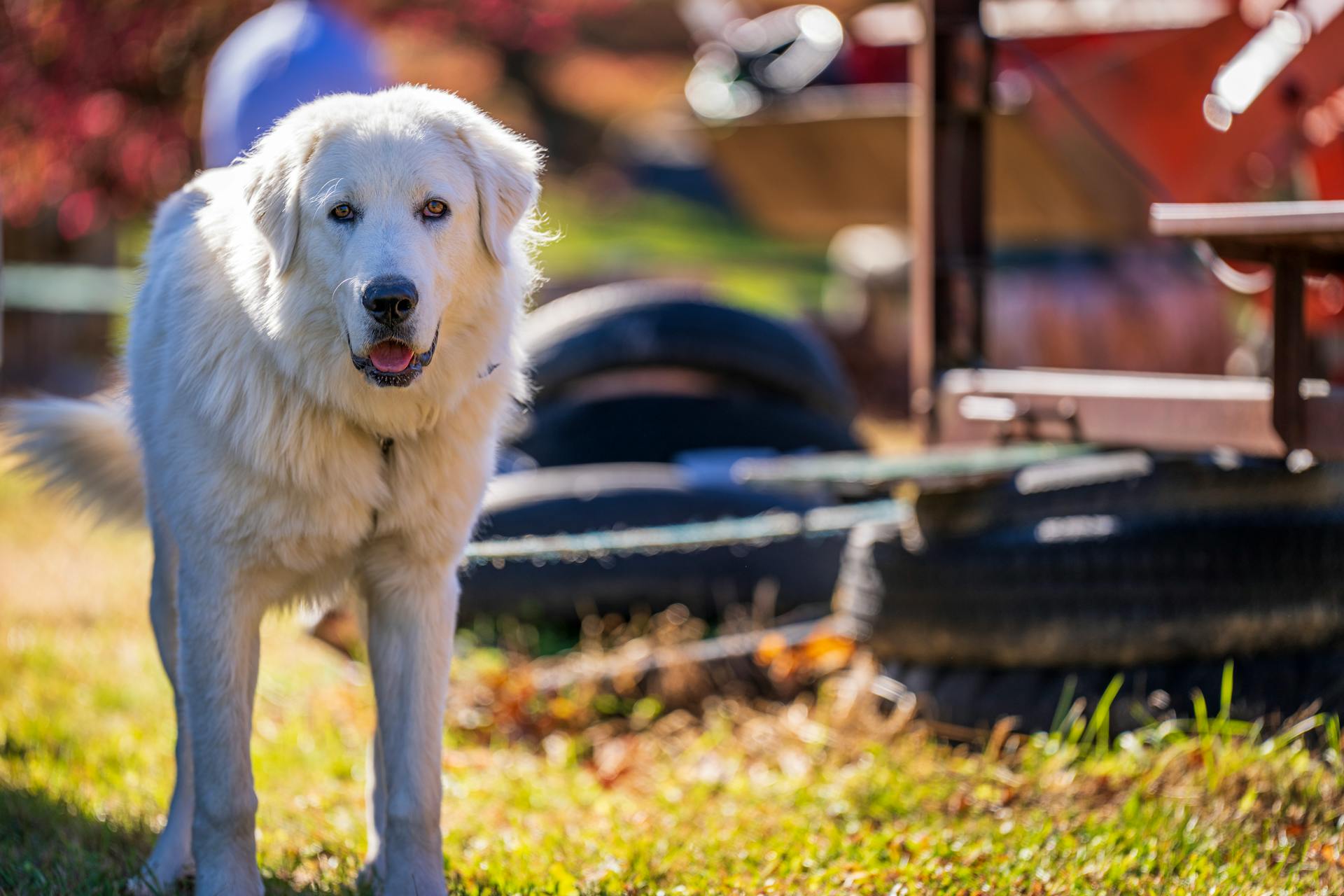
The Pyrenees breed is known for its watchfulness and high perception, making it a good guard dog that will alert you to anyone approaching your home.
These traits are not guaranteed, however, and a mix of breeds may inherit either or both of these characteristics.
If your mix inherits the Pyrenees breed traits, you can expect a dog that will be vigilant and protective of its family and territory.
The Pyrenees breed was originally used for guarding livestock, and with proper training and stimulation, it can thrive in this role.
However, if left untrained or unstimulated, a Pyrenees mix can become aggressive and may drive away friends and even the mailman.
On the other hand, Huskies are extremely friendly and may even aid a burglar rather than drive them away.
This is because Huskies are bred to be social and friendly, and with improper breeding, they can develop a bad temper and be more prone to diseases.
A Husky mix requires a huge space to roam and exercise, making it difficult to keep in an apartment.
In contrast, a Pyrenees mix can be okay in an apartment setting, but it's still essential to provide them with regular outdoor time and exercise.
On a similar theme: Huskies or Huskys
Grooming Your
They need weekly brushing to prevent matting and remove loose hairs, and daily brushing can help manage their shedding.
A good vacuum is a must-have, especially during shedding season when they lose a lot of hair.
Their thick double coats will shed heavily during spring and fall, so be prepared for extra cleaning.
Daily brushing with a pin brush or a de-matting comb can make a big difference in managing their shedding.
If they have inherited floppy ears, clean them with cotton balls and warm water once a week, and watch for signs of infection like foul odor or redness.
Brushing their teeth once a day will help prevent tartar buildup, tooth decay, and bad breath.
Trim their nails every two to three weeks or when they get too long to prevent overgrowth.
Their independent streak may lead them to wander off, so keep them on a leash until they're older and more settled.
Health and Wellness
As a responsible dog owner, it's essential to be aware of the potential health issues that can affect your Great Pyr Husky mix. Bloat, also known as gastric dilation-volvulus, is a serious condition that can occur when the stomach fills with air, causing a pressure build-up that can cut off blood flow to the heart and the rest of the body.
Regular exercise and a balanced diet can help prevent some health problems, such as obesity, which can be a significant issue for this breed. A strong and athletic hybrid like the Great Pyr Husky mix needs to stay active to stay healthy and well-behaved.
Eye issues, such as cataracts, progressive retinal atrophy, and corneal dystrophy, are common in both Pyrenees and Siberian Husky breeds. These conditions are often hereditary and may not become noticeable until old age.
Hip dysplasia is a painful condition that can cause difficulty walking and may require surgery. It can develop during middle age or be present later in life. Kneecap dislocation, or patellar luxation, can also occur, causing discomfort or loss of function.
Here are some common health issues that can affect your Great Pyr Husky mix:
- Bloat (gastric dilation-volvulus)
- Eye issues (cataracts, progressive retinal atrophy, corneal dystrophy)
- Hip dysplasia
- Kneecap dislocation (patellar luxation)
It's crucial to work with a reputable breeder who offers a health guarantee and is transparent about the potential health issues in the breed. Regular veterinary check-ups can also help identify any potential problems early on.
Nutrition
When feeding your Great Pyr Husky mix, remember that they have a big appetite, especially if they're exercised every day. They need a diet rich in protein and fat to keep their bodies healthy and strong.
Choose a high-quality dog food that includes whole meats like chicken, beef, and fish. Avoid foods with by-products.
A good rule of thumb is to feed your Great Pyr Husky mix two to three meals a day, with the right amount of food for their age and size. For example, adults may require three cups of food per day, split into two meals, while puppies may need three to four cups of food per day, split into three meals.
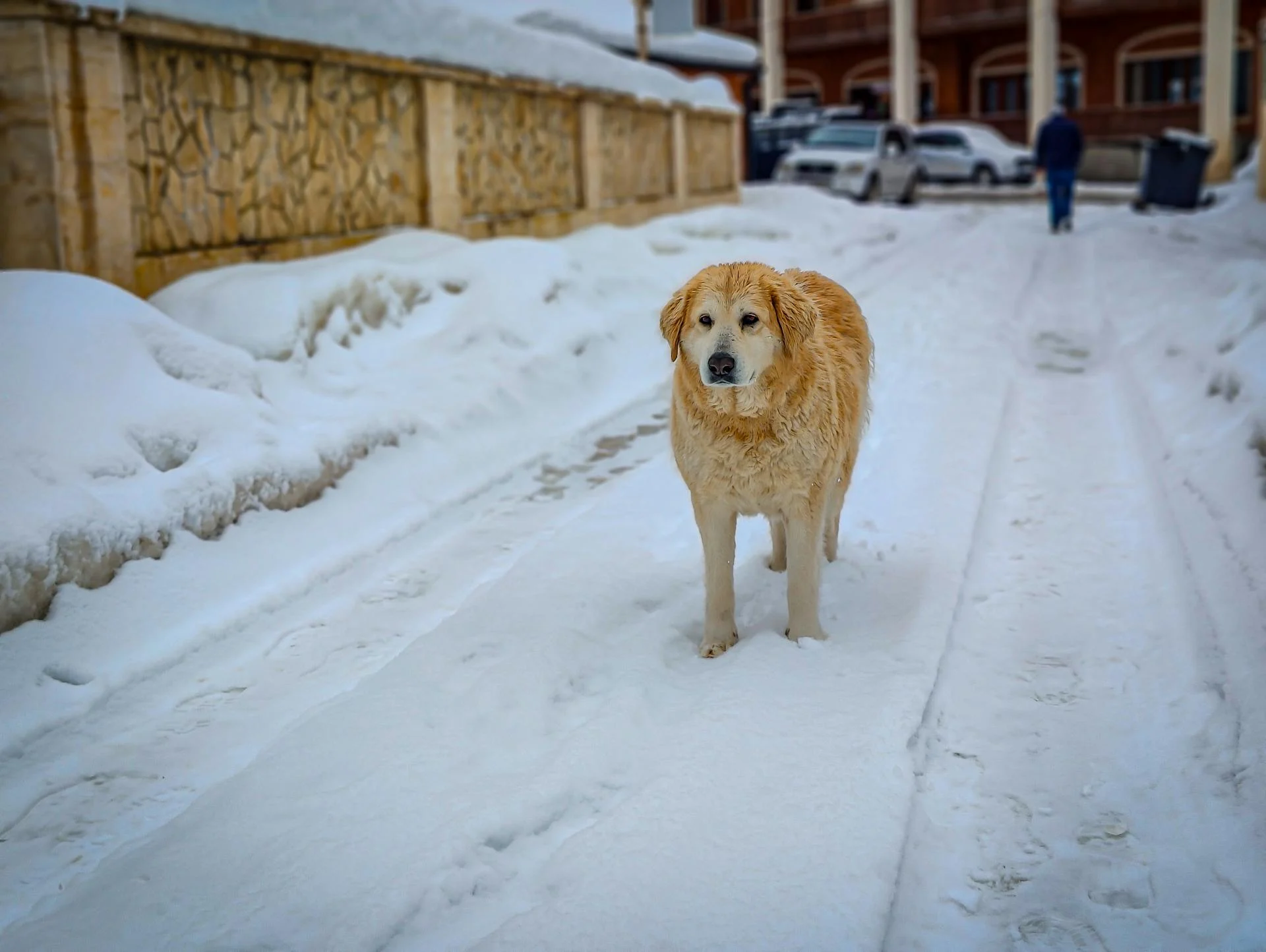
Here are some suitable dog food options for your Great Pyr Husky mix:
- All Life Stages Less Active Formula Dry Dog Food by CANIDAE
- Canine Nutrition Chicken Dry Dog Food by Gentle Giants
- Pacific Stream Grain-Free Dry Dog Food by Taste of the Wild
These dog foods are formulated to meet the nutritional needs of your Great Pyr Husky mix, with a balance of protein, fat, and carbohydrates. They also contain essential vitamins and minerals to support overall health.
Remember to keep an eye on your dog's weight and adjust their food portions accordingly to prevent overfeeding, which can exacerbate health problems like hip and elbow dysplasia.
Exercise Requirements
This breed needs regular exercise to stay happy and healthy. They require at least 45 minutes of exercise every day.
Their excess energy can be a problem if left unchanneled, leading to destructive behavior like digging and jumping over fences. You can help them burn off steam with daily walks.
Agility training and toy play can also be great additions to their exercise regimen. The SmoonS Dog Toys for Aggressive Chewers can keep them occupied for a while.
Exercise at the dog park should be approached with caution, as they tend to wander and run off. It's best to wait until they've completed basic obedience training.
As they age, they'll be content spending time indoors with their owners. A movie night can be a great way to spend quality time together.
Training
Training a Great Pyr Husky mix requires patience and persistence. These dogs can be stubborn and rebellious, especially if they don't receive early obedience training.
You'll need to teach your pup to heed to your call and follow you before anything else. Obedience training is a must for this breed, as they have a strong desire to be independent and give in to their impulses.
They need time and patience, and it's essential to give them a purpose through training. With good training, they can become one of the most popular choices for therapy and rescue dogs.
You might like: Great Mixed Breed Dogs
Here are some key points to keep in mind when training your Great Pyr Husky mix:
- Obedience training is a must
- Be persistent and patient
- They love working and having a purpose
- They can be quite impressive if given time and patience
- They can easily become uncontrollable and prone to mischief if not trained properly
Suitability and Compatibility
They're perfect for families, but you'll need to supervise interactions with younger kids due to their large size and high energy. Great Pyr Huskies are playful, energetic, friendly, and affectionate.
Their sensitive nature means they need time to adjust to new surroundings, so be patient. Everything new sparks their curiosity, making them eager to wander off and explore.
First-time dog owners might want to reconsider getting a Great Pyr Husky, as they require a lot of experience handling willful dogs. You'll need to be prepared for the challenges that come with owning one.
Things to Know
Owning a Great Pyr Husky mix requires careful consideration of their specific needs.
They need a lot of space to roam and exercise, which means you'll need a big yard or a long daily walk.
Their thick coats require regular grooming to prevent matting and tangling.
They're highly intelligent and trainable, but can be stubborn at times.
They're natural herders and may try to herd children, pets, or even cars if they're not provided with proper exercise and mental stimulation.
Their high energy levels mean they need plenty of physical and mental stimulation to prevent boredom and destructive behavior.
They're generally healthy dogs, but may be prone to certain health issues like hip dysplasia and eye problems.
Their lifespan is typically around 10-12 years, which is relatively long compared to some other breeds.
Frequently Asked Questions
What is the best dog to mix with a husky?
There is no single "best" dog to mix with a husky, as the suitability of a crossbreed depends on your lifestyle, preferences, and needs. Consider popular Husky mixes like the Goberian, Pomsky, or Gerberian Shepsky, each with unique characteristics that may be a great fit for you.
How big will a Great Pyrenees hound mix get?
A Great Pyrenees hound mix typically grows to be 20-32 inches tall and weighs between 45-120 pounds. Expect a large dog with a significant size range.
What is the best Husky mix?
There is no single "best" Husky mix, but popular options like the Rottsky and Alusky are known for their unique characteristics and potential as guard dogs. If you're considering a Husky mix, research the specific breed to find the best fit for your lifestyle and needs.
Are Great Pyrenees good family dogs?
Great Pyrenees can make great family dogs for families with older children who understand how to interact with them, but may not be the best fit for households with small children. They require careful consideration and supervision to ensure a safe and harmonious household.
How big will a Great Pyrenees Husky mix get?
A Great Pyrenees Husky mix typically grows to be 18-22 inches tall and weighs 75-100 pounds. With proper care, they can live a long and healthy life of 10-15 years.
Featured Images: pexels.com