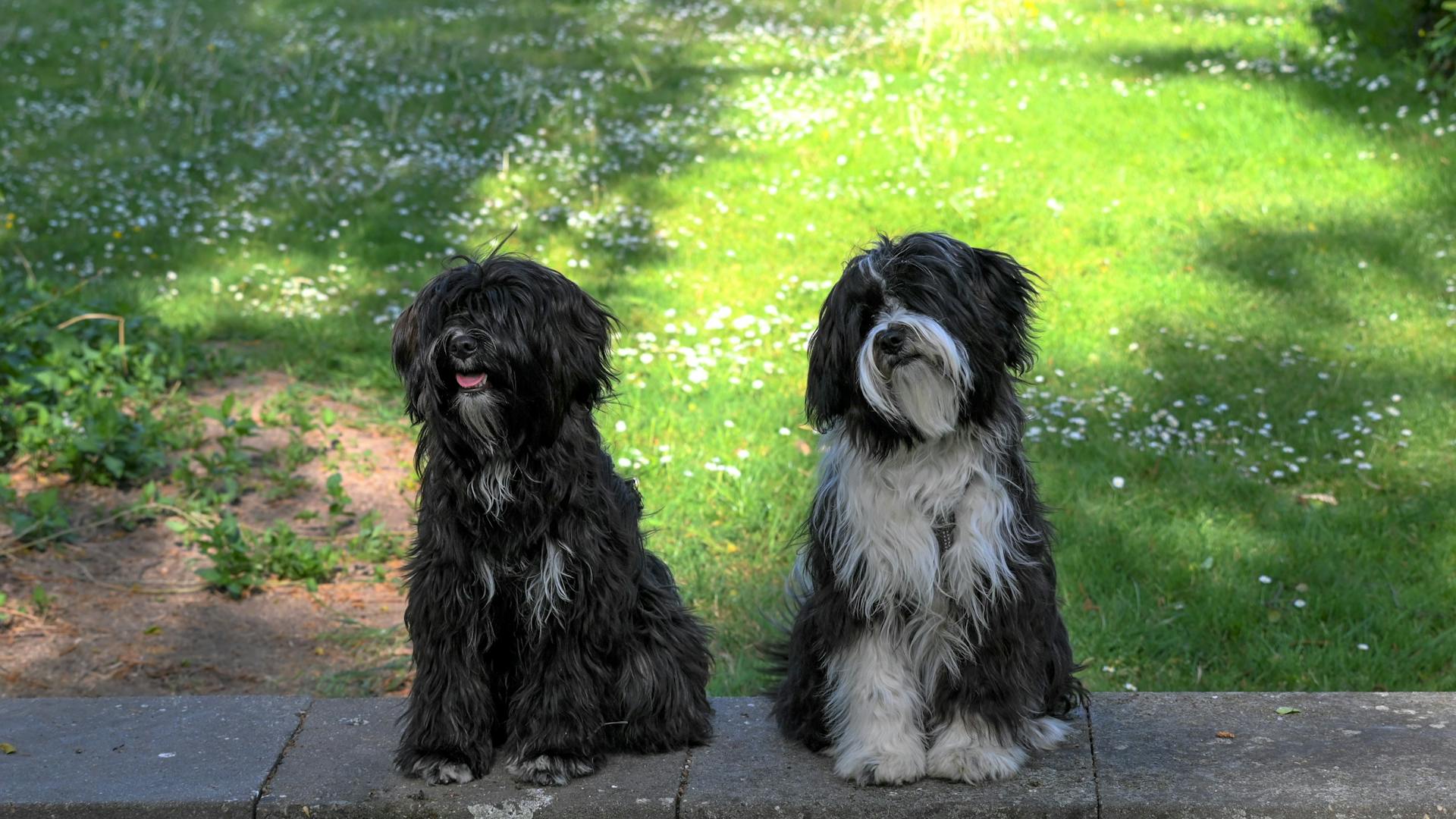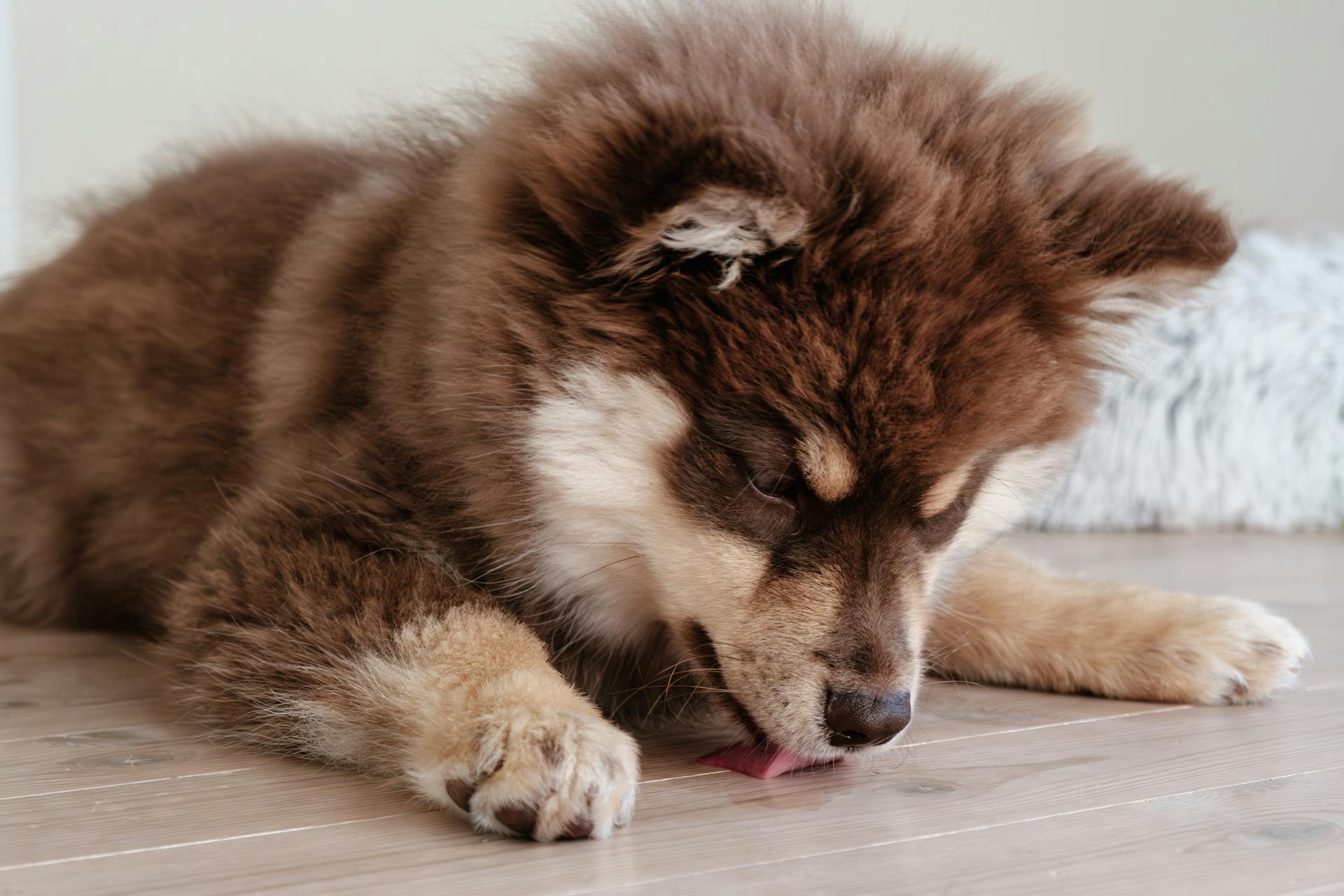
The Finnish Lapphund is a breed that's perfect for active families or individuals who love the great outdoors. They were originally bred to herd reindeer in Lapland, Finland.
These dogs are highly intelligent and thrive on mental and physical stimulation. They need regular exercise and training to prevent boredom and destructive behavior.
Finnish Lapphunds are generally good with children, but as with any breed, it's essential to socialize them well from an early age. They can be wary of strangers, so early socialization is crucial.
In terms of space, Finnish Lapphunds don't require a huge yard, but they do need room to run around and play. A small to medium-sized yard or a park nearby is ideal.
Adopting a Finnish Lapphund
Adopting a Finnish Lapphund is a great way to bring home a new furry friend without breaking the bank. The cost to adopt a Finnish Lapphund is typically between $50 to $300.
You can adopt a Finnish Lapphund through a rescue that specializes in this breed and other Spitz-type dogs. These rescues usually cover the expenses of caring for the dog before adoption, which includes a basic exam, parasite treatment and preventatives, spay/neuter, and microchipping.
Buying Finnish Lapphunds from breeders can be prohibitively expensive, with prices ranging from $1,000 to $2,500. Imported puppies can cost up to $5,000, which is a significant investment.
A great place to start looking for a Finnish Lapphund is with a breed search on Adopt a Pet. This will show you all the available Finnish Lapphunds in your area.
Caring for Your Lapphund
They enjoy a long hike or vigorous game every day, so be prepared to get moving with your new furry friend. Their coat is thick and requires brushing once or twice a week to prevent matting. They much prefer cool weather.
They are relatively calm indoors even if they miss a day of exercise, making them a great fit for active owners who may not always have time for a daily workout. Their love of mental challenges means they thrive on training activities like agility or obedience.
Temperament and Training
Lapphunds are gentle and devoted companions, making them a great fit for families and first-time dog owners.
They learn quickly, but can also be independent and strong-willed, which means you'll need to be patient and consistent with training.
You'll find that they tend to be submissive toward people, which is a great trait for a family pet.
Befitting their herding heritage, they bark when excited, but generally not otherwise, so you won't have to worry about excessive barking.
They generally get along well with other dogs and pets, which means you can have a multi-pet household with ease.
Their herding instincts make them very alert and aware of their surroundings, so they'll always be on the lookout for potential threats or excitement.
Broaden your view: Why Adopting a Pet Is Better?
Upkeep and Maintenance
To keep your Lapphund happy and healthy, they need regular exercise. They enjoy a long hike or vigorous game every day, and thrive on mental challenges like agility or obedience training.
Their thick coat requires regular brushing to prevent matting. Brush them once or twice a week, and more during shedding season.
Missing a day of exercise won't send them into a frenzy, but they'll still appreciate a good run or playtime. They're relatively calm indoors, even on days when they don't get to go out.
They much prefer cool weather, so if you live in a hot climate, be prepared to provide extra shade and water breaks.
Health and Wellness
When it comes to the health of your Lapphund, it's essential to be aware of the potential concerns that may arise.
Major health concerns for Lapphunds are relatively low, but there are a few things to keep in mind.
PRA (Progressive Retinal Atrophy) and cataracts are minor concerns that can affect your Lapphund's vision.
CHD (Congenital Heart Disease) can occasionally be seen in Lapphunds, although it's not a major issue.
Regular DNA testing for PRA can help identify any potential issues early on.
Eye and hip tests should also be part of your Lapphund's regular check-ups.
On average, a Lapphund's life span is around 12-14 years, which is a good amount of time to enjoy with your furry friend.
Lapphund History and Facts
The Finnish Lapphund has a rich history that spans centuries. They originated with the nomadic Saame in Lapland, where they worked as gatherers to keep reindeer herds together.
The breed was largely unknown outside of Lapland until a group of Finnish dog breeders intervened in 1945, adopting a breed standard and gaining recognition from the Finnish Kennel Club. This effort helped save the breed from being lost forever.
In Finland, the Finnish Lapphund is one of the most popular breeds, and it's known as the Suomenlapinkoira. The breed remained largely unknown in America until an effort was made to establish them in 1987.
History of the Breed
The Finnish Lapphund has a rich history that dates back centuries. Ancient cave paintings and archeological digs suggest that the nomadic Saame in Lapland used spitz-type dogs to herd reindeer for thousands of years.
The Saame people used these dogs as gatherers, not drovers, to keep the herds together. This unique role allowed the dogs to thrive in the harsh Lapland environment.
In the 1900s, the use of these dogs as herders diminished as snowmobiles took their place and the Saame became less nomadic. This change had a significant impact on the breed's population.
Invasions during World War II further damaged the remaining population, and a distemper outbreak after the war almost wiped them out completely. Thankfully, a group of Finnish dog breeders intervened to save the breed.
A breed standard was adopted, and recognition by the Finnish Kennel Club followed in 1945. The breed was initially known as the Lapponian Shepherd Dog, and both short and long-haired dogs were included together.
The long-coated variety was recognized separately as the Lapinkoira, or Finnish Lapphund, in 1967. The short-coated variety was called the Lapinporokoira, or Lapponian Herder.
The Finnish Lapphund is now known as the Suomenlapinkoira in Finland, where it is one of the most popular breeds.
Interesting Facts
The Lapphund is an ancient breed, with some estimates suggesting it's over 4,000 years old! It originated in Lapland, a region in northern Scandinavia.
The Lapphund's original purpose was to help herders manage reindeer, a task it still excels at today. Its keen sense of smell and strong herding instincts make it well-suited for this work.
The Lapphund's thick coat is one of its most distinctive features, with some dogs sporting coats that are up to 10 inches thick! This coat helps protect it from the harsh Arctic climate.
The Lapphund is known for its intelligence and trainability, making it a popular breed for search and rescue work.
Intriguing read: How Does Adopting a Dog Work
Adopting a Dog
Adopting a dog can be a wonderful way to bring a new furry friend into your life, and it's often much more affordable than buying from a breeder.
The cost to adopt a Finnish Lapphund is typically between $50 to $300, which covers the expenses of caring for the dog before adoption.
You can find a rescue that specializes in Finnish Lapphunds and other Spitz-type dogs through a breed search on Adopt a Pet, which will show you all the available Finnish Lapphunds in your area.
Family Considerations
When considering a dog for your family, it's essential to think about their energy level. The Finnish Lapphund has a high energy level, requiring a lot of exercise and mental stimulation to prevent boredom and destructive behavior.
Their exercise requirements are also quite high, with a rating of 4 out of 5, so be prepared to take them on long walks and engage in playtime several times a day.
If you have young children, you'll want to consider their playfulness level, which is 3 out of 5. This means they'll enjoy playing with kids, but may not be as tolerant of rough play as some other breeds.
The Finnish Lapphund is also a social breed that thrives on attention, with an affection level of 3 out of 5. They'll form strong bonds with their family members, but may not be as affectionate with strangers.
If you have other pets in the household, you'll want to consider their friendliness to dogs and other pets, both of which are rated 3 out of 5. This means they'll get along with other pets, but may require some time to adjust.
Here's a quick rundown of the Finnish Lapphund's family considerations:
Overall, the Finnish Lapphund makes a great family pet for active families who are willing to provide the exercise and attention they need.
What to Expect
Adopting a dog can be a thrilling experience, but it's essential to be prepared for the responsibilities that come with it.
You'll need to budget for the dog's expenses, which can range from $500 to $1,000 per month, depending on the breed, size, and age of the dog.
Be prepared for the time commitment, as dogs require regular exercise and training, which can take up to 2 hours a day.
Dogs also need regular veterinary check-ups, which can cost between $500 to $1,000 per year.
You'll need to consider the space you have available in your home, as larger breeds require more room to move around.
A dog's lifespan can range from 10 to 17 years, depending on the breed and size.
You'll need to plan for the long-term commitment of caring for a dog, which can be a rewarding but challenging experience.
Preparing Your Home
Before bringing a new furry friend home, it's essential to prepare your space to ensure a smooth transition for both you and your dog. Make sure to puppy-proof your home by securing any loose items, electrical cords, and toxic substances.
Dogs love to chew, so it's crucial to remove any valuable items that could be damaged, such as shoes, books, and furniture. Secure any loose items, like trash cans and cleaning supplies, in a safe place.
Create a comfortable and quiet space for your dog to rest and relax. This could be a crate or a designated area in your home where your dog can retreat when feeling overwhelmed.
A safe and comfortable space for your dog to sleep is essential. Choose a quiet area with a comfortable bed or mattress, and consider adding a familiar scent, like a blanket or toy, to help your dog feel at ease.
Remember, dogs are naturally curious, so it's vital to dog-proof your home before bringing your new furry friend home.
Featured Images: pexels.com