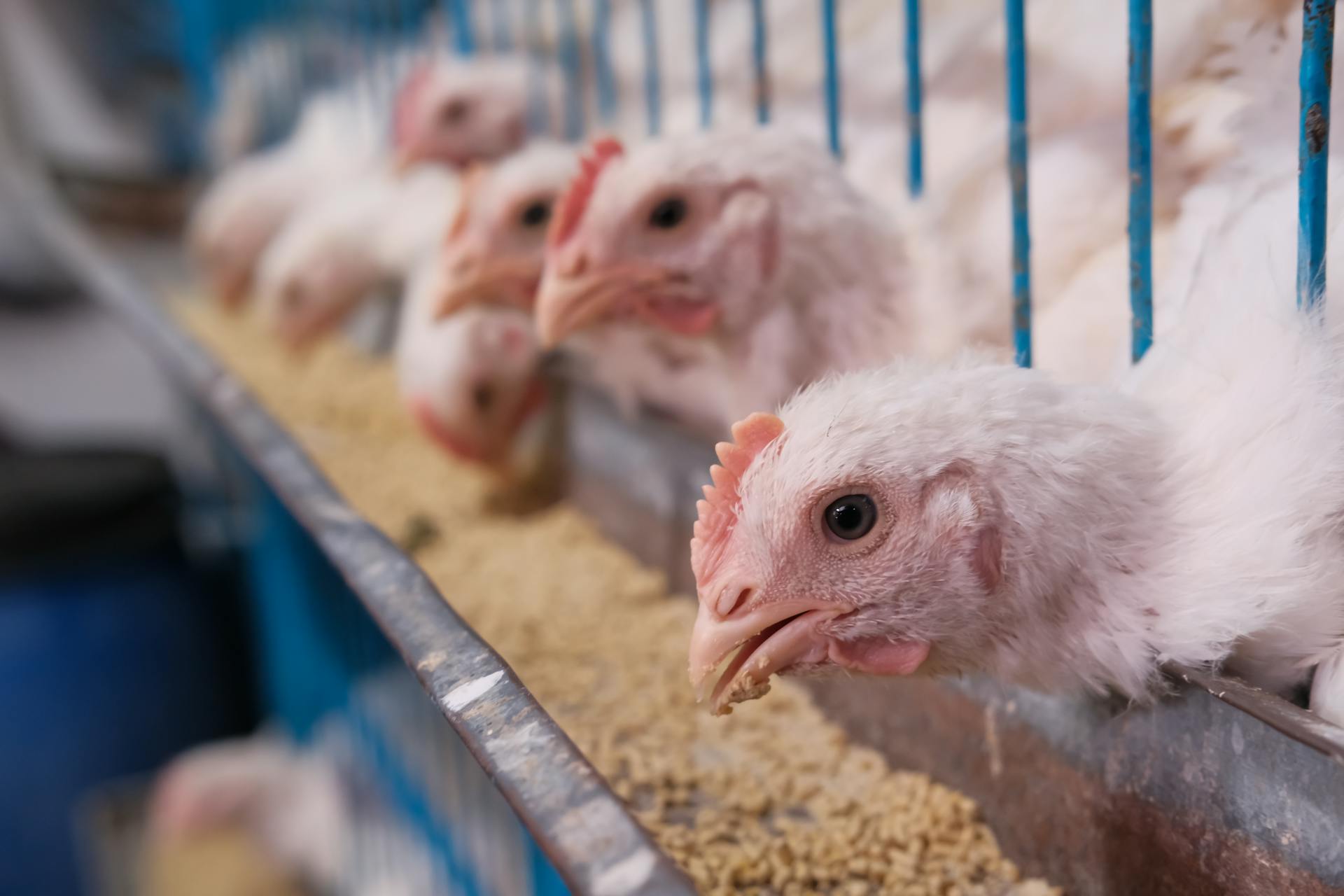
Factory farms are a harsh reality for many farm animals. They are often overcrowded and unsanitary, leading to the spread of diseases.
The lack of space and poor living conditions on factory farms can cause significant stress and discomfort to the animals. This can lead to behavioral problems and a decrease in their overall well-being.
In the United States alone, over 9 billion animals are raised on factory farms each year. This staggering number highlights the scale of the issue.
Many farm animals on factory farms are confined to small spaces for their entire lives, with some pigs being kept in groups of up to 1,000.
For your interest: Crocodile Farms
Animal Welfare Issues
Amputations are a common practice in Concentrated Animal Feeding Operations (CAFOs), often performed without anesthesia, to prevent aggressive behaviors and infections caused by overcrowding and unsanitary conditions.
Chickens are debeaked and their tails are docked, which can lead to infection and increased stress for the animals. Cattle, for example, use their tails to swat flies and become stressed when they cannot do so.
Forced molting is a practice where hens are deprived of food and sometimes water for seven days or up to two weeks, causing them to stop laying eggs and shed their feathers before re-growing them. This is a common practice in the US, but is prohibited in the European Union.
Industrial animals are bred for rapid growth and maximum production, resulting in chickens reaching slaughter weight in just five and a half weeks, compared to 14 weeks in the 1940s. This rapid growth can lead to health problems and leg issues in broiler chickens.
Dairy cows are pushed to produce nearly 20,000 pounds of milk a year, compared to 5,300 pounds in 1950, leading to exhaustion after just a few years. Hens' egg-laying frequency and quality decline after a year, but they are often slaughtered after just one year, despite their natural life expectancy being five to eleven years.
Physical Manipulations
In CAFOs, amputations are a common practice, and chickens are regularly debeaked without anesthesia to prevent pecking.
Chickens are also subjected to forced molting, where they stop laying eggs and shed their feathers before starting again. This is often done by withholding food and water for up to two weeks, a practice that's condemned by the United Egg Producers.
Broiler chickens grow so quickly that their legs often can't support their weight by the time they're harvested, taking just five and a half weeks to reach slaughter weight.
Dairy cows are pushed to high milk production, producing nearly 20,000 pounds a year, compared to just over 5,300 pounds in 1950.
Cows are typically shipped off to slaughter after just four to six years, even though they could live for another 15 or 20 years.
Hens are often slaughtered after just one year, despite their natural life expectancy being five to eleven years.
In dairy systems, calves are removed from their mothers shortly after birth and fed milk replacer or milk from another cow.
Inside the Suffering
Industrial animal agriculture is a significant driver of animal suffering worldwide, with billions of animals confined in tiny spaces that deny them basic freedoms.
Amputations are a common practice in Concentrated Animal Feeding Operations (CAFOs), often performed without anesthesia, to address issues caused by overcrowding and unsanitary conditions.
Chickens are subjected to forced molting, where food and sometimes water are withheld for up to two weeks, to stimulate egg production, a practice condemned by the United Egg Producers.
Broiler chickens grow so quickly that their legs can't support their weight by the time they're harvested, and layer hens are pushed to high output, exhausting them after just a few years.
Dairy cows produce nearly 20,000 pounds of milk a year, compared to 5,300 pounds in 1950, and are shipped off to slaughter after their production slows, at around four to six years of age.
Calves are removed from their mothers shortly after birth in virtually all dairy systems, fed milk replacer or milk from another cow, while their mothers enter the herd to be milked for human consumption.
Hens used for egg production are packed into tiny wire cages, each given less space than a standard sheet of paper, denied natural behaviors like dust bathing and perching.
Turkey
Turkeys reared for meat are often kept in crowded conditions, which can lead to stress and disease.
The welfare of turkeys is a significant concern, as many are reared in factory farms with inadequate space and care.
Some organizations are working to improve the welfare of turkeys, but more needs to be done to ensure these birds are treated humanely.
Factory Farming
Factory farming is a massive operation that confines animals in brutal conditions. Overcrowding and confinement are common issues, with animals often being raised in facilities that are too small for them to turn around or spread their wings.
Animals like egg-laying hens, dairy cows, and female hogs are often confined to cages or small spaces, with little room to move or express their natural behaviors. The National Chicken Council's guidelines for broiler chickens require less than three-quarters of a square foot per bird, which is a space just slightly bigger than a sheet of letter paper.
The overuse of antibiotics in these conditions is also a major concern, leading to widespread antibiotic resistance across the globe. According to the World Health Organization, antibiotic-resistance in many areas of the world already exceeds 50 percent in many major bacteria groups.
Consider reading: Service Dog Vest for Small Dogs
What Are Factory Farms?
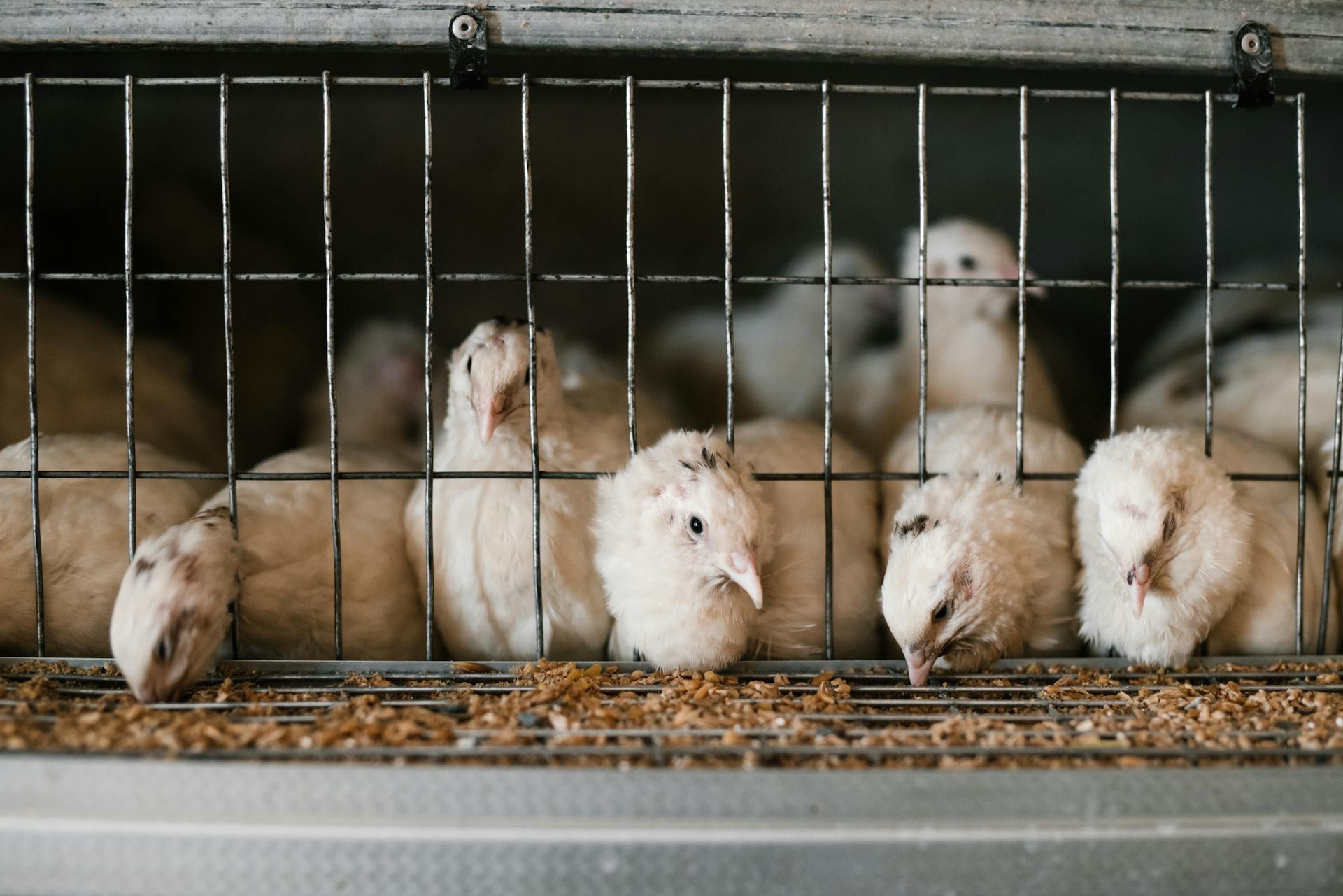
Factory farms, also known as Concentrated Animal Feeding Operations (CAFOs), are massive operations where animals are cruelly confined for their entire lives.
Animals in confinement are frequently densely crowded or confined to cages without enough space to turn around.
Industrially-raised broiler chickens are raised in large open houses, but guidelines require less than three-quarters of a square foot per bird – a space just slightly bigger than a sheet of letter paper.
Egg-laying hens, called layers, are often raised in battery cages, which are too small for the chickens to turn around in or spread their wings.
Dairy cows are sometimes tethered in a barn for long periods, unable to take more than a few steps, side to side.
Female hogs, known as sows, are confined to gestation crates shortly before giving birth and while nursing.
Antibiotics and other drugs are used to control diseases in these overcrowded, unhealthy conditions, but this overuse is leading to widespread antibiotic resistance across the globe.
According to the World Health Organization, antibiotic-resistance in many areas of the world already exceeds 50 percent in many major bacteria groups.
Confinement operations with higher farm animal welfare standards are still more stressful and less healthy for the animals than well-managed pasture.
Cows in confinement are fed grains, which can make them sick – feedlot bloat is responsible for the death of thousands of cattle annually.
Discover more: World Animal Protection Scandal
Foie Gras Production
Foie Gras production is a highly debated topic, and for good reason. The UK has banned the production of foie gras due to its inhumane treatment of ducks and geese.
The process of force-feeding ducks and geese to produce foie gras can cause significant suffering to the animals. In fact, the UK has taken a strong stance against it.
This method of production involves forcing a tube down the animal's throat to pump large amounts of food into their stomach. It's a cruel and unnecessary practice.
The UK's ban on foie gras production is a step in the right direction for animal welfare.
Take a look at this: Uk Euthanizing Bully Breeds
Animal Cruelty
Factory farming is a harsh reality for many farm animals. They never breathe fresh air.
Animals on factory farms are denied basic needs like feeling grass beneath their feet.
Culling
Culling is a common practice in animal agriculture, where male offspring are deemed unnecessary since they don't produce milk or eggs. In industrial systems, bull calves are often sold to be raised as veal when they're just a few days old.
Male chicks of laying hens are culled at the hatchery, usually by being fed into an industrial grinder. This is because they're not suitable for laying eggs and grow too slowly to be raised for meat.
Many veal calves are still raised in crates with insufficient space to turn around, although this practice is being phased out in some states. Eight states have banned the practice, and larger veal producers are moving to more humane systems.
Farmers who raise laying hens on pasture typically don't hatch their own layer chicks from eggs, instead purchasing them from hatcheries that use the grinder method.
Stop Cruelty
Pregnant pigs in factory farms are confined in metal gestation crates so narrow they can't turn around.
They remain trapped for four months of pregnancy, then moved to equally restrictive farrowing crates to nurse piglets. This cycle repeats until slaughter at just 5 or 6 years old, far below their natural lifespan.
Animals on factory farms never breathe fresh air or feel grass beneath their feet.
You can stop factory farming and other animal cruelty by supporting organizations that work to improve the lives of farm animals.
Environmental Impact
Factory farming is a major environmental threat, producing over 16.5% of global greenhouse gas emissions, rivaling emissions from the entire transportation sector.
Animal agriculture is a significant contributor to climate change, and switching to humane and sustainable farming practices is crucial for animal welfare and climate action.
Shifting toward plant-based food systems can make a big difference, but it's essential to start by making informed choices about the food we eat and the farms we support.
Animal agriculture requires massive amounts of land, water, and feed, leading to deforestation, water pollution, and soil degradation.
A different take: Aspca Free Pet Food
Take Action
Every action matters when it comes to helping farm animals. Join our efforts to end factory farming cruelty and protect farm animals.
Canada's largest grocery retailer, Loblaw, has walked back its commitment to go 100% cage-free by 2025. This means millions of hens across Canada will continue to suffer in cages.
Urge Loblaw to stick to a truly cage-free future by eliminating cages entirely, not just battery cages. We can make a difference by speaking up for these animals.
Pigs deserve to turn around and live without confinement. Proposition 12 provides farm animals with basic protections like this, and more.
Mother pigs (sows) confined in crates in the UK spend their adult lives unable to do anything other than stand up or lie down. It's cruel and unnecessary to force sows to be locked in narrow metal cages.
Prevent the suffering of animals on factory farms and protect the world around us by urging world leaders to support a transition toward a more resilient plant-centric food system.
On a similar theme: Animal Welfare and Rights in Canada
Better Practices
Proper housing is crucial for farm animal welfare. Providing enough space for animals to move around and engage in natural behaviors can improve their mental and physical health.
Farm animals need adequate shelter to protect themselves from harsh weather conditions, such as extreme temperatures and rain. This can be achieved by providing simple, clean, and dry housing.
Animals that are given access to the outdoors have been shown to have lower stress levels and better overall health. For example, pigs that have been able to forage outdoors have been found to have lower levels of cortisol, a hormone associated with stress.
Farmers can also reduce stress in animals by providing a consistent and predictable environment. This can be done by maintaining a regular routine for feeding and care.
Providing animals with opportunities to engage in natural behaviors, such as rooting and digging, can also improve their welfare. This can be achieved by providing suitable substrates, such as sand or soil, for animals to engage in these behaviors.
Farmers can also reduce stress in animals by providing a consistent and predictable environment. This can be done by maintaining a regular routine for feeding and care, and by providing animals with familiar objects and routines.
For more insights, see: Cat Health
Meat and Dairy Production
Chickens reared for meat are often kept in cramped conditions, which can lead to stress and disease. Chickens have complex social needs and should be able to forage and exercise freely.
Dairy cows are typically farmed in large-scale operations, where they may be subjected to poor living conditions and inadequate care. The welfare of dairy cows is a major concern.
Beef cattle, on the other hand, are often raised on vast pastures, but may still face issues such as overcrowding and inadequate veterinary care.
Rabbits for Meat
Rabbits for meat are often farmed, but the law alone isn't always strong or detailed enough to ensure they have a good quality of life or are transported and slaughtered humanely.
Farmers and stock-keepers have a duty to care for rabbits, but governments, food retailers, and consumers also play a crucial role in raising welfare standards.
The farming of rabbits for meat is an area where welfare improvements are needed, and we work to encourage these changes using scientific information and practical evidence.
Governments, food retailers, and consumers all have the power to help make a difference in the lives of farm animals.
Labelling production methods on animal products can help consumers make more informed choices when shopping.
Dairy Cows
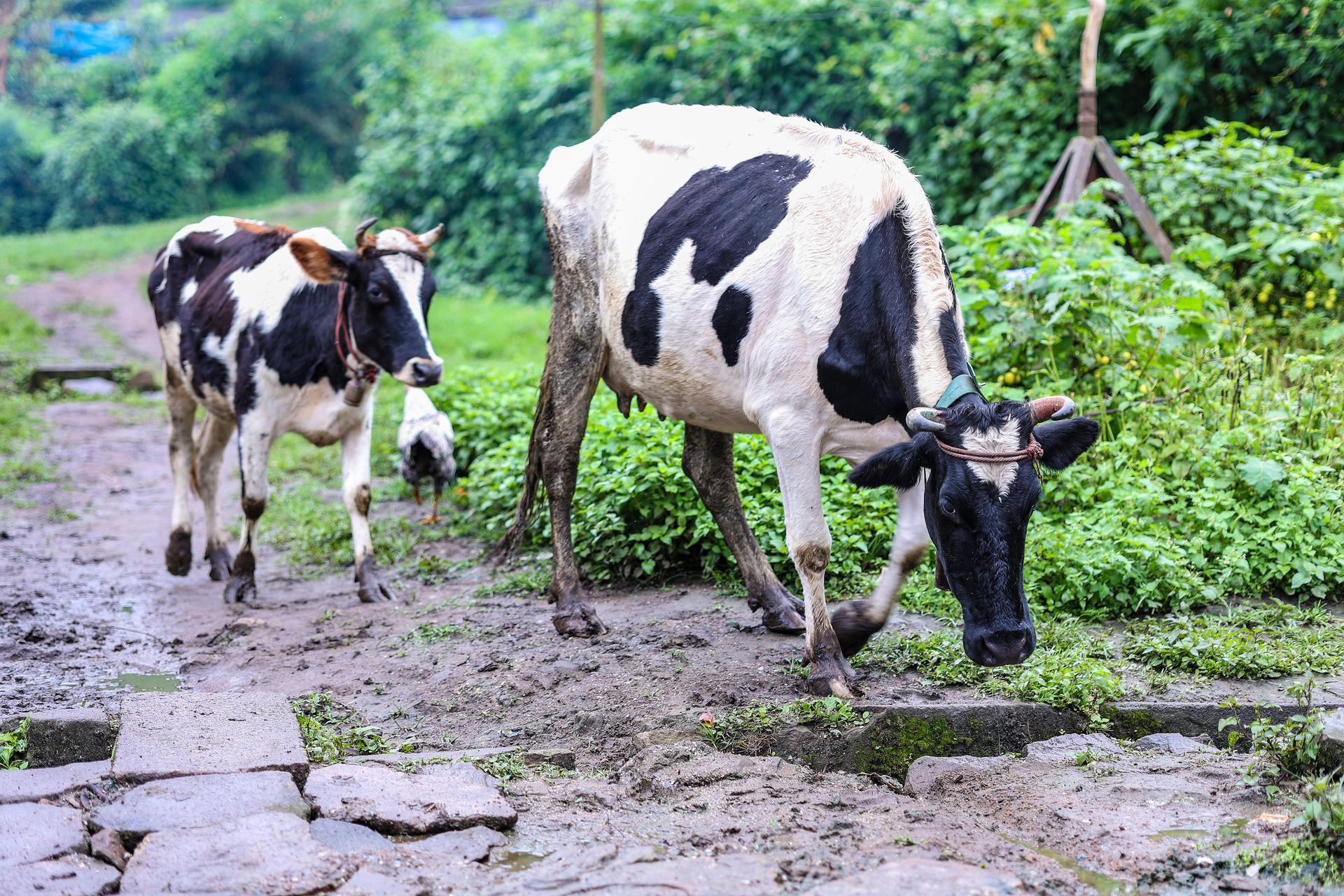
Dairy cows are often farmed in conditions that raise concerns about their welfare.
Dairy cows are typically milked twice a day, with some farms milking them up to four times a day.
The transportation of dairy cows to slaughter can be long and grueling, with some journeys lasting over 24 hours.
We're concerned about the conditions in which dairy cows are farmed, transported and slaughtered.
Beef Cattle
Beef cattle are social animals that thrive in the company of others, which is why they're often kept in groups.
Their natural behaviours include grazing and roaming, but in farms, they're often confined to small areas.
If you're thinking of getting some beef cattle, it's essential to consider their welfare and the impact of farming on their lives.
Key welfare issues include stress and disease, which can be caused by poor living conditions and inadequate care.
To address these issues, many farmers are adopting more humane and sustainable practices, such as providing more space and better living conditions.
You can get involved by supporting farmers who prioritize animal welfare and choosing to buy meat from sources that treat their animals with respect.
Choose Compassion with Every Bite
About 10 billion land animals are slaughtered for food in the United States each year.
Eating less meat doesn't have to be daunting. Simply eating smaller servings and cutting out animal products from one meal per day, or for one day each week, can have a significant impact.
The average person in America consumes significantly more meat than is recommended. In fact, the average meat-eater will consume a total of 2,500 pigs, cows, chickens, turkeys, and sheep in their lifetime.
Less than 1 percent of farmed animals are raised on pasture, with space, fresh air, and sunshine and the chance to interact with others of their kind.
Consuming fewer animal products isn't just good for animals, it's better for people too—reducing the risk of a number of chronic, preventable diseases, including cancer, cardiovascular disease, diabetes, and obesity.
Eating fewer animal-based foods also benefits the planet by reducing environmental degradation from factory farms, saving precious land and water resources and reducing greenhouse gases associated with climate change.
A fresh viewpoint: Korea Bans Eating Dogs
Healthier
Farm animals raised humanely are indeed healthier. They live longer, healthier, and more active lives.
Higher welfare farming can also be less damaging to the environment. This is a win-win situation for both the animals and the planet.
Animals raised with care and compassion tend to thrive, and their health benefits are undeniable.
Reducing Demand
The average person in America consumes significantly more meat than is recommended, with a total of 2,500 animals slaughtered for food in their lifetime.
Eating fewer animal products isn't just good for animals, it's also better for people, reducing the risk of chronic diseases like cancer, cardiovascular disease, diabetes, and obesity.
To give all farmed animals a life worth living, Americans need to eat fewer of their products, which means less meat, dairy, and eggs.
Consuming fewer animal products also benefits the planet by reducing environmental degradation from factory farms, saving precious land and water resources.
Simply eating smaller servings and cutting out animal products from one meal per day, or for one day each week, can have a significant impact.
Explore further: Eating Dogs Asia
Frequently Asked Questions
What is farmed animal welfare?
Farmed animal welfare refers to creating conditions that allow animals to express their natural behaviors and move freely, reducing the need for inhumane practices. By promoting animal welfare, we can improve the lives of farm animals and the people who care for them.
What are the three types of animal welfare?
The three types of animal welfare are animal health, behavioral freedom, and emotional well-being. These core concepts ensure that animals are treated with respect and care, both physically and mentally.
Featured Images: pexels.com