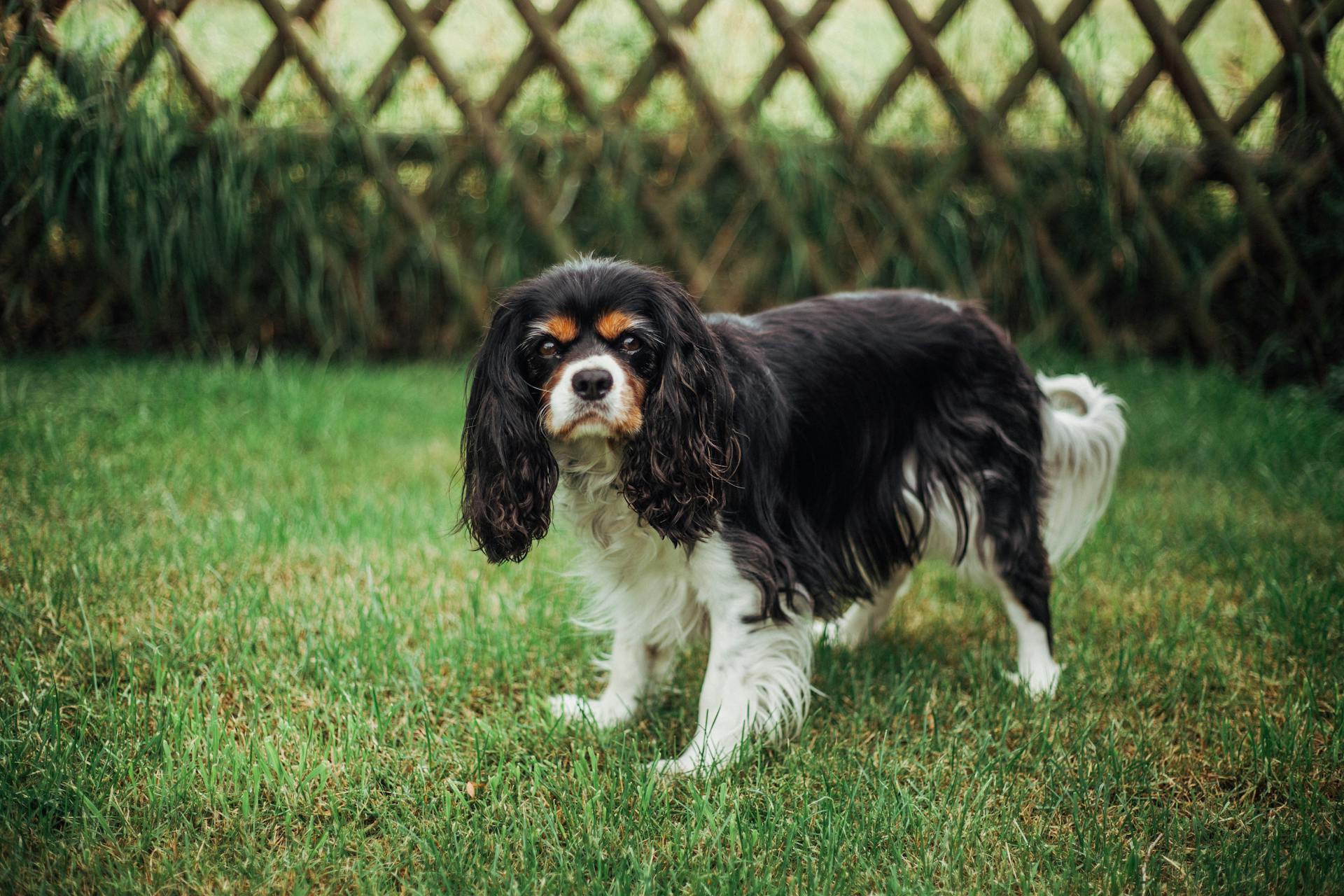
The Cavalier King Charles Spaniel is a beloved breed for many reasons. They have a gentle and affectionate nature, making them a great companion for families and individuals alike.
Their small size, typically weighing between 10-18 pounds, also makes them a great choice for city living or homes with smaller spaces.
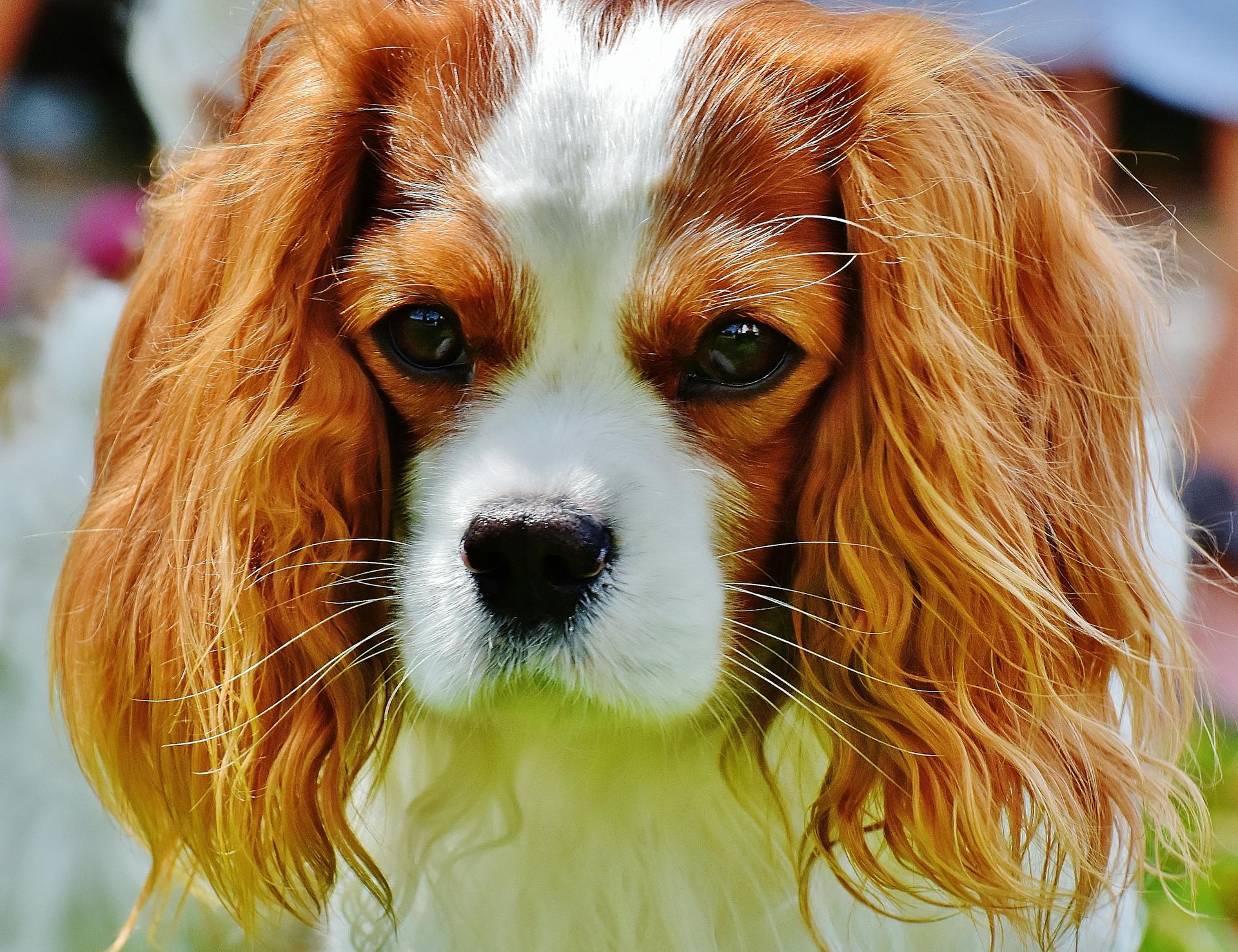
One of the most distinctive features of the Cavalier King Charles Spaniel is their beautiful, gentle expression, which is characterized by a sweet and friendly face.
They have a moderate energy level, requiring daily walks and playtime to keep them happy and healthy.
Characteristics
The Cavalier King Charles Spaniel is a charming breed with a range of characteristics that make them a beloved companion. Their coat colors are as varied as their personalities, with five main options: Blenheim, black and tan, black and white, tricolor, and ruby.
Their coats are a sight to behold, with rich chestnut and pearly white being the most common. Black and tan coats feature black with tan marks above the eyes, on cheeks, chest, and legs. Black and white coats have bigger patches of black in different places on the body, while tricolor coats have black and white with tan marks above the eyes and on the cheeks. Ruby coats are a beautiful brownish/red color.
Curious to learn more? Check out: American Bully Coats
Cavalier King Charles Spaniels are a toy breed, and as such, they're on the smaller side. They typically weigh between 13 and 18 pounds and stand between 12 and 13 inches tall. There isn't much size difference between males and females, making them a great choice for families with children.
One thing to keep in mind is that these dogs can become timid with age, so it's essential to socialize them and play with other dogs and people when they're still a puppy. This will make training much easier and help them become confident adults.
Health and Care
Cavalier King Charles Spaniels are prone to several health issues, so it's essential to be aware of them and take preventative measures.
Their average lifespan is around 12 to 15 years, which is longer than many other breeds. However, they do have more health issues than others.
Eye problems are common in Cavaliers, with around 30% of them developing keratoconjunctivitis sicca, also known as "dry eye." This condition can cause partial or total blindness if left untreated.
Mitral valve disease (MVD) is another serious health issue that affects nearly all Cavaliers. It starts with heart murmurs and can progress to heart failure. MVD is a disease that mostly affects older Cavaliers, but it can also occur in younger dogs.
Veterinarians have worked to decrease the threat of MVD in puppies by creating a set of rules for breeders to follow. If you're planning to get a Cavalier from a breeder, make sure to ask for all the paperwork proving your dog was bred following these standards.
Other health concerns in Cavaliers include syringomyelia, a condition affecting the brain and spine; episodic falling (EP), a neurological disorder; thrombocytopenia and macrothrombocytopenia, hereditary blood disorders; knee and hip disorders; and ear disorders.
Here are some common signs of health issues in Cavaliers:
- Scratching on or in the air near the shoulder when excited or walking on a leash
- Yelping, whining, or whimpering in pain for no apparent reason
- Weakness in the legs
- Head shaking
- Lip licking
- Seizures
To prevent eye problems, it's essential to clean your Cavalier's eyes daily with a wet, warm washcloth or a medicated wipe. This will help prevent tear staining and keep their eyes healthy.
Care and Upkeep
Caring for a Cavalier King Charles Spaniel's coat requires some effort, but it's worth it to keep them looking and feeling their best. They need to be brushed at least once a week to prevent matting and tangling, and to reduce shedding.
CKC Spaniels also need to be bathed regularly, ideally once or twice a month, to keep their coat healthy and their skin free of irritants. A mild, soap-free shampoo is best for this purpose.
In terms of exercise, CKC Spaniels are relatively low-maintenance. A daily walk around the neighborhood is sufficient, and they can also do well in small yards or apartments. However, be aware that they do enjoy sniffing out birds and exploring the wilds, so it's essential to keep them on a leash.
Here are the different coat types you can expect to see in a CKC Spaniel:
- Blenheim: Reddish-brown and white; partial red mask and ears, and red patches on a white body
- Tricolor: Black and white with tan points
- Ruby: Solid red
- Black and tan: Black with tan markings
It's also essential to keep an eye on your CKC Spaniel's health, as they can be prone to certain issues. Regular screening for syringomyelia, mitral valve heart disease, eye issues, hip dysplasia, and middle ear infections is crucial to ensure they live a long and healthy life.
The Cav is a Natural Athlete
The Cavalier King Charles Spaniel excels at sports like agility, rally, and obedience due to a combination of athleticism and trainability.
Their athletic ability allows them to easily navigate obstacle courses and perform complex tasks with ease.
This trainability also makes them highly responsive to commands and cues, making them a joy to train and work with.
Their friendly and outgoing personalities make them a natural fit for dog sports that require interaction with their human partners and other dogs.
Upkeep and Care
Taking care of your Cavalier King Charles Spaniel's coat is a must. They require weekly brushing to keep it well maintained and reduce shedding.
Their long coat can get messy, especially around the abdomen where urine stains can occur. Daily bathing or clipping may be necessary in these areas.
CKC Spaniels need a moderate amount of exercise, which can be met with a daily walk around the neighborhood, even in a small yard or apartment. They also enjoy sniffing out birds and exploring the wilds.

A daily walk can help keep your CKC Spaniel happy and healthy. They also enjoy retrieving and swimming.
To keep your CKC Spaniel's coat healthy and skin free of irritants, bathe them at least once or twice a month. Use a mild, soap-free, aloe- or oatmeal-based shampoo for best results.
Regular grooming is essential for your CKC Spaniel's overall health. They require frequent professional grooming to keep their coat in top condition.
Here are some of the health issues to be aware of in CKC Spaniels:
Nutrition and Diet
Cavalier King Charles Spaniels need a high-quality and portion-controlled diet, specifically formulated for toy or small breeds.
Avoid overfeeding them, as they are prone to obesity. Give them some of their meals from a slow-feed bowl or interactive treat toy if they gobble down their food.
A well-balanced, AAFCO-approved diet provides all the necessary vitamins and minerals for growth and development.
Consider adding nutritional supplements, such as joint supplements like glucosamine, chondroitin, and MSM, to support joint health.
Essential fatty acids like omega-3 (high-quality fish oil) may have anti-inflammatory properties and help with eye and heart health.
Probiotics can help improve digestive health, immunity, and ability to fight disease, but are only necessary during times of illness, stress, or malnutrition.
CKC Spaniels do best on a complete and balanced diet approved by the Association of American Feed Control Officials (AAFCO) and specifically formulated for small or toy breeds.
Recommended brands include Hill’s Science Diet, Royal Canin, and Purina.
Puppies under 1 year old need a special diet formulated for puppies, with added nutrients for mental and physical development.
Dogs over 1 year old should eat a diet labeled for adult dogs, and switch to a senior dog diet around 7-8 years old.
Consider feeding your adult and senior CKC Spaniel a low-fat or low-calorie diet to maintain lean body weight and prevent orthopedic problems.
Puppies should be fed three to four times a day, and adult dogs should be fed twice a day.
Here's an interesting read: Will Shiba Inu Reach 1 Cent
Pet Parent Considerations
If you're considering bringing a Cavalier King Charles Spaniel into your family, it's essential to think about the needs of your furry friend and your household. They make great family pets, especially with small children, as they're generally good with other pets and kids.
Cavaliers crave companionship and require lots of attention, so it's best to avoid leaving them alone for too long. This can lead to destructive behavior and excessive barking when bored or stressed.
If you have small children, it's crucial to keep a close eye on your dog when they're together, as children may not know how to behave around dogs. Your Cavalier may bark to call your attention to someone at the door, but mostly they're calm and quiet.
To prevent any issues, make sure to supervise interactions between your Cavalier and small children, especially until your child is mature enough to understand how to play with dogs.
For more insights, see: Priceless Pets Adoptable Dogs
History and Training
The Cavalier King Charles Spaniel has a rich history that dates back to the 16th century, originating from England as a companion dog to royalty.
Their ancestors were known as Toy Spaniels, and they were bred to be gentle and affectionate companions. They were often given as gifts to royalty and nobility.
In the 19th century, the breed was refined and renamed the Cavalier King Charles Spaniel, with a focus on their distinctive physical characteristics.
Explore further: Shih Tzu Chinese Royalty
History of
The Cavalier King Charles Spaniel has a rich history that spans centuries. They were first bred in the 17th century for British nobility.
King Charles I and his son, Charles II, were especially fond of these dogs, which is where the breed gets its name. They were known as toy spaniels back then and came in a variety of appearances.
The Blenheim color variant was named after the First Duke of Marlborough, John Churchill, and his wife, who were passionate about the breed. They had many dogs of the breed at their home in Blenheim Palace.
Readers also liked: Shih Tzu First Haircut
Queen Victoria also loved the breed and had a close companion named Dash. During her era, the spaniels were crossed with flatter-faced companion breeds from Asia, such as the pug and the Japanese chin.
This led to the development of the English toy spaniel, which is confusingly known as the King Charles spaniel in the UK. The breed has undergone many changes over the years.
In the 1920s, breed enthusiasts began to work towards revitalizing the look of the spaniels from King Charles II and the Duke of Marlborough's time. This led to the development of the breed we know today.
The American Kennel Club only officially recognized the breed in 1995, but since then, it has continued to grow in popularity. In 2018, it was ranked as the 18th most popular breed by the AKC.
Great Therapy Dogs
Cavalier King Charles Spaniels are naturally great therapy dogs due to their original breeding as companion dogs. They have a loving temperament that makes them well-suited for this role.
Originally bred as companions, Cavalier King Charles Spaniels excel as therapy dogs. If you have a Cav with a warm temperament and the time to work with them, consider the AKC Therapy Dog Program.
Intriguing read: Therapy German Shepherds
Training
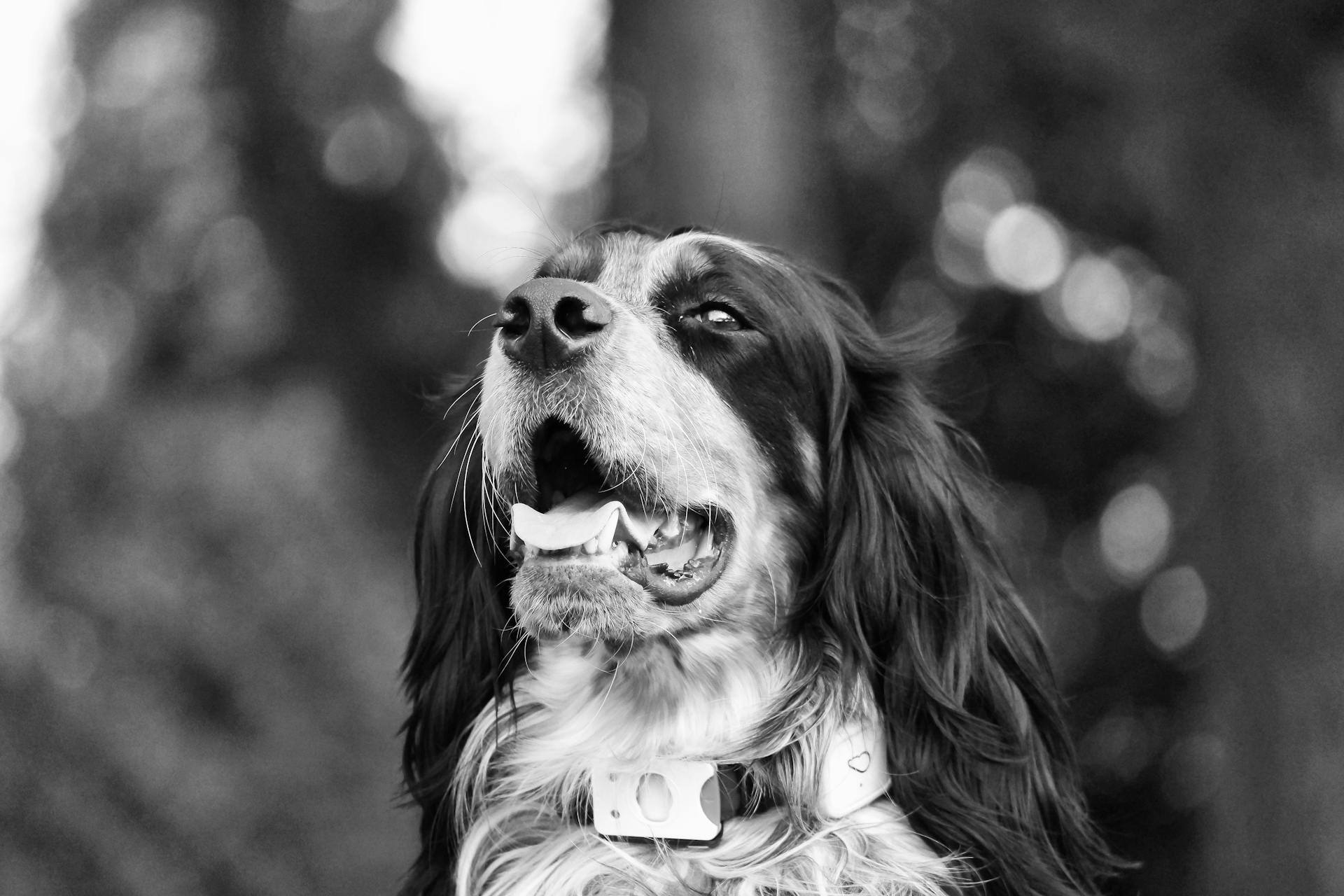
Cavalier King Charles Spaniels are extremely eager to please and food-motivated, making them easy to train using positive, force-free methods. They excel in competitive sports like agility and obedience.
They're smart and love to learn, but their hunting instincts can occasionally surface, requiring careful training to prevent chasing small animals or livestock. A reliable recall is essential to ensure their safety and the safety of others.
CKC Spaniels are prone to many inheritable health conditions, so regular veterinary check-ups are crucial. They also require high-maintenance grooming, which can be time-consuming and costly.
To prevent obesity, it's essential to monitor their food intake and ensure they get enough exercise. Reward-based training involving food and treats is an effective way to keep them engaged and motivated.
- Be patient and consistent during training sessions.
- Use positive reinforcement techniques, such as treats and praise.
- Train your CKC Spaniel as a puppy to establish good manners and social skills.
Frequently Asked Questions
Are Cavaliers one-person dogs?
No, Cavaliers are not one-person dogs, they can thrive with multiple family members or a single person. They make ideal companions for both children and seniors.
Featured Images: pexels.com