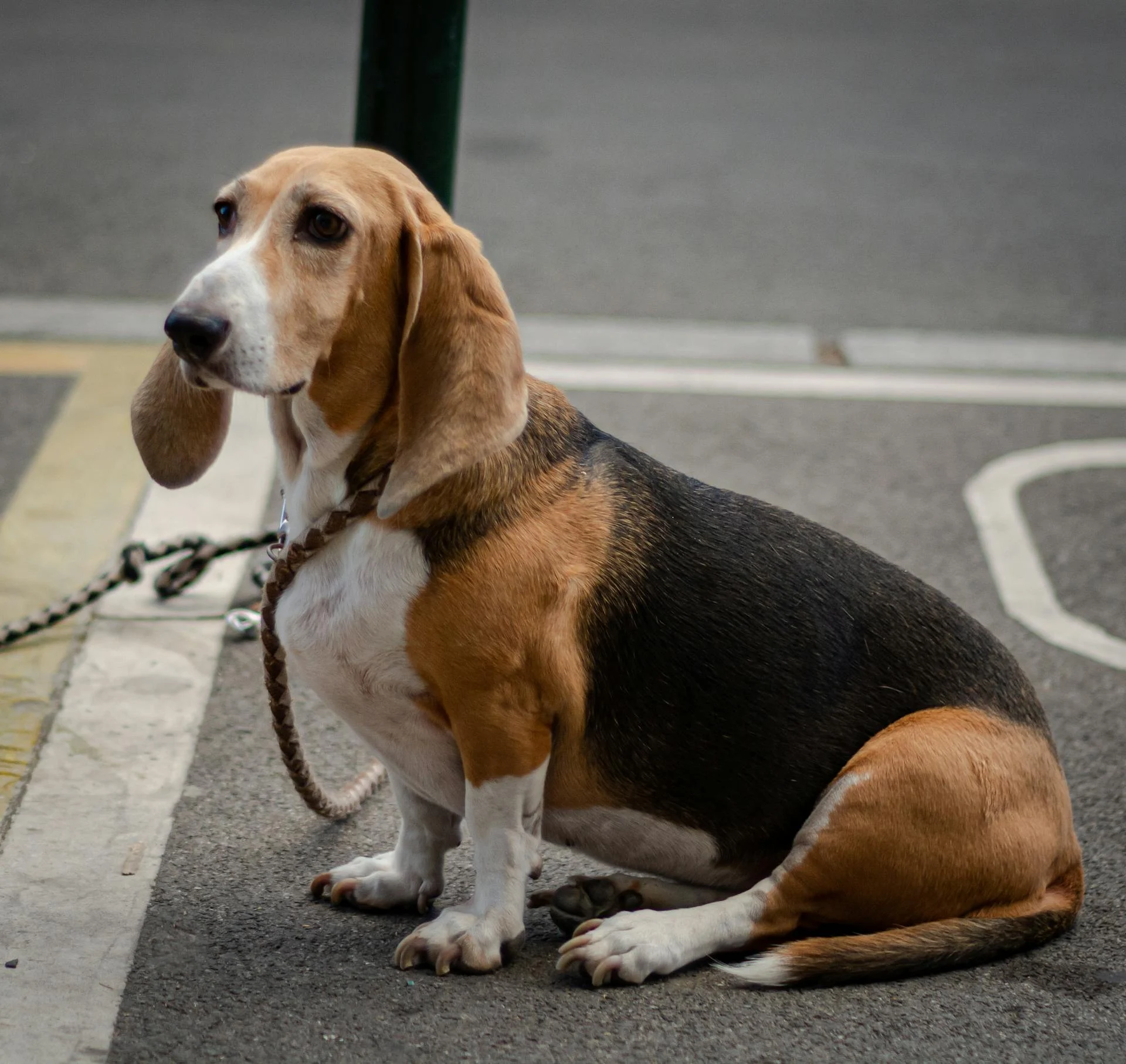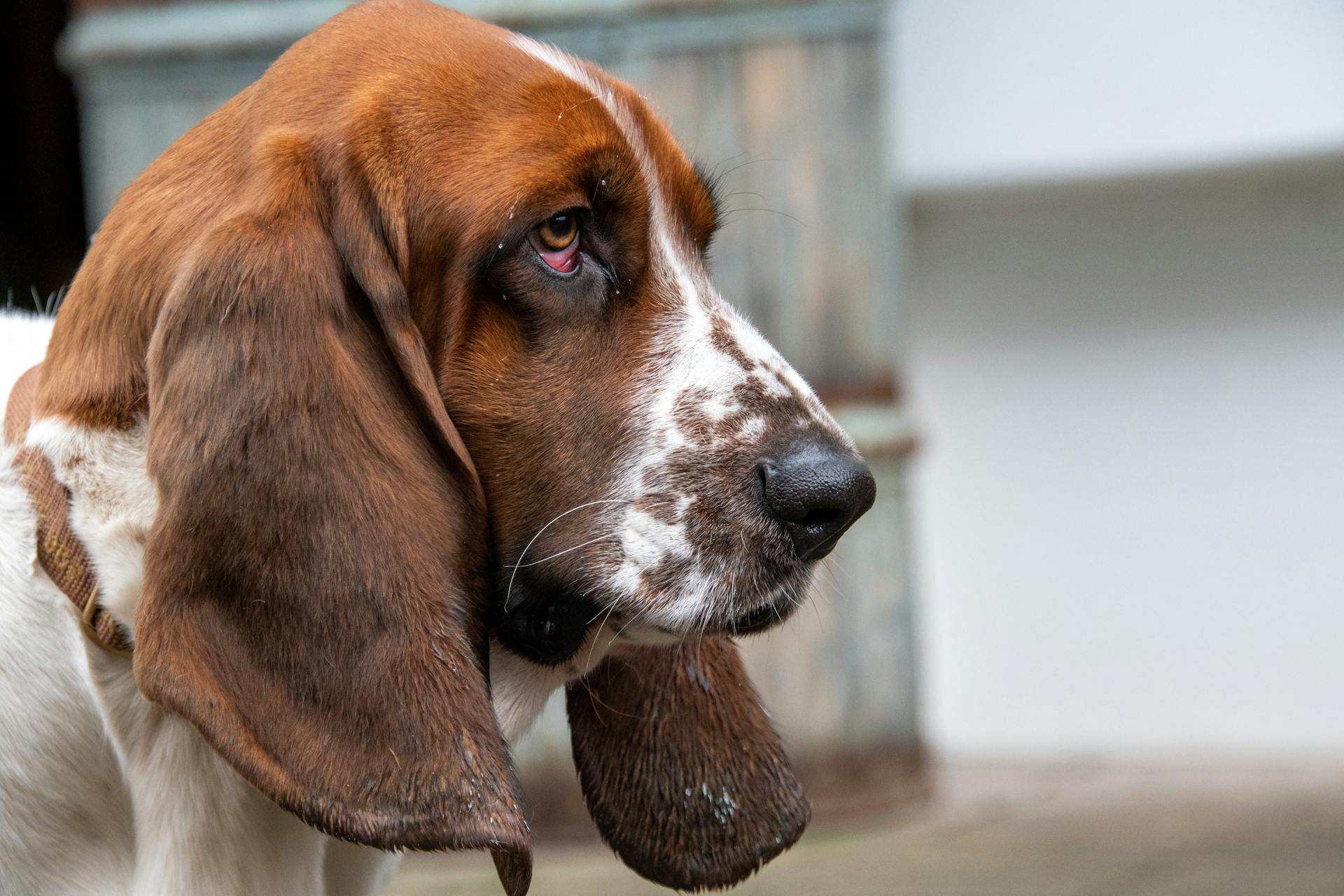
Basset Hounds are a beloved breed known for their distinctive appearance and loving nature. They originated in France in the 16th century.
Their short stature is due to a genetic mutation that caused their bones to grow more slowly. This mutation also led to their long, droopy ears and short, curved tail.
Basset Hounds are prone to certain health issues, including hip dysplasia and ear infections. Regular veterinary check-ups can help identify these problems early on.
Their short coats require minimal grooming, but their wrinkles need regular cleaning to prevent skin infections.
Care and Upkeep
Basset Hounds require a lot of walking or playing, up to an hour a day, especially during the cool parts of the day.
Exercise should be done on a leash or in a fenced area, as they can be faster than their owners and may ignore calls to return.
Basset Hounds are not good jumpers and may need help getting into vehicles.
Their ears can be prone to infection due to their length and weight, which keeps air from getting to the canal.
Regular cleaning and drying of the loose skin around their head is necessary to combat odour.
Basset Hounds are prone to obesity due to their low energy, so moderate feeding and exercise are essential.
They shed profusely in spring and fall, requiring daily brushing to prevent matting.
Basset Hounds are also prone to gastric dilatation-volvulus, a life-threatening condition that requires surgical intervention to prevent.
Regular veterinary check-ups are crucial to monitor their health and prevent conditions like elbow and hip dysplasia.
Their skin is elastic and baggy, making it prone to trapping debris that can cause skin irritation and infection.
Daily inspections and cleaning of their skin are necessary to prevent these issues.
Basset Hounds need a thorough going-over several times a week to prevent ear infections and skin problems.
Their drooling can be excessive, especially in warm weather, and may require a "snood" to keep their ears clean and dry.
Temperament and Training
Basset Hounds are known for being friendly, outgoing, and playful dogs, tolerant of children and other pets. They're also generally calm and easygoing, which makes them perfect companions for indoor owners.
Their laid-back approach to life can make training a challenge, as they tend to refuse to do anything quickly. Basset Hounds are not naturally inclined to be protection dogs, but they can be decent watchdogs.
They're highly food motivated, which means training that involves rewards is right up their alley. With patience and positive reinforcement, Basset Hounds can learn basic training, even if they can be a bit stubborn at times.
Basset Hounds are not naturally quick learners, so owners shouldn't expect Golden Retriever-like responses from them. With time and effort, however, they can become devoted companions that are eager to please their owners.
Check this out: Fun Facts about Police Dogs
Health and Nutrition
Basset Hounds require regular exercise to stay healthy, but they can be prone to joint issues due to their long, low-slung bodies. They need about 20-30 minutes of gentle exercise per day.
Their short coats require minimal grooming, but they do shed heavily twice a year, so be prepared for regular cleaning.
Basset Hounds are prone to obesity, so it's essential to monitor their food intake and ensure they get plenty of physical activity to maintain a healthy weight.
Life Span
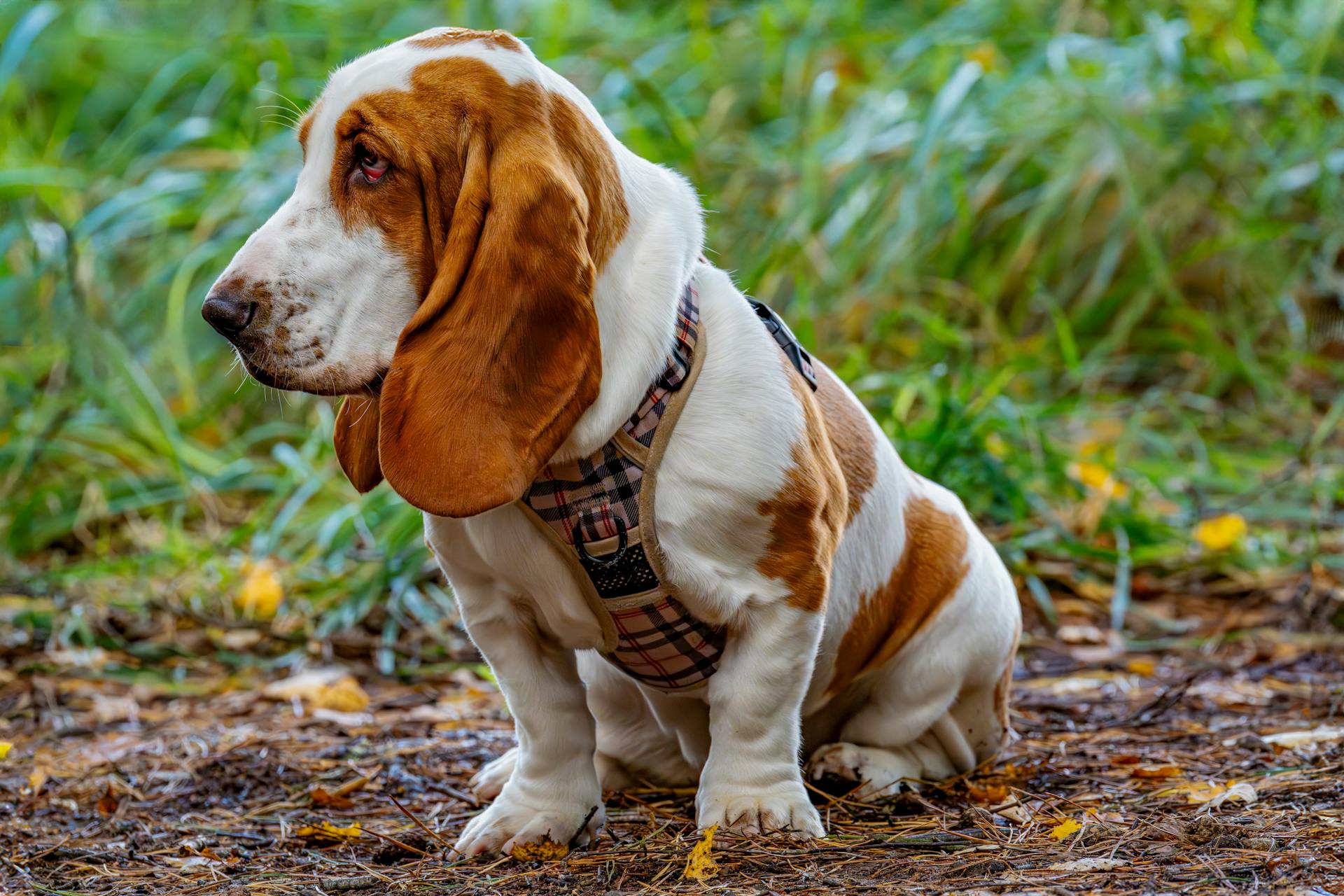
The life span of a Basset Hound is a significant consideration for any owner. The average life span of the Basset Hound is 10 to 12 years. This means that with proper care and attention, your Basset Hound can live a long and happy life.
Other Health Issues
Basset Hounds are prone to various health issues beyond the common ones.
Cancer is a leading cause of death in Basset Hounds, accounting for 31% of fatalities in a 2004 UK Kennel Club survey.
Old age is also a significant factor, with 13% of deaths attributed to it.
Gastric dilatation volvulus is another major concern, with an odds ratio of 5.9 in Basset Hounds, making them more susceptible to this condition.
The prevalence of glaucoma is relatively high in Basset Hounds, with 5.44% of cases reported in a veterinary study.
Basset Hounds are also prone to skin conditions such as allergic skin disease, intertrigo, Malassezia dermatitis, and otitis, which can be painful and uncomfortable for the dogs.
Top 10 Fresh Dog Food Brands
Fresh dog food can be a game-changer for your Basset Hound's health.
The best fresh dog food brands for Basset Hounds might help keep your pup healthy.
Some of the top contenders include Ollie, which offers customized recipes based on your dog's individual needs.
Fresh food is a great option for Basset Hounds because it can help reduce the risk of obesity and other health issues associated with processed dog food.
Ollie's recipes are made with high-quality ingredients and no fillers or by-products.
Basset Hounds are prone to certain health issues, such as hip dysplasia and eye problems, and a fresh food diet can help support their overall health.
The best fresh dog food brands for Basset Hounds offer a range of benefits, including improved digestion and a reduced risk of food allergies.
Other top brands include The Farmer's Dog, which offers a range of recipes made with fresh, locally-sourced ingredients.
A fresh food diet can also help support your Basset Hound's immune system and reduce the risk of chronic diseases.
The Farmer's Dog's recipes are designed to meet the unique nutritional needs of Basset Hounds, with a focus on whole, nutrient-dense ingredients.
Curious to learn more? Check out: Dog Grooming Facts
Appearance
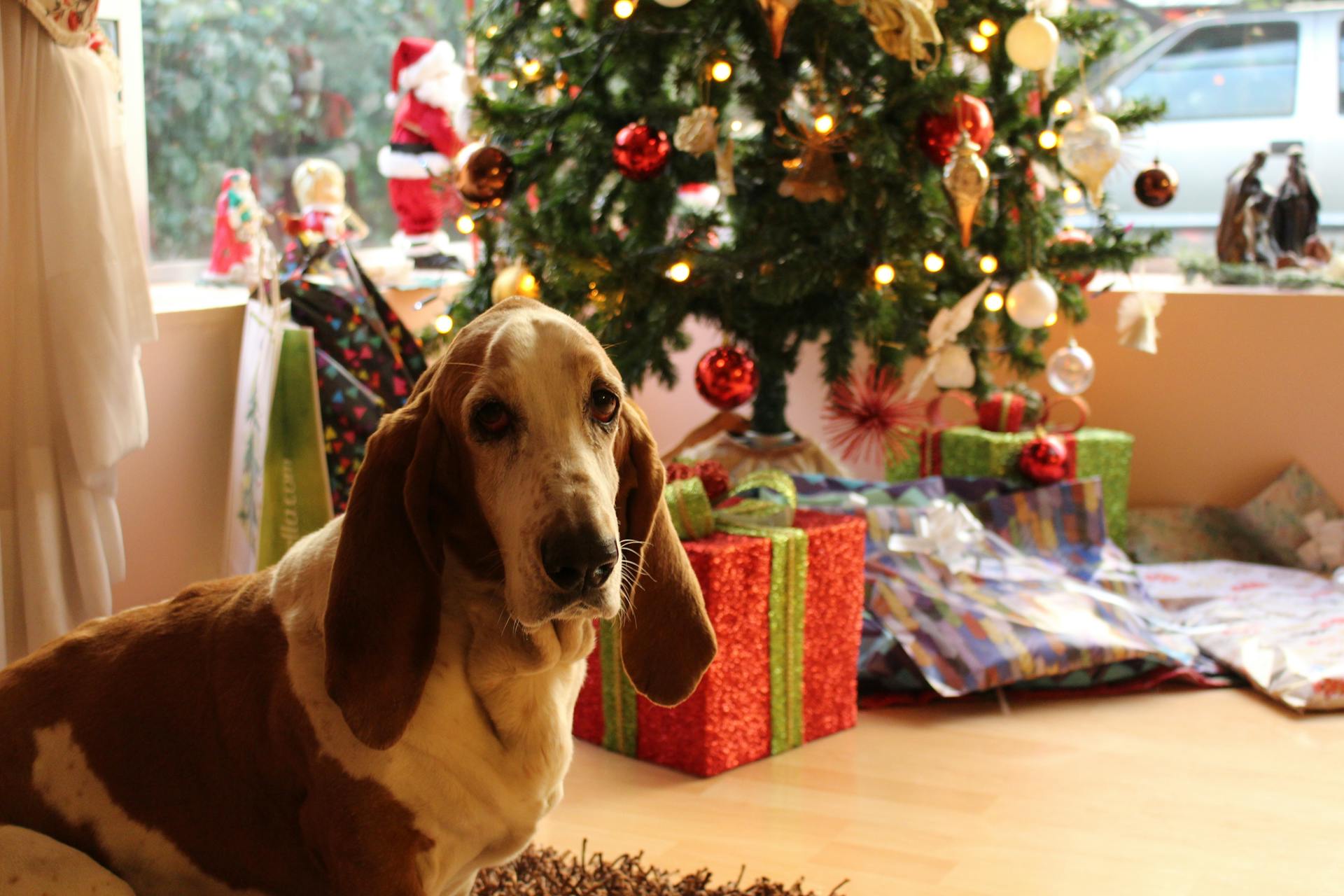
Basset Hounds are a sturdy breed, weighing between 44 and 77 pounds as adults.
Their short, curved tails are a distinctive feature, held high over their long backs.
The face of a Basset Hound often appears sad due to its hanging skin structure.
This unique skin structure is a characteristic shared with their ancestor, the Bloodhound.
The loose elastic skin around the neck is known as the dewlap.
Basset Hounds have a short coat that comes in a variety of colors, including black, white, and tan tricolor.
Frequently Asked Questions
Are Basset Hounds intelligent?
Basset Hounds are intelligent dogs, but their independent nature can make them stubborn at times. They require patient and creative training to reach their full potential.
Do Basset Hounds bark a lot?
Basset Hounds are known to bark frequently, often loudly and in a baying-like tone. This is usually a sign of excitement or frustration, so it's essential to understand their communication style.
Featured Images: pexels.com