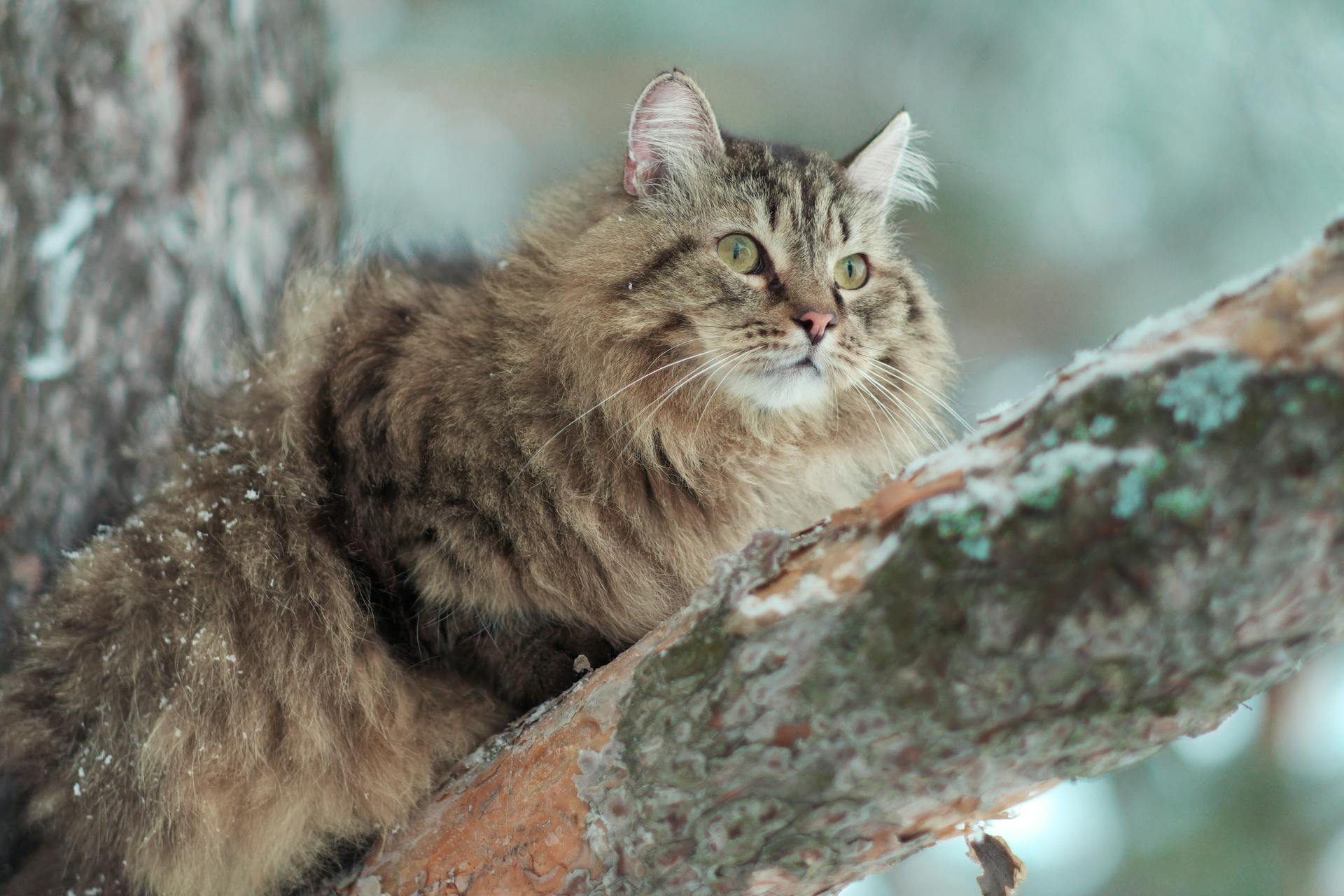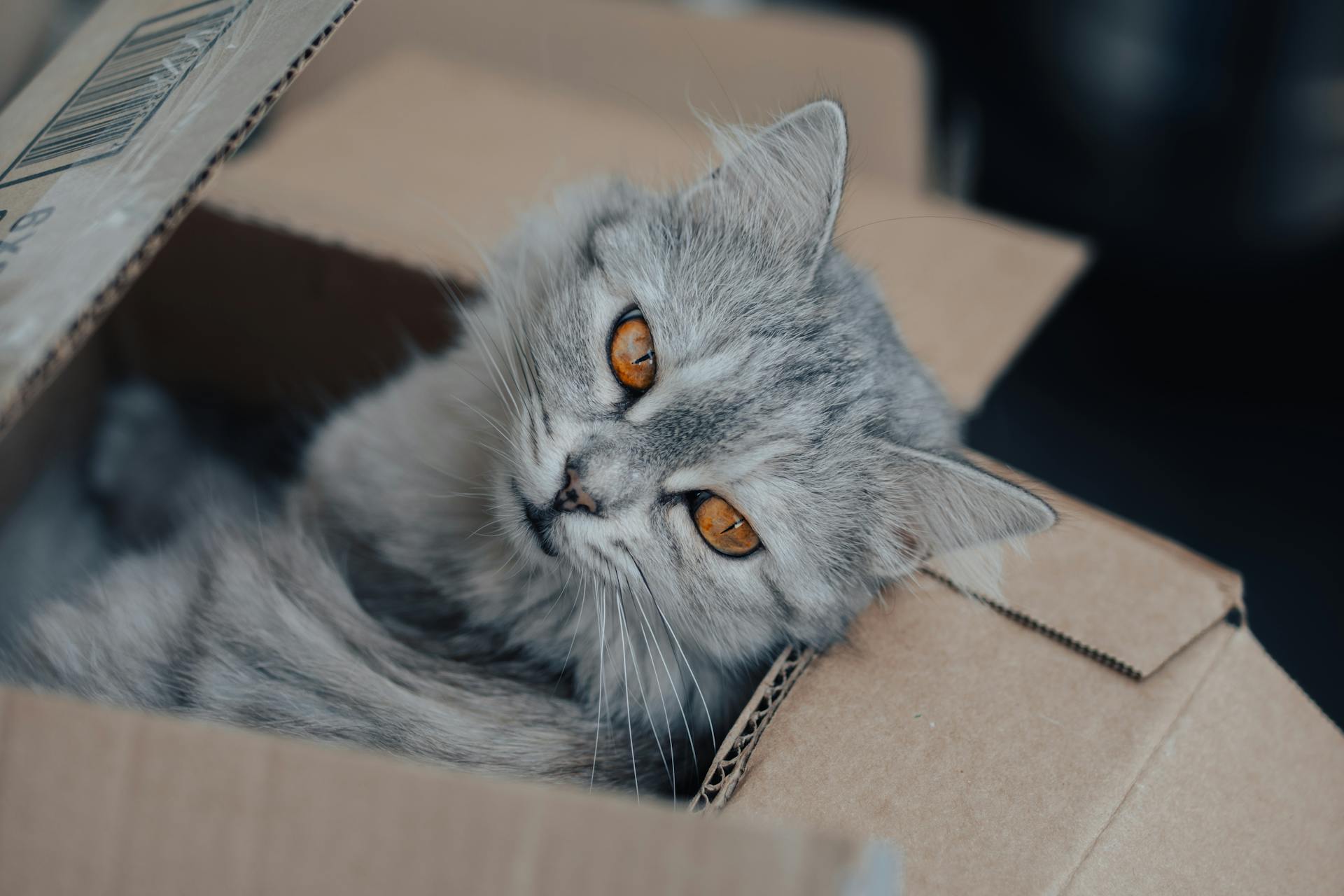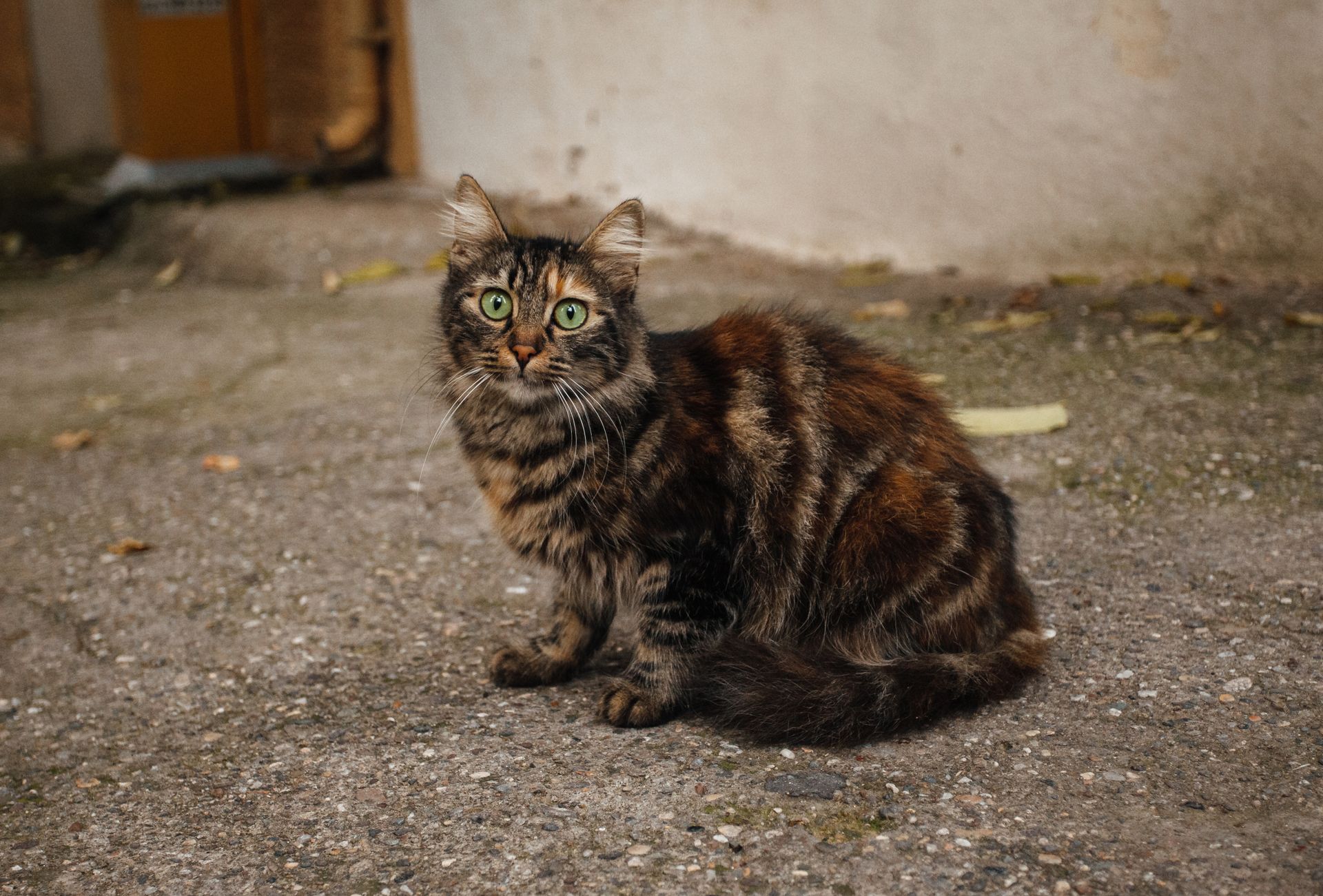
If you're considering bringing an exotic cat into your family, it's essential to do your research and choose a breed that fits your lifestyle.
The Bengal cat, for example, requires a lot of exercise and stimulation to prevent boredom and destructive behavior.
These cats are highly intelligent and active, so they need plenty of toys, scratching posts, and climbing structures to keep them engaged.
Bengals are also known for their high energy levels, so they're best suited for families with children who can keep up with their playful antics.
Some exotic cat breeds, like the Savannah, have specific dietary needs due to their wild ancestry.
Savannahs are obligate carnivores and require a diet rich in protein from animal sources.
They also need access to fresh water at all times, so make sure to provide a clean and easily accessible water source.
Choosing the right exotic cat breed for you will depend on your living situation, family dynamics, and personal preferences.
For your interest: Exotic Cats Pets
Popular Exotic Cat Breeds
The Bengal is a popular exotic cat breed that's sure to turn heads with its wild-looking spots. These spots can range from brown to black, and some Bengals even have a shimmering coat that looks like it's sparkling in the sunlight.
Bengals were first developed in the 1960s by crossing a domestic cat with an Asian Leopard Cat, and they've been a favorite among cat enthusiasts ever since. They come in both shorthair and longhaired varieties, and are known for their energetic and playful personalities.
The Egyptian Mau is another exotic cat breed that's sure to impress with its distinctive spotted coat. This breed has a rich history that dates back centuries, and its coat colors can range from silver to bronze.
If you're looking for a cat that's truly one-of-a-kind, you might want to consider the Bengal or the Egyptian Mau. Both breeds are known for their unique appearances and energetic personalities.
Here are some key characteristics of popular exotic cat breeds:
These breeds may have been developed in different parts of the world, but they all share one thing in common: they're truly unique and special cats that are sure to capture your heart.
Exotic Cat Care and Maintenance
Exotic cat breeds require special care and attention to their unique needs. They still need the basics that all cats require, such as love and attention, a balanced diet, clean litter box, scratching posts, and regular vet check-ups.
To keep your exotic cat happy and healthy, make sure to provide regular playtime and cuddles, scoop the litter box daily, and do a deep clean regularly. A balanced diet is essential, even if it's a special diet, and it needs to meet all their nutritional needs.
Here are some essential care requirements for exotic cat breeds:
- Love and attention: Regular playtime and cuddles are essential.
- A balanced diet: Even if it’s a special diet, it needs to meet all their nutritional needs.
- Clean litter box: Scoop daily and do a deep clean regularly.
- Scratching posts: To maintain claw health and protect your furniture.
- Regular vet check-ups: For vaccinations, health screenings, and preventive care
It's also essential to consider the ongoing costs of owning an exotic cat, including veterinary care, special diets, grooming costs, insurance, and enrichment items. Research the specific needs of the breed you're interested in to ensure you're prepared to adapt your home and routine to meet their needs.
Caring for Exotic Cats: Essentials
Caring for exotic cats requires a deep understanding of their unique needs. Exotic cat breeds still need love and attention, just like any other cat, so regular playtime and cuddles are essential.
Check this out: Large Exotic Cats for Pets
A balanced diet is crucial, and even special diets need to meet all their nutritional needs. Exotic breeds may require high-protein diets or prescription food, adding to their overall care costs.
Exotic cats need a clean litter box, with daily scooping and regular deep cleans. Scratching posts are also vital to maintain claw health and protect your furniture.
Regular vet check-ups are necessary for vaccinations, health screenings, and preventive care. Ongoing veterinary care for exotic breeds can be more frequent or specialized, which can add to their overall expenses.
Here are some essential care requirements for exotic cats:
Remember to research the specific needs of the breed you're interested in and be prepared to adapt your home and routine to meet these needs.
Impact on Other Pets and Family
Considering the impact of an exotic cat on your other pets and family members is crucial before bringing one home. This includes assessing whether your existing pets are suited to living with a potentially dominant exotic breed.
For another approach, see: Cats and Pets
If you have young children, it's essential to consider whether they can interact safely with a high-energy or large cat. This means teaching them how to approach and handle the cat gently and respectfully.
If you're unsure about introducing an exotic cat to your family, it's better to err on the side of caution and choose a different pet. This will help ensure a harmonious and safe living environment for everyone.
Before making a decision, ask yourself if your existing pets are suited to living with a potentially dominant exotic breed. If the answer is no, it may be best to consider a different pet.
To help you make an informed decision, here's a quick checklist:
- Do you have young children who might not understand how to interact safely with a high-energy or large cat?
- Are your existing pets suited to living with a potentially dominant exotic breed?
Choosing and Adopting an Exotic Cat
Choosing a responsible breeder is crucial when getting an exotic cat, as they screen for genetic health issues, socialize their kittens properly, provide ongoing advice and support, and prioritize the cats' welfare over profit. This ensures you're getting a healthy and well-adjusted cat.
Red flags to watch out for in breeders include an unwillingness to show you their breeding facilities, reluctance to provide health certificates, pressure to buy without asking questions, and breeding cats that are too young or too frequently.
If you're considering buying from a breeder, make sure to ask plenty of questions and inspect their facilities before making a decision.
Legal Considerations: Not Just a Technicality
Legal considerations are a crucial aspect of owning an exotic cat. Some states or countries have outright bans on certain hybrid breeds like Savannahs or Bengals.
Before committing to an exotic breed, it's essential to check both local and state/country laws. Laws can change, so stay informed even after you get your cat.
Some areas require special permits or licenses for exotic pets. Housing regulations, like apartments or HOAs, might have their own rules about exotic pets.
To ensure you're not breaking any laws, research the specific regulations in your area. This might involve contacting local authorities or checking online resources.
Choosing a Responsible Breeder
Choosing a responsible breeder is crucial when adopting an exotic cat. This decision can make a significant difference in the health, temperament, and overall well-being of your new pet.
Reputable breeders prioritize the cats' welfare over profit, which means they focus on finding good homes for their kittens rather than just making a sale. This approach ensures that the cats are healthy and well-socialized.
Good breeders screen for genetic health issues, socialize their kittens properly, and provide ongoing advice and support. This level of care can be a huge relief for new cat owners.
Some red flags to watch out for in breeders include an unwillingness to show you their breeding facilities, reluctance to provide health certificates, and pressure to buy without asking questions. These behaviors can indicate that the breeder is more interested in making a sale than in the well-being of their cats.
Here are some key characteristics of a responsible breeder:
- Health: Screens for genetic health issues
- Temperament: Socializes kittens properly
- Support: Provides ongoing advice and support
- Ethics: Prioritizes the cats' welfare over profit
Remember, buying from irresponsible breeders or dealers can support unethical practices and may result in a cat with health or behavioral issues.
Adopt a Pet
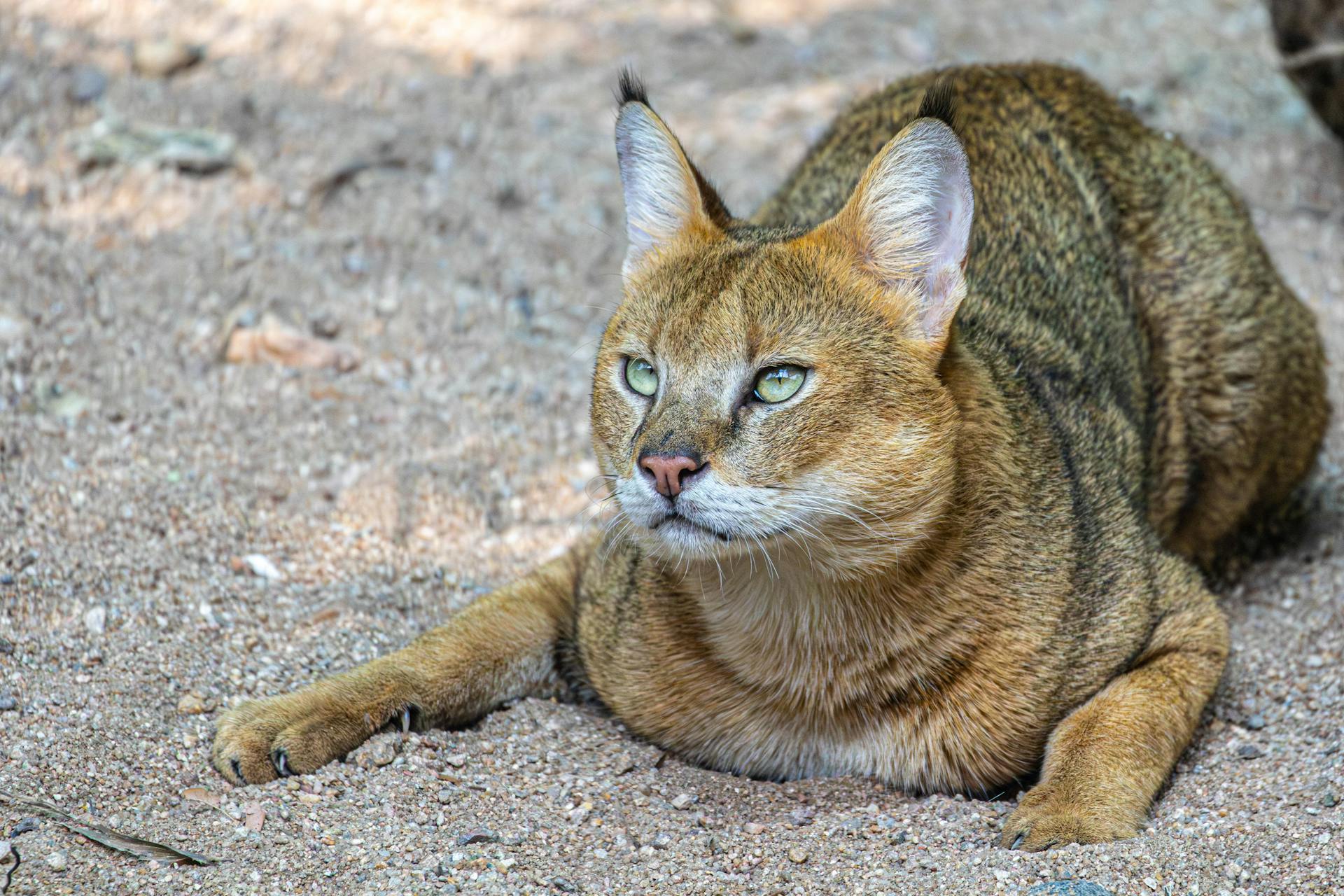
Adopting an exotic cat breed can be a life-changing experience. You'll have a unique companion that will bring excitement and joy into your life.
Their unparalleled beauty and distinctive personalities make every day an adventure. You'll never know what to expect, and that's part of the fun.
Famous feline lovers like Taylor Swift and Ian Somerhalder have adopted these breeds, showing that they're compatible with all lifestyles. If it's good enough for celebrities, it's good enough for you!
Their unique appearance and traits make them the center of attention in any room. You'll be the envy of all your friends and family with an exotic cat breed by your side.
Here are some exotic cat breeds that make great companions:
- Ocicats: Wild at heart but domestic by choice, they're the perfect spotted sidekick for your home safari.
Exotic Cat Identification and Selection
Choosing the right exotic cat breed can be a daunting task, but with the right guidance, you can make an informed decision. Opt for reputable breeders who prioritize animal welfare and offer clear health records.
Reputable breeders, like those we partner with, ensure that every kitten comes with a comprehensive health guarantee. This gives you peace of mind knowing that your new pet is healthy and well-adjusted.
To identify an exotic cat breed, look for distinctive features such as spotted or unique markings. The Bengal, for example, has a coat that mimics a leopard's, while the Maine Coon has a majestic mane.
When selecting an exotic cat breed, consider factors such as fur color and size, body size, mannerisms, facial shape, vocalness, and body type. You can search for these characteristics online to narrow down your options.
Here are some key characteristics to look for in an exotic cat breed:
- Fur: Color, size, and pattern
- Body size
- Mannerisms
- Facial shape
- Vocalness
- Body type
By considering these factors and choosing a reputable breeder, you can find the perfect exotic cat breed to join your family.
Exotic Cat Breeds and Their Characteristics
Exotic cat breeds are known for their distinctive features, often resembling their larger, wild relatives. These breeds can range from the spotted Bengal, mimicking a leopard's coat, to the majestic Maine Coon, echoing the lion's mane.
Some exotic breeds have specific care requirements, such as tailored diets to accommodate nutritional needs and regular grooming sessions to maintain their distinctive coats. Understanding these needs is crucial for their well-being.
Here are some key characteristics of exotic cat breeds:
- Fur (color and size), markings, body size, mannerisms, facial shape, vocalness, and body type are all things you can search online to identify your cat's breed.
- Some breeds, like the Lykoi, have patchy fur that makes them look a bit scruffy and wild.
- Others, like the Toyger, have orange fur and black stripes, making them look like tiny tigers.
- Some breeds, like the Khao Manee, have striking eyes that can be blue, gold, or even one of each color!
Scottish Fold
The Scottish Fold is a unique and charming breed that's sure to capture your heart. They're known for their adorable, owl-like face and folded ears.
Scottish Folds are generally medium-sized cats, not too big, not too small. They're also known for being laid-back and easy-going, making them a great fit for families with kids.
One of the most distinctive features of the Scottish Fold is their genetic mutation that causes their ears to fold forward. This mutation is responsible for their adorable, round face.
Here are some key characteristics of the Scottish Fold breed:
- Unique folded ears that give them an owl-like appearance.
- Sweet, calm, and loves to be with their humans.
- The fold in their ears is caused by a genetic mutation.
Scottish Folds are great family cats because they're so relaxed and friendly. They love to be around people but aren't too demanding. They're also known for being easy to groom, with a soft and dense coat that requires regular attention.
Overall, the Scottish Fold is a wonderful breed that's sure to bring joy and companionship to any family.
Needs of a Breed
Exotic cat breeds require specific care, from tailored diets to accommodate nutritional needs. Regular grooming sessions are also essential to maintain their distinctive coats.
Their coats can be quite high maintenance, requiring daily brushing to prevent matting and tangling. This is especially true for breeds with long, flowing fur.
Understanding their nutritional needs is crucial, as some breeds require more protein or specific vitamins and minerals in their diet. A balanced diet will help keep them healthy and thriving.
Exotic cat breeds often have unique personalities, but they still need regular veterinary check-ups to stay healthy.
What Makes a Breed
Exotic cat breeds are those with distinctive features, often resembling their larger, wild relatives.
These breeds can range from the spotted Bengal to the majestic Maine Coon.
The spotted Bengal, for instance, mimics a leopard's coat, while the Maine Coon echoes the lion's mane.
Their unusual looks and behaviors make them a fascinating addition to any family.
Intriguing read: Bengal Cat Types
Exotic Cat Cost and Lifestyle Considerations
Exotic cat breeds can be a significant financial commitment, with costs extending far beyond the initial purchase price. Some breeds can cost thousands of dollars, but that's just the beginning.
Ongoing veterinary care is a major expense for exotic breeds, which may require more frequent check-ups or specialized care. Special diets, such as high-protein diets or prescription food, can also add up quickly.
Grooming costs can be substantial for breeds with long or unusual coats, and may require professional grooming. Pet insurance for exotic breeds is often more expensive, making it essential to factor this into your budget.
Exotic cats can live 15-20 years, which means you'll need to consider how your life will change over the next two decades. Will you be moving to a new home, starting a family, or experiencing other significant life changes?
Here are some key factors to consider when thinking about your long-term commitment to an exotic cat:
- Exotic cat lifespan: 15-20 years
- Life changes to consider: moves, relationships, children
The Cost Factor: Beyond Initial Price
Beyond the initial price tag of an exotic cat, there are several ongoing expenses to consider. These costs can add up quickly and may not be immediately apparent.
Ongoing veterinary care is a significant concern for exotic cat owners. Exotic breeds may need more frequent check-ups or specialized care, which can be costly.
Some exotic breeds require high-protein diets or prescription food, adding to their overall cost. This is especially true for breeds with specific nutritional needs.
Grooming costs can also be a factor for exotic cat owners. Breeds with long or unusual coats might need professional grooming, which can be expensive.
Pet insurance for exotic breeds is often more expensive than for traditional breeds. This is something to consider when budgeting for your exotic cat.
Many exotic breeds need lots of toys and climbing structures to stay happy and healthy. Enrichment items can be a significant expense, especially if you're not careful.
Here are some estimated costs to consider:
- Ongoing veterinary care: $500-$1,000 per year
- Special diets: $50-$100 per month
- Grooming costs: $30-$90 per session (every 6-8 weeks)
- Insurance: 20-50% more than traditional breed insurance
- Enrichment items: $50-$100 per month
Long-term lifestyle fit
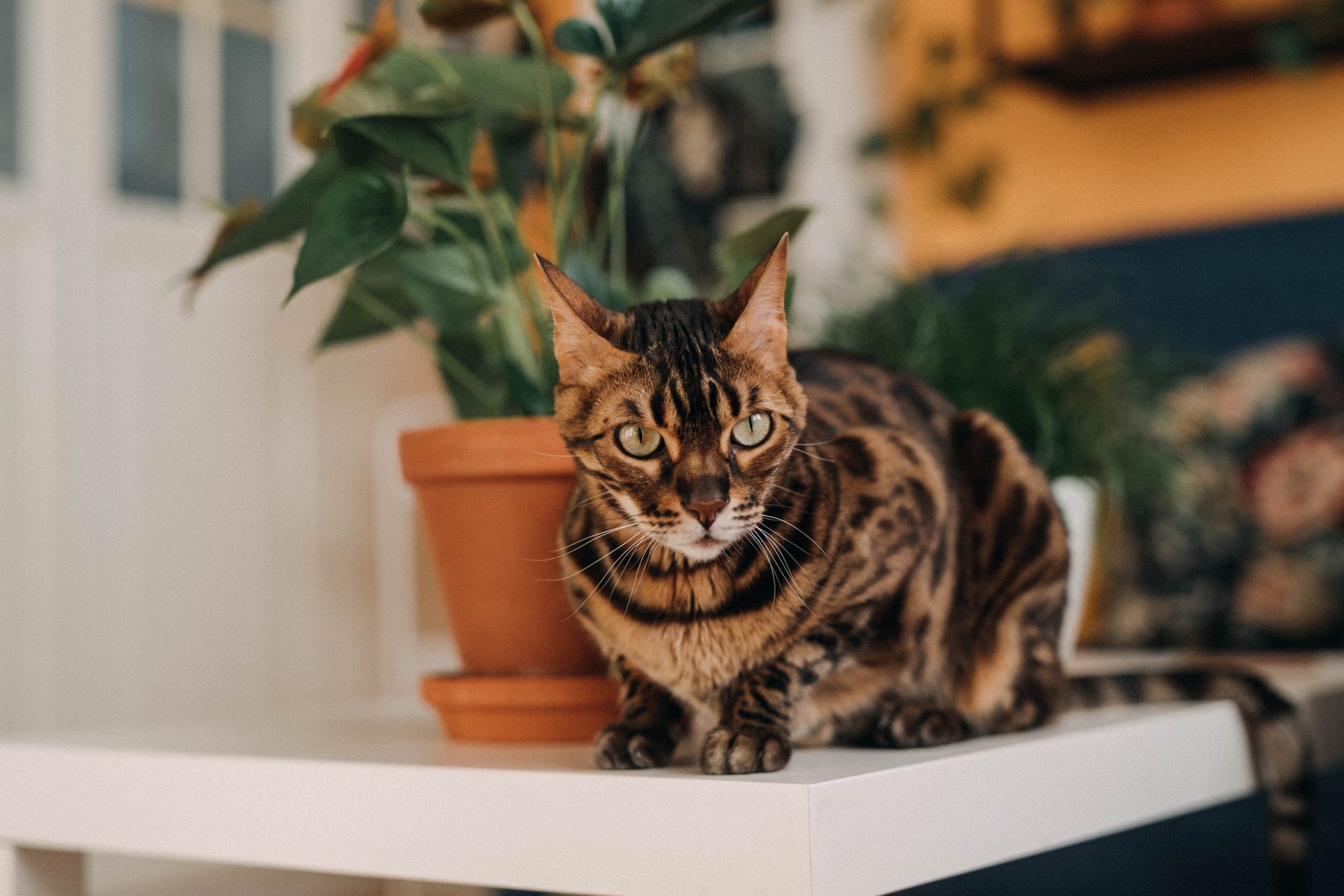
Exotic cat breeds can be a wonderful addition to your family, but it's essential to consider the long-term commitment involved. Exotic cats can live for 15-20 years, which is a significant amount of time.
Before bringing one home, think about how your life might change in that time. Will you be moving to a new home, starting a family, or pursuing new career opportunities? These changes can impact your ability to care for an exotic cat.
Some breeds, like the Sphynx, require regular baths to manage their skin oils. Others, like the Bengal, need more mental stimulation and may require puzzle toys or leash training. Maine Coon cats need larger litter boxes and sturdier cat trees due to their size, while Savannah cats have high energy levels and may need a cat wheel or extensive play areas.
To ensure a smooth transition, research the specific needs of the breed you're interested in. Consider the following factors:
- Hairless breeds need regular baths
- Bengal cats need mental stimulation and puzzle toys
- Maine Coon cats need larger litter boxes and sturdier cat trees
- Savannah cats need a cat wheel or extensive play areas
By understanding the needs of your exotic cat breed, you can create a harmonious and happy home for both you and your feline companion.
Frequently Asked Questions
What is the safest Exotic cat to own?
For families with children, the Maine Coon is a great choice due to its gentle and affectionate nature, making it a relatively safe and low-maintenance exotic cat breed.
Featured Images: pexels.com