Equine hoof wall separation is a common issue that can cause discomfort and pain for horses. It occurs when the hoof wall separates from the underlying tissues, often due to a crack in the hoof wall.
A crack in the hoof wall can be caused by a sudden impact, such as a stone bruise, or by a more gradual process, like a poor trim or shoeing job. The crack can start small, but if left untreated, it can grow and lead to a complete separation of the hoof wall.
Symptoms of equine hoof wall separation may include a visible crack or gap between the hoof wall and the underlying tissues, as well as lameness or sensitivity in the affected area.
What Is Equine Hoof Wall Separation?
Hoof wall separation is a serious issue that can cause a horse a lot of pain and discomfort.
The hard, outer part of a horse's hoof, known as the hoof wall, can become detached from the underlying structures.
This detachment can lead to instability in the hoof, making it prone to further injury.
Poor hoof care is a significant contributing factor to hoof wall separation.
Environmental conditions can also play a role in the development of hoof wall separation.
Genetic predispositions can make some horses more susceptible to hoof wall separation.
Causes and Risk Factors
The exact cause(s) of hoof wall separation and white line disease are not yet known. This lack of understanding makes it challenging to develop effective prevention strategies.
Hoof wall separation and white line disease can affect horses of any age, gender, or breed. It's not just a problem for older horses, either - a 1996 survey found that 11.5% of racehorses in Japan had white line disease, even with regular hoof care.
Older horses (4 and 5 years of age) were more affected than younger horses (2 years of age) in this survey. Lesions were most likely to occur at the toe and were more common in the fore feet than the hind feet.
You might enjoy: Separation Anxiety in Older Dogs
Certain hoof conformations can put additional strain on the hoof wall, leading to separation. These include long toe and/or underrun heel, clubfoot, and sheared heels.
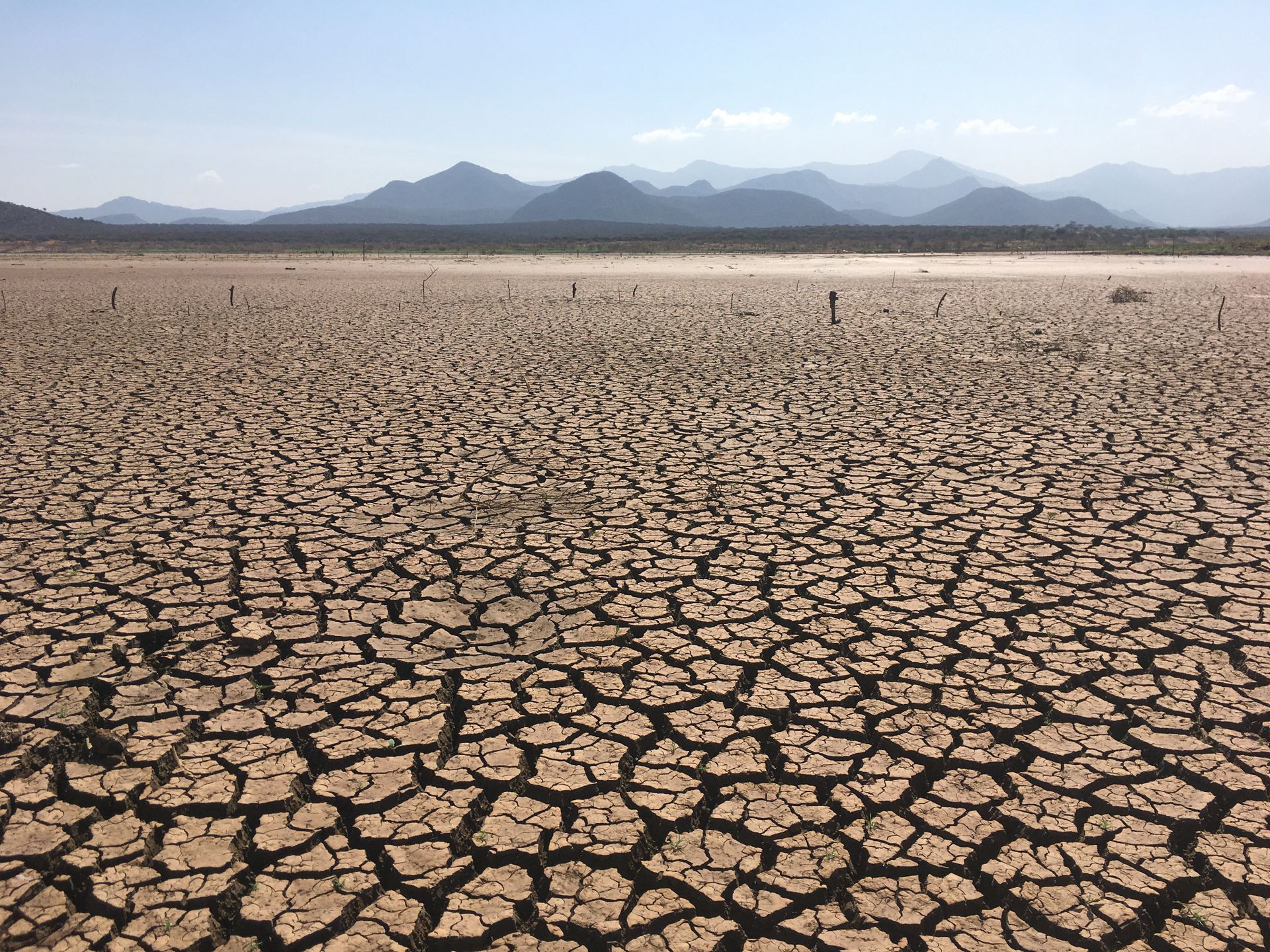
Wet, humid conditions can soften the hoof and allow debris to enter the separation, bringing bacteria and fungi into the area. On the other hand, hot, arid conditions can make the hoof more brittle and prone to cracking, fissures, and separation.
The hoof below the live sole plane is dead, like our fingernails. This means it can dry out and crumble in hot conditions, making it more prone to separation and white line disease.
Symptoms and Diagnosis
Early signs of hoof wall separation include tender soles, temporary heat in the feet, and flattening of the sole in the area near the separation. In some cases, the hoof wall may develop a hollow sound when tapped.
Farriers may notice hoof wall separation during routine hoof care, and the separation can be cleaned out to reach the area of solid connection between the hoof wall and the white line. If the separation is deep, it may become filled with grey/white powdery hoof material indicative of damaged tissue.
In advanced cases, noticeable changes in the shape of the hoof capsule can become apparent, including rotation of the coffin bone and flaring of the hoof wall. This can cause indentation on the dorsal hoof wall and a bulging sole.
Radiographs (x-rays) can be useful in showing the extent of separation and whether there is rotation within the hoof capsule. This can help distinguish between white line disease and laminitis without hoof wall separation.
Here are some common symptoms of hoof wall separation:
- Tender soles
- Temporary heat in the feet
- Flattening of the sole in the area near the separation
- Slow hoof wall growth
- Hollow sound when hoof wall is tapped
In severe cases, hoof wall separation can lead to lameness, abscesses, and laminitis. Affected ponies may also exhibit weight-bearing problems and present shoeing challenges.
Treatment and Recovery
Treatment and recovery from equine hoof wall separation can be a long and challenging process. There is no cure for the condition, but management through hoof care and special shoes may be attempted to lessen symptoms and keep the pony comfortable.
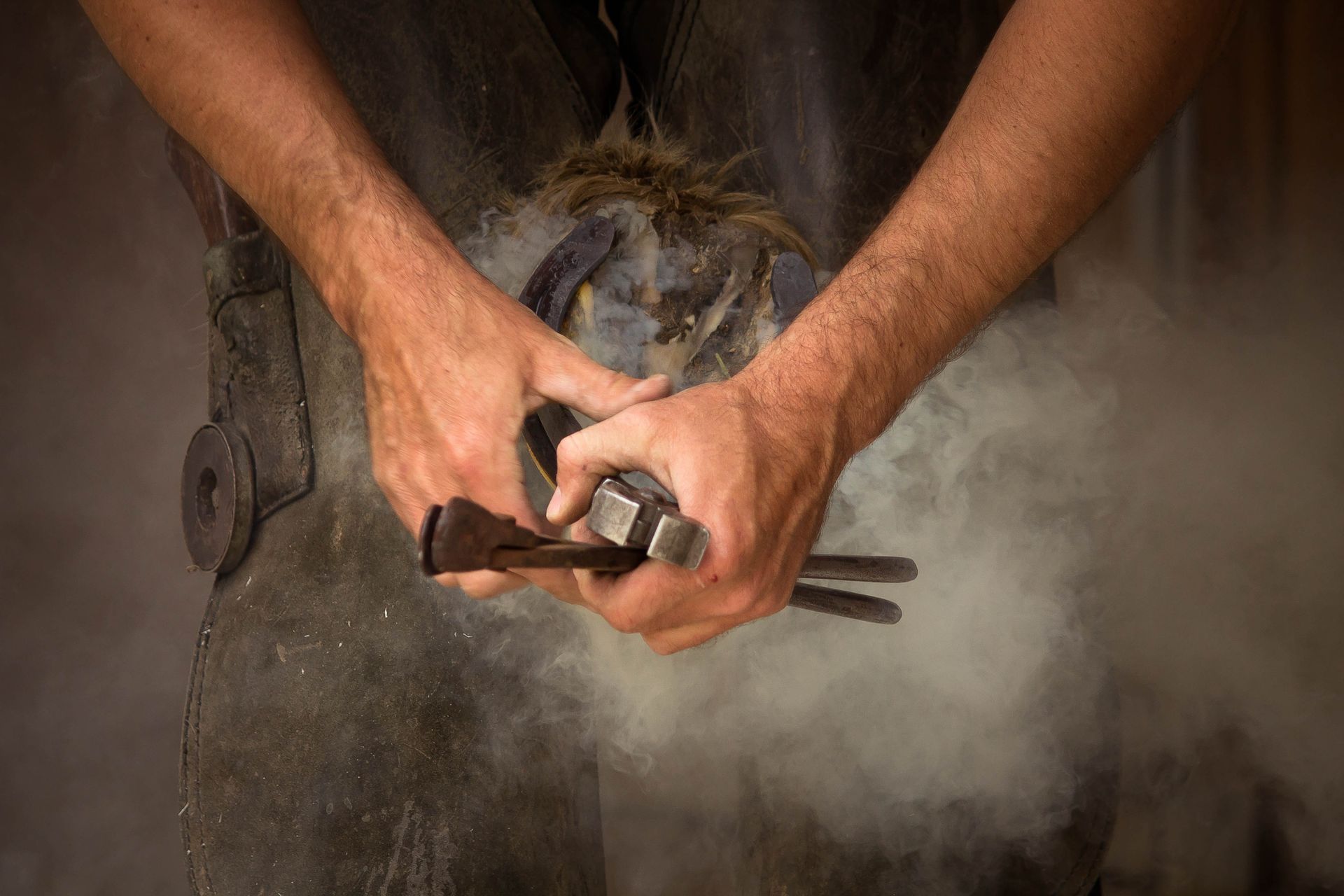
Your farrier will play a crucial role in the recovery process, requiring skilled farriery and resection of the affected tissue.
In the early stages, your farrier may opt to fill the separation with medicated putty before shoeing.
Any underlying hoof conformation issues, such as long toe and underrun heels, should be addressed to decrease the mechanical strain that can perpetuate hoof wall separation.
Your farrier may need to use specific shoeing techniques to help correct hoof wall distortions and redistribute weight-bearing off of the sole and away from the damaged area.
In advanced cases, hoof wall resection may be required, involving the removal of the outer hoof wall to expose the affected area.
The resected area should remain exposed and dry as the hoof wall regrows, which can take several weeks.
To keep the resected area clean and dry, strategies include using dry bedding, keeping the bedding clean and dry, avoiding turnout during wet conditions, and delaying turnout in the morning to when the grass is no longer dewy.
The area will need to be frequently tended by a farrier as it grows out, potentially requiring visits as often as every 2 weeks to support proper healing.
It's essential to clean the resected area daily with a wire brush to promote healthy regrowth.
Prognosis and Prevention
If frequent and appropriate farriery is used, most cases of hoof wall separation will show healthy regrowth and complete recovery.
However, even with proper care, horses who have resolved cases of hoof wall separation are at higher risk of developing it again. These horses should be monitored carefully during routine hoof care to identify any signs of hoof wall separation early.
To prevent hoof wall separation, it's essential to follow basic principles for supporting hoof health and growth, which should be followed for all horses.
Curious to learn more? Check out: Can Humans Get Rain Rot from Horses
Prognosis
The prognosis for hoof wall separation disease can be a bit grim, especially if left untreated. Quality of life may diminish and euthanasia may be necessary.
However, with frequent and appropriate farriery, most cases will show healthy regrowth and complete recovery. In fact, an anecdotal report by farriers who have dealt with over 100 cases of white line disease found that 70% of cases showed complete resolution.
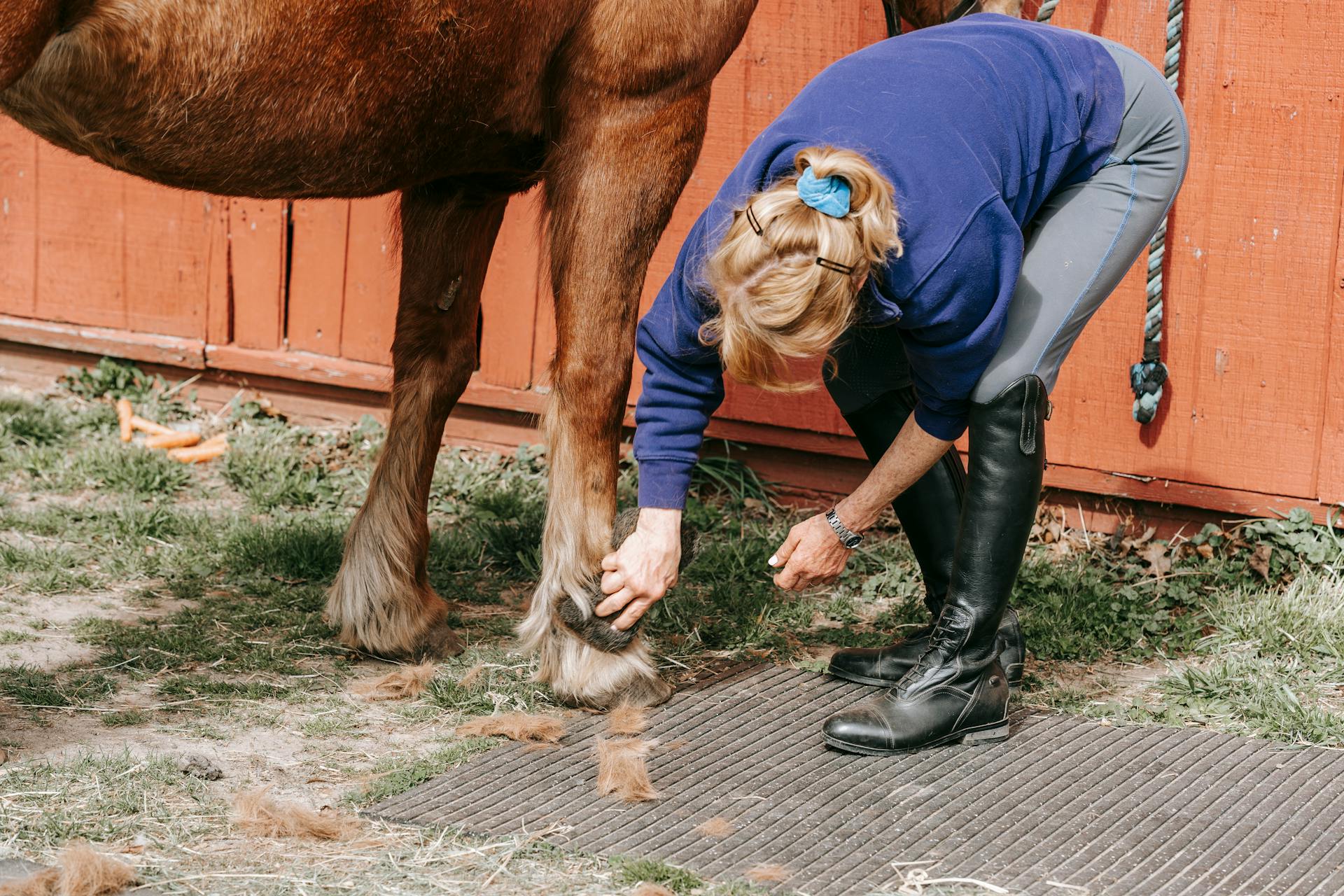
But what about horses that have already developed hoof wall separation? They should be monitored carefully during routine hoof care to identify any new hoof wall separation early and provide appropriate hoof care. This can help prevent further complications.
It's worth noting that horses who have resolved cases of white line disease are at higher risk of developing hoof wall separation again. So, regular monitoring and maintenance are crucial to prevent this from happening.
Here are some signs of white line disease that your farrier may look out for during routine hoof care:
- Tender soles
- Temporary heat in the feet
- Flattening sole in the area near the separation
- Slow hoof wall growth
- Hollow sound when hoof wall is tapped
These signs can indicate the presence of hoof wall separation, and prompt action can help prevent further complications.
Prevention
Prevention is key to maintaining healthy hooves in horses. Basic principles for supporting hoof health and growth should be followed for all horses.
Regular trimming and shoeing can help prevent hoof problems, but it's essential to find a farrier who understands the specific needs of your horse. A well-balanced diet is crucial for healthy hoof growth, but it's not just about the quantity of food, it's also about the quality.
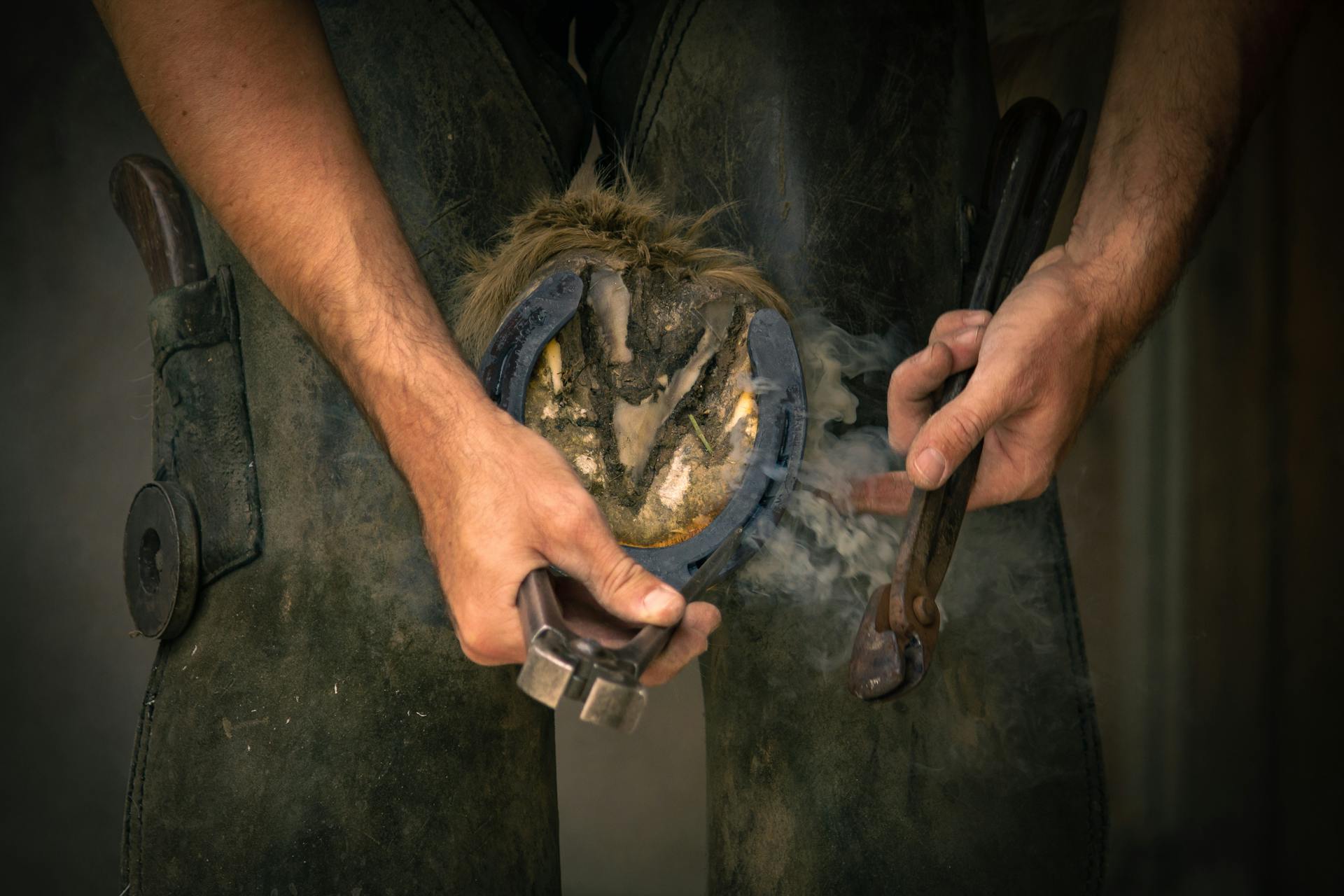
A diet rich in essential nutrients, such as biotin and zinc, can promote healthy hoof growth. A well-balanced diet is crucial for healthy hoof growth, and it's essential to consult with a veterinarian or equine nutritionist to determine the best diet for your horse.
Providing a safe and comfortable living environment can also help prevent hoof problems. This includes ensuring your horse has access to clean water, a clean living area, and adequate space to move around.
Intriguing read: Healthy Mind Canine - Separation Anxiety Training
White Line Disease
White Line Disease is a serious condition that can arise from hoof wall separation. It's characterized by the breakdown of keratin, the main protein in the hoof wall, due to bacterial or fungal infiltration.
Hoof wall separation can begin at the toe, quarter, and/or heel of the hoof, and it's quite common in horses. In fact, farriers often find separations that reach 0.5 to 2 cm in depth.
The area of separation can become infected with bacteria or fungi, which can lead to further breakdown of the hoof wall. This can ultimately result in weak hoof structure, reduced performance, and lameness.
In some cases, the separation can be removed through regular hoof care, but in others, it may remain stable over time. However, if left untreated, the separation can progress upwards towards the coronet, causing further damage.
The presence of fungi within the separation damages cells of the hoof horn, which can lead to a range of problems for the horse.
Proper Care and Wellness
Regular hoof cleaning is crucial to remove dirt and debris from the soles, which can decrease the chance of microbes infiltrating any cracks or fissures.
Cleaning the hooves regularly can also help prevent hoof wall separation by reducing the risk of microbial infection.
Excess moisture makes the hoof wall swell and expand, making it more susceptible to breakdown and microbial infection.
Proper Care
Proper care of your horse's hooves is crucial for overall health and well-being. Regular cleaning of the hooves to remove dirt and debris from the soles can help prevent microbial infections.
Removing dirt and debris from the hooves can decrease the chance of microbes infiltrating any cracks or fissures. This is especially important for horses with existing hoof issues.
Excess moisture can make the hoof wall swell and expand, making it more susceptible to breakdown and microbial infection. So, it's essential to remove your horse from the source of moisture.
Stabling at night or keeping them out on a sandy dry lot can help prevent excess moisture from affecting their hooves. This can also help reduce the risk of hoof wall separation and mechanical strain.
Proper farriery, including trimming and balancing the hooves, can help maintain a strong hoof wall/sole junction. This can support the distribution of weight-bearing in the hoof and prevent issues like long toes or underrun heels.
Feeding Plans for Wellness
Ensuring your horse gets the right nutrients is crucial for strong hoof growth. A slow-growing, dense tissue, the hoof wall is abundant in the protein keratin, which requires several key nutrients to synthesize optimally.
Biotin is an essential B-vitamin that contributes sulfur for keratin production and supports hoof growth and recovery from white line disease. Aim for at least 20 mg of biotin in your horse's ration per day.
Zinc and copper are also vital for keratin synthesis and provide antioxidant protection. A proper balance of these microminerals is essential for optimal hoof health.
Iron can be a problem in equine diets, as it's often high in forages and water, exceeding requirements and contributing to poor hoof health. Avoid feeds with added iron, listed as ferrous sulphate, iron oxide, or iron amino acid complex.
Here's a quick guide to the key nutrients for hoof health:
By providing the right nutrients, you can support strong, healthy hoof growth and overall well-being in your horse.
The Consequences and Takeaways
Horses with hoof wall separation experience pain, which can lead to lameness.
The risk of infection is high due to open spaces in the hoof that can become breeding grounds for bacteria and fungi.
Affected horses may show reluctance to move, impacting their overall health and fitness.
Hoof wall separation disease (HWSD) is an autosomal recessive inherited disease in Connemara ponies, characterized by separation and cracking of the outer hoof wall.
Affected ponies support their weight on the sole of the hoof instead of the hoof wall, which can lead to severe lameness.
A DNA test is available to determine if ponies are clear or have one or two copies of the mutation.
The carrier frequency in the Connemara pony breed is estimated to be 14.8%.
Here are the key takeaways about Hoof Wall Separation Disease (HWSD):
- HWSD is an autosomal recessive inherited disease in Connemara ponies.
- Affected ponies show clinical signs within the first six months of life.
- Carriers are unaffected but can produce affected offspring if bred to other carriers.
- A genetic mutation in the SERPINB11 gene has been identified.
Featured Images: pexels.com