Donkeys have been used as livestock guardians for centuries, and it's easy to see why. They're naturally protective of their surroundings and can be quite effective at keeping predators away from your farm or ranch.
One of the main benefits of using donkeys as livestock guardians is their ability to detect predators. Donkeys are highly sensitive to movement and can pick up on even the slightest signs of danger.
Related reading: Guardians of the Galaxy Cosmo Dog
Why Donkeys Make Good Livestock Guardians
Donkeys make excellent livestock guardians due to their natural instincts and behaviors. They are territorial by nature, which makes them fiercely protective of their territory and the animals within it.
One of the key reasons donkeys are effective guardians is their adaptability. They can integrate with various types of livestock in different environments, making them a versatile option for farmers.
Donkeys are also low-maintenance animals, requiring the same diet as livestock animals and only needing occasional supplements of hay. Regular veterinary care, including foot trimming, dental care, and worming, is essential to keep them healthy and reliable.
Discover more: Livestock Guardian Animals
Donkeys are vocal animals and will bray loudly when they sense incoming danger, alerting farmers and other guardian animals to potential threats. This vocal deterrence can also scare off predators like dingoes.
In terms of physical deterrence, donkeys are larger than dingoes and can intimidate or challenge them, preventing attacks on livestock. With proper care and living conditions, donkeys can live for 27-50 years, providing decades of protection for farmers.
A general rule of thumb is to have one donkey pair per sheep camp for extensive situations. This allows them to effectively guard the flock and respond to potential threats.
Donkeys are naturally aggressive towards canines they don't know, making them a great deterrent against predators like dingoes. They will posture, stomp, and bray to defend their territory and the animals within it.
Donkeys are also herd animals and will naturally stay with livestock, unlike livestock guardian dogs that may sleep in the barn and only venture out at night. This makes them more effective guardians in many situations.
Some experts recommend using a jenny with a foal as a livestock guardian, as the jenny will be extremely wary of potential threats and predators. The foal, raised with a flock, will also become a good protector as it grows older.
For your interest: Are Horses Pack Animals
Donkeys can be formidable fighters, biting, kicking, and chasing intruders to protect their territory and the animals within it. This makes them a valuable asset for farmers looking to protect their livestock from predators.
Here are some key characteristics of donkeys that make them effective livestock guardians:
- Adaptability: Can integrate with various types of livestock in different environments
- Low maintenance: Require the same diet as livestock animals with occasional supplements
- Vocal deterrence: Will bray loudly to alert farmers and other guardian animals to potential threats
- Physical deterrence: Can intimidate or challenge predators like dingoes
- Long-term protection: Can live for 27-50 years with proper care and living conditions
Choosing and Caring for Donkey Guards
Donkeys can be formidable fighters, biting, kicking, slashing, and chasing intruders to protect their pasture mates. They are naturally aggressive to canines and will extend their protection to other animals in their care.
To choose a good donkey guardian, look for one that is already halter and lead broke, as they do not respond to training the same way horses do. This will save you a lot of headaches and make the donkey easier to manage.
It's essential to find a farrier who understands donkeys and will trim their hooves. This can be a challenge, especially if the donkey is wild, so it's best to buy one that is already trained to pick up its feet.
Donkeys are territorial by nature, which makes them excellent livestock guardians. They can be very effective at protecting their pasture mates from predators, but it's crucial to introduce them to the flock gradually and under supervision.
A jenny with a foal can make an excellent livestock guardian, as the foal will grow up to be comfortable with its pasture companions and wary of potential threats.
Cost of Buying a Donkey
The cost of buying a donkey can vary significantly, ranging from $900 to $4,500.
It's essential to consider the potential long-term costs of purchasing a cheaper donkey, as this can lead to higher expenses in the long run due to a lack of proper training.
Properly trained donkeys can provide 10-15 years of productive protection, making them a cost-effective option for farmers.
Donkeys that have received adequate training and healthcare prior to purchase will be more suitable guardians and less likely to cause damage to infrastructure.
When buying a donkey, look for retrainers who have tested donkeys in various situations and can offer ongoing support and information.
Consider reading: Livestock Guardian Dog Training
All Need Hoof Care!
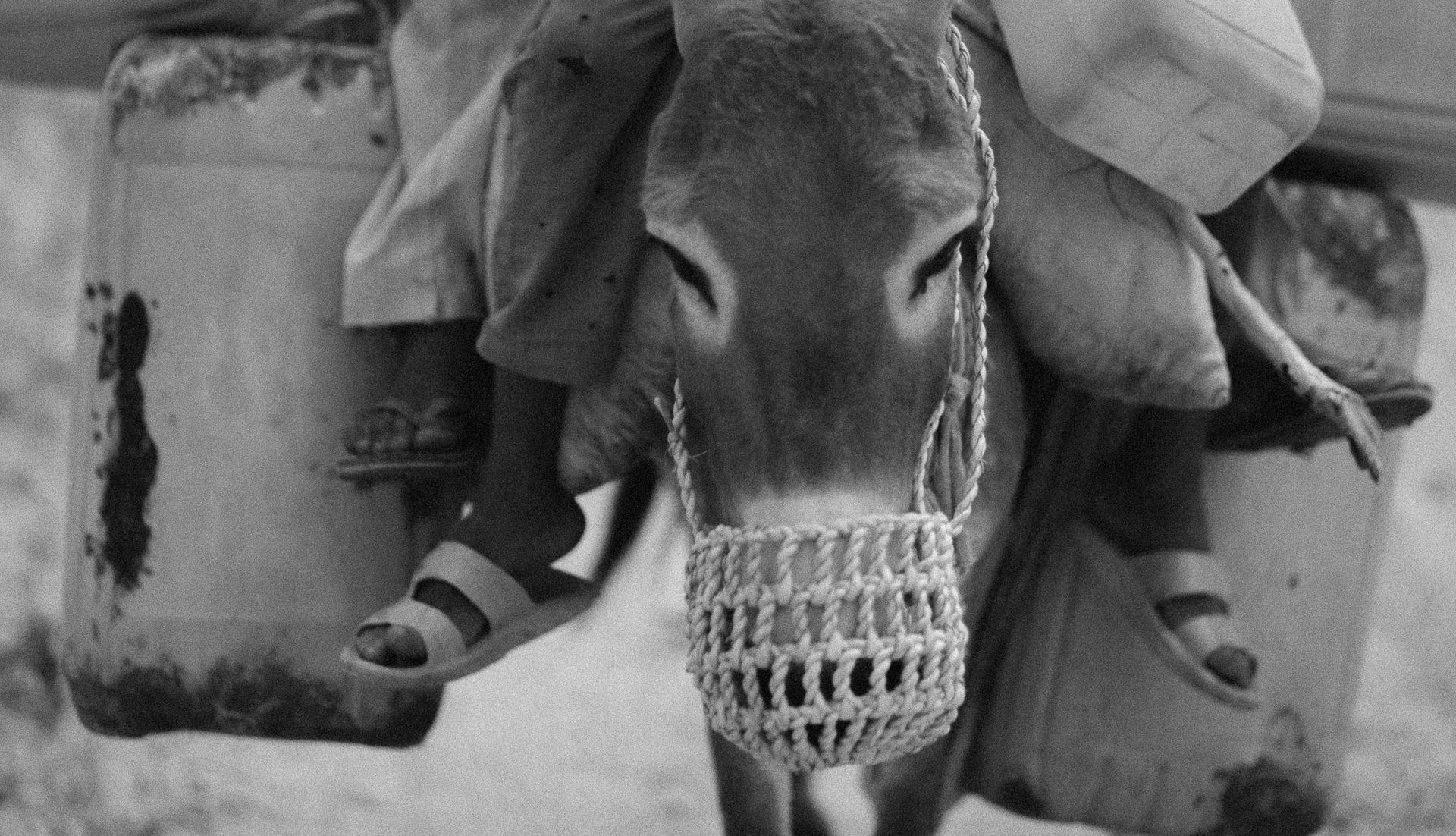
Donkeys require regular hoof care to be effective guardians. A farrier is crucial in keeping their feet healthy, and they must have regular trims to prevent unstable and hurting feet.
Donkeys are different from horses when it comes to training, so buying one that's already trained can save you a lot of headaches. A trained donkey will stand and allow its feet to be picked up, making trimming much easier.
You should never buy an unmanageable donkey unless you want to learn to train one, as they don't respond to training the same way horses do. This can lead to a crash course in donkey training, which is not ideal.
Regular trims are essential for a donkey's overall health and effectiveness as a guardian. A farrier who understands donkeys and is willing to trim them is a must-have.
Don't get a jack unless you plan to breed, as they can be unpredictable and dangerous. Instead, opt for a jenny or gelding, which are generally safer and easier to manage.
A farrier who is willing to trim your donkey's feet is often more willing to work with a donkey that's already trained to stand and pick up its feet. This is a wonderful thing, as it makes trimming much easier and less stressful for both you and your donkey.
On a similar theme: Sheep Dog Training
Donkey and Sheep Compatibility
Donkey and sheep compatibility is crucial for effective protection of the flock from predators. Donkeys will bond with sheep and protect them from predators if introduced early and given ample opportunity.
Most donkeys will bond with sheep and protect them from predators if introduced as early as possible. However, some donkeys can be overly aggressive with the sheep, ranging from chasing to hurting or killing lambs or sheep.
The donkey's behavior and mood may be unpredictable during estrus or when the ewes are lambing. This makes it essential to monitor their behavior closely during these times.
Some donkeys can be taught to protect the sheep even if they haven't been raised together. Housing them next to each other for 1-2 weeks can help them adapt to each other's presence.
Conflict-free compatibility should not be assumed, as there is wide variation in how individual donkeys interact with sheep.
Choosing the Right Donkey Guard
The initial cost of purchasing a donkey can range from $900 to $4,500, but it's essential to consider the long-term costs and risks of buying a cheaper donkey that may require more training and healthcare.
Donkeys can be naturally aggressive to canines they don't know, making them good guards, but it's crucial to introduce them to the flock early and ensure compatibility. Most donkeys will bond with sheep and protect them from predators, but some may be overly aggressive.
Donkeys tend to be more fight than flight and are naturally aggressive to canines, which makes them good guards. They will naturally stay with livestock, unlike livestock guardian dogs, which may sleep in the barn and not actively guard.
To effectively protect the flock from predators, the donkey and sheep must be compatible, and conflict-free compatibility should not be assumed. Some donkeys can be overly aggressive with the sheep, so it's essential to research and understand their behavior and mood.
Here are some key factors to consider when choosing a donkey guard:
- Age: Look for donkeys that are at least 2-3 years old, as they will be more stable and less likely to be aggressive.
- Training: Ensure the donkey is halter and lead broke, and has basic training to make it easier to manage.
- Breed: Consider a jenny or gelding, as they are generally more docile and gentle with humans.
- Health: Ensure the donkey is vet-checked, microchipped, vaccinated, and up-to-date with worming, dental, and feet work.
By considering these factors and doing your research, you can find a donkey that will effectively guard your flock and provide companionship.
Compatibility and Ratio
To determine the correct ratio of donkeys needed to protect your livestock, consider the terrain and open space. In open paddocks, use approximately 1 pair of donkeys to 200-300 sheep.
In hilly or scrubby paddocks, however, you'll need a more robust ratio of 1 pair of donkeys to 100 sheep. This is because the donkeys will have a harder time seeing potential threats.
Donkeys can be a great addition to your flock, but it's essential to introduce them to the sheep early on to increase the likelihood of bonding. This will help the donkey develop its guarding instincts and protect the flock from predators.
Explore further: Guardian of the Flock
Donkey Compatibility
Donkey compatibility is crucial for effective livestock guarding. Most donkeys will bond with sheep and protect them from predators if introduced early and given ample opportunity.
Not all donkeys make good livestock guard animals, as there are significant behavioral differences between individuals. Some donkeys can be overly aggressive with the sheep.
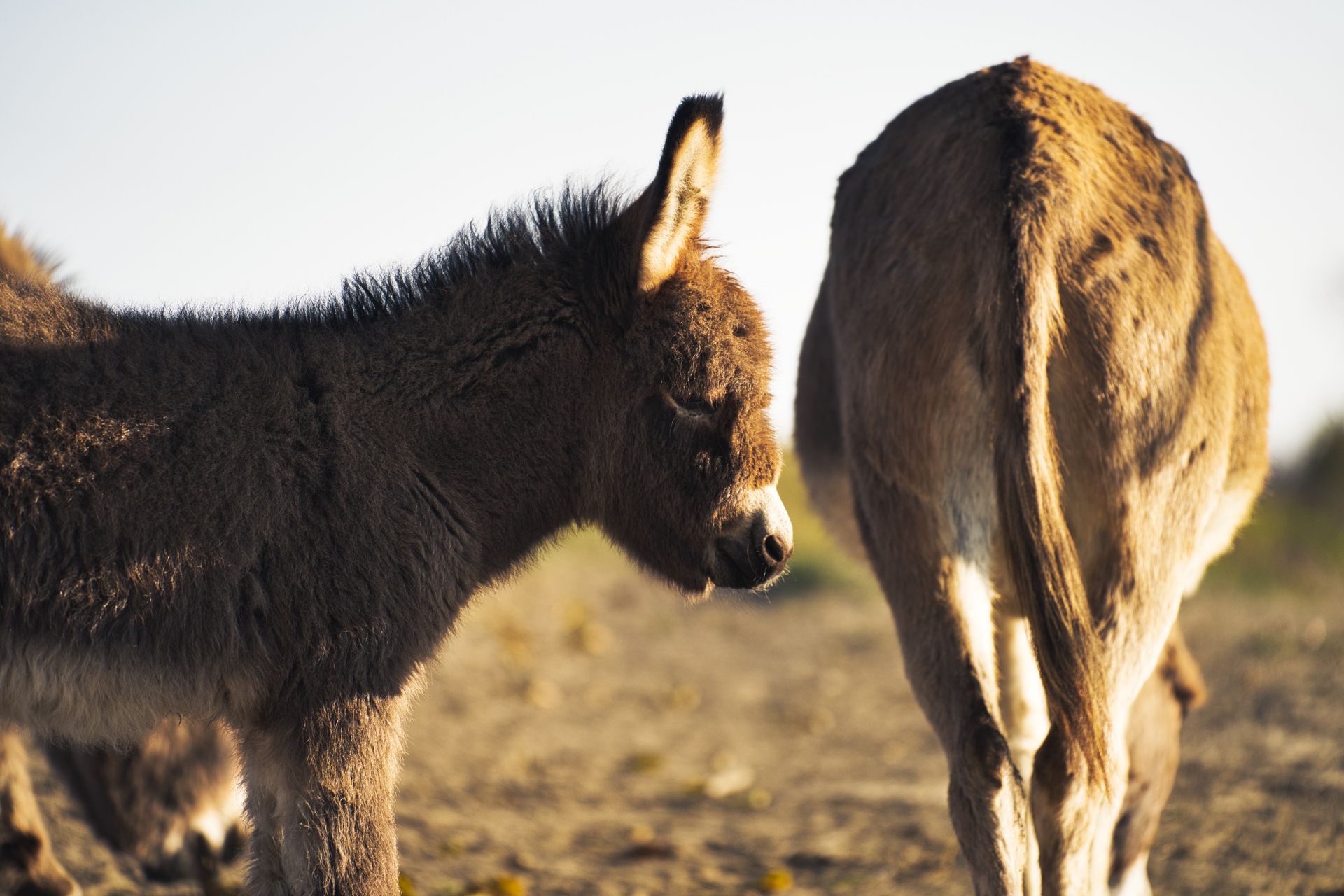
The donkey's behavior and mood may be unpredictable during estrus or when the ewes are lambing. This can lead to potential conflict with the sheep.
To increase the likelihood of the donkey bonding to the flock, the jenny and her foal should be raised with the sheep. This allows the donkey to exhibit its true guarding instincts.
If the donkey has not been raised with the sheep, it can still be taught to protect the flock by housing them next to each other for 1-2 weeks.
Correct Livestock Ratio for Protection
When working with donkeys as livestock guard animals, it's essential to determine the correct ratio to ensure your sheep are protected.
In open paddocks with a good line of sight, you can use approximately 1 pair of donkeys to 200-300 sheep.
The terrain and landscape of your paddock is crucial in determining the right ratio, as hilly or scrubby paddocks require 1 pair of donkeys to 100 sheep.
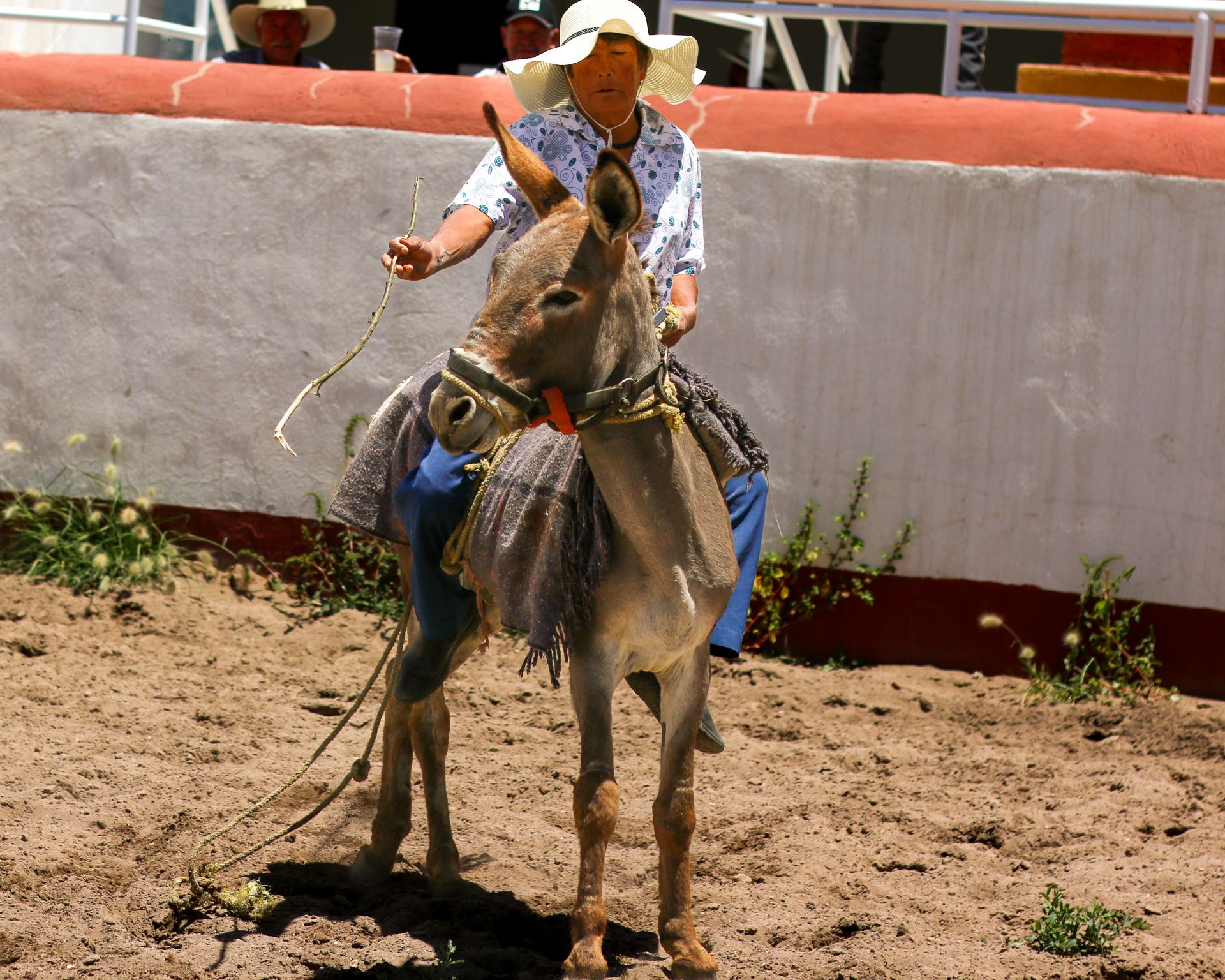
Donkeys are best suited for smaller flocks, typically less than 100 ewes, due to their limited ability to oversee large areas.
In ideal conditions with flat and barren terrain, a single donkey can guard up to 200 ewes if they're grazing in one pasture.
However, in areas with rough and rolling land, scattered with bushes that provide cover for coyotes, the donkey's sightlines will be obstructed, making it less effective at protecting the entire flock.
Behavior and Training
Donkeys as livestock guardians are known for their natural herding instinct, which means they'll stay with the flock most of the time if properly bonded to the sheep.
To ensure a donkey is effective as a guard animal, it's essential to introduce a dog into a small pen containing the prospective guard animal to check its aggressive tendencies towards dogs and coyotes.
A guard donkey should be at least 2 years old and at least 112 cm (44 in.) high at the shoulder, as recommended by Alberta.
Good conformation, straight legs, and a good attitude are key points to look for when purchasing a donkey.
Donkeys rely predominantly on sight and sound to detect intruders, and their loud brays and quick pursuit can scare away predators.
In most instances, donkeys will confront and chase dogs or coyotes out of the pasture, and if the canines don't retreat quickly, the donkeys will attack them by rising up on their hind legs and striking with both front feet.
However, there have been instances where donkeys are over-protective of the flock, particularly during lambing season, which can lead to the lambs being injured or killed.
To prevent this, producers should carefully consider the use of a guard animal that must be removed during a high-risk period of predation, particularly when lambing on pasture.
Alternatives and Other Uses
If you're considering donkeys as livestock guardians, you might be wondering about other uses for these amazing animals. If you're seriously thinking about guardian donkeys or just bought one, I highly recommend learning more about basic donkey care.
Donkeys are not just great guardians, they also make wonderful companions. They have a gentle nature and are often described as "lovable" and "affectionate". If you're looking for a pet that will be by your side, a donkey might be the perfect choice.
If you're looking for a low-maintenance pet, donkeys are a great option. They are relatively easy to care for and can thrive in small spaces, making them perfect for urban or rural areas.
Guard Dogs: Advantages and Disadvantages
Guard dogs can provide protection for flocks from predation, but they do have some drawbacks.
Unlike donkeys, guard dogs are prone to wandering if the fences are not well maintained.
Donkeys, on the other hand, live longer than dogs, typically providing 10-15 years of protection with proper management.
It will cost less to purchase and maintain donkeys than livestock guard dogs, as donkeys primarily eat home-grown feed.
Other Uses for Your Guardian Donkey
If you're considering using your guardian donkey for other tasks, you're in luck - they're versatile animals. Donkeys can make excellent companions for other animals on your farm, such as sheep and goats.
Their territorial nature is a useful trait for a livestock guardian, but it also means they can be fiercely protective of their space. Donkeys are known to be aggressive to canines and will extend their protection to their pasture mates.
Donkeys are naturally alert animals, which makes them great at detecting potential threats on the pasture. If they become bonded to their flock, sheep will often regard them as a protector and gather near or behind them.
In fact, some experienced folks recommend using a jenny with a foal as a livestock guardian, as she'll be extremely wary of potential threats and predators.
Success Stories and Considerations
Donkeys have been successful in protecting livestock from dingo predation in regional NSW, with one supplier claiming a 300% increase in farmers seeking donkeys for this purpose.
A NSW farmer who deployed 2 trained donkeys on their property to protect livestock from dingoes has seen no killings by dingoes in the 3 years since.
Donkeys can be an instant success in protecting livestock, as a farmer in Grafton discovered when using them to protect their herd.
You can find more examples of guardian donkey successes on the Dingo Advisory Council website.
Protect the Flock
Donkeys are naturally protective of their flock, staying with them most of the time due to their strong herding instinct. This instinct, combined with their inherent dislike and aggressiveness towards coyotes and dogs, makes them effective livestock guard animals.
To provide the best predator protection, donkeys need to spend time with the flock, so they're present when needed. They rely on sight and sound to detect intruders, and when approached, sheep will move to position the donkey between themselves and the intruder.
Donkeys will confront and chase dogs or coyotes out of the pasture, and if the canines don't retreat quickly, the donkeys will attack by rising up on their hind legs and striking with both front feet. A solid blow can injure, kill, or at least discourage the predator.
Donkeys are naturally aggressive to canines they don't know, which makes them good guards. They'll posture, stomp, and may bray to deter dogs from entering the pasture.
Donkeys guard because they're concerned with their own safety and territorial, not because they bond with the livestock. They'll attack predators using their teeth and hooves, and most predators will try to get out when the donkey comes charging through.
A donkey's territorial nature is a useful trait for a livestock guardian, and they're strongly and instinctually aggressive to canines. This behavior will extend protection to their pasture mates.
Donkeys are formidable fighters, biting, kicking, slashing, and chasing intruders. They're often more likely to fight than flee, triggered by their vulnerability without the protection of the herd.
An alert animal on pasture, donkeys will notice potential threats and alert the flock. If they become bonded to their flock, the sheep will regard the donkey as a protector and gather near or behind them if a threat is perceived.
A jenny with a foal can make an excellent livestock guardian, as she'll be extremely wary of potential threats and predators. The foal, raised with a flock, will also become a good protector as it grows older, feeling comfortable with its pasture companions.
Frequently Asked Questions
What animals don't get along with donkeys?
Donkeys are naturally wary of predators like coyotes, wolves, cougars, bears, and even domestic dogs, which can resemble their wild counterparts. Understanding these natural enemies can help you provide a safe and harmonious environment for your donkey.
Featured Images: pexels.com