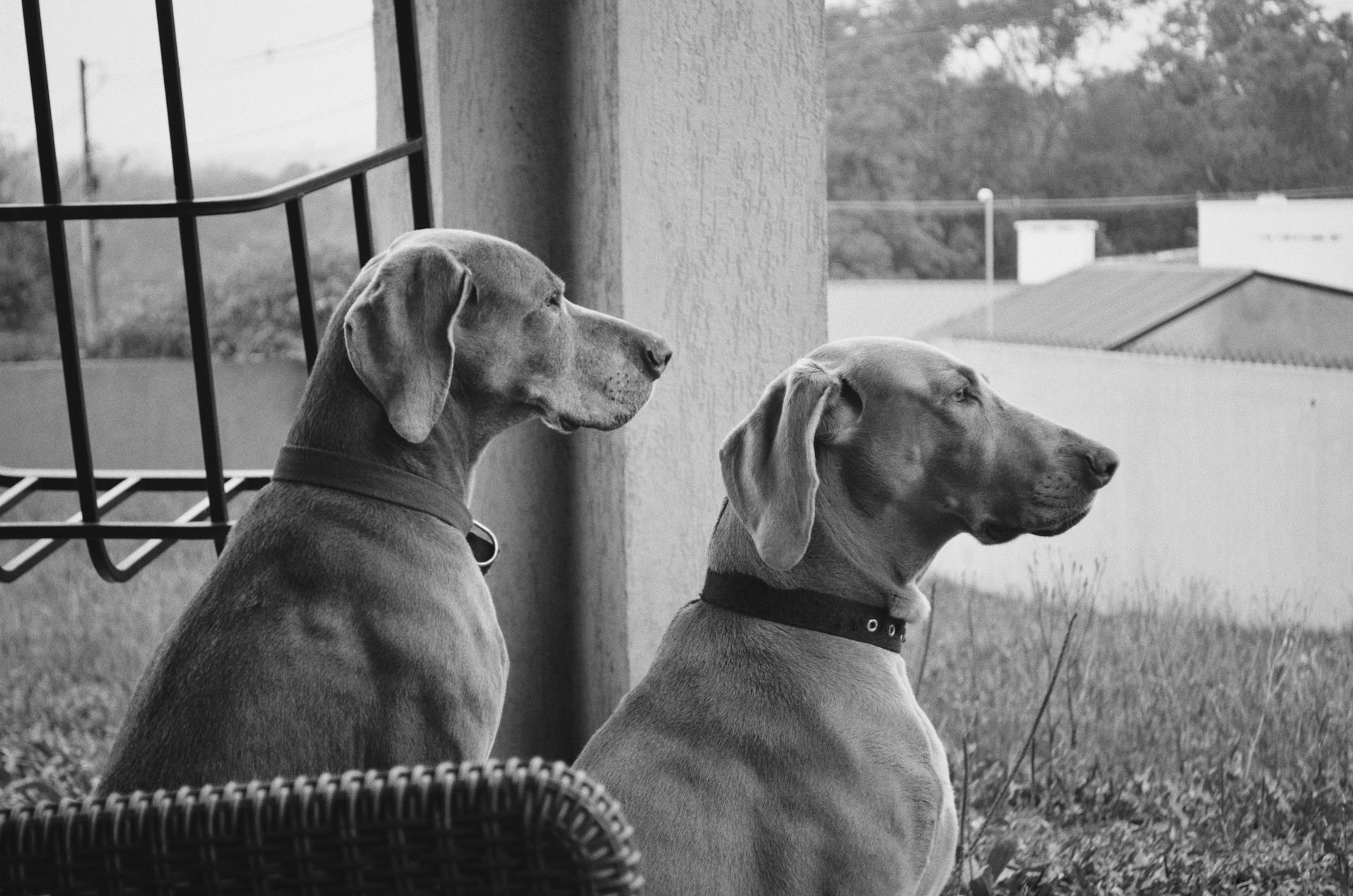
The Doberman Pinscher is a sleek and intelligent breed that can make a wonderful companion for active families. They are known for their loyalty and affection towards their owners.
Doberman Pinschers are naturally protective of their families, but proper socialization from an early age is crucial to ensure they don't become overly wary or aggressive towards strangers.
With regular exercise and mental stimulation, Doberman Pinschers can thrive in a variety of living situations, from apartments to homes with yards.
Characteristics
The Doberman Pinscher is a breed of dog that's known for its intelligence, loyalty, and protective nature. They're a medium to large-sized dog, weighing between 60 to 100 pounds.
Originating from Germany, Doberman Pinschers are part of the Working Group. Their lifespan is around 10 to 13 years, which is a decent amount of time to spend with your furry friend.
Their short, smooth coat is low maintenance and requires only regular brushing. They come in a variety of colors, including black, red, blue, and fawn with rust markings.
For your interest: Doberman Velcro Dog
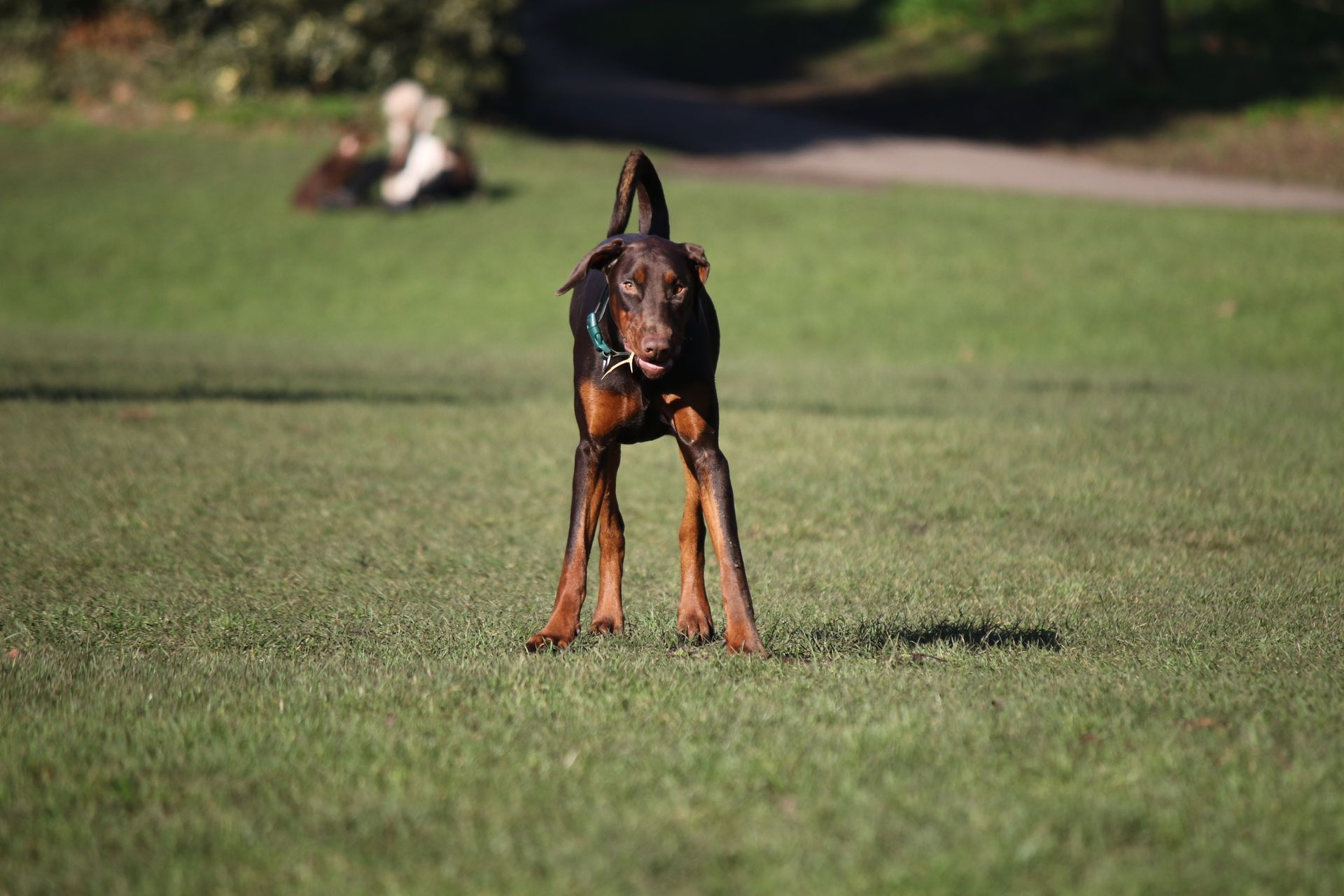
Doberman Pinschers are highly trainable and eager to please, making them a great breed for first-time dog owners. Consistent and positive training methods work well for them.
Here are some key characteristics of the Doberman Pinscher breed:
- Size: 60 to 100 pounds (27 to 45 kilograms)
- Lifespan: 10 to 13 years
- Coat: Short, smooth coat that can come in black, red, blue, or fawn with rust markings
- Temperament: Intelligent, loyal, and alert
- Exercise Needs: High; they are active dogs that require regular exercise and mental stimulation
- Training: Highly trainable and eager to please
- Grooming: Low maintenance due to their short coat
As with any breed, Doberman Pinschers are prone to certain genetic health issues, such as hip dysplasia and heart conditions. Regular veterinary check-ups are essential to keep them healthy.
Health and Care
Doberman Pinschers are generally a healthy breed, but like all dogs, they can be susceptible to certain health conditions. They can develop health issues such as Von Willebrand's Disease, a blood disorder that impairs clotting, and Hip Dysplasia, a hereditary condition where the thighbone doesn't fit properly into the hip joint.
To ensure your Doberman stays healthy, regular exercise and a balanced diet are crucial. Feeding them two meals a day instead of one larger meal can help reduce the risk of GDV or bloat, a life-threatening condition affecting large breed dogs. You should also avoid exercising your pup directly before or after eating.
Readers also liked: Doberman Pinscher Hip Dysplasia
Some common health issues in Dobermans include Dilated Cardiomyopathy (DCM), a heart muscle disease, and Progressive Retinal Atrophy (PRA), an inherited disorder resulting in vision loss and eventually blindness. Regular check-ups with your veterinarian can help identify potential health problems early on, promoting the well-being of your beloved Doberman.
Here's a list of common health issues in Dobermans and their symptoms:
- Von Willebrand's Disease: excessive bleeding from injuries, nosebleeds, bleeding gums, and bleeding in the stomach or intestines
- Hip Dysplasia: pain, muscle loss, and lameness in the rear legs
- DCM: heart enlargement, abnormal heart rhythms, difficulty exercising, and heart failure
- PRA: vision loss and eventually blindness
- Bloat: non-productive retching, abdominal distension
- Hypothyroidism: weight gain, hair loss, lethargy
Health Issues
Doberman Pinschers are generally a healthy breed, but like all dogs, they can be prone to certain health issues. One of the most common health concerns is hip dysplasia, a hereditary condition where the thighbone doesn't fit properly into the hip joint, causing pain and lameness in the rear legs.
Von Willebrand's Disease is another inherited blood disorder that impairs clotting, leading to excessive bleeding after injury or surgery. Symptoms include nosebleeds, bleeding gums, and bleeding in the stomach or intestines.
Dilated Cardiomyopathy (DCM) is a heart muscle disease that affects the heart muscle and is commonly seen in Dobermans. It can lead to complications like abnormal heart rhythms, difficulty exercising, and heart failure.
Related reading: Doberman Pinscher Heart Problems
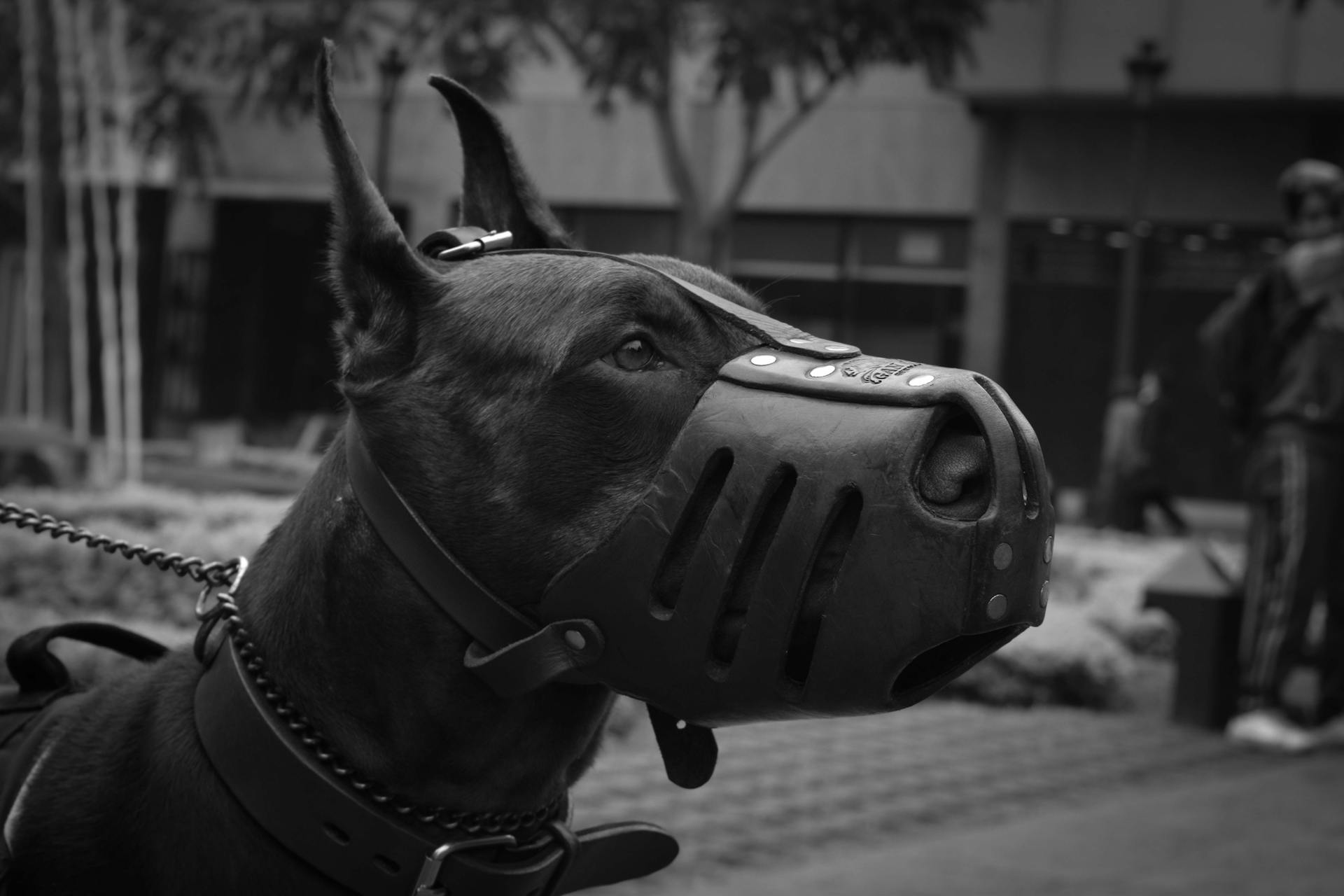
Bloat, also known as gastric dilatation-volvulus (GDV), is a life-threatening condition that affects large breed dogs like Dobermans. The stomach fills up with food or air and twists, causing symptoms like non-productive retching and abdominal distension.
Dobermans are also prone to eye problems, including Progressive Retinal Atrophy (PRA), which results in vision loss and eventually blindness. Hypothyroidism is another common health issue, causing symptoms like weight gain, hair loss, and lethargy.
Here are some health concerns to look out for in Dobermans:
- Hip Dysplasia: Pain and lameness in the rear legs
- Von Willebrand's Disease: Excessive bleeding after injury or surgery
- DCM: Abnormal heart rhythms, difficulty exercising, and heart failure
- Bloat: Non-productive retching and abdominal distension
- PRA: Vision loss and eventually blindness
- Hypothyroidism: Weight gain, hair loss, and lethargy
Care
Doberman Pinschers are energetic dogs that require regular exercise to stay healthy and happy. They need daily physical activity, which can be demanding for owners who are not prepared for their high energy needs.
A securely fenced yard is essential for their safety and the safety of others who may enter their territory unintentionally. Leaving them alone for extended periods or confining them outside is not suitable, and chaining them is strongly discouraged.
You might enjoy: Doberman Pinscher Not Cropped
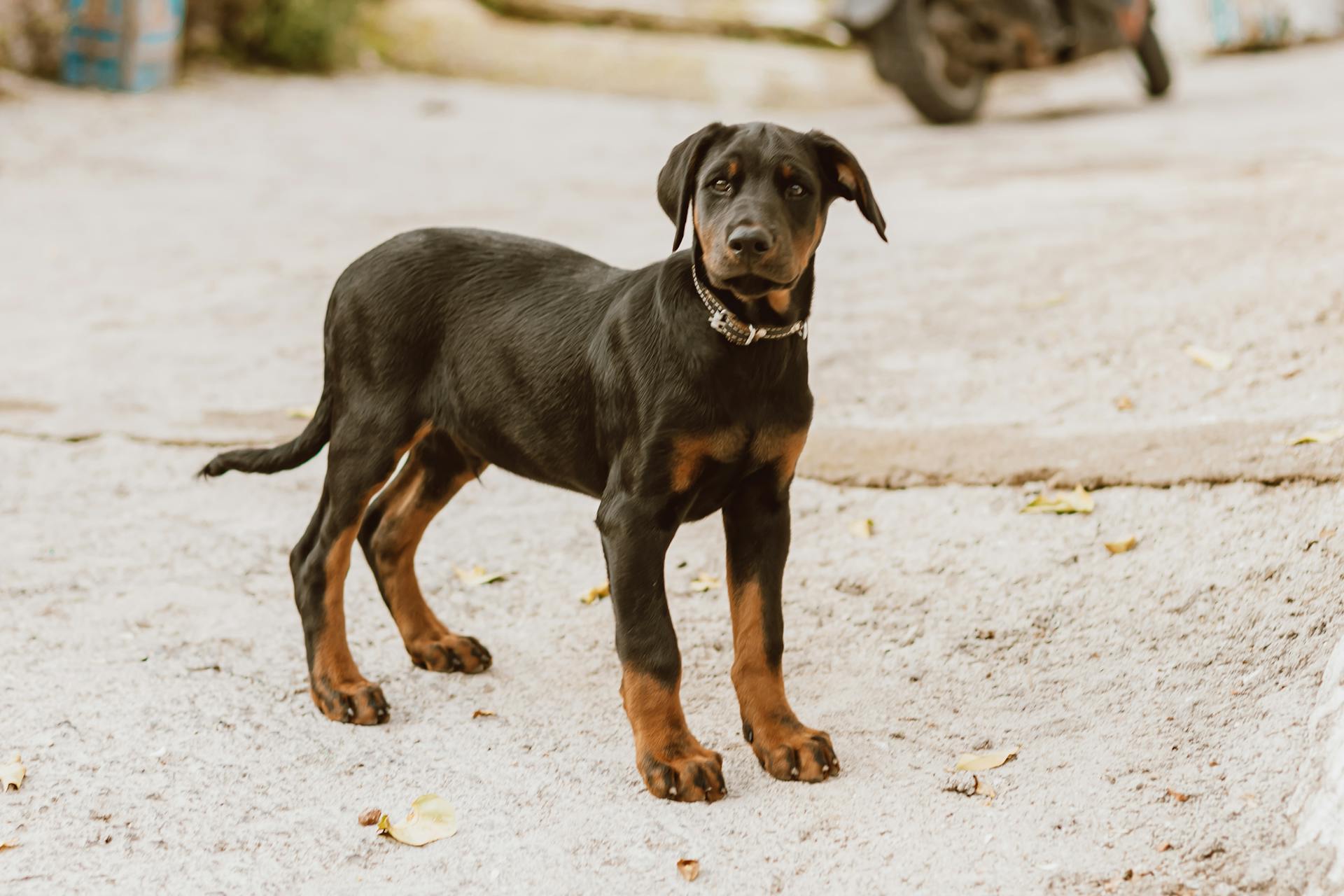
Daily exercise and mental stimulation are crucial for Dobermans, as they can become destructive and display unwanted behaviors if left unattended. Without consistent exercise, they may seek out their own entertainment, leading to problems.
Doberman Pinschers thrive when they are considered part of the family, actively participating in all family activities. They are loyal and loving, but may become wary around new people if not properly socialized.
Early socialization and training are vital for Dobermans to ensure they grow into well-rounded and well-behaved dogs. They may become timid or display aggression without proper socialization at a young age.
A balanced diet is essential for Doberman Pinschers, including easily digestible protein for healthy muscles and the heart. Feeding them commercial kibble or wet food approved by the Association of American Feed Control Officials (AAFCO) is a good way to ensure they receive a complete and balanced diet.
The recommended caloric intake for Doberman Pinschers varies due to different physical sizes, metabolisms, and activity levels. It's best to consult with a veterinarian to determine the ideal caloric intake for your Doberman.
Doberman Pinschers are prone to dilated cardiomyopathy, a type of heart disease, so regular physical exams by a veterinarian are crucial to monitor their health. They should also be checked for signs of infection, such as redness or bad odor, and have their nails trimmed regularly to avoid painful tears.
A healthy Doberman should have a visible waistline when looked at from above, and their ribs should be easily felt without having to press too hard. Monitoring their weight and adjusting their diet accordingly is essential to keep them in good shape.
For more insights, see: What to Feed a Doberman Pinscher
Grooming
Doberman Pinschers have a short, smooth coat that sheds moderately, with heavier shedding during spring and autumn. This makes grooming a breeze, but still requires regular attention.
To keep their coat looking its best, brush your Doberman at least once a week, or daily if they're prone to shedding. A simple bristle brush or a grooming mitt will do the trick.
Dobermans don't require frequent bathing, but an occasional bath is a good idea to keep them smelling fresh. Nail trimming is also essential, with most dogs needing it once a month.
Here are some essential grooming tasks to remember:
- Brush your Doberman's coat at least once a week
- Trim their nails once a month
- Brush their teeth daily and have their teeth professionally cleaned by a vet once a year
- Check their ears weekly for signs of infection
By following these simple grooming tips, you'll be able to keep your Doberman looking and feeling their best.
Living with a Doberman
Living with a Doberman requires a lot of energy and attention, as they need consistent exercise to stay happy and healthy.
They are intelligent and curious dogs that can get into trouble if they don't receive enough physical and mental stimulation. Their strong prey drive means they might chase after small animals, so it's essential to socialize and train them well.
Dobermans are loyal and loving to their family, but they can be wary of new people, so it's crucial to train and socialize them early and consistently. This will help them grow into well-adjusted adult dogs.
Explore further: How to Train a Doberman Pinscher
Children and Pets
Doberman Pinschers can make excellent family dogs, especially if they're trained and socialized properly. They're known for their loyalty and protective nature, especially towards children.
To ensure a safe and harmonious relationship between Dobermans and children, it's essential to teach kids how to approach and interact with the dog in a respectful and kind manner. This includes supervising interactions to prevent unintentional rough play.
Children should be taught not to disturb a dog while eating or sleeping, and never try to take away the dog's food. This helps instill a sense of respect and boundaries between the children and the dog.
Dobermans can be amiable and affectionate with other animals in the household, especially if they've grown up together. However, they might display caution around unfamiliar dogs.
To promote a positive and loving bond between Dobermans and children, it's crucial to invest time and effort in training, socialization, and responsible pet ownership.
Curious to learn more? Check out: Breeds Similar to Doberman Pinscher
Here are some essential rules to follow when introducing Dobermans to children:
- Teach children how to approach and interact with the dog in a respectful and kind manner
- Supervise interactions to prevent unintentional rough play
- Teach children not to disturb a dog while eating or sleeping
- Never try to take away the dog's food
- Socialize your Doberman puppy early and consistently
Rescue Groups
If you're considering bringing a Doberman into your life, you might be surprised to learn that many of these amazing dogs are in need of a loving home.
Numerous Doberman Pinschers are in need of adoption or foster care.
You can find Doberman rescue groups in your area by searching online or reaching out to local breed clubs.
The national Doberman Pinscher breed club can also provide you with information on local rescue organizations that can assist you.
You might enjoy: Doberman Pinscher Rescue Nc
Training and Behavior
Doberman Pinschers are highly intelligent dogs that thrive in obedience and basic dog training. They need consistent training and socialization early in life to encourage good behavior and redirect undesired ones.
Doberman Pinschers can become pushy and unmanageable without positive reinforcement training, so it's essential to start training early and be consistent.
A martingale collar can be a useful training tool to help give you additional control and teach your dog not to pull on the leash.
For more insights, see: Doberman Dog Training
Doberman Pinschers are generally easy to train, but they can be sensitive to correction, so gentle and positive reinforcement is best.
They learn quickly and can be too smart for their own good, so be sure to keep training sessions engaging and fresh to keep them interested.
Doberman Pinschers have a strong prey drive, which means they might chase small animals, including cats, so it's essential to introduce them properly to prevent any issues.
Early socialization is crucial for Doberman Pinschers, involving exposure to diverse people, environments, and experiences during their formative months.
This process helps ensure that they mature into well-rounded and well-behaved dogs, and enrolling them in puppy kindergarten classes can refine their social skills.
Doberman Pinschers can be destructive if left alone for long periods of time without a way to entertain themselves, so providing them with ample mental stimulation and exercise is vital.
They are naturally protective of their family and property, but with proper training, they can be excellent guard dogs that are also loving members of the family.
Doberman Pinschers are highly intelligent, athletic, and alert, making them great guard dogs, but they also have a deep devotion to their people and can be referred to as "Velcro dogs."
See what others are reading: What Breeds Make a Doberman Pinscher
Breed Information
The Doberman Pinscher breed has a rich history, emerging in the late 19th century and quickly gaining popularity in the United States. They are known for their elegant appearance, athletic style, intelligence, alertness, and loyalty, making them a formidable guard dog and beloved family companion.
Doberman Pinschers are generally gentle, watchful, and loving dogs, but they do have high energy levels both physically and mentally, requiring regular exercise and mental stimulation to stay happy and well-behaved. A strong and dedicated owner is essential for properly socializing and training them.
Here are some reputable breed clubs and organizations that provide valuable information about the Doberman Pinscher:
- Doberman Pinscher Club of America (DPCA)
Overview
The Doberman Pinscher is a relatively new breed, emerging at the end of the 19th century. They have gained immense popularity and recognition in the United States.
Their elegant appearance, athletic style, intelligence, alertness, and loyalty make them a formidable guard dog and a beloved family companion. They are usually gentle, watchful, and loving.
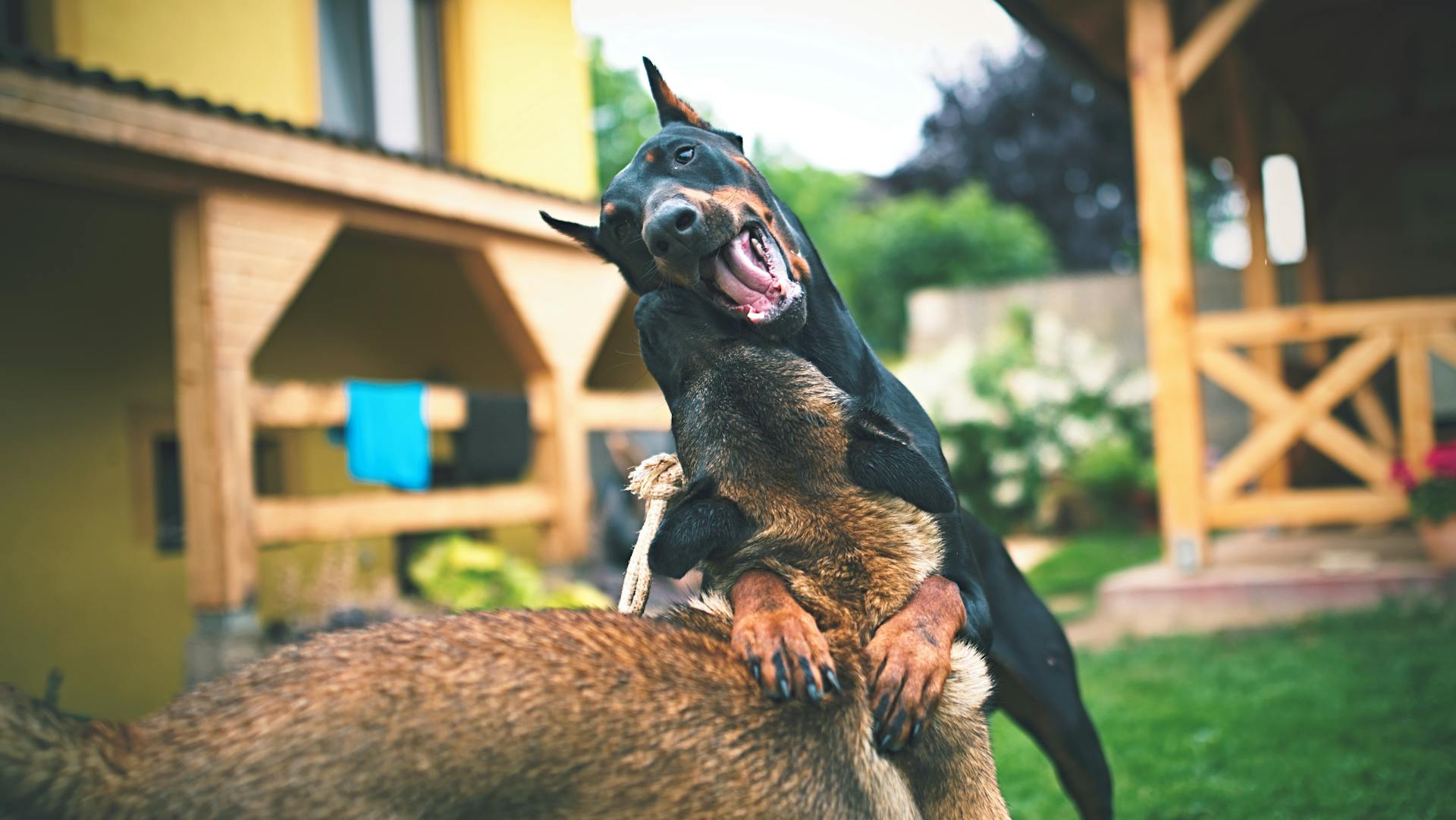
Dobermans are large dogs, weighing between 60 to 80 pounds. Regular exercise and mental stimulation are crucial to keeping them happy and well-behaved.
A strong and dedicated owner who can properly socialize and train them is essential. They are trustworthy with children, friends, and guests, as long as they are treated kindly.
Their current appearance is slimmer and sleeker compared to the past, and their temperament has softened somewhat over the years.
History
The Doberman Pinscher breed has a rich history that dates back to the late 19th century in Germany. Louis Doberman, a tax collector, sought a loyal companion and protector, which led to the development of the breed.
The exact breeds used to create the Doberman are uncertain, but speculation includes the Rottweiler, German Pinscher, and Black and Tan Terrier. The breed was named after Louis Doberman, but with only one N.
In the early 1900s, the Doberman breed arrived in America and was recognized by the American Kennel Club (AKC) in 1908. The breed's popularity grew, thanks in part to George Howard Earle III, a Doberman enthusiast and politician.
A unique perspective: Doberman Pinscher History Breed
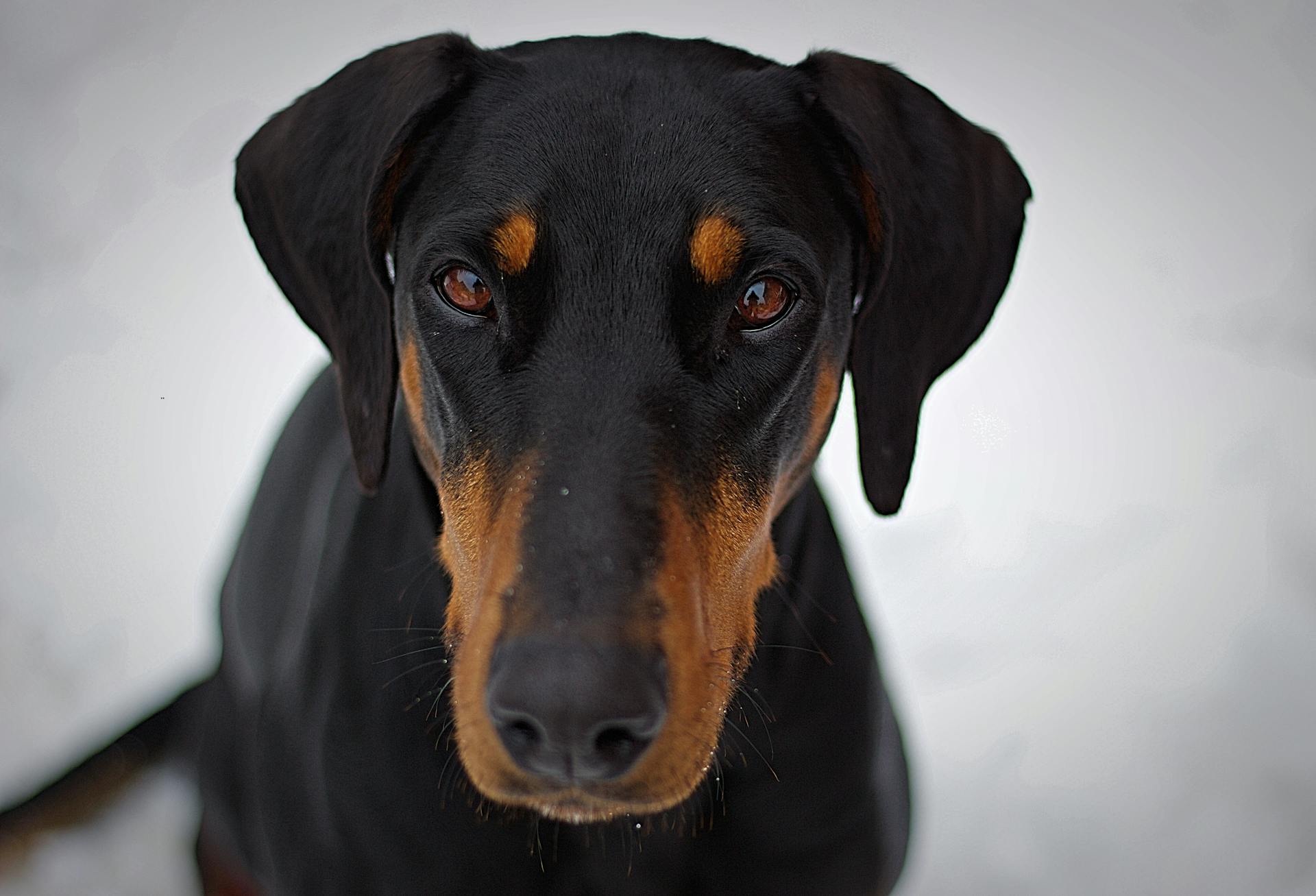
The Doberman Pinscher Club of America was formed in 1921, and the breed was admired for its excellent skills and qualities, especially as a protective and loyal guard dog. During the 1970s, a random albino mutation gene occurred, resulting in a new color for the breed (white).
However, the albino gene was accompanied by health issues, and breeders can now use a simple DNA test to help avoid albinism in Dobermans. Today, the Doberman is a popular family dog and is part of the AKC's Working Group classification.
Explore further: Doberman Pinscher Breed Standard
Breed Organizations
Breed Organizations play a crucial role in ensuring the health and well-being of Doberman Pinschers. Reputable breeders are committed to breeding healthy, well-socialized puppies that will make great companions.
Doberman Pinscher breed clubs, organizations, and associations provide valuable information about the breed. These groups are dedicated to promoting the welfare of Doberman Pinschers and supporting responsible breeding practices.
The Doberman Pinscher Club of America (DPCA) is one such organization that offers a wealth of information for potential owners.
Pit Bull Bans: Breed Inclusion
Doberman Pinschers are often mistakenly included in breed-specific legislation, also known as "pit bull bans". The Doberman Pinscher was actually developed in Apolda, Germany by Karl Friedrich Louis Dobermann, a tax collector and dogcatcher, about 1890.
The breed was created by crossing several breeds, including the Rottweiler, German Pinscher, Black and Tan Terriers, Weimaraner, and short-haired shepherds. This is in contrast to the breeds that are often targeted by BSL laws.
The Doberman Pinscher is a sleek, agile, and powerful dog that stands 24 to 28 inches tall and weighs 60 to 100 pounds. It's hard to imagine how this breed could be confused with the smaller, more compact dogs that are often the focus of BSL laws.
The Doberman Pinscher has a reputation for fearlessness, alertness, loyalty, and intelligence. These traits make it a popular breed for police and military work, as well as for serving as a guide dog for the blind.
Frequently Asked Questions
What are Doberman Pinscher known for?
Doberman Pinschers are known for their exceptional courage, intelligence, and loyalty, making them a popular choice for protection and companionship. They are also highly versatile, originally developed for police and military work.
What is a Doberman Pinscher weakness?
Doberman Pinschers are susceptible to dilated cardiomyopathy, a serious heart condition that can be life-threatening if left untreated. This genetic weakness affects the heart's ability to pump blood effectively, making regular veterinary check-ups crucial for their health.
What's the difference between a Doberman and a Doberman Pinscher?
The main difference between a Doberman and a Doberman Pinscher is the geographical naming convention, with the latter being used in North America and the former in other continents. This difference reflects a shift in the breed's classification over time, away from its terrier-like origins.
Featured Images: pexels.com