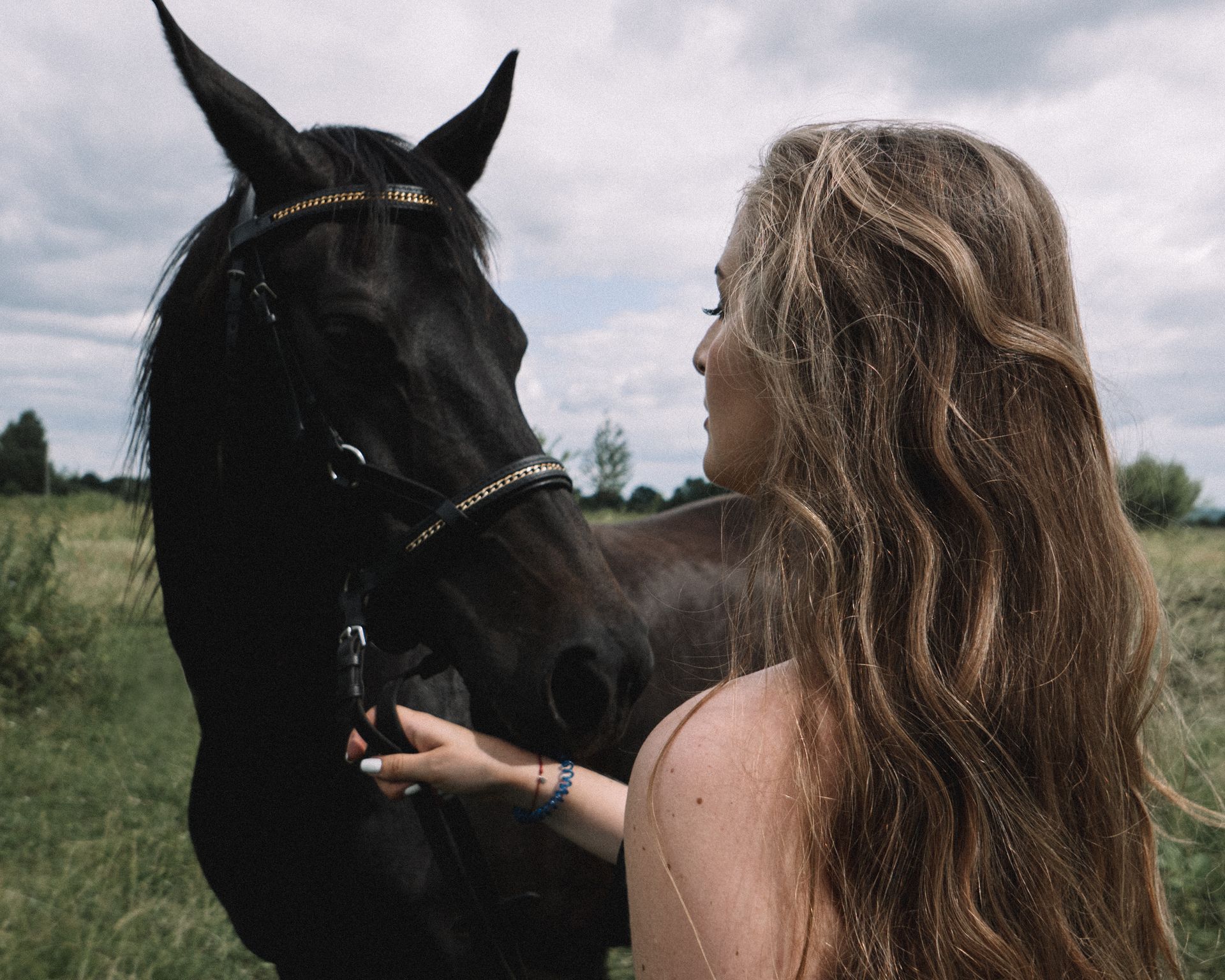
Horses are capable of forming strong bonds with humans, and research has shown that this bond can be just as deep and meaningful as the ones we form with other humans.
Studies have found that horses can recognize and respond to their owners' voices, with some horses even being able to distinguish between their owner's voice and that of a stranger.
The bond between a horse and its owner can be influenced by factors such as the horse's temperament, the owner's experience and handling style, and the amount of time they spend together.
Horses that are handled gently and consistently from a young age are more likely to form strong bonds with their owners.
Explore further: Horses That Bite Humans
Understanding Horse-Human Bonding
Horses recognize their owners just like they recognize members of their herd, matching visual and auditory cues to specific individuals. Research has shown that horses can associate faces with voices, and they can even tell the difference between a familiar and unfamiliar voice.
A study conducted by British scientists Dr. Leanne Proops and Dr. Karen McComb in 2012 demonstrated this ability, where horses consistently turned to look at the person whose voice they recognized. In another setup, two familiar people stood next to the horse, and the horses were able to match the voice to the correct person.
Horses are emotionally intelligent beings capable of forming real bonds with people. They can interpret human emotions through facial expressions and body language, and they can even mirror our emotions in a phenomenon called "emotional transfer."
Horses show small hints of affection by nuzzling or grooming each other, and they may do the same to their humans. These gestures signal that they trust you and feel comfortable enough to share a moment of bonding.
Here are some ways to help strengthen the bond between you and your horse:
- Spend time with the horse every day to get to know each other better.
- Be patient and gentle with your horse, as they can be easily spooked.
- Communicate with your horse using body language, and they will be easier to understand.
- Be consistent in your training and interactions with your horse to build trust and a strong bond.
Horses thrive on routine, and a big part of that routine may be the consistent presence of their primary handler. When you're gone, some horses show signs of distress, as they associate you with safety, companionship, and familiarity.
Factors Affecting Bond Development
Building a strong bond with a horse requires patience and time. It often takes years of work to click with your horse.
Several factors contribute to the development of a strong horse-human bond. Routine is a crucial part of a horse's life, and a consistent presence of their primary handler is essential.
Horses thrive on routine and associate their handler with safety, companionship, and familiarity. This can lead to signs of distress when the handler is away, such as behavior changes like nudging or "playing" by nibbling at their clothing.
Research shows that horses are capable of missing owners they trust and can recognize handlers even after a long absence.
Factors Making Humans Unfavorable to Horses
Horses have a natural instinct to be wary of loud noises, which can be a major turn-off for some individuals.
Horses that have had negative experiences with loud noises may develop a lasting aversion to humans who make similar sounds.
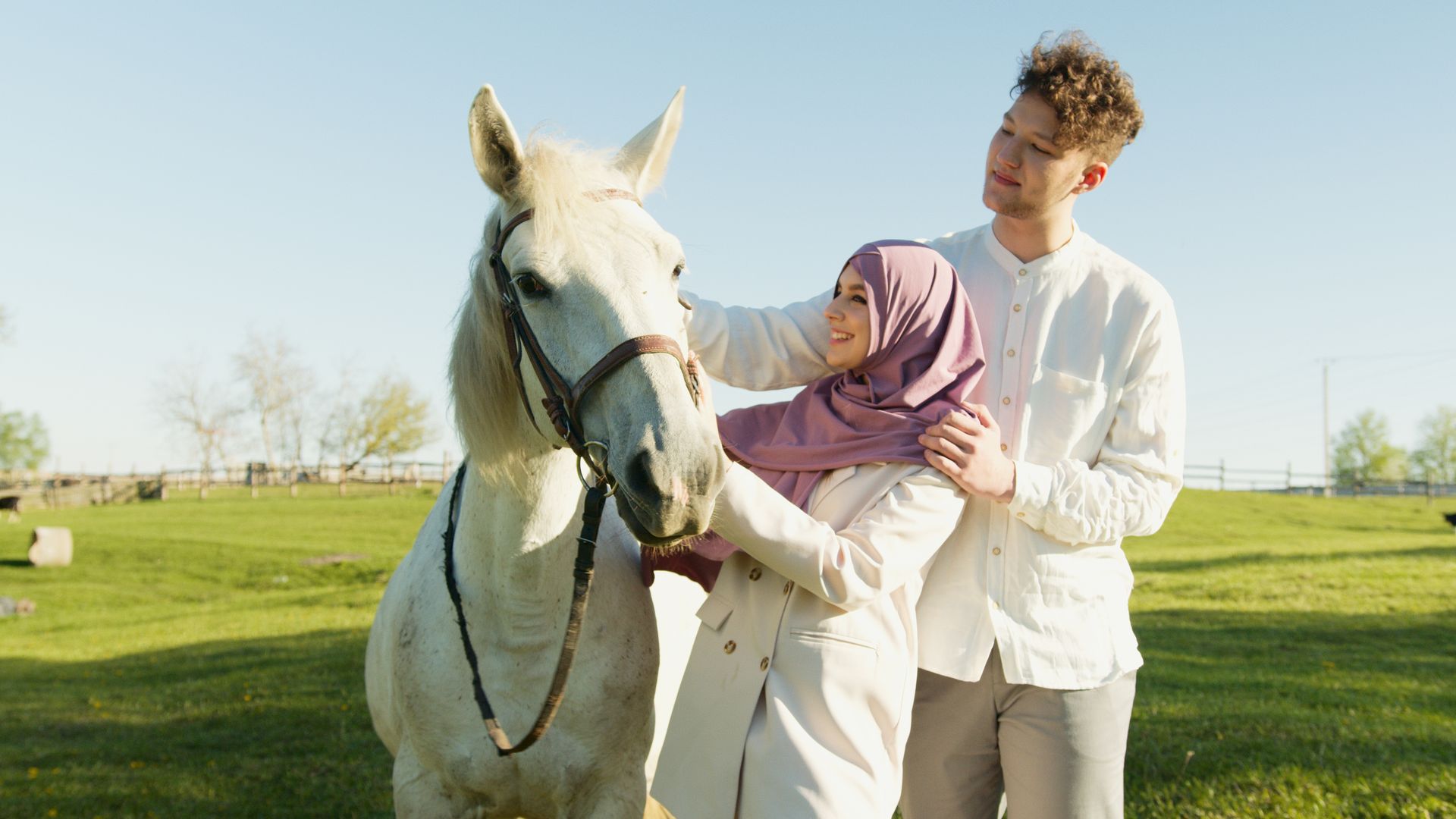
Some horses may dislike humans who move quickly or unpredictably, as this can be perceived as a threat.
Horses that have been handled roughly or without care may develop a distrust of humans in general.
Horses have memories and can recall past experiences, including those that were unpleasant.
Horses that have formed negative associations with certain humans may carry these feelings over into their relationships with other humans as well.
Factors Affecting Bond Development
Building a strong bond with your horse requires a deep understanding of the factors that influence bond development. Horses have emotions and memories, and negative associations can last a lifetime if not addressed.
Several factors contribute to the development of a strong horse-human bond, including patient training and time. Horses are prey animals and can be easily spooked, so being patient and gentle is crucial.
Factors that can cause a horse to dislike a person include negative interactions and the projection of negative emotions. If you project anger, fear, or frustration, your horse will reflect it, making it essential to learn emotional fitness.
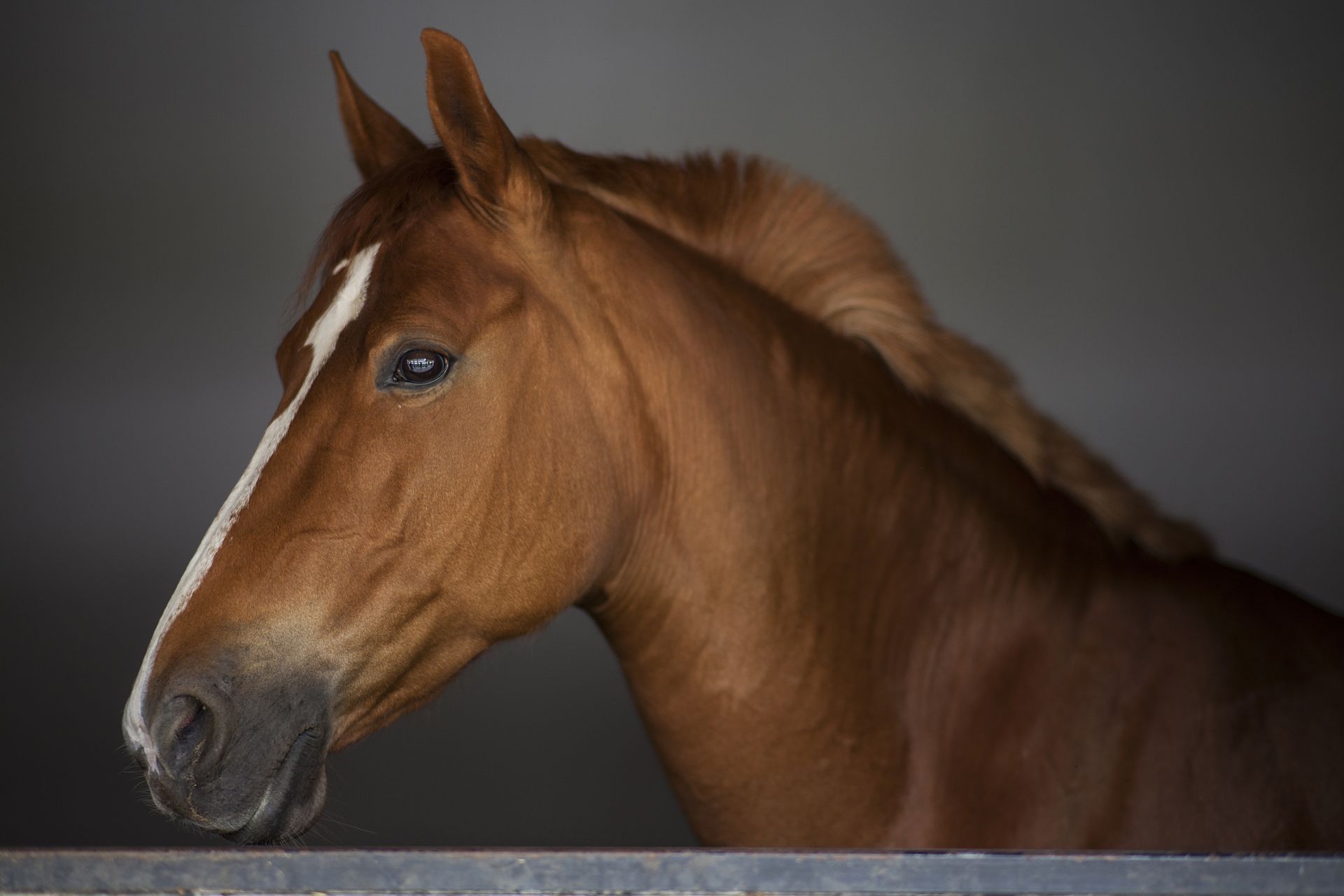
Horses thrive on routine, and a big part of that routine may be the consistent presence of their primary handler. When you're gone, some horses show signs of distress, associating you with safety, companionship, and familiarity.
Here are some key factors that affect bond development:
- Consistency: Horses like consistency in training and interactions.
- Positive reinforcement: Building a strong bond requires positive reinforcement and mutual understanding.
- Emotional fitness: Learning to control your emotions is vital for a healthy bond with your horse.
- Time and patience: Building a strong bond doesn't happen overnight, and patience is key.
- Trust: Trust is a fundamental component of a strong horse-human bond.
By understanding these factors and working to build a strong bond with your horse, you can create a lifelong partnership that brings joy and benefits to both you and your equine companion.
3.2 Communication
Effective communication between horse and human is crucial. Horses use a combination of body language, vocalizations, and subtle cues to convey their feelings and intentions.
Humans must learn to interpret these signals and respond appropriately. Building a strong bond between horse and human takes time, effort, consistency and a proven program to follow that builds a balance of love, language and leadership.
Spending undemanding time with your horse allows you to see what he is curious about or interested in. This can help you better understand his needs and personality.
Regular grooming, feeding, and play sessions can also help establish a positive and trusting relationship. By doing so, you can create a deeper connection with your horse.
Discover more: Human Muscle Protein Differ
Building a Strong Bond
Building a strong bond with a horse takes time, effort, and consistency. It's a relationship that's based on trust, respect, and understanding.
Horses require proper care and attention to maintain their health and well-being. Humans who provide adequate care and show affection towards their horses can create a positive and trusting relationship. This can be achieved during regular grooming, feeding, and play sessions.
Spend time with your horse every day, and be patient and gentle with them. Horses are prey animals, so they can be easily spooked. Consistency is key, and if you're consistent with your training and interactions with the horse, it will build trust and a strong bond.
The way humans treat and interact with horses can have a significant impact on their behavior towards humans. Building a strong bond between horse and human takes time, effort, consistency, and a proven program to follow that builds a balance of love, language, and leadership.
Here are some tips to help you build a strong bond with your horse:
- Spend time with your horse every day
- Be patient and gentle with them
- Communicate with your horse using body language
- Be consistent in your training and interactions
- Provide regular grooming, feeding, and play sessions
Remember, building a strong bond with a horse is a journey that takes time, patience, and effort. But with a proven program and a willingness to learn, you can create a lasting and meaningful relationship with your horse.
The Benefits of Bonding
A successful bond between a horse and a human is built on mutual benefit, where horses thrive on companionship, care, and exercise, while humans gain emotional fulfillment, physical activity, and often, competitive success.
Horses that are well-handled and cared-for experience reduced stress and anxiety, leading to improved physical health and a more positive demeanor.
Spending time with horses can help reduce stress levels, lower blood pressure, and heart rate, making it a great way to unwind and relax.
The bond between humans and horses offers many benefits, including reduced stress, improved mental health, increased physical activity, and enhanced social skills.
A different take: Horse Health Certificate
Here are some specific benefits of the horse-human bond:
- Reduced stress: Studies have shown that spending time with horses can help to reduce stress levels.
- Improved mental health: Horses can provide a sense of purpose and companionship, and help to reduce anxiety and depression.
- Increased physical activity: Riding horses is a great way to get exercise, improving cardiovascular health.
- Enhanced social skills: Horses can help to improve social skills, teaching people how to communicate effectively and be patient and understanding.
Benefits of the Bond
Spending time with horses can help reduce stress levels by lowering blood pressure and heart rate.
The bond between a horse and a human is built on mutual benefit, with horses thriving on companionship, care, and exercise, while humans gain emotional fulfillment, physical activity, and often, competitive success.
Horses can provide a sense of purpose and companionship, helping to reduce anxiety and depression.
Riding horses is a low-impact activity that is gentle on the joints, and it can help to improve cardiovascular health.
Horses can also help to improve social skills by teaching people how to communicate effectively, work with others, and be patient and understanding.
Here are some benefits of the horse-human bond:
- Reduced stress
- Improved mental health
- Increased physical activity
- Enhanced social skills
A strong bond with a horse can also have positive effects on their well-being, leading to reduced stress and anxiety, improved physical health, and a more positive demeanor.
Horses can form attachments to humans, seeking closeness and comfort when they feel stressed or uncertain.
Animal Welfare
Understanding the factors that contribute to a strong horse-human bond can lead to improved animal welfare. By prioritizing communication, positive reinforcement, and mutual benefit, horse owners and caregivers can create environments that promote the well-being of their equine companions.
Prioritizing communication is key to a strong horse-human bond. This involves actively listening to your horse's body language and vocal cues.
Creating environments that promote the well-being of your equine companions is crucial for their health and happiness.
A unique perspective: Human Years
Key Aspects of the Bond
Building a strong bond with a horse requires patience, consistency, and understanding. It's a process that can take years to develop.
One key aspect of the bond is trust. Horses are prey animals, so they can be easily spooked. Being patient and gentle with them helps them learn to trust you.
Communication is also crucial. Horses are very good at reading body language, so using your body language to communicate with them makes it easier to understand each other. Consistency is also important, as horses like routine and will build trust if you're consistent with your training and interactions.
Intriguing read: Why Was the Horse so Happy?
The benefits of the horse-human bond are numerous. Reduced stress, improved mental health, increased physical activity, and enhanced social skills are just a few of the advantages of forming a strong bond with a horse.
Here are some key benefits of the horse-human bond:
- Reduced stress: Studies have shown that spending time with horses can help to reduce stress levels.
- Improved mental health: Horses can provide a sense of purpose and companionship, and help to reduce anxiety and depression.
- Increased physical activity: Riding horses is a great way to get exercise, with low-impact activity that's gentle on the joints.
- Enhanced social skills: Horses can teach people how to communicate effectively, work with others, and be patient and understanding.
The more time you spend with a horse, the better you'll get to know each other. Spending time with a horse every day can help you build a strong bond.
Research and Findings
Research has shown that horses become more stressed when left alone, with higher heart rates and a tendency to seek closeness to humans upon reunion.
Horses exhibit some attachment to humans in stressful or unknown situations and view humans as their "safe haven". This attachment is demonstrated by their behavior in various studies.
In one study, horses spent more time at the entrance of the riding hall when separated from their owner and a stranger compared to the reunion phase. This shows that horses feel more secure when they have human presence around them.
Interestingly, research suggests that horses recognize their owners much like they recognize members of their herd. They can match visual and auditory cues to specific individuals, and associate their faces with their voices.
A notable study found that horses consistently turned to look at the person whose voice they recognized, matching the familiar voice to the familiar face. This shows that horses have the ability to recognize and remember specific individuals.
Horses' heart rates increase when separated from humans and decrease upon reunion, regardless of whether the person is their owner or a stranger. This suggests that while horses find comfort in human presence, they may not always show a strong preference for their specific owners over others.
Despite the differences in research findings, one thing is clear: horses are highly social animals that thrive on interaction with humans.
Frequently Asked Questions
How do you tell if your horse has bonded with you?
A horse that trusts you will often nuzzle, rest its head against you, or follow you willingly, indicating a strong bond and comfort in your presence. These behaviors show that your horse has formed a trusting relationship with you.
Featured Images: pexels.com