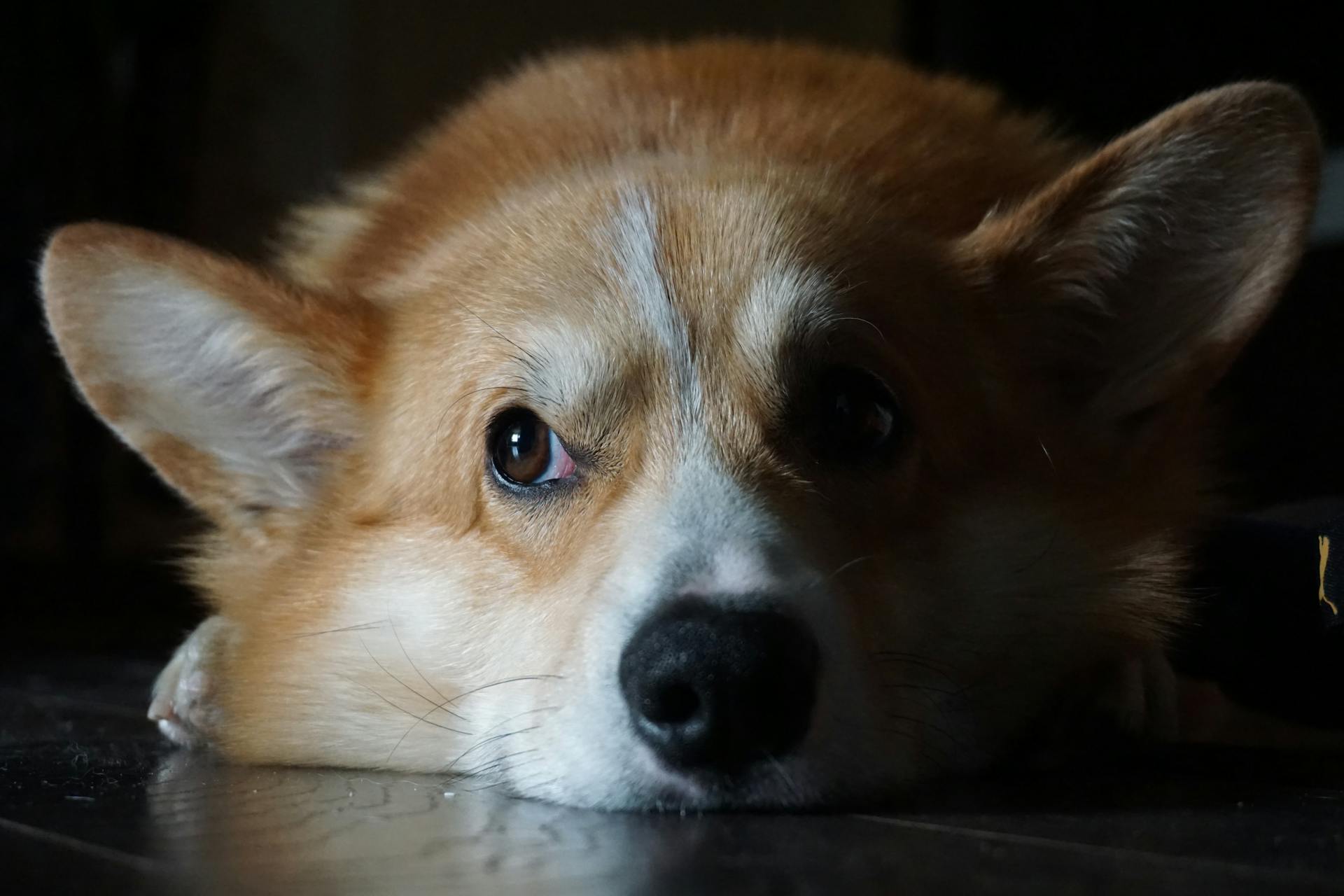
French Bulldogs are known for their adorable wrinkles and laid-back attitude, but they also have a reputation for breathing difficulties. They are brachycephalic, meaning their short, flat faces can make it hard for them to breathe.
Their anatomy is to blame, with a short nasal passage and elongated soft palate that can cause airway obstruction. This can lead to noisy breathing, panting, and even difficulty exercising.
Some French Bulldogs may experience more severe breathing problems, especially in hot or humid weather. This is because their compact body and short snout trap heat, making it harder for them to cool down.
Readers also liked: English Bulldog Breathing Problems
Possible Health Concerns
French Bulldogs are prone to breathing problems due to their flat face and short muzzle, which reduces the size of their nostrils and narrows their trachea. This can cause snoring, wheezing, panting, and exercise intolerance.
The most common breathing problems in French Bulldogs are caused by their flat-face appearance, but other issues like allergies, infections, and obesity can also contribute to respiratory issues. Proper care and monitoring can resolve these issues easily.
You might enjoy: Issues with French Bulldogs
Some common signs of breathing problems in French Bulldogs include labored breathing, loud snoring, inability to exercise, and tendency to suffer from heat stroke. If left untreated, this condition can lead to exhaustion, abnormal fatigue, and even heart disease.
Common Breathing Problems in French Bulldogs:
- Labored breathing
- Loud snoring
- Inability to exercise
- Tendency to suffer from heat stroke
It's essential to be vigilant about your French Bulldog's breathing, especially in hot weather, as they can quickly overheat and face serious complications.
What Is?
BOAS is a common health condition in brachycephalic breeds, including French Bulldogs. It affects dogs with a smushed face, causing respiratory problems and overheating.
BOAS stands for Brachycephalic Obstructive Airway Syndrome, a condition that affects dogs with a flat facial shape. This shape, also known as brachycephaly, means that your Frenchie puppy is prone to respiratory problems and overheating.
The physiology of a brachycephalic face predisposes dogs to certain health conditions. Unfortunately, this means that your Frenchie is at a higher risk of developing breathing problems.
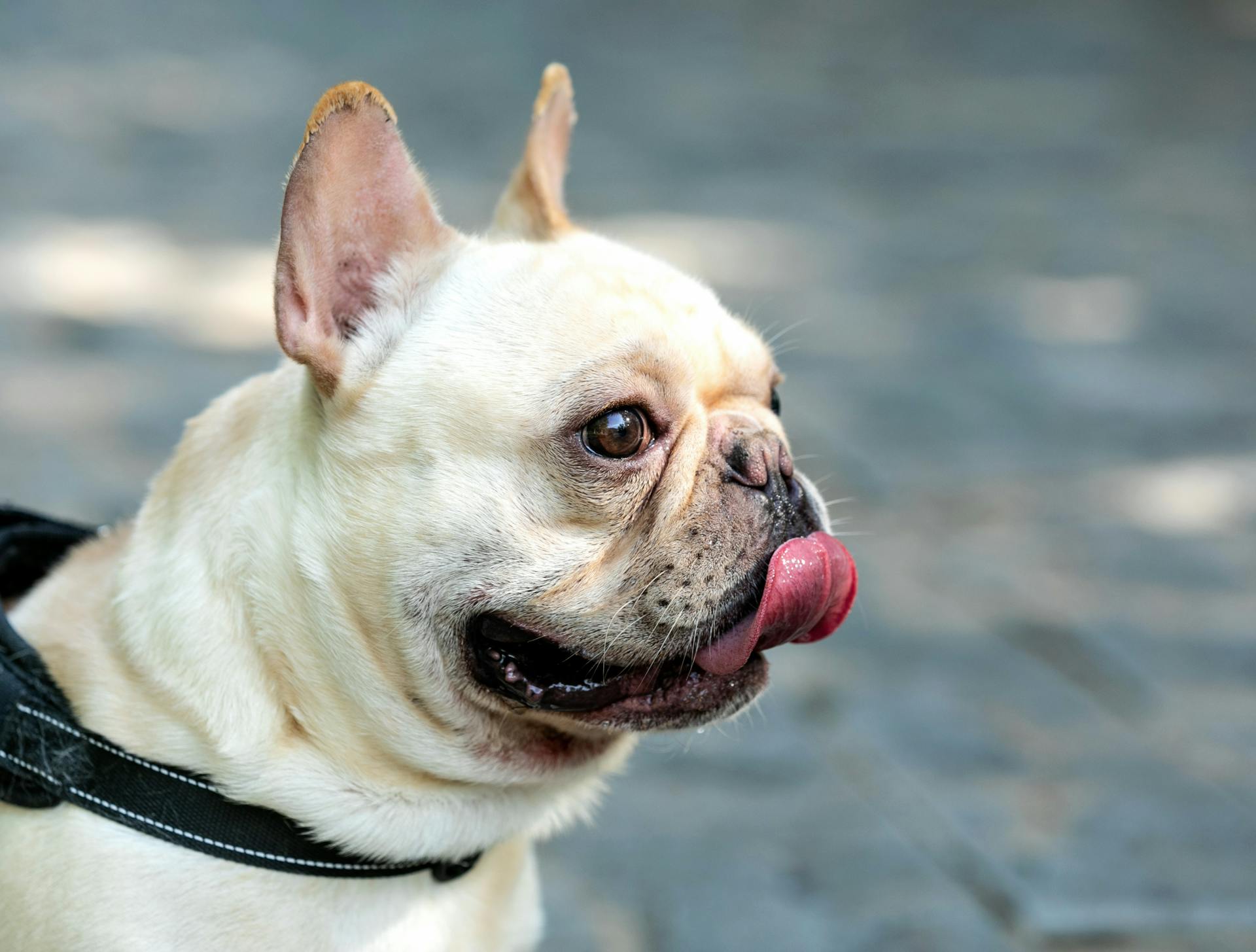
Brachycephalic dogs have narrowed nostrils, which make it harder for them to breathe. They also have an elongated soft palate that obstructs the windpipe, cutting off air supply from the outside.
Here are some common signs of BOAS:
- Labored breathing
- Loud snoring
- Inability to exercise for a sustained period due to reduced oxygen intake
- Tendency to suffer from heat stroke because of their inability to pant efficiently
The shape and morphology of a brachycephalic dog's throat increase the risk of choking. Your Frenchie is particularly vulnerable to overheating, which can quickly turn dangerous if not immediately addressed.
Expert Q&A
As a dog owner, it's essential to be aware of the possible health concerns that can affect your furry friend. One of the most significant issues to consider is breathing problems, which can be a major concern for brachycephalic dog breeds.
According to the list of brachycephalic dog breeds, some of the most susceptible breeds include the Pug, Bulldog, and Shih Tzu. These breeds have a unique skull structure that can lead to breathing difficulties.
Kateryna Zabashta, a seasoned dog breeder, has some valuable insights on how to avoid breeding dogs with breathing problems. She advises against breeding animals that already have breathing issues and suggests avoiding breeding for a small size, as this can lead to weaker dogs in the litter.
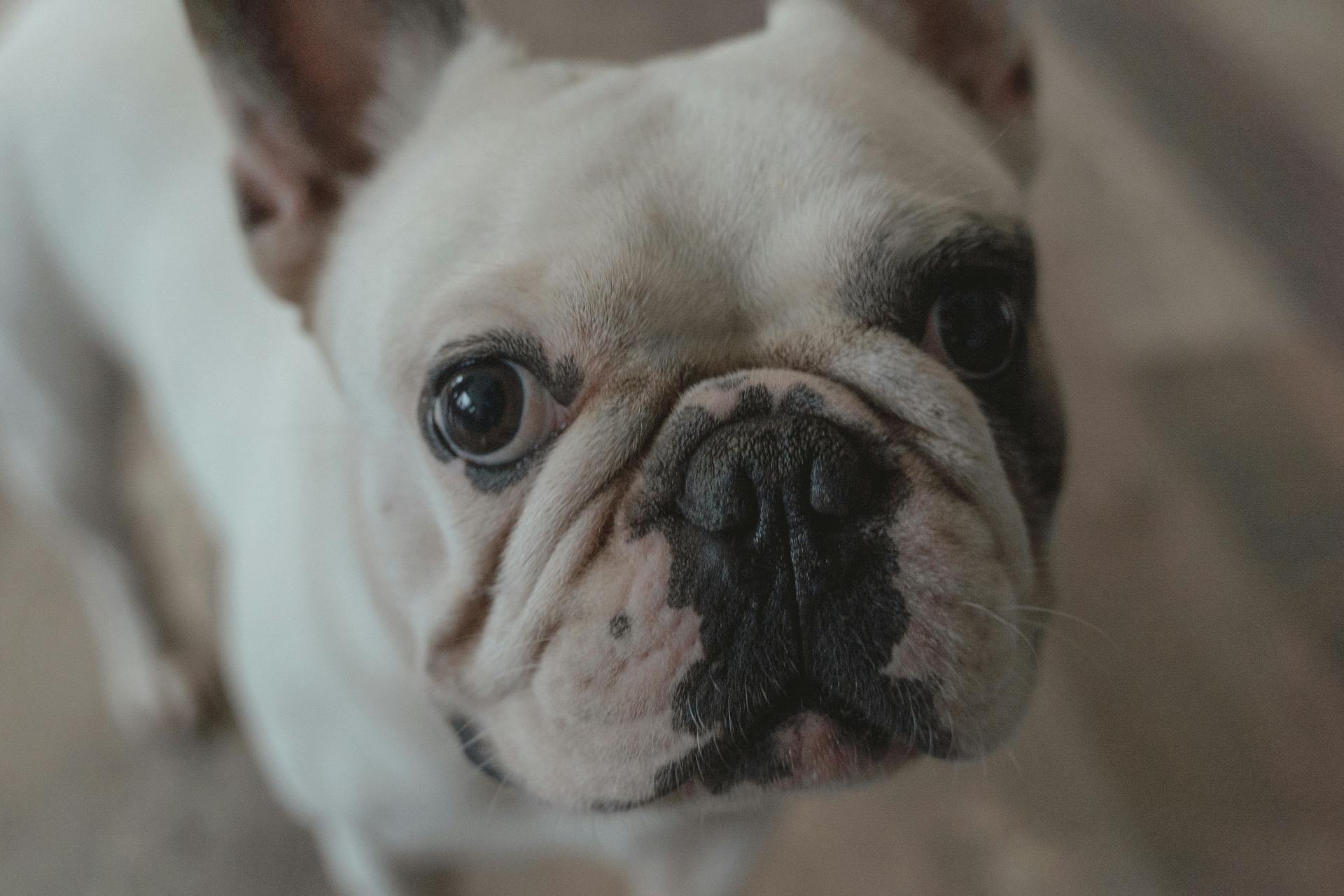
Some of the breeds that are prone to breathing problems include the French Bulldog, Boston Terrier, and Pekingese. If you're considering getting one of these breeds, it's essential to be aware of the potential health risks and take steps to mitigate them.
Here is a list of some of the brachycephalic dog breeds that are prone to breathing problems:
- Affenpinscher
- American Bulldog
- Boston Terrier
- Boxer
- Bullmastiff
- Cane Corso
- Chihuahua
- Chow Chow
- Dogue de Bordeaux
- English Mastiff
- English Bulldog
- French Bulldog
- Griffon Bruxellois
- Japanese Chin
- King Charles Spaniel
- Lhasa Apso
- Neapolitan Mastiff
- Pekingese
- Pug
- Rottweiler
- Shih Tzu
Normal vs. Abnormal Patterns
French Bulldogs are known for their unique breathing patterns, but it's essential to distinguish between normal and abnormal breathing. Under normal conditions, your Frenchie may breathe noisily, but it shouldn't be a concern.
A normal breathing pattern for a French Bulldog is characterized by even and regular breaths, with deep abdominal movement as they inhale and exhale. They should breathe easily without panting or gasping for air.
However, if your Frenchie is breathing rapidly, accompanied by coughing or wheezing, you should be concerned. Abnormal breathing patterns can indicate a potential health issue.
A different take: Do French Bulldogs Breathe Fast
Here are some signs of abnormal breathing to look out for:
- Shallow breaths
- Snoring
- Gagging
- Open-mouth breathing
These signs can be indicative of a breathing problem, and it's crucial to monitor your Frenchie's behavior and breathing patterns closely. If you notice any of these signs, it's essential to consult with a veterinarian to rule out any potential health issues.
Risks of Anesthesia
As you consider the health concerns of your French Bulldog, it's essential to understand the risks associated with anesthesia. Due to their compromised airways, brachys face a higher risk of complication due to anesthesia compared to dogs with normal facial physiology.
This increased risk is because the dog cannot get enough oxygen during the anesthetic and while trying to wake up from the procedure. Many vets feel jittery to perform surgeries on brachys due to the increased risk of something going wrong during and after the operation.
If your brachy needs surgery, make sure the veterinary doctor informs you of the risk involved in the procedure and take necessary precautions. This includes understanding the potential costs associated with the surgery, which can vary depending on the severity and obstruction of the dog's airways.
Here are some estimated costs you may incur:
Not all French Bulldogs need an overnight supervision or stay, and there may be other charges associated with the surgery that are not mentioned above.
Health Issues in Dogs
Brachycephalic dogs, like French Bulldogs, Pugs, and Bulldogs, are prone to breathing problems due to their flat faces.
Their shortened skulls and bulging eyes make them look adorable, but this unique feature also leads to health issues.
These dogs struggle to breathe due to the narrow airways, which can cause allergies, breathing problems, eye issues, difficulty exercising, and heatstroke.
In addition to breathing issues, brachycephalic dogs are also at risk for back and joint problems, digestion issues, difficulty giving birth, mobility issues, and skin fold infections.
Some common symptoms of breathing problems in French Bulldogs include noisy breathing, reluctance to exercise, and panting heavily.
If your French Bulldog is experiencing any of these symptoms, it's essential to consult with a veterinarian immediately.
The anatomy of brachycephalic dogs makes them more susceptible to respiratory problems, including BOAS (Brachycephalic Obstructive Airway Syndrome).
BOAS is caused by anatomical abnormalities such as elongated soft palates, stenotic nares, and hypoplastic tracheas.
These abnormalities make it difficult for brachycephalic dogs to breathe, which can become life-threatening.
If you suspect that your French Bulldog has BOAS, look for signs such as shallow breathing, snoring, gagging, and open-mouth breathing.
It's also crucial to monitor your dog's behavior, especially in hot weather, as they are prone to overheating and heatstroke.
To help your French Bulldog breathe easier, keep them cool in the summer, and monitor their breathing, exercise, and behavior closely.
Here are some common health issues in brachycephalic dogs:
- Allergies
- Breathing problems (BOAS)
- Eye issues
- Difficulty exercising
- Heatstroke
- Back and joint problems
- Digestion issues
- Difficulty giving birth
- Mobility issues
- Skin fold infections
Causes and Anatomy
French Bulldogs have some unique anatomy that can lead to breathing problems. Their short snout and narrow nostrils are not ideal for breathing.
Selective breeding has left French Bulldogs with a narrower trachea and a small chest size, which means they can intake less amount of air per breath.
The shape of their head is a major contributor to their breathing difficulties. Their elongated soft palate obstructs the windpipe, cutting off air supply from the outside.
The nostrils are miniature and narrow, severely curtailing the dog's respiration.
Here are the four anatomical abnormalities that contribute to Brachycephalic Obstructive Airway Syndrome (BOAS):
- An elongated soft palate.
- Moderate to severe stenotic nares.
- A hypoplastic trachea.
- An everted laryngeal saccules.
These abnormalities can lead to life-threatening breathing difficulties, especially during exercise or excitement.
French Bulldogs are also prone to overheating due to their inability to pant efficiently. It's essential to stay vigilant in hot weather to prevent serious complications like heat exhaustion and heat stroke.
Curious to learn more? Check out: Heat Stroke in French Bulldogs
Symptoms and Risks
French Bulldogs can be prone to breathing problems, and it's essential to recognize the symptoms and risks involved. If you suspect your Frenchie has breathing difficulties, watch out for noisy breathing, such as snoring, wheezing, or gasping, especially when they're at rest or in cool conditions.
Exercise intolerance is another common indicator, as French Bulldogs may tire easily during playtime or walks. They may also exhibit difficulty eating or swallowing due to their soft palate interfering with their breathing.
Some French Bulldogs may experience severe oxygen deprivation, which can lead to a blue or purple tongue or gums. This is a sign of severe respiratory distress and requires immediate veterinary attention. Other signs include loud breathing or open-mouth breathing, and excessive panting.
Obesity can worsen BOAS by putting additional pressure on the already compromised airways. High temperatures and humidity can also exacerbate the condition, making it crucial to monitor your Frenchie's behavior and take action if you notice any signs of heatstroke.
Here are some key signs to look out for:
- Snoring, wheezing, or gasping
- Exercise intolerance
- Difficulty eating or swallowing
- Blue or purple tongue or gums
- Loud breathing or open-mouth breathing
- Excessive panting
Remember, not all French Bulldogs with brachycephalic features will experience severe BOAS. However, many will exhibit some degree of respiratory difficulty. If you notice any of these signs in your Frenchie, it's essential to consult with your veterinarian for a proper diagnosis and treatment plan.
Diagnosis and Treatment
Taking your French Bulldog to the veterinarian is the first step in diagnosing breathing problems. The vet will watch your dog's breathing and chest movements, and listen to their chest, heart, and lungs with a stethoscope to rule out signs of chest infections and heart murmurs.
The veterinarian may recommend further testing, such as chest x-rays or advanced imaging techniques like MRI or CT scans, to visualize your dog's anatomy and determine the cause of the breathing problems. These tests can help rule out conditions like pneumonia, lungworm, or cancer.
The nature of medical treatment depends on the cause of the respiratory problem, and can range from medication to surgical intervention. In some cases, corrective surgery may be necessary to trim back and remodel your dog's nostrils and soft palate, or to remove the tonsils.
Official Diagnosis
Diagnosing BOAS in French Bulldogs requires a thorough examination by a veterinarian. Your vet will consider your dog's breed, physical examination, and clinical signs to make a diagnosis.
A visual inspection can be enough to diagnose Stenotic nares. Your vet will look for narrow nostrils, which can make it hard for your dog to breathe.
To diagnose an elongated soft palate or everted laryngeal saccules, your vet may need to perform an examination under anesthesia. This allows them to see inside your dog's throat and get a closer look at the area.
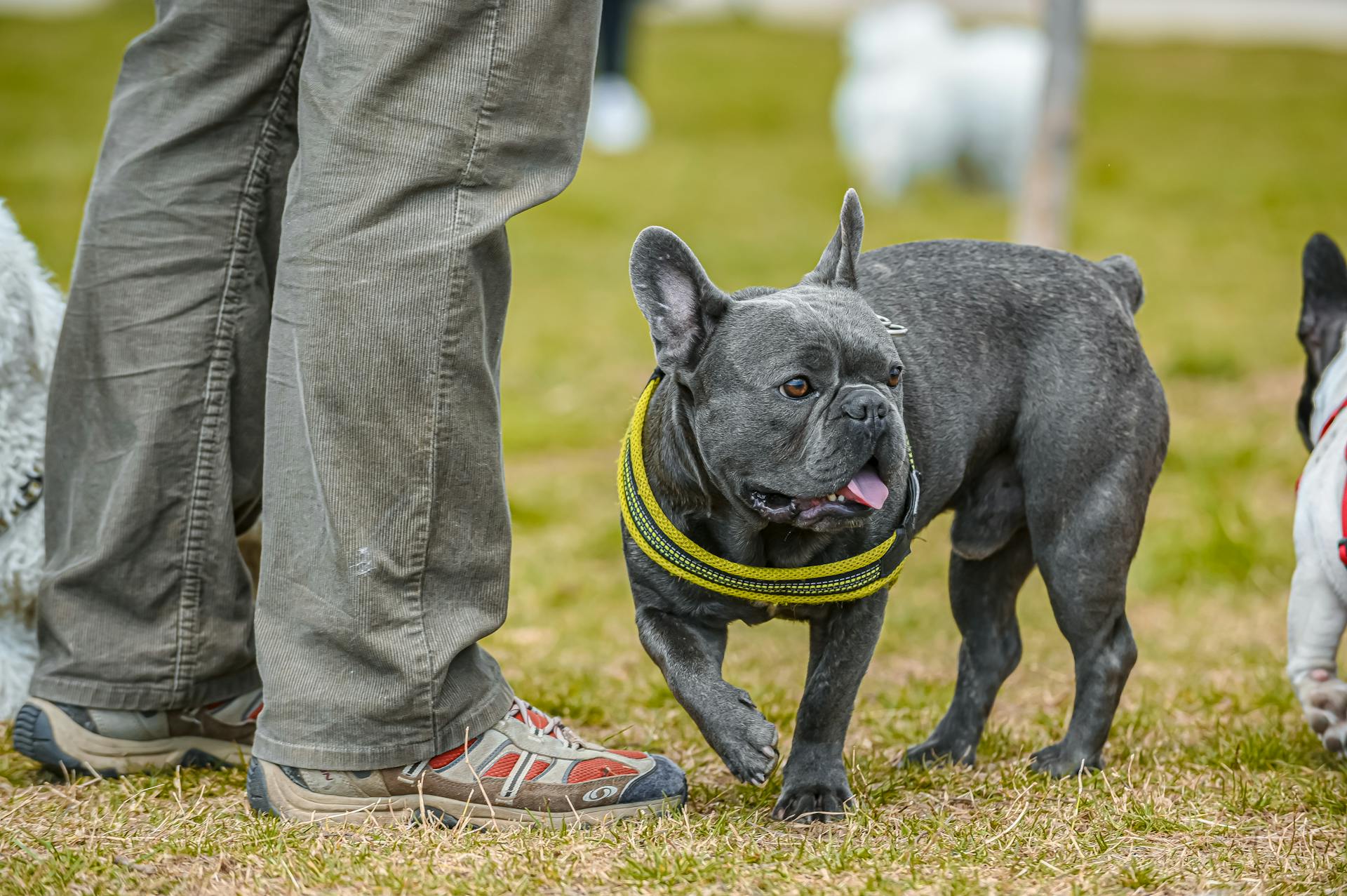
Here are the steps your vet will follow to diagnose BOAS:
- Watch your dog's breathing and chest movements
- Look for physical landmarks that make it hard for your dog to breathe, like narrow nostrils or a large tongue
- Listen to noisy breathing with a stethoscope to rule out chest infections and heart murmurs
- Examine the back of your dog's throat under anesthesia
- Consider further testing, such as chest x-rays or advanced imaging techniques, if necessary
Your vet may recommend corrective surgery to trim back and remodel your dog's nostrils and soft palate. This can improve the shape of the back of the throat and allow more air to enter the nostrils.
Solutions for Breathing
Diagnosis is just the first step in helping your French Bulldog breathe better. Getting a vet's diagnosis is crucial in pinpointing the cause of your dog's breathing problems, and it's essential to follow their advice and recommendations.
A vet will typically watch your dog's breathing and chest movements, listen to their chest, heart, and lungs with a stethoscope, and examine the back of their throat to rule out conditions like chest infections and heart murmurs. If your vet suspects that another condition is causing the symptoms, additional testing like chest x-rays or advanced imaging techniques may be needed.
If your vet recommends surgery, it's essential to understand that BOAS surgery is not a fix for life, and the nose and other parts may close up and resort to the dog's original genes over time. However, surgery can help improve your dog's quality of life by widening their nostrils, removing excess tissue from their elongated soft palate, and removing everted laryngeal saccules if necessary.
Some potential risks of BOAS surgery include hemorrhaging, pain, and inflammation, but these can be minimized with the use of CO2 surgical lasers. It's essential to discuss the risks and benefits with your surgeon and ask about their experience with BOAS surgery in French Bulldogs.
Here are some medications that may be prescribed to help alleviate your dog's respiratory issues:
- Cough suppressants
- Bronchodilators
- Expectorants
- Decongestants
These medications can provide symptomatic relief but may not be a permanent solution. It's essential to work closely with your vet to determine the best course of treatment for your dog.
In addition to surgery and medication, there are some practical steps you can take to help your French Bulldog breathe better:
- Keep them out of the heat and exercise them in the morning and evening instead
- Reduce their excitement and stress levels
- Avoid over-exercising them, especially in hot weather
- Keep their weight under control to reduce the risk of breathing problems
- Use a vet-approved health harness to support their physical and mental well-being
By following these steps and working closely with your vet, you can help your French Bulldog breathe better and improve their quality of life.
Will Pet Insurance Cover Surgery?
If your pet insurance covers your pet's surgery, it's essential to review your policy before treatment.
Your pet insurance should cover your pet's surgery as long as it's not a pre-existing condition.
If you had the pet insurance well before your vet's diagnosis, treatment should be covered by the pet insurance.
You should call your pet insurance and ask in advance if you have any doubt or question about what's covered.
Prevention and Care
French Bulldogs are prone to breathing problems due to their brachycephalic nature, which means their short noses and flat faces can make it difficult for them to breathe. This is why it's essential to take extra precautions to prevent breathing issues.
Some French Bulldog breeds, such as the English Bulldog, are more susceptible to respiratory problems. If you have a French Bulldog, it's crucial to keep an eye out for signs of breathing difficulties, such as wheezing or rapid breathing.
Here are some breeds that are also prone to breathing problems, including the American Bulldog, Boston Terrier, and Pug dog breed. These breeds, along with the French Bulldog, can benefit from regular veterinary check-ups and a healthy lifestyle to reduce the risk of respiratory issues.
Keep Dog Cool in Summer
As a dog owner, I know how important it is to keep your furry friend cool in the summer. Brachycephalic dogs, like French Bulldogs, can't tolerate high temperatures, so it's crucial to take extra precautions.
Brachycephalic breeds, such as Bulldogs, Pekingese, Boston Terriers, Pugs, and Boxers, have a unique skull shape that makes it difficult for them to breathe and dissipate heat.
If your Frenchie is overheating, you'll notice some telltale signs. These include panting or wheezing, heavy breathing, and an enlarged, distressed look.
Here are some common symptoms of overheating in dogs:
- Panting or wheezing
- Heavy breathing
- Enlarged eyes, ears back, distressed look
- Excessively floppy tongue
- Vomiting or diarrhea
- Foaming at the mouth or drooling
- Convulsions and seizures
If you notice any of these symptoms, it's essential to take action quickly to prevent heatstroke, which can become an emergency.
Temperature and Humidity Control
Temperature and Humidity Control is crucial for French Bulldogs. They can't ventilate effectively, so hot and humid environments should be avoided at all costs.
To keep your Frenchie cool, turn on the AC or open a window to provide a cooler environment. This will help prevent overheating, which can be fatal for these dogs.
A hot car is a death trap for French Bulldogs. Even if it's just 70 degrees out, a car can rapidly climb to 104 degrees in just a few minutes. Don't think that cracking the window will help, either.
Your Frenchie can't sweat like other dogs, so they rely on panting to cool down. Trapped heat and air in a hot car can quickly lead to suffocation and tragic demise.
To prevent overheating, keep your Frenchie indoors during the hottest part of the day. Try to walk them early in the morning or later in the afternoon to prevent overheating during peak daytime hours.
Here are some signs that your Frenchie may be overheating:
- Panting or wheezing
- Heavy breathing
- Enlarged eyes, ears back, distressed look
- Excessively floppy tongue
- Vomiting or diarrhea
- Foaming at the mouth or drooling
- Convulsions and seizures
If you see any of these warning signs, act fast and get your Frenchie to a cooler environment immediately.
Home Remedies and Prevention Tips
Here are some cool tips and management advice that you can follow to reduce and prevent respiratory issues in your dog.
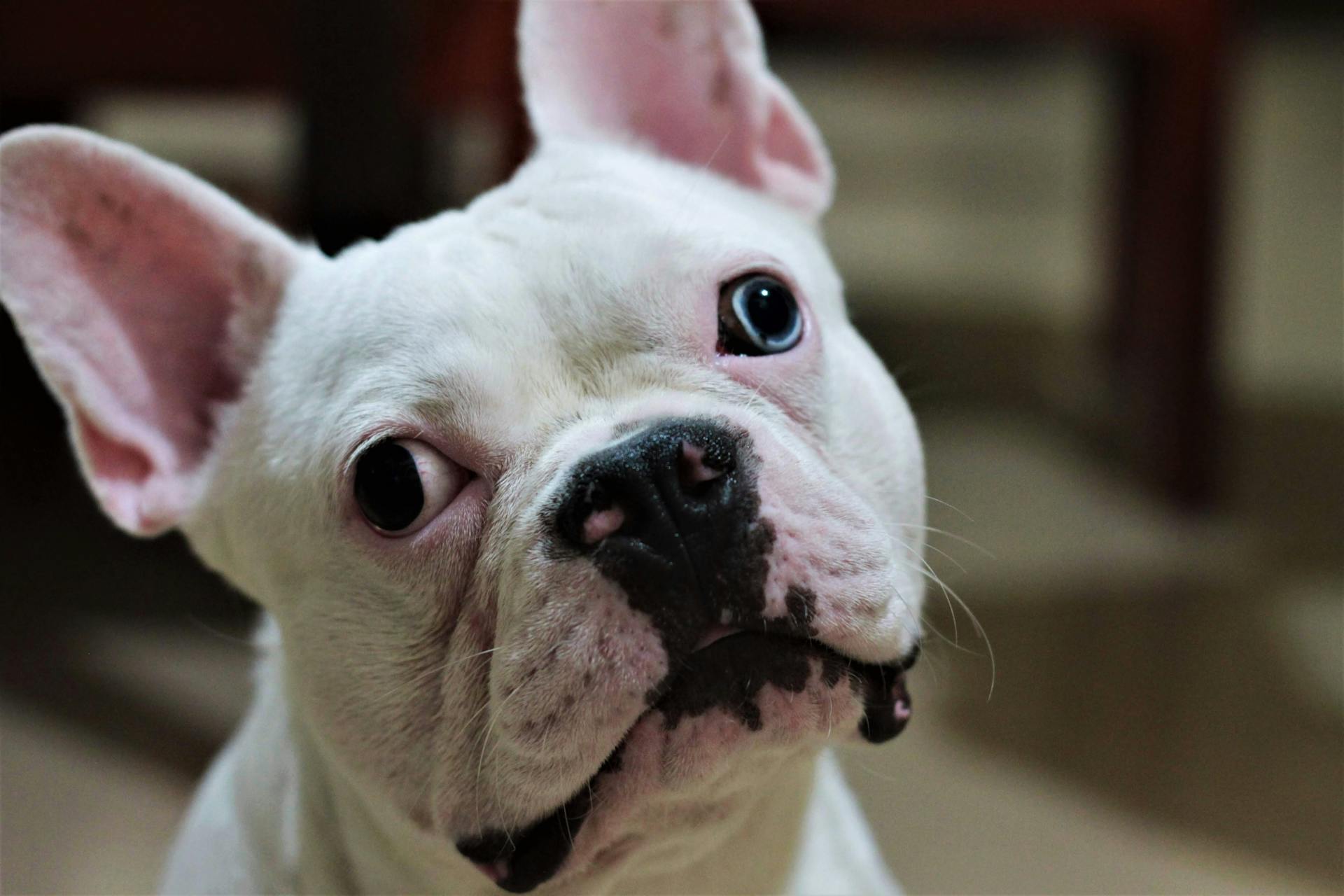
Keep your French Bulldog at a healthy weight to reduce the strain on their breathing.
Exercise your dog regularly, but avoid strenuous activities that can exacerbate breathing problems.
Consider using a harness instead of a collar, as it can put less pressure on your dog's neck and throat.
Elevate your dog's head while they sleep to help reduce congestion and make breathing easier.
Use a humidifier in your home to add moisture to the air, which can help soothe your dog's dry throat and nostrils.
Monitor the temperature and humidity levels in your home to ensure they are not too extreme, as this can affect your dog's breathing.
Expand your knowledge: How to Help French Bulldogs Breathe Better
Breeding Puppies Safely
Breeding French Bulldog puppies without high risks of brachycephalic syndrome requires careful consideration of the dog's muzzle and other features.
The risk of BOAS increases as the French Bulldog's muzzle becomes shorter or flat. To avoid breeding French bulldogs that highly suffer from BOAS, Frenchie breeders should aim for moderate features like a longer muzzle instead of extremely short or flat.
Expand your knowledge: French Bulldogs Breed

French Bulldogs with the BOAS diagnosis that are eligible for the surgery, should not be bred and removed from the breeding program.
Breeding programs should examine neck girth, body condition, type, nares, genes and more when determining who is eligible to be bred.
Here's a list of brachycephalic dog breeds that are prone to BOAS:
- Affenpinscher dog breed.
- American Bulldog dog breed.
- Boston Terrier dog breed.
- Boxer dog breed.
- Bullmastiff dog breed.
- Cane Corso dog breed.
- Chihuahua dog breed.
- Chow Chow dog breed.
- Dogue de Bordeaux dog breed.
- English Mastiff dog breed.
- English Bulldog dog breed.
- French Bulldog or the Frenchie dog breed.
- Griffon Bruxellois dog breed.
- Japanese Chin dog breed.
- King Charles Spaniel dog breed.
- Lhasa Apso dog breed.
- Neapolitan Mastiff dog breed.
- Pekingese dog breed.
- Pug dog breed.
- Rottweiler dog breed.
- Shih Tzu dog breed.
Expert Advice and Resources
Breeding Frenchies comes with its own set of challenges, especially when it comes to avoiding breathing problems.
To avoid breeding animals that have breathing problems, you should carefully select the parents to breed. According to Kateryna Zabashta, a seasoned dog breeder, it's essential to avoid breeding dogs that already have breathing issues.
Breeding for a really small size can also lead to health problems in the puppies. This often involves breeding the runt of the litter with another runt, which can result in weaker dogs.
Kateryna Zabashta advises against breeding the runt of the litter with another runt, as this can increase the likelihood of health problems in the puppies.
Here are some key takeaways from Kateryna's expert advice:
- Avoid breeding dogs that already have breathing problems.
- Don't breed for a really small size, as this can lead to health problems in the puppies.
- Be cautious when breeding the runt of the litter, as this can result in weaker dogs.
Frequently Asked Questions
What percentage of French bulldogs have breathing problems?
About 50% of French bulldogs experience clinically significant breathing problems due to BOAS, a lifelong and progressive disorder
Why is my French bulldogs breath so bad?
Bad breath in dogs is often caused by poor oral hygiene and periodontal disease, which can lead to a buildup of bacteria in the mouth. Regular dental care and check-ups can help prevent and address this issue
What age do French bulldogs have breathing problems?
French Bulldogs under 6 months old may experience breathing difficulties due to BAOS. All French Bulldogs, regardless of age, can be affected by breathing problems due to their brachycephalic conformation.
What is the most common cause of death in French bulldogs?
Unfortunately, French bulldogs are prone to various health issues, with Intervertebral Disc Disease (IVDD) being a leading cause of death. Cancer and respiratory complications also contribute to their mortality rates.
Can bulldogs breathe naturally?
Bulldogs often struggle with natural breathing due to their brachycephalic skull structure, which can lead to labored breathing. This is because their shortened skulls don't match their large facial features, causing breathing difficulties.
Featured Images: pexels.com