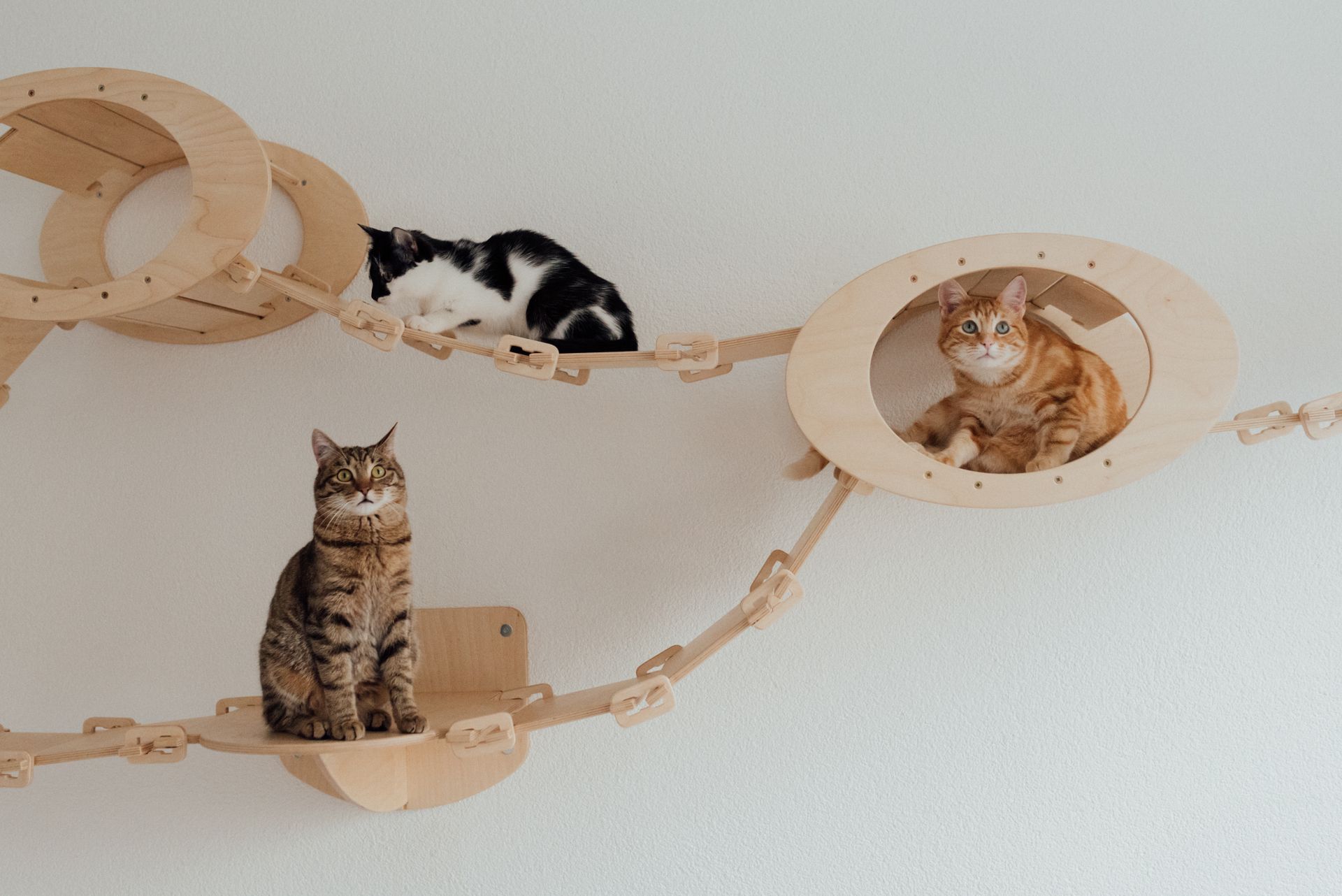
Living with multiple pets can be a wonderful experience, but it's essential to consider their compatibility. Chinchillas and rabbits can make great companions, but they do have different personalities and needs.
Chinchillas are generally more sensitive and require a calm environment, while rabbits are more energetic and social. For a harmonious household, it's crucial to provide separate spaces for each pet.
In fact, chinchillas are nocturnal, which means they're most active at night, whereas rabbits are crepuscular, meaning they're most active during twilight hours. This natural difference in activity patterns can be managed with proper planning and separate areas for each pet.
If you're considering introducing chinchillas and rabbits to the same living space, it's best to start with a slow and controlled introduction process, allowing them to become familiar with each other's scents and sounds.
Additional reading: Pet Chinchilla
Can They Get Along?
Chinchillas and rabbits can coexist in the same household, but it's not recommended to keep them in the same enclosure or cage. They have different diet requirements and can become aggressive towards each other, especially if there are two males.
It's worth noting that chinchillas are more fragile than rabbits and can be injured easily, so it's essential to provide separate living spaces for each pet.
Rabbits are intelligent creatures that can be house-trained and enjoy exploring their surroundings, but they need to be supervised to ensure they don't get into trouble.
Chinchillas, on the other hand, are timid and may take time to get used to their surroundings and their owners. They require gentle handling and a dust bath at least two or three times a week to keep their skin healthy.
While they can tolerate each other's presence in the same household, it's crucial to monitor their behavior closely to ensure harmony and avoid conflicts.
Introducing Them Safely
Introducing chinchillas and rabbits safely is crucial to a harmonious household. Start by allowing them to sniff each other's bedding.
It's essential to supervise their initial meetings in a neutral space. This will help prevent any territorial behavior. Watch for signs of stress or aggression, as it may take time for them to adjust to each other.
Similarities and Differences
Both rabbits and chinchillas make great pets for busy families or those with small living spaces. They're small, family-friendly, and affectionate, making them perfect companions for kids.
They're also relatively easy to care for and can be kept in an enclosure for most of the day. In fact, they're both tolerant of other smaller pets and enjoy playing with toys that are often inexpensive.
Here are some key similarities and differences between the two:
- Similarities:
- Both animals are small and can be kept in an enclosure.
- They're family-friendly and affectionate.
- They're tolerant of other smaller pets.
- They enjoy playing with toys.
- They're relatively easy to care for.
However, there are some notable differences. Rabbits tend to live shorter lives than chinchillas, and they're larger in size. Chinchillas, on the other hand, spend most of their day sleeping and prefer to stay in their cages.
Risks Involved
Keeping chinchillas and rabbits together can be a challenging task due to their different dietary needs. Chinchillas require a high fiber, low fat diet, while rabbits need a high fiber diet with some veggies.
One of the biggest risks is that chinchillas can carry diseases that are harmful to rabbits. This is a serious concern, so it's essential to research and understand the potential health risks involved.
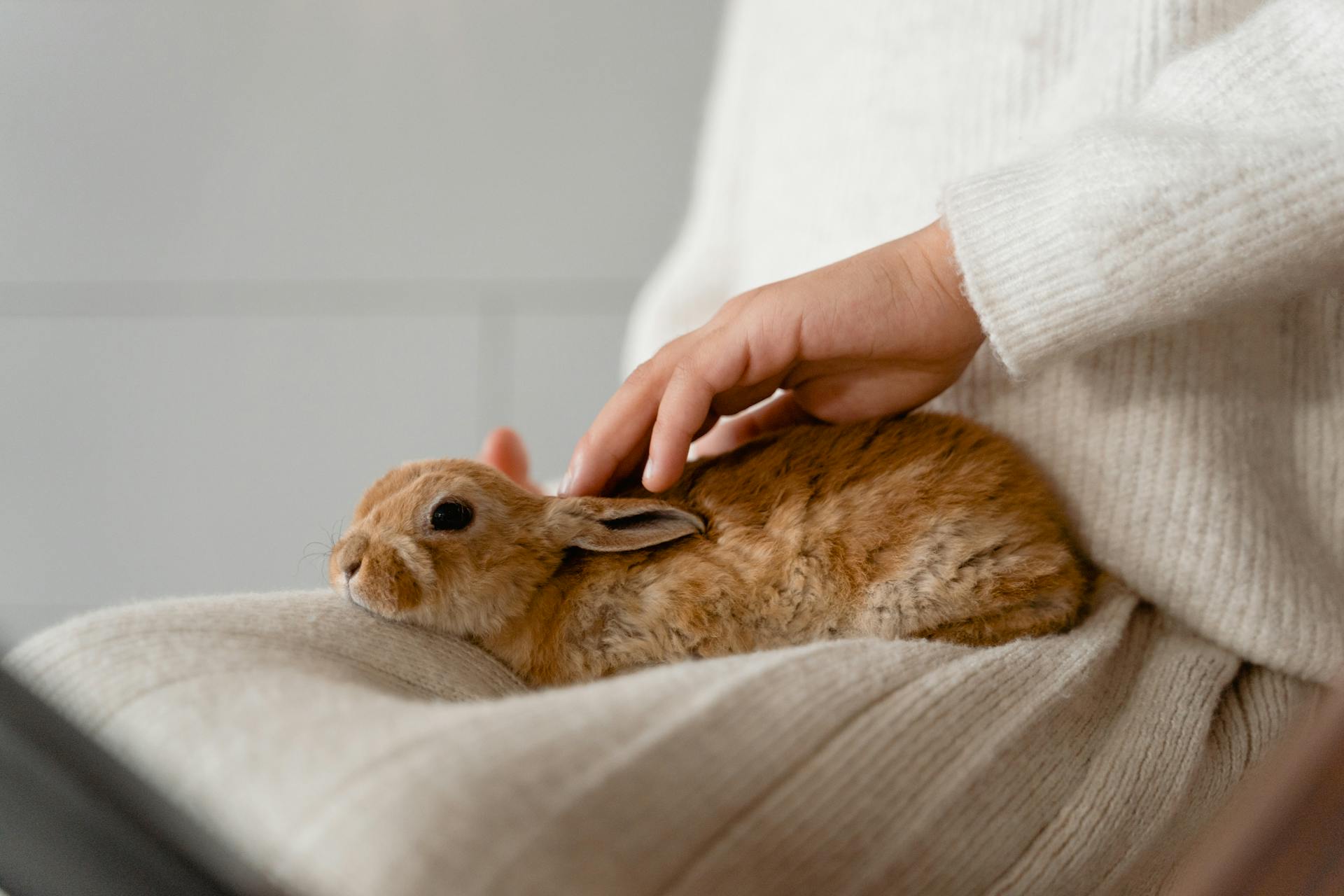
Chinchillas and rabbits also have varying social needs. Chinchillas enjoy interaction, but they can become stressed if they're not provided with enough attention. Rabbits, on the other hand, are highly social animals that thrive in the company of others.
Here are some key differences in their needs:
Social Structures
Chinchillas are more solitary animals, which means they don't require a lot of interaction with other pets. They can thrive in small groups, but they prefer limited interaction.
Rabbits, on the other hand, are social animals that enjoy company and often form strong bonds with each other. They're more likely to benefit from having a companion pet.
Here's a quick comparison of the social needs of chinchillas and rabbits:
This difference in social needs is important to consider when deciding whether to keep chinchillas and rabbits together.
Behavioral Traits
When interacting with chinchillas and rabbits, it's essential to consider their unique behavioral traits. Chinchillas may stress in crowded areas, which can be a major concern for owners who want to keep multiple pets together.

Chinchillas are naturally solitary animals and prefer to have their own space. Rabbits, on the other hand, need companionship to feel secure and happy. In fact, rabbits are social animals and thrive in the company of their own kind.
Here are some key points to consider when it comes to the behavioral traits of chinchillas and rabbits:
- Chinchillas may stress in crowded areas.
- Rabbits need companionship to feel secure.
- Mixing both can lead to stress for chinchillas.
Territorial Instincts
Chinchillas are known for their strong territorial instincts, which can lead them to claim their space vigorously. They may react aggressively if their territory is invaded.
Rabbits, on the other hand, are less aggressive when it comes to territorial behavior. They mark their territory with scent, which is a different approach to claiming space.
Chinchillas are highly territorial, which means they require a lot of space to feel safe. This is crucial for their well-being.
Here's a comparison of the territorial behavior of chinchillas and rabbits:
Both animals need their own areas to feel safe, so proper space is vital for their happiness.
Feeding and Care
Chinchillas require a diet high in fiber and low in protein, which can be achieved by feeding them hay and limited amounts of pellets.
Their sensitive digestive system makes them prone to health issues if their diet is not properly managed.
In the wild, chinchillas eat a variety of plants, including grasses, leaves, and flowers, but it's crucial to replicate their diet as closely as possible in captivity.
Rabbits, on the other hand, are herbivores and have a similar dietary requirement to chinchillas, but they can tolerate a bit more protein in their diet.
Feeding Challenges
Feeding chinchillas and rabbits together is not a straightforward task. Their dietary needs are quite different.
Chinchillas require low-protein foods, which is a key distinction from rabbits. Rabbits, on the other hand, enjoy leafy greens.
Mixing their diets can lead to overeating, which is a risk in itself. Rabbits might eat chinchilla pellets, causing health problems.
Digestive issues are also a concern when mixing their diets. Each animal's gut is sensitive, and a change in food can cause stomach upset.
To avoid problems, it's best to feed them separately. This allows you to monitor their food intake closely and ensure they're getting a balanced diet.
Discover more: Chinchillas Eat Rabbit Food
Best Way to Care for a Rabbit
Rabbits are quite intelligent creatures and have complex personalities, making them house trainable.
You can take your pet bunny outside for a daily walk, and they will appreciate leaving their cage to roam around the house.
A bunny will gladly explore your entire house, so make sure it's rabbit-proofed to avoid any damage.
If you have a dog or a cat, keep an eye on them or put them away until the rabbit is safely back to its enclosure.
A bunny can get depressed if it sits in its cage all day long, so give it a chance to roam freely under close supervision.
Rabbits need to be taken out of their cage regularly to prevent boredom and depression.
You should also ensure that your house is rabbit-proofed to prevent any damage caused by your curious bunny.
Rabbits can be fed a variety of veggies and fruits, but make sure their diet is balanced and suitable for their health.
You might enjoy: Free Roam
Expert Advice and Tips
Expert advice from experienced breeders and experts is crucial when considering housing chinchillas and rabbits together. They have unique needs, and prioritizing their well-being is essential.
To ensure a harmonious living environment, introduce the animals gradually, starting with short, supervised meetings. Watch their body language for signs of stress or aggression, and provide a safe environment that's escape-proof. Providing enrichment, such as toys and hiding spots, is also important.
Here's a comparison of the space and dietary requirements for chinchillas and rabbits:
By understanding and meeting their specific needs, you can create a safe and happy environment for both chinchillas and rabbits.
Expert Advice
Housing chinchillas and rabbits together requires careful consideration. Understanding their unique needs is key to ensuring their well-being.
Expert advice is crucial in making safe choices for these animals. Both chinchillas and rabbits have specific care requirements.
To create a harmonious living environment, it's essential to introduce them gradually, starting with short, supervised meetings. This allows them to get used to each other's presence without feeling stressed or aggressive.
A safe and escape-proof environment is also vital. Make sure the area is secure to prevent any accidents. Both chinchillas and rabbits need space to move around, with a minimum of 2-3 square feet for chinchillas and 4-6 square feet for rabbits.
Providing enrichment is also important. Toys and hiding spots can help reduce stress and keep them entertained. Fresh hay, pellets, and veggies are also essential for their diet.
Here's a quick reference guide to their needs:
By following expert advice and prioritizing their health and safety, you can create a happy and harmonious home for both chinchillas and rabbits.
Your Questions:
Before bringing your pets home, make sure to check with your landlord about their pet policy. Landlords can be strict about keeping animals, and you don't want to risk being evicted.
If you're planning to house different pets together, research their specific needs and requirements. For example, rabbits and chinchillas have different dietary needs and require distinct care.
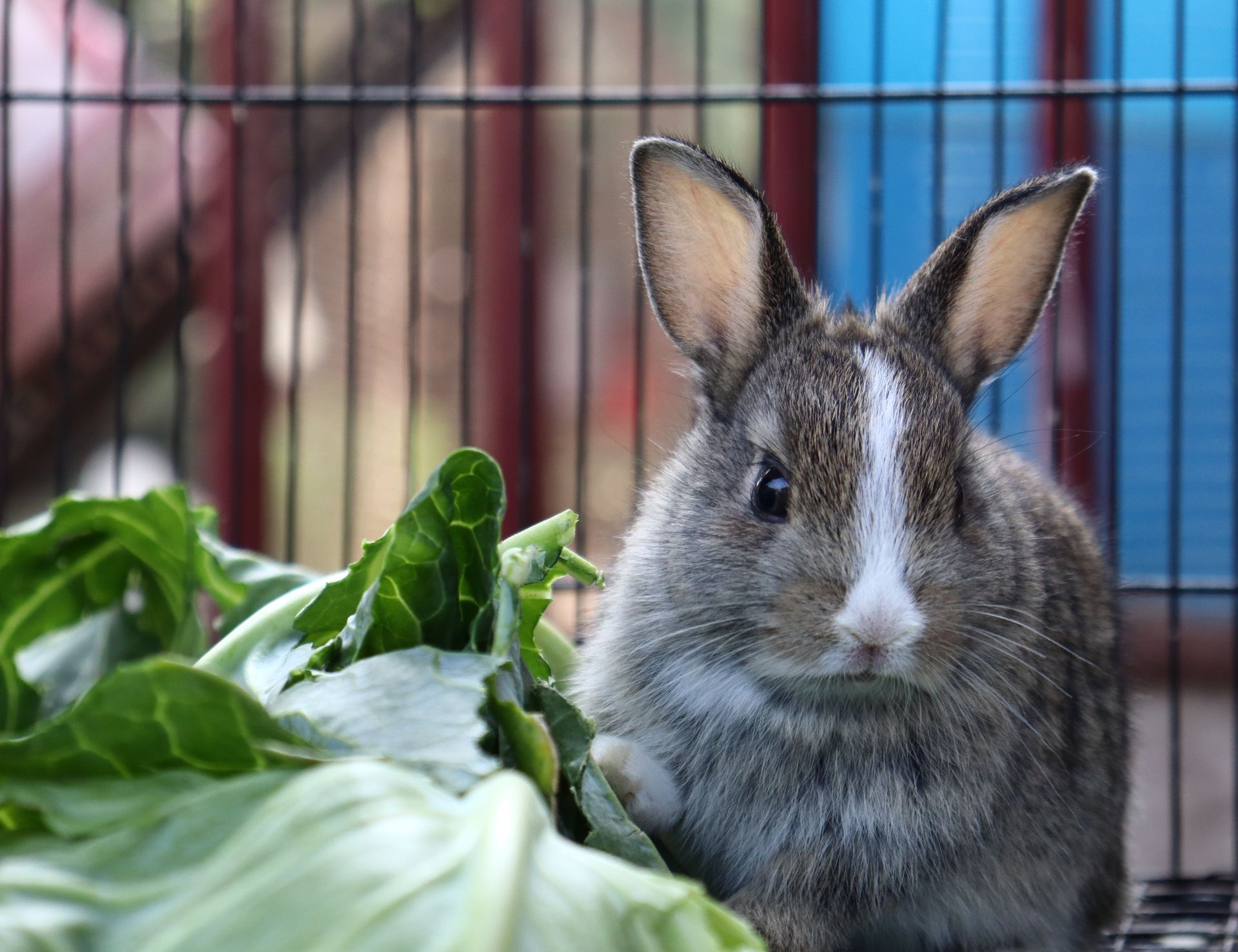
Chinchillas need a lot of space to move around and live in multi-level cages, while rabbits prefer separate compartments. Don't expect them to get along immediately, and start by keeping their cages next to each other to observe their behavior.
Even if your pets seem calm around each other, always supervise interactions and give them the option to retreat to their own cages. This will help prevent any potential conflicts or stress.
Real-Life Experiences
Many pet owners have shared their experiences of keeping chinchillas and rabbits together, providing valuable insights into their dynamics.
Some owners have reported that chinchillas can become aggressive towards rabbits due to feeling threatened by their energy.
Chinchillas need their own space to feel secure, and providing a separate area for them can help prevent conflicts.
In some cases, rabbits' curiosity can stress out chinchillas, leading to health issues.
Here are some real-life experiences that illustrate these points:
- Tom's chinchilla, Bella, became aggressive towards his rabbit, Binky.
- Alice's rabbit, Snowball, stressed out her chinchilla, Peanut, with its curiosity.
- Mark's pets fought over territory due to lack of space.
Featured Images: pexels.com