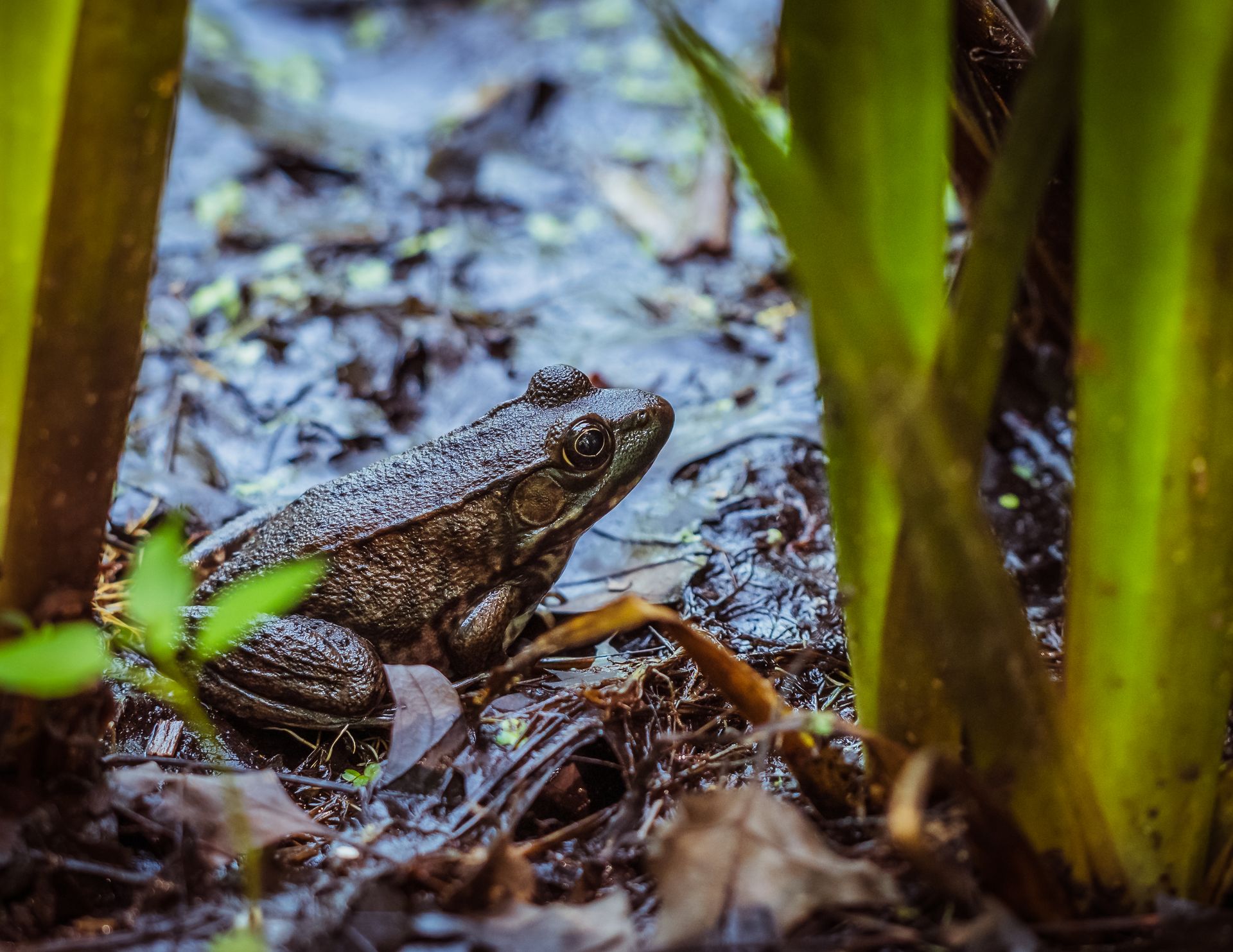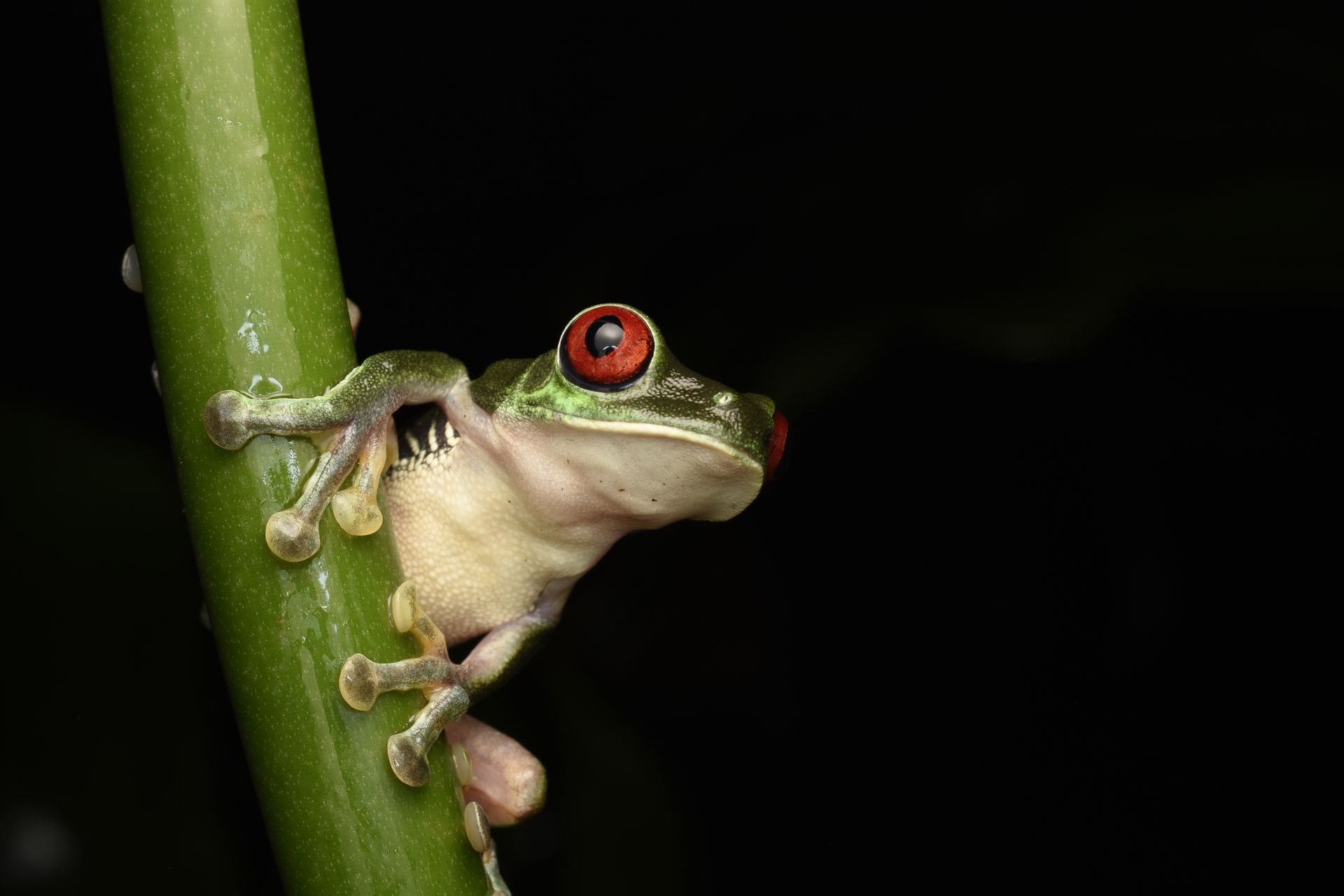
Creating a terrarium for your Dendrobates Tinctorius Tumucumaque is a delicate process that requires attention to detail and a deep understanding of the species' needs.
To start, you'll need a well-ventilated terrarium with a secure lid to prevent escape and maintain humidity levels.
The Tumucumaque poison dart frog is native to the tropical rainforests of South America and thrives in humid environments with temperatures between 75-85°F (24-29°C).
A 10-20 gallon terrarium is a suitable size for a small group of these frogs, allowing for adequate space to roam and hunt for food.
Dendrobates Tinctorius Tumucumaque
The Dendrobates Tinctorius Tumucumaque is a unique and fascinating morph of the Dendrobates tinctorius species. It was first documented during the 2004-2006 Rapid Biological Inventories in the Tumucumaque Mountains National Park in Brazil.
The Tumucumaque morph is a result of the combination of different genetic traits, and it's not a new species, but rather a polymorphism of Dendrobates tinctorius. Researchers have confirmed this through extensive genetic research on poison frogs in the Guiana Shield.
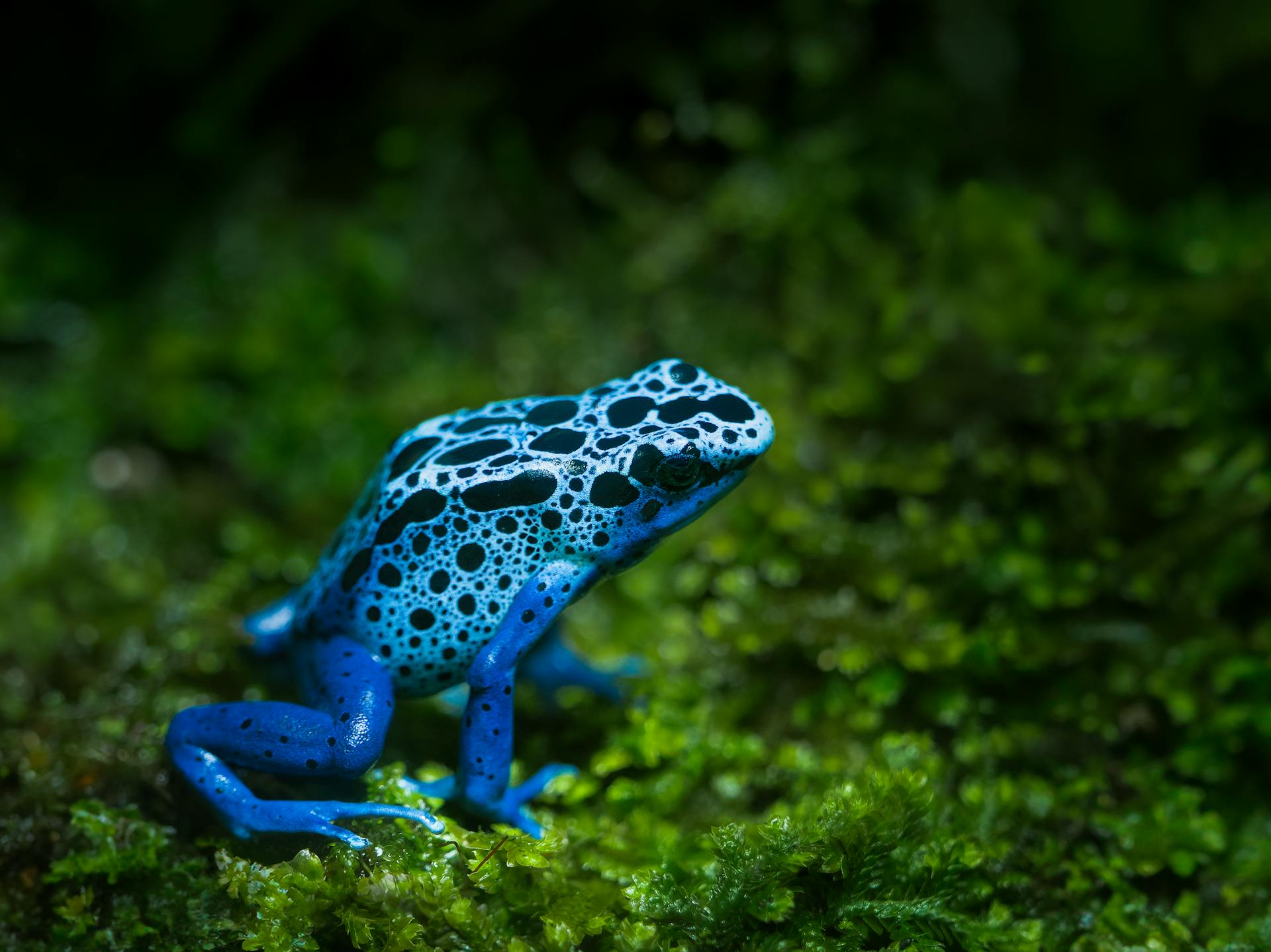
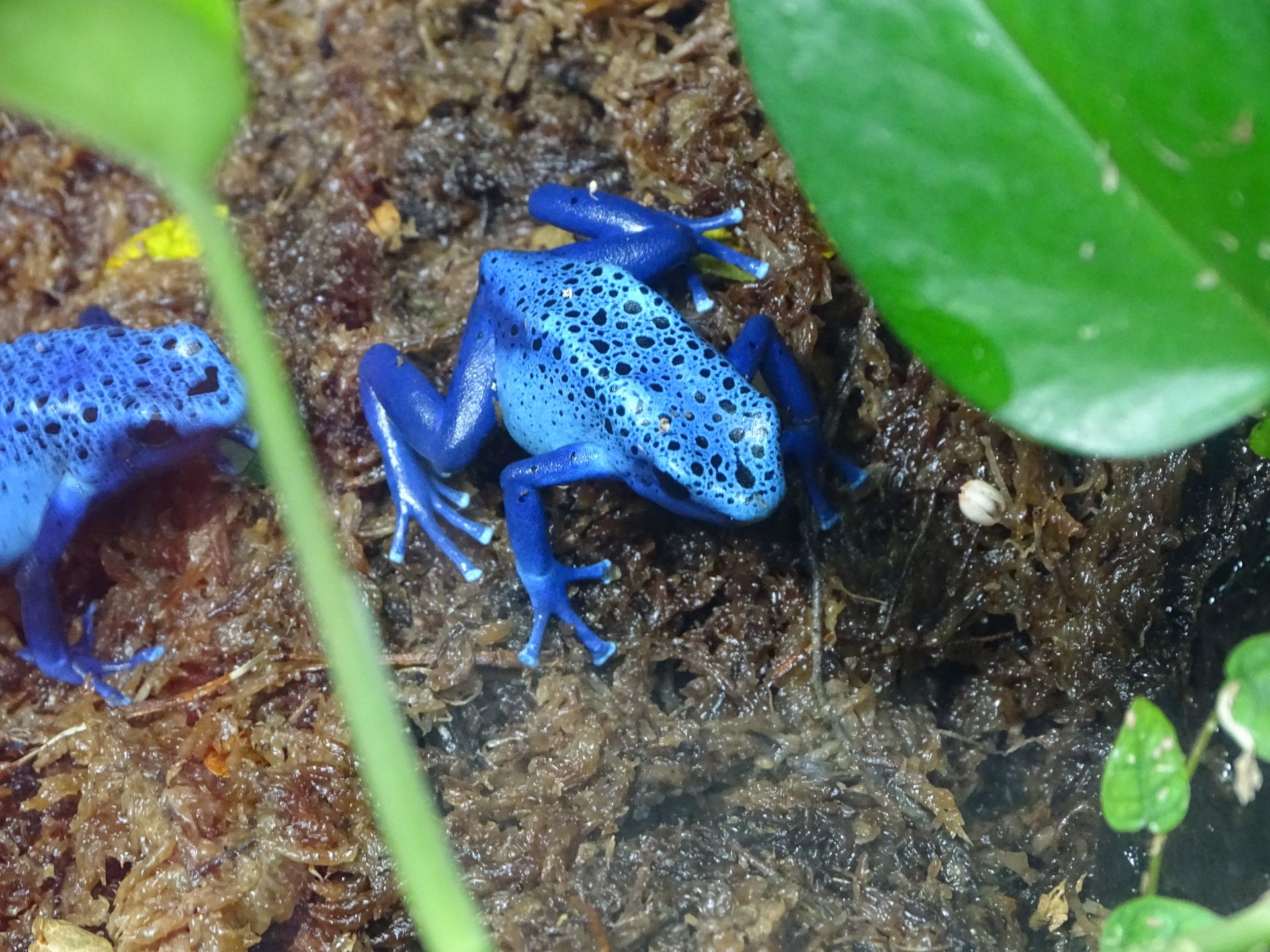
This morph is characterized by its striking appearance, with a black base color and a varying combination of bands, splotches, and dots in different shades of blue, yellow, white, and even orange. It's one of the many color morphs of Dendrobates tinctorius, which can be found in various countries, including Brazil, French Guyana, and Suriname.
Dendrobates Tinctorius
Dendrobates Tinctorius is a species of poison frog that's known for producing a wide range of polymorphisms. There are at least 40 cataloged polymorphisms of the species.
The Tumucumaque morph is one of the most striking examples of a Dendrobates Tinctorius polymorphism. It was first documented during the 2004-2006 Rapid Biological Inventories in the Tumucumaque Mountains National Park.
Researchers have collected reference specimens of the Tumucumaque morph, including one stored at the Museu Paraense Emilio Goeldi in Belém, Brazil. This specimen provides valuable information for identifying the morph.
The Tumucumaque morph has been found circulating in the amphibian trade in Europe, but it's assumed that all specimens outside of Brazil are derived from wild-caught stock removed in contravention of Brazilian law.
Characteristics
The Dendrobates Tinctorius Tumucumaque is a member of the Dendrobatidae family, which consists of 8 genera and over 170 species.
These frogs are famous for their vibrant appearance, which serves as a warning to predators about their poisonous nature.
Their colourful patterns act as a red flag to potential predators, signaling that they're not a tasty snack.
In fact, the frogs' skin will secrete toxins when they're stressed, resulting in a poison-covered skin.
However, in captivity, these frogs lose their poisonous nature, and the skin toxins disappear completely in the generations that follow.
This suggests that the frogs themselves don't produce the poison, but rather retrieve it from the tiny invertebrates they eat.
Colour polymorphism is a key characteristic of this species, with different colour morphs displaying varying combinations of bands, splotches, and dots in shades of blue, yellow, white, and even orange.
The Tumucumaque morph, for example, features a black base colour with a varying combination of blue, yellow, white, and orange bands, splotches, and dots.
A different take: Blue Poison Dart Frog Dendrobates Azureus
Some colour morphs have a more prominent darker colour, making up most of the frog's pattern.
Adult frogs typically range from 1.4-2.4 inches in total length, but some morphs can grow up to 2.8 inches.
There are a few differences between males and females, with males being slender and having a more upright posture.
Males also have wider toe discs on their front legs compared to females.
Care and Housing
To care for your Dendrobates tinctorius tumucumaque, you'll want to provide a suitable housing environment. Exo Terra Natural Terrariums are a great option, featuring front opening doors for easy maintenance and feeding.
These terrariums also have a unique double ventilation system with a full screen stainless steel top, which helps to keep the air circulating and the environment healthy for your frogs.
Place the terrarium in a room receiving only indirect light from windows, as direct sunlight can cause the terrarium to overheat and stress or kill your frogs.
Peacock Care Guide
Peacocks are social birds and need to be kept in pairs or groups for their mental and physical well-being.
A large enclosure with plenty of space to fly and exercise is essential for peacocks.
Peacocks require a lot of space to roam, with a minimum of 10 square feet per bird inside the enclosure.
Peacocks are messy birds and produce a significant amount of droppings, so a large enclosure with easy cleaning access is necessary.
Peacocks are also known to be loud, so a quiet neighborhood or area is recommended to avoid disturbing others.
Peacocks need a balanced diet that includes a commercial peacock feed as the main staple, supplemented with fruits and vegetables.
A calcium source, such as crushed eggshells or cuttlebone, should be provided daily to support strong beak and claw growth.
Fresh water should be available at all times, and the waterer should be cleaned daily to prevent bacterial growth.
Dart Frog Terrarium
When setting up a dart frog terrarium, it's essential to keep in mind that these frogs are best kept as pairs or trios, consisting of two males and one female.
Females can express dominant and aggressive behavior towards other females, especially when it comes to competing for a male's attention. This behavior can lead to stress and even death.
Poison dart frogs bred in captivity are safe to handle, as they don't store toxic substances in their skin. They're fed a diet of fruit flies, springtails, and aphids, which are easy to find and breed.
In the wild, however, it can take up to several years for the toxins to disappear, so precautions are necessary when handling wild-caught frogs. It's best to feed them during the day to avoid stress caused by the feeder animals.
Exo Terra's Frogs & Co range offers a variety of products specifically designed for dart frogs and other frog species. These products are meant to work together to create a harmonious natural microhabitat.
If you're planning to set up a paludarium, it's worth noting that it consists of three distinct zones: the terrestrial zone, riparian zone, and aquatic zone. Each zone has its own unique characteristics and inhabitants.
A well-designed terrarium can help establish a thriving frog population, and Exo Terra's Natural Terrariums are a great option for housing your dart frogs. These glass terrariums feature front-opening doors and a double ventilation system for easy maintenance and feeding.
Breeding and Timeline
The Dendrobates tinctorius "tumucumaque" breeding season coincides with the rainy season, which can last from December to June, depending on the location.
To stimulate breeding, simulate the rainy season by increasing the length and number of spray intervals of your misting system.
The male Dyeing poison dart frog will look for an appropriate egg-laying site, often a dark hide with a smooth bottom surface.
Here's a brief timeline of the species:
- Dendrobates tinctorius "tumucumaque" was first identified in 2006.
- Within 3 years, 26 Dendrobates tinctorius "tumucumaque" were illegally smuggled to the Netherlands.
- Within 10 years, Dendrobates tinctorius "tumucumaque" breeding stock proliferated across the EU.
- Within 12 years, Dendrobates tinctorius "tumucumaque" was widely available within the EU.
- Within 14 years, laundered animals were illegally imported into the US.
It's worth noting that the exotic pet landscape is always shifting, and cases like Dendrobates tinctorius "tumucumaque" and Adelphobates galactonotus "blue" are clear examples of illegal frogs.
Breeding
The breeding season of Dyeing Poison Dart Frogs coincides with the rainy season, which can last from December to June, depending on the location.
To stimulate breeding, increase the length and number of spray intervals of your misting system to simulate the rainy season after a drier period.
Sex determination is difficult but not impossible based on the toe discs of the two front legs: the males' toe discs are wider compared to the females'.
A male Dyeing poison dart frog will look for an appropriate egg-laying site, often a dark hide with a smooth bottom surface, once the rainy season starts.
The Exo Terra Coconut Cave is a great option for an egg-laying cave for your poison dart frogs.
The male will lead the female to the site, where she will lay her eggs if she approves, and the male will fertilize them.
The male will take care of the eggs until they hatch, keeping them moist and periodically turning them over to ensure they receive enough oxygen.
It takes about 2 weeks for the eggs to develop into tadpoles.
Once the tadpoles start swimming, they will begin feeding on frog & tadpole food, dead insects, chopped earthworms, fish food flakes, algae, plants, etc.
It takes the tadpoles approximately 2-4 months to fully metamorphose into air-breathing amphibians.
The newly-emerged froglets will absorb the remnants of their tail for the next few days and start feeding on food items of appropriate size like fruit flies and aphids.
Always dust your feeder insects with a 1:1 mix of Exo Terra Multivitamin and Calcium +D3 powder supplement to ensure the frogs receive essential nutrients.
The Timeline
Dendrobates tinctorius “tumucumaque” was first identified in 2006.
Within three years, 26 Dendrobates tinctorius “tumucumaque” were illegally smuggled to the Netherlands.
A decade later, Dendrobates tinctorius “tumucumaque” breeding stock had proliferated across the EU, with confiscated animals being handed over to zoos and captive bred animals released to the hobby.
These captive bred offspring are considered “legal” in many EU countries, but are still illegal in the US.
By 2018, EU hobbyists were posting pictures of their captive bred animals, highlighting the illegal nature of the locale and the impending import of specimens into the US.
Here's a breakdown of the key highlights of the timeline:
- Dendrobates tinctorius “tumucumaque” was first identified in 2006.
- Within 3 years, 26 Dendrobates tinctorius “tumucumaque” were illegally smuggled to the Netherlands.
- Within 10 years, Dendrobates tinctorius “tumucumaque” breeding stock had proliferated across the EU.
- Within 12 years, Dendrobates tinctorius “tumucumaque” was widely available within the EU.
- Within 14 years, laundered animals were illegally imported into the US.
Featured Images: pexels.com