A cynologist is a professional who specializes in the behavior, training, and well-being of dogs. They are often referred to as dog trainers or behaviorists, but cynologists have a more specific focus on the science behind canine behavior.
Cynologists typically have a degree in animal behavior or a related field, and many have certifications from organizations such as the Certification Council for Professional Dog Trainers (CCPDT). Their work can involve assessing a dog's behavior, developing training plans, and helping owners address behavioral issues.
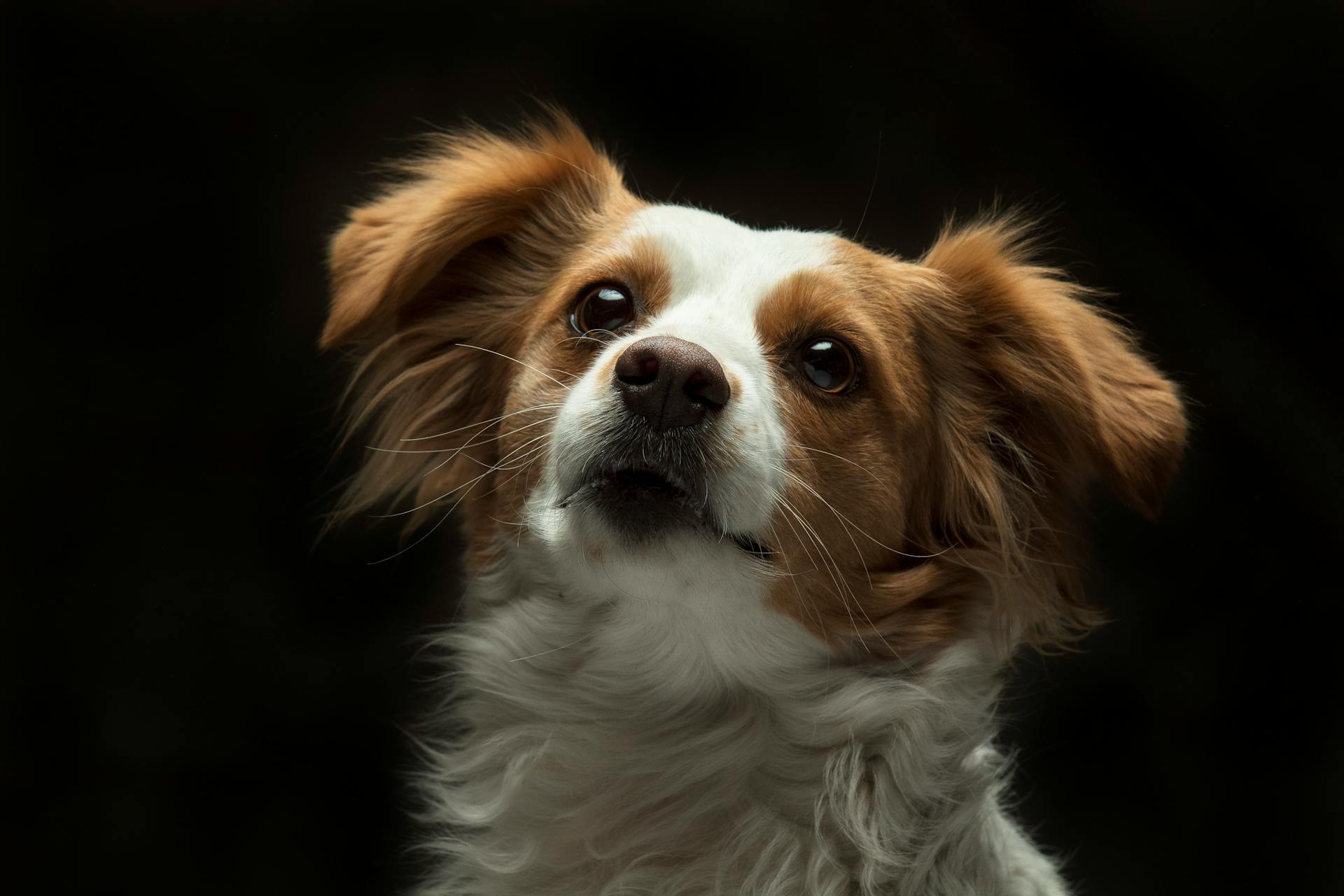
One of the key skills of a cynologist is their ability to understand canine body language and behavior. By recognizing subtle cues such as ear position and tail wagging, cynologists can tailor their training methods to meet the individual needs of each dog.
Additional reading: Dog Training Stop Biting
What is a Cynologist?
A cynologist is a professional who specializes in the study and behavior of dogs. They work with canines to understand their behavior, body language, and needs.
Cynologists often work in animal shelters, training facilities, and veterinary clinics to help dogs adjust to new environments and learn new skills. They may also be involved in dog training, behavior modification, and rehabilitation.
A cynologist's day can be unpredictable, with tasks ranging from observing dog behavior to developing training programs. They must be able to think on their feet and adapt to changing situations.
Cynologists typically have a strong foundation in animal behavior, psychology, and biology. They may also have experience working with dogs in various settings, such as obedience training, agility, or therapy work.
In addition to their technical skills, cynologists must also be able to communicate effectively with dog owners, trainers, and other professionals in the field. They must be able to explain complex concepts in a clear and concise manner.
Career and Education
As a cynologist, you can pursue a career in various institutions, such as military, police, animal care, zoos, and social work. Professional cynologists are welcome in these settings.
Some career paths, like working with police dogs, require a degree in Animal Science or Veterinary Medicine, but many others are available after completing special courses after graduating from high school.
Many cynologists choose to work on a freelance basis, and some are even self-employed.
Requirements
To become a cynologist, you need to have a strong love for dogs and be willing to spend a big part of your life working with them. This requires a deep passion that goes beyond just liking dogs - it's about dedicating yourself to their care and well-being.
A cynologist must have a strong character to be taken seriously by dogs, who have a natural instinct to follow a pack leader. This means being confident, assertive, and able to establish a clear hierarchy.
Having a good physical form is essential when working with large dogs, whether they're guard dogs or hunting dogs. This is because you'll need to be able to keep up with them and handle them safely.
Having your own dog or gaining experience by volunteering at a canine shelter can be a great way to develop your skills and gain hands-on experience. This can also give you a deeper understanding of dog behavior and psychology.
To be a successful cynologist, you need to understand the anatomy and physiology of dogs, as well as how to provide veterinary first aid in case of an emergency. This requires a solid knowledge of canine biology and a willingness to learn.
Career Options

Professional cynologists can be found working in a variety of institutions, including military, police, animal care, and zoos. Many of these roles require a degree in Animal Science or Veterinary Medicine.
Some career paths, like working with police dogs, require a degree, but many others are available after completing special courses after graduating from high school.
Career opportunities are similar in many countries, making it easier for cynologists to find work abroad.
Notable Cynologists
Meet the pioneers in the field of cynology, the study of dog behavior and psychology.
Cyrus J. B. F. von Breda, a renowned cynologist, is credited with establishing the first dog training school in Germany in 1888.
Heinrich Mengelkamp, a German cynologist, developed the "Mengelkamp system" of dog training, which focuses on positive reinforcement and clear communication.
Kurt Eysenck, a British psychologist, applied his knowledge of human psychology to the study of canine behavior, making significant contributions to the field of cynology.
Frequently Asked Questions
What is cynology the study of?
Cynology is the scientific study of dogs, focusing on their natural history and behavior. This field explores the biology, behavior, and welfare of canines.
What is the function of Cynology?
Cynology is the study of canine behavior, biology, and welfare, aiming to improve the lives of domestic dogs and their human companions. By understanding dogs better, cynologists can develop more effective training methods, improve animal welfare, and strengthen the bond between humans and dogs.
What is another name for a dog trainer?
A dog trainer is often referred to as a canine behavior specialist or a pet behaviorist. However, it's essential to note that not all individuals with these titles have the necessary qualifications or certifications.
Featured Images: pexels.com