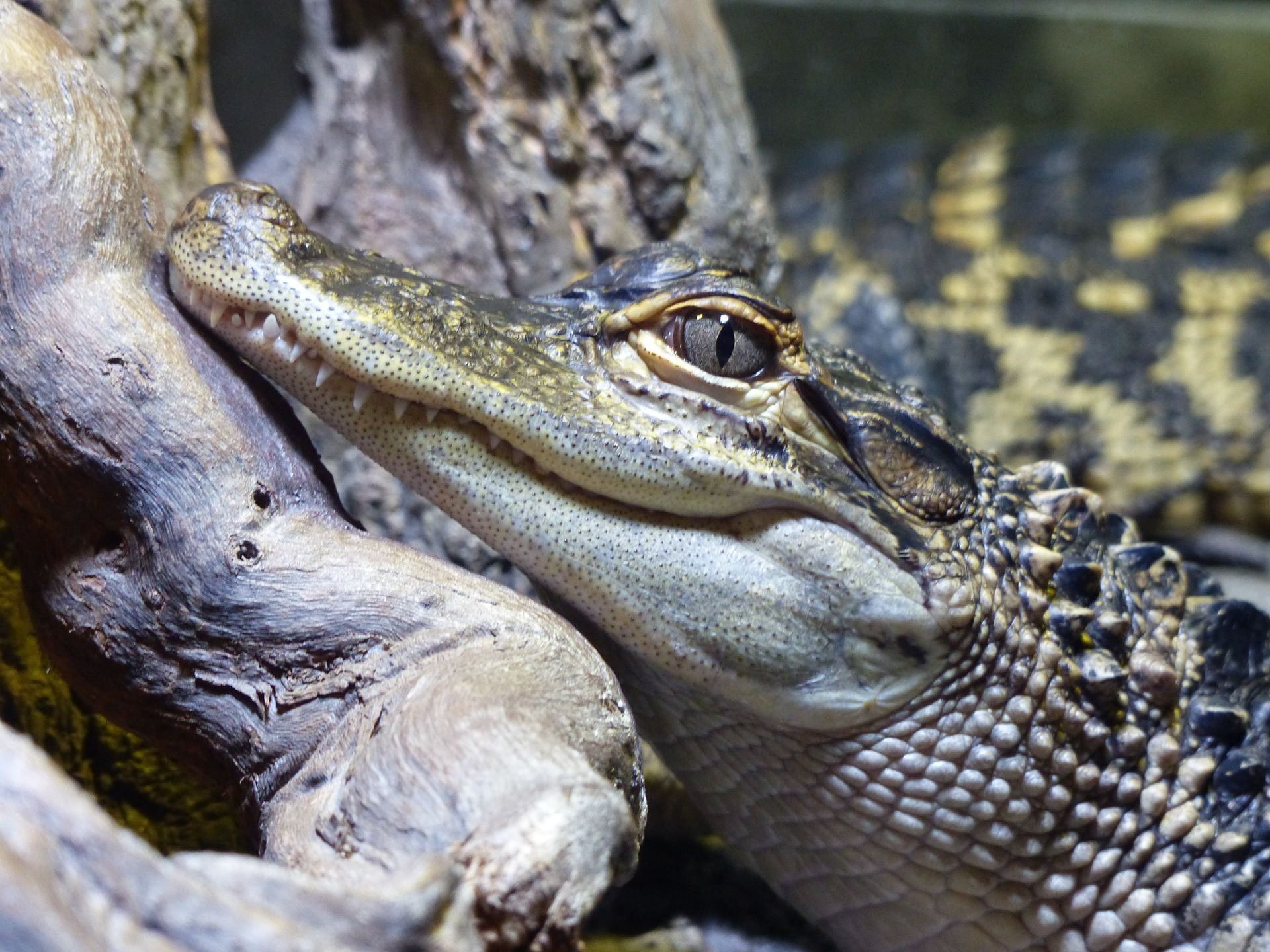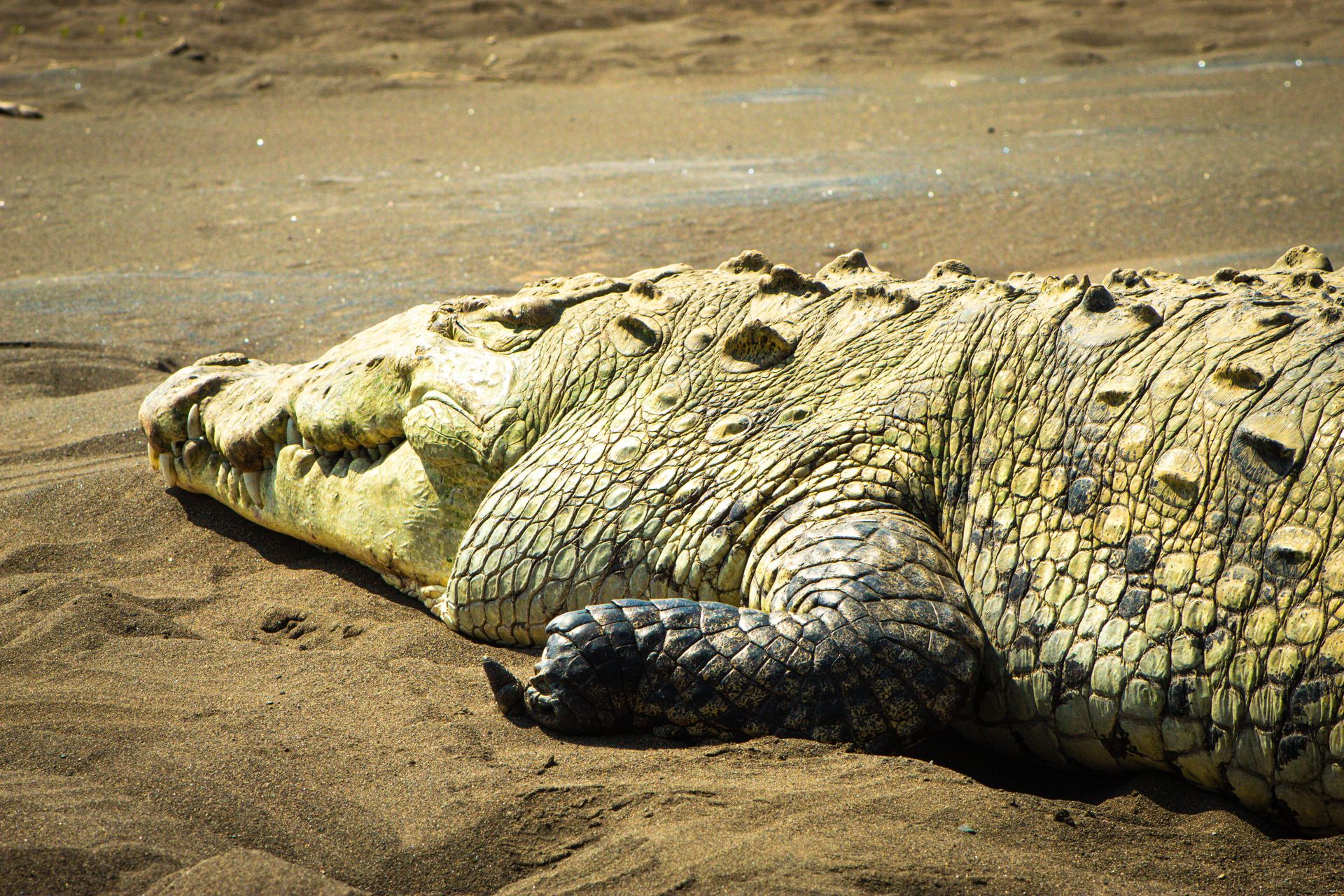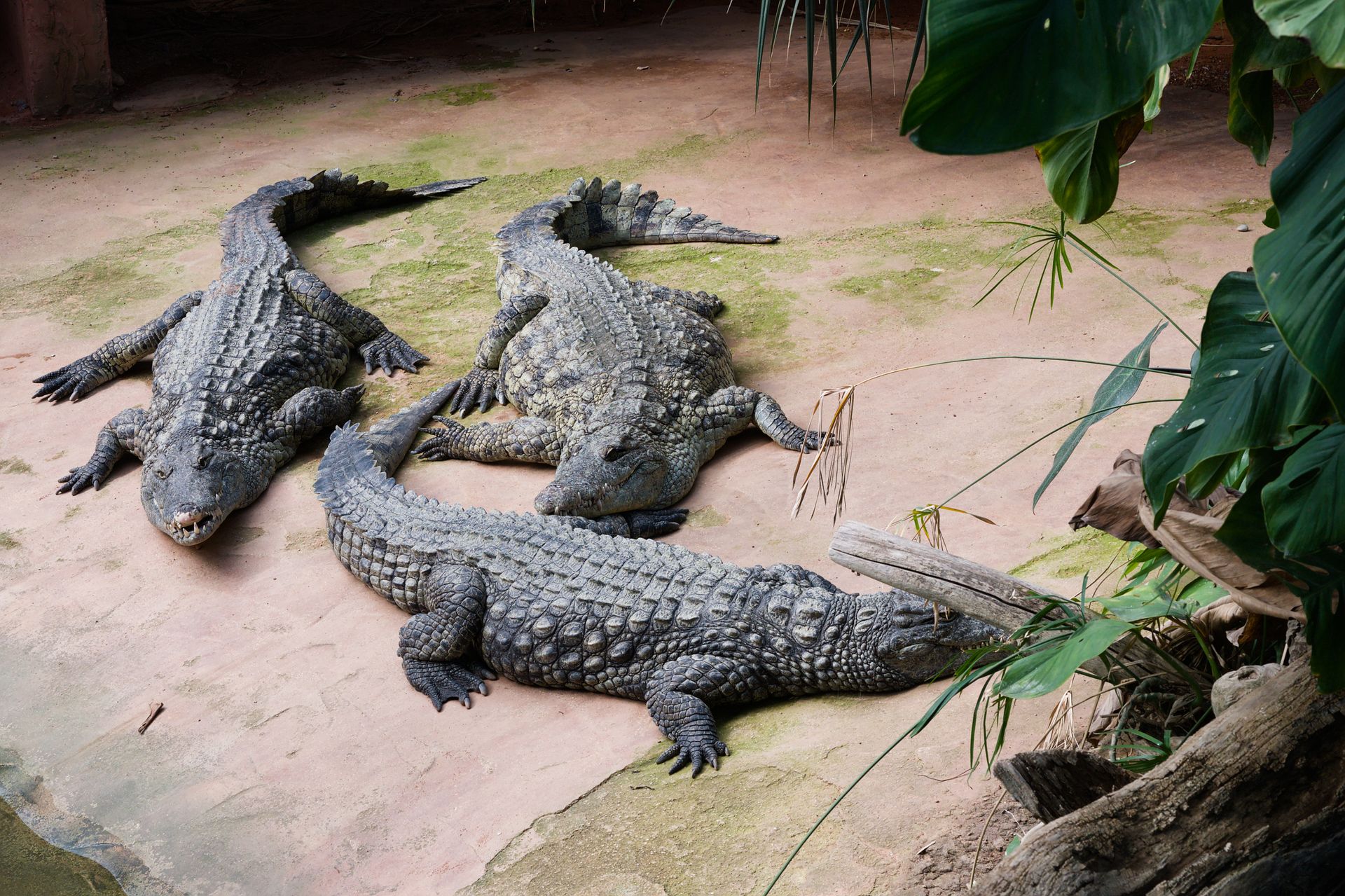
Crocodylus siamensis, also known as the Siamese crocodile, is a critically endangered species native to Southeast Asia.
The Siamese crocodile has a relatively small snout, which is a distinctive characteristic of this species.
It inhabits freshwater environments such as swamps, marshes, and slow-moving rivers, and can be found in a variety of habitats including flooded forests and mangrove swamps.
The Siamese crocodile is a carnivore and feeds on a variety of prey including fish, crustaceans, and small mammals.
Natural History
The Siamese crocodile is a remarkable creature, and understanding its natural history is essential to appreciating its beauty and importance.
Adult Siamese crocodiles can grow up to 4 meters (13.1 feet) long and weigh as much as 350 kg (772 pounds), with males being slightly larger than females.
The scales on the top and sides of their body are a distinctive olive or green color, while the underside is lighter-colored.
Their broad snout contains two flattened nostrils, which are less pronounced than in other crocodilians.
Here's a breakdown of the Siamese crocodile's classification:
- Kingdom: Animalia
- Class: Reptilia
- Order: Crocodilia
- Family: Crocodylidae
- Genus: Crocodylus
The Siamese crocodile's coloration and distinctive features, such as the crest of bone behind each eye, make it a unique and fascinating species.
Conservation Status
The Siamese crocodile is listed as Critically Endangered on the IUCN Red List of Threatened Species. This is a serious conservation status that indicates the species is at high risk of extinction in the wild.
Wild Siamese crocodile numbers have fallen by an estimated 80 percent since the middle of the 20th century due to unrestrained hunting and habitat loss. This decline is a significant concern for conservation efforts.
Loss of wetland habitat caused by the construction of hydroelectric dams and drowning due to ensnarement in fishing gear have also contributed to the population decline. These human activities have had a devastating impact on the species.
Remnant wild populations throughout the crocodile's range are small and widely separated from one another, making conservation efforts challenging. The largest breeding populations occur in Cambodia and Laos.
Captive Siamese crocodiles, however, number in the hundreds of thousands on crocodile farms in Southeast Asia. Most of these are hybridized individuals, which threaten the long-term genetic integrity of the species.
The total wild population is estimated to be less than 5000 individuals. This is a small and fragile population that requires urgent conservation attention.
Main threats include habitat destruction and hunting, which continue to impact the species.
Species Information
The Siamese crocodile is a freshwater crocodile native to parts of South-East Asia, and it's considered a rare species. It's also known under many different names, such as Buaja, Buaya kodok, Jara Kaenumchued, Singapore small-grain, and Soft-belly crocodile.
The Siamese crocodile is found in the same genus as the Saltwater crocodile, but it's a distinct species. It's a medium-sized crocodilian, with a relatively broad, smooth snout and an elevated, bony crest behind each eye.
The Siamese crocodile is olive-green in color, with some variation to dark-green. Young individuals measure 1.2 to 1.5 m (3 ft 11 in – 4 ft 11 in) and weigh 6 to 12 kg (13 to 26 lb).
Here are some key characteristics of the Siamese crocodile:
- Length: 2.1 to 3 m (6 ft 11 in – 9 ft 10 in) as an adult
- Weight: 40 to 120 kg (88 to 265 lb) as an adult
- Bite force: 2,073–4,577 N (466–1,029 lbf)
The scientific name Crocodylus siamensis means “Crocodile of Siam”, which is a reference to the former name of Thailand.
Distribution and Habitat
Siamese crocodiles can be found in a wide range of freshwater habitats. They inhabit slow-moving rivers and streams, lakes, seasonal oxbow lakes, marshes, and swamps.
Their habitat preferences include slow-moving waters, such as lakes, swamps, and sheltered parts of rivers and streams. They seem to thrive in these environments.
The Siamese crocodile is native to Southeast Asia, specifically in countries like Brunei, Burma/Myanmar, Cambodia, Indonesia, Laos, Malaysia, Thailand, and Vietnam.
Biology and Behaviour
The Siamese crocodile is a fascinating creature, and understanding its biology and behavior is crucial for conservation efforts.
Adult Siamese crocodiles primarily feed on fish, but they also eat snakes, amphibians, and small mammals.
Despite conservation concerns, very little is known about the natural history of this species in the wild.
Females build mound-nests constructed from scraped-up plant debris mixed with mud, which they use to lay their eggs.
In captivity, these crocodiles breed during the wet season (April to May), laying between 15 and 50 eggs, which are then guarded until they hatch.
After incubation, the female will assist her young as they break out of their eggs and then carry the hatchlings to the water in her jaws.
Pure, unhybridised examples of this species are generally unaggressive towards humans, and there are only four confirmed attacks, none of them fatal.
One attack was defending its young, another was probably defending itself, one was provoked, and the reason for the last is unclear.
Taxonomy and Classification
The Siamese crocodile's taxonomy is quite fascinating. It belongs to the kingdom Animalia and phylum Chordata, which makes sense given its reptilian nature.
In terms of its classification, the Siamese crocodile is part of the order Crocodilia, which is a group of large reptiles that also includes crocodiles and alligators. This is where things get interesting.
The Siamese crocodile's family is Crocodylidae, and its genus is Crocodylus. This genus includes several species of crocodiles, including the Saltwater crocodile and the Siamese crocodile itself.
Here's a breakdown of the Siamese crocodile's classification:
- Kingdom: Animalia
- Phylum: Chordata
- Class: Reptilia
- Order: Crocodilia
- Family: Crocodylidae
- Genus: Crocodylus
- Species: Crocodylus siamensis
It's worth noting that the Siamese crocodile can hybridize with the Saltwater crocodile, which is also part of the same genus. This hybridization can result in larger offspring, which is why some farms are interested in breeding these hybrids.
Featured Images: pexels.com