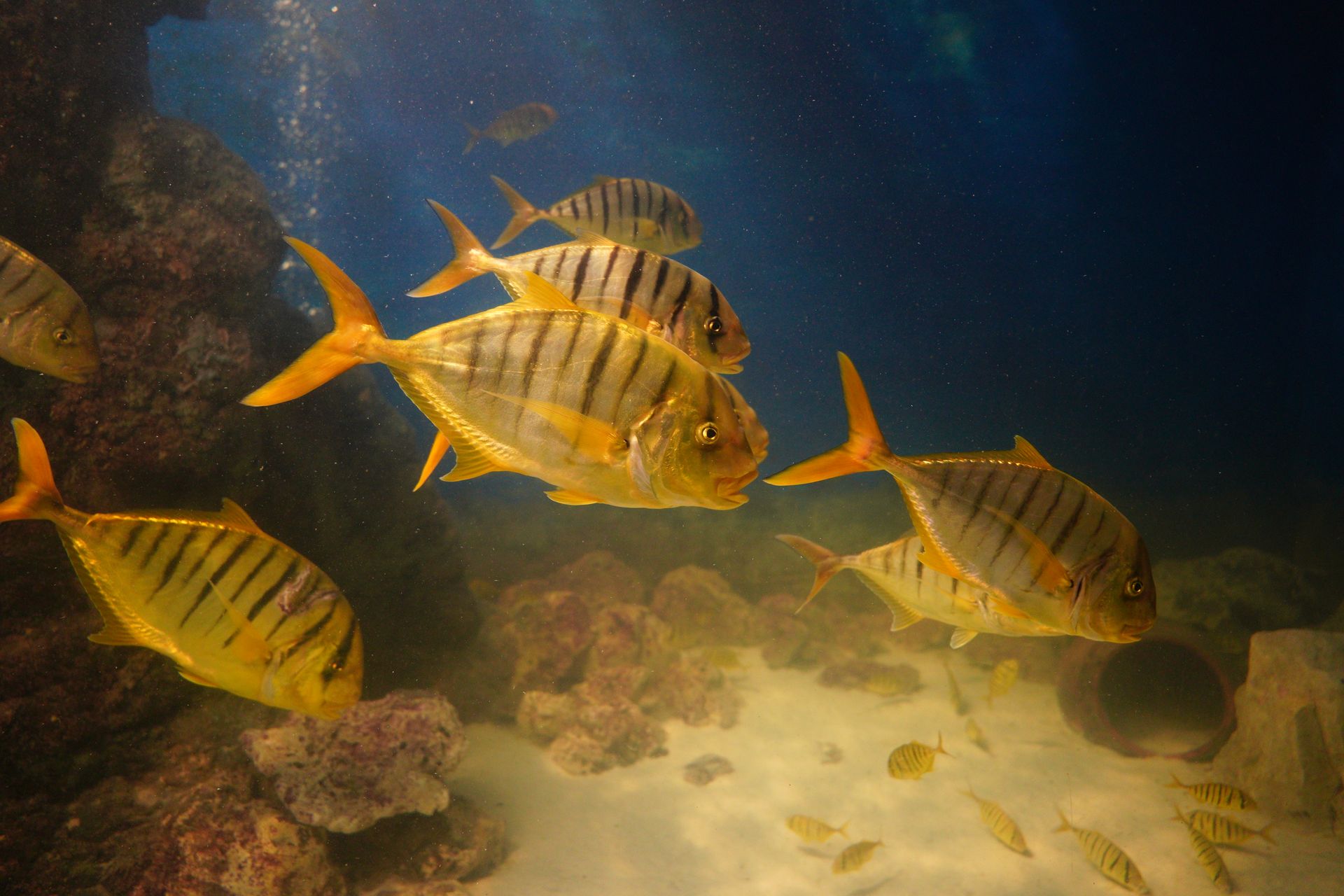
Copadichromis are a type of cichlid that can thrive in a well-maintained aquarium.
They require a lot of swimming space, so a tank with a minimum capacity of 55 gallons is recommended.
A sandy or rocky substrate with plenty of hiding places is ideal for these fish.
In the wild, they inhabit areas with slow-moving water and plenty of vegetation.
To replicate this environment, you can add plants like Vallisneria and Anubias to your tank.
Regular water changes and a balanced diet will help keep your Copadichromis healthy and happy.
They are generally peaceful, but can be territorial, especially during breeding season.
In fact, breeding Copadichromis requires a separate tank with a temperature range of 78-82°F and pH between 7.8-8.2.
Habitat and Environment
Copadichromis azureus are found in the rocky shores and reefs of Lake Malawi, where they shoal in large numbers alongside other species.
The ideal aquarium environment for these cichlids is vast, with a minimum of 80 US gallons providing the space they need to thrive. This is especially important for males, who establish territories.
To replicate the alkaline waters of Lake Malawi, maintain water temperatures between 73°F to 82°F and a pH level of 7.5 to 8.5, with a water hardness of 10 to 25°H.
Origin
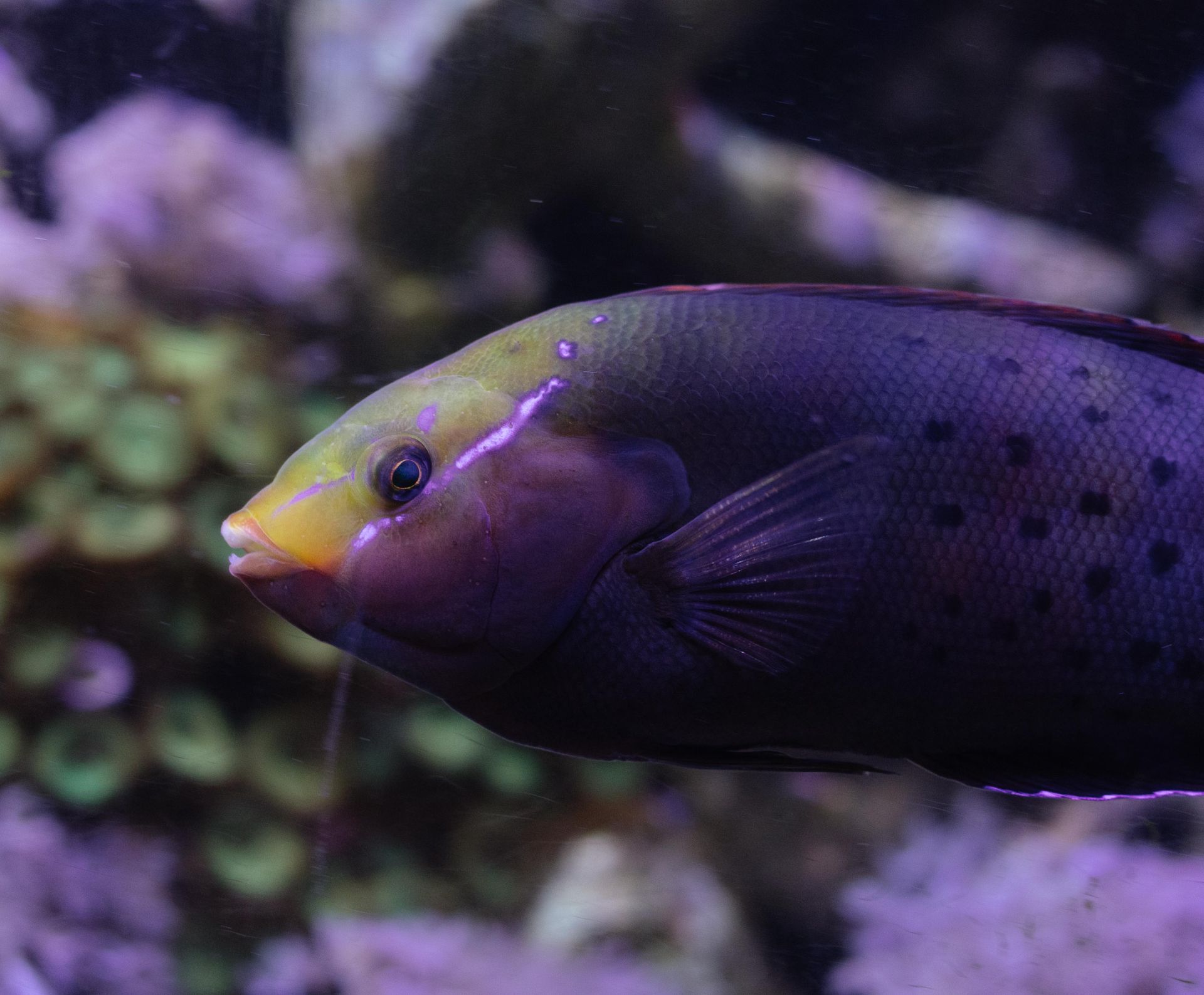
The azureus cichlid originates from the rocky and sandy habitats of Lake Malawi in Africa.
Lake Malawi is renowned for its diverse cichlid population, and the azureus is a striking example of this uniqueness.
To keep azureus cichlids healthy, it's essential to replicate the specific water conditions found in Lake Malawi.
Take a look at this: Electric Blue Jack Dempsey Cichlid Care
Lake Malawi's Ecosystem Diversity
Lake Malawi's ecosystem is a marvel of diversity, with a staggering array of species calling it home.
Copadichromis azureus, a striking cichlid, is native to the lake's rocky and sandy habitats, where it shoals in the open water in large numbers, often alongside other species.
The lake's alkaline waters, with a pH level of 7.5 to 8.5 and a hardness of 10 to 25°H, provide the perfect environment for these cichlids to thrive.
A sandy substrate is crucial for Copadichromis azureus, as males build spawning nests on it, and incorporating limestone rocks and rock piles helps maintain the pH level and provides hiding spots.
Lake Malawi's diverse ecosystem is characterized by rocky shores and reefs, where the cichlids can be found at depths of 20-30 metres.
Recreating a slice of Mbenji Island in a home aquarium requires careful planning and attention to detail, including a spacious aquarium with sandy substrates and rocky outcrops.
The concerted efforts in conservation highlight the critical importance of protecting these aquatic treasures, ensuring Mbenji Island and Lake Malawi continue to inspire and educate on the delicate dynamics that sustain such a rich community of species.
By understanding and replicating the specific water conditions found in Lake Malawi, aquarium enthusiasts can contribute positively to the conservation of these magnificent species and create a thriving aquatic environment.
Behavior and Compatibility
Copadichromis are relatively peaceful cichlids, making them suitable for a community setup with other non-aggressive cichlids.
They do well with other species from Lake Malawi, such as Aulonocara, and less aggressive mbuna. However, they shouldn't be kept with highly aggressive or territorial cichlids, as this can lead to stress and potential injury.
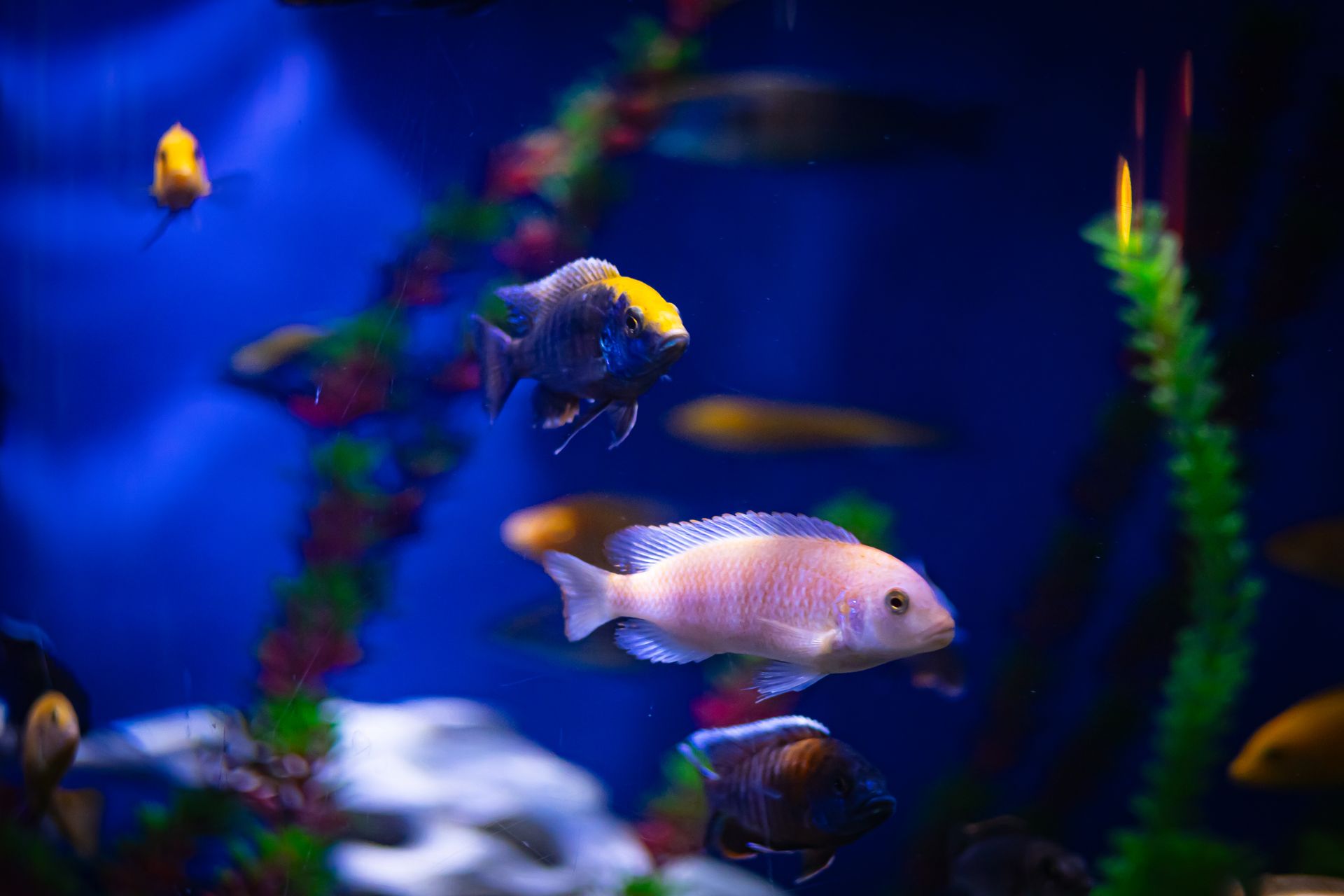
Keeping them in a group of at least 4 males with several females helps distribute any territorial aggression and promotes natural schooling behavior.
It's best to keep a single male alongside a group of 3 or more females, so that no particular female is singled out for excessive male attention. This setup helps to reduce aggression and promotes a healthy environment.
Aulonocara species and peaceful Haps, such as Cyrtocara moorii, make great tankmates for Copadichromis.
Care and Maintenance
To keep your Copadichromis azureus happy and healthy, it's essential to provide them with a spacious aquarium, mimicking the vastness of Lake Malawi. A minimum of 80 US gallons (303.75 liters) is recommended.
Maintaining optimal water conditions is crucial. This means keeping the water temperature between 73°F to 82°F (23°C to 28°C) and a pH level of 7.5 to 8.5.
A sandy substrate is a must, as males will use it to build spawning nests. Incorporating limestone rocks and rock piles will not only aid in pH maintenance but also provide hiding spots.
Regular water changes are a must to maintain water quality. A 10 to 25°H water hardness is also essential, replicating the mineral-rich conditions of Lake Malawi.
Breeding and Conservation
Breeding Copadichromis species can be a fascinating process, especially when observed in their natural habitat. The Copadichromis chrysonotus is unique in that it mates in open water, releasing eggs into the female's mouth for fertilization.
This species' reproductive behavior is crucial for conservation efforts, as understanding their life cycles and habitats helps scientists and conservationists protect Lake Malawi's delicate ecosystems.
To ensure the ongoing survival of Copadichromis species, it's essential to adopt sustainable fishing and aquarium practices, as their classification as "Least Concern" by the IUCN underscores their resilience against environmental challenges.
Here are some key facts about Copadichromis species and their conservation status:
- Copadichromis azureus is classified as "Least Concern" by the IUCN.
- Research into the Copadichromis genus plays a pivotal role in conservation initiatives aimed at preserving Lake Malawi's ecosystems.
- The ongoing study and preservation efforts for Copadichromis species are crucial for maintaining the ecological balance of Lake Malawi.
Breeding Chrysonotus
Breeding Chrysonotus is a unique experience. The Utaka species, specifically Copadichromis chrysonotus, does not reproduce on the substrate like some other species.
Unlike other Utakas, Copadichromis chrysonotus mates in open water, where the mating ritual looks similar to mating on the sand or rocks.
The eggs are released into the open water and immediately taken into the mouth of the female. This is a key difference in breeding behavior compared to other species.
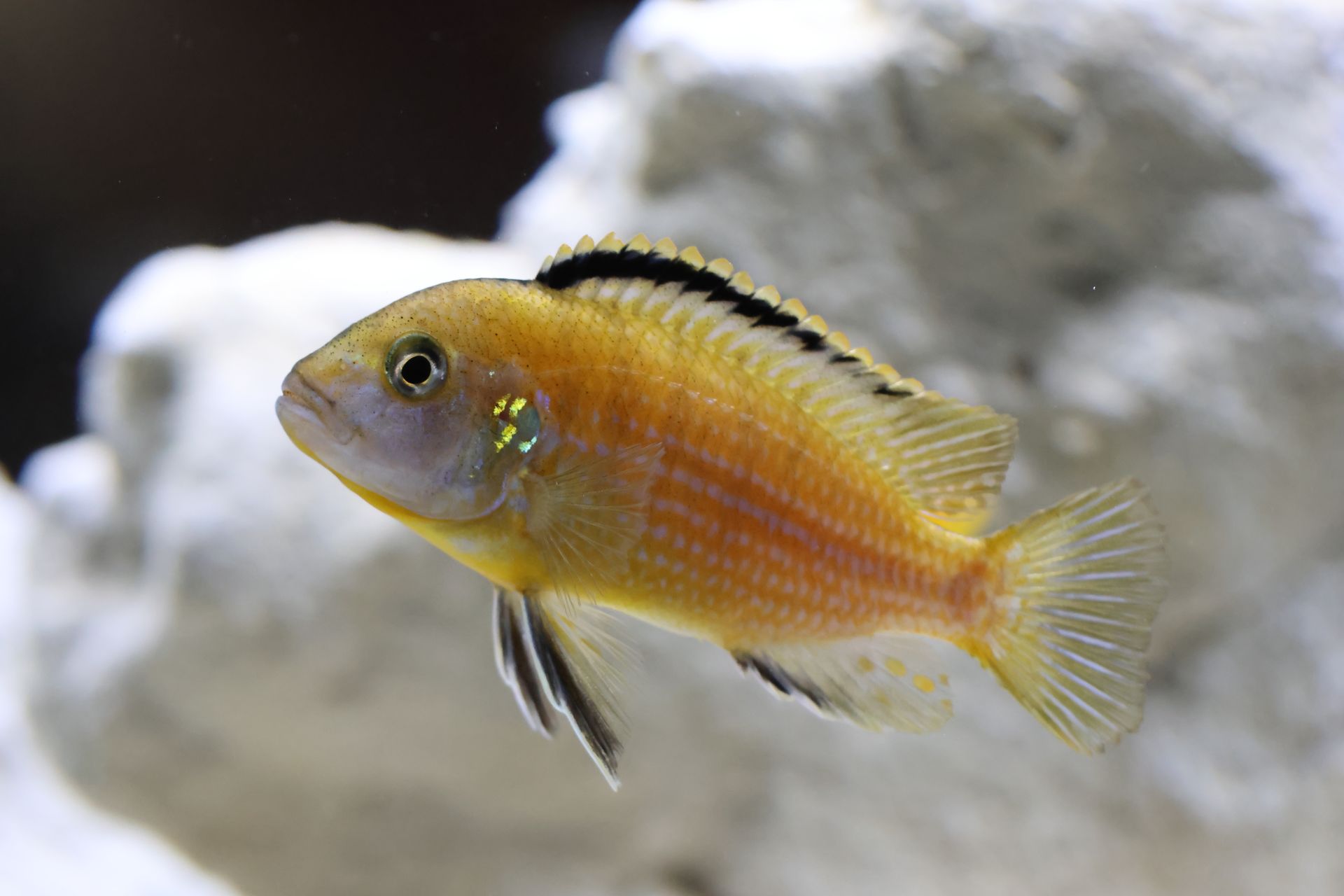
The male fertilizes the eggs only after the female has them in her mouth, which is an interesting aspect of their reproductive process.
Here's a brief comparison of some Malawi Cichlids' breeding habits:
- Copadichromis chrysonotus - mates in open water and releases eggs into the water column
- Lethrinops auritus - likely has similar breeding habits as other Utakas, but this is not explicitly stated
- Abactochromis labrosus - no specific breeding habits mentioned in the article section
- Copadichromis atripinnis - no specific breeding habits mentioned in the article section
Taxonomy and Conservation
The Copadichromis azureus is a remarkable species within the Cichlidae family and Haplochromini tribe, embodying the evolutionary depth of African cichlids. Its classification as “Least Concern” by the IUCN marks its resilience against environmental challenges.
This designation underscores the critical need for sustainable fishing and aquarium practices to ensure its ongoing survival. The Copadichromis genus plays a pivotal role in conservation initiatives aimed at preserving Lake Malawi’s delicate ecosystems.
Research into the Copadichromis genus goes beyond mere academic curiosity, and by understanding the life cycles, habitats, and interactions of these cichlids, scientists and conservationists work to protect the lake from the threats of environmental change and human activities.
The species was described in 1960 by Thomas Derrick Iles as Haplochromis borleyi, and was later moved to Copadichromis by David Eccles and Ethylwynn Trewavas. The specific name honours H. John H. Borley who was Director of the Game Fish & Tsetse Control Department of Nyasaland.
Here are some key facts about the Copadichromis azureus:
- IUCN Red List least concern species
- Part of the Copadichromis genus
- Fish of Lake Malawi
- Fish described in 1960
- Taxa named by Thomas Derrick Iles
Azure Cichlid Specifics
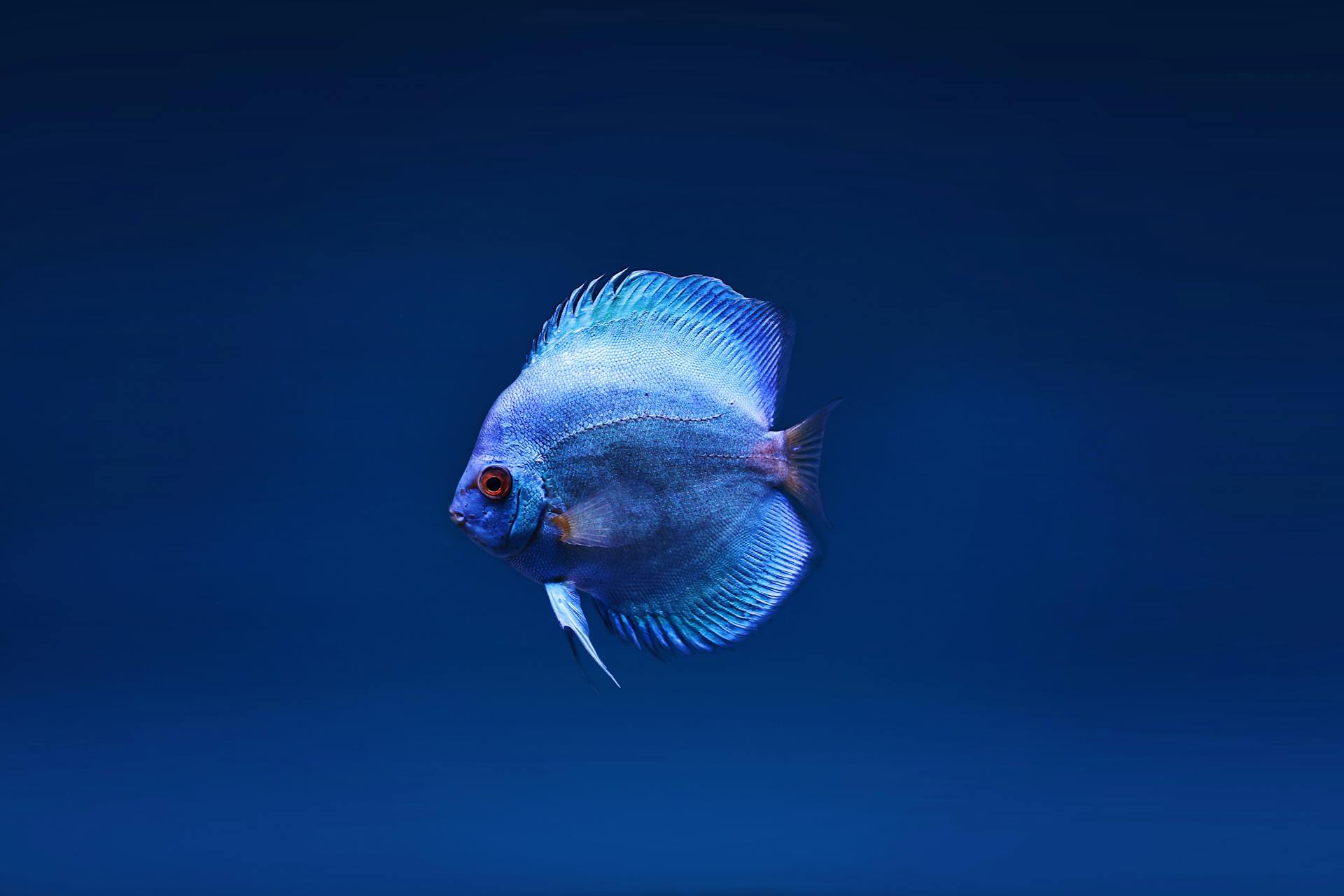
The Azure Cichlid is a sight to behold, especially during breeding season. Males construct intricate sand bowers as spawning nests to attract females.
Their diet consists mainly of zooplankton, showcasing their adaptation to Lake Malawi's unique ecosystem. This highlights their ability to thrive in their natural habitat.
Sexual Dimorphism
Sexual Dimorphism is a fascinating aspect of the Azure Cichlid's biology. Males are larger than females.
One of the most striking differences between males and females is their coloration. Males are far more colourful than females.
In terms of physical appearance, males have longer fins than females. This is a key characteristic to look out for when trying to determine the sex of an Azure Cichlid.
Readers also liked: Electric Yellow Cichlid
Azure Cichlid Dance
The Azure Cichlid Dance is a truly mesmerizing sight to behold. Males construct intricate sand bowers as spawning nests to allure females.
These elaborate structures are a testament to the beauty and intricate social structure of the Azure Cichlid. They're a key part of the species' mating ritual.
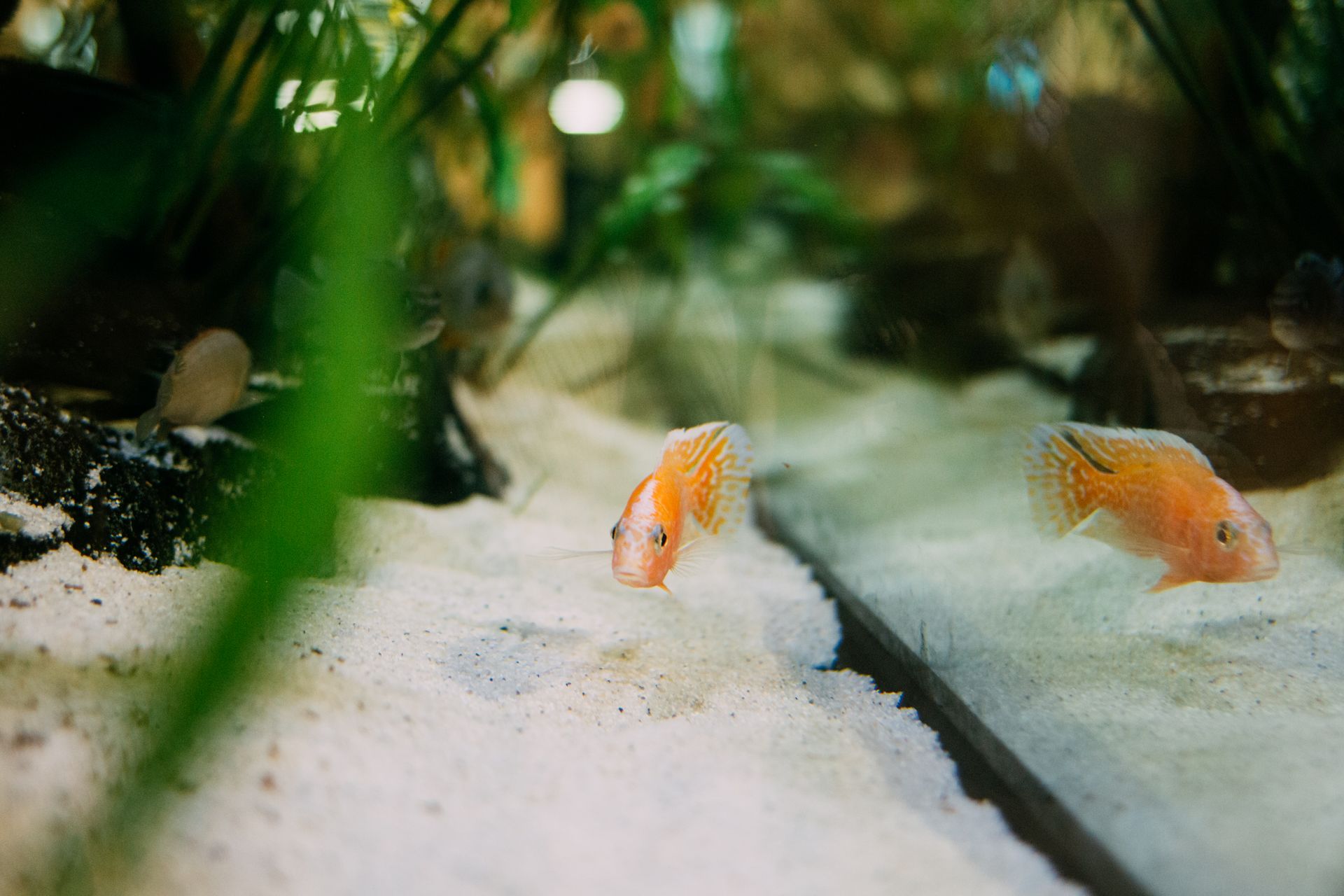
During their breeding season, the males' courtship behaviors are on full display. They're a sight to see, and a reminder of the species' unique characteristics.
The Azure Cichlid's diet consists mainly of zooplankton, which reflects the biodiversity of Lake Malawi. This is just one example of how the species has adapted to its environment.
Maternal mouthbrooding is another fascinating aspect of the Azure Cichlid's behavior. Females safeguard their offspring within their mouths, illustrating their sophisticated survival strategies.
Frequently Asked Questions
How big are copadichromis borleyi?
Copadichromis borleyi typically grows to 13-16 centimeters in length, with males reaching the upper end of this range. Males are slightly larger than females.
Featured Images: pexels.com