Circus mistreatment of animals is a serious issue that requires immediate attention. The use of wild animals in circuses is a common practice, but it's not as innocent as it seems.
Many animals, including elephants, tigers, and bears, are subjected to cruel training methods that involve physical punishment and deprivation of basic needs. For example, some trainers use bullhooks and electric prods to control their behavior.
The consequences of these practices are devastating. Many animals suffer from physical and emotional trauma, leading to stress, anxiety, and even death. In fact, a study found that up to 90% of elephants in circuses exhibit abnormal behavior, such as pacing and self-mutilation.
We can make a difference by supporting organizations that work to end animal exploitation in circuses. By choosing to attend animal-friendly shows or supporting sanctuaries that rescue former circus animals, we can help create a world where animals are treated with the respect and kindness they deserve.
Circus Mistreatment of Animals
Animals in circuses are forced into lives far different from the ones nature intended, causing them tremendous amounts of stress.
The conditions of animals' lives in circuses stifle their natural instincts and cause extreme stress, leading to aggression and stress caused by unnatural confinement.
Some animals are literally driven mad and rebel in rampages that injure and kill people.
Elephants in the circus may carry tuberculosis (TB) and, because the circus brings these animals into unnatural proximity to humans, humans could become infected.
The use of bullhooks and electric prods is not prohibited by the Animal Welfare Act, which governs the welfare of animals in circuses in the U.S.
At least seventeen towns in the U.S. have banned animals in circuses.
In 2009, Bolivia became the first country in the world to ban all animals in circuses, followed by China and Greece in 2011 and 2012, respectively.
The German Animal Welfare Federation has been campaigning for many years to ban the keeping of wild animals in circuses, including monkeys, elephants, bears, and big cats.
A unique perspective: Ban Shock Collars
Public Safety and Risks
Animals in circuses pose a significant threat to public safety and health. This is largely due to the unnatural confinement and stress caused by the harsh realities of captivity.
Aggression and stress are common problems in circuses, leading to wild animals being driven mad and rebelling in rampages that injure and kill people. It's a tragic consequence of forcing animals into lives far different from the ones nature intended.
Animals often escape from their enclosures in circuses, seeking freedom and space. This can put human lives at risk, as wild animals brought into unnatural proximity to human communities can pose a potential danger.
Circus animals can also carry diseases, such as tuberculosis, which can be transmitted to humans. In fact, public records show that many circuses have a history of tuberculosis in their elephants.
Terrible accidents happen time and again during circus shows, with animals fighting back against trainers or falling into the audience. Almost 500 incidents involving almost 900 circus animals were documented across the EU between 1995 and 2019.
If this caught your attention, see: Are Dogs Wild Animals
The circus industry's lack of regulation and oversight contributes to these accidents and outbreaks. For example, in October 2019, a zebra escaped and was then shot by the police, a drastic and unnecessary step.
Circus animals are also subject to harsh conditions, with many not even reaching the age of 30. In contrast, African elephants can live for up to 60 years in their natural habitat.
Lack of Regulation and Education
Laws governing animal welfare in circuses are woefully inadequate. The federal Animal Welfare Act, adopted in 1969, sets minimal standards for animal care, but they don't go far enough to protect exhibited animals from mistreatment and neglect.
The Animal Welfare Act focuses on providing basic necessities like housing, handling, and veterinary care, but it doesn't address more pressing issues like improper handling and training. As a result, many circuses operate with little oversight and accountability.
The U.S. Department of Agriculture's Animal and Plant Health Inspection Service (APHIS) is responsible for enforcing the law, but with only 112 inspectors monitoring over 8,272 facilities, most circuses are subject to infrequent inspections. This lack of enforcement allows circuses to get away with subpar treatment of their animals.
Cruelty and Neglect
Animals in circuses are often subjected to brutal treatment, including being beaten, shocked, and kicked to train them for performances. This abuse starts early, with baby elephants being chained or tied for up to 23 hours a day.
Elephants are not the only victims, as lions and tigers also suffer at the hands of their trainers, being beaten, starved, and confined for long periods of time. This mistreatment can lead to tragic cases where the animals rampaged and/or killed their tormentors.
The confinement of animals in circuses is also a major concern, with dancing bears spending up to 90% of their time shut in their cages, only being let out for a short time each day.
Cruelty
Animals in circuses are forced to perform frightening, unnatural, and even painful tricks, night after night. Circus representatives often claim that only "positive reinforcement" is used in handling animals, but it's standard industry practice to use bullhooks to dominate and control them through fear, pain, and injury.
The abuse begins when baby elephants are chained or tied for up to 23 hours a day, beaten, and shocked with electric prods. It can take up to six months for them to learn that struggling is futile.
Elephants are not the only victims of abuse in circuses. Lions and tigers are also beaten, starved, and confined for long periods of time to get them to cooperate with their trainers.
Depriving wild animals of their freedom to roam, interact naturally with members of their species, and engage in other instinctual behaviors is inherently cruel. In the wild, elephants live in large, sociable herds and walk up to 30 miles every day.
Animals in circuses are forced into lives far different from the ones nature intended. The conflict between their instincts and the harsh realities of captivity causes wild animals tremendous amounts of stress.
The conditions of animals' lives in circuses stifle their natural instincts and cause extreme stress. There have been numerous instances of animals, seeking freedom and space, escaping their enclosures in circuses and freely roaming outside of the property where they are performing.
Elephants in the circus may carry tuberculosis (TB) and, because the circus brings these animals into unnatural proximity to humans, humans could become infected.
Here's an interesting read: Dogs Walking on Two Legs Abuse
Empty
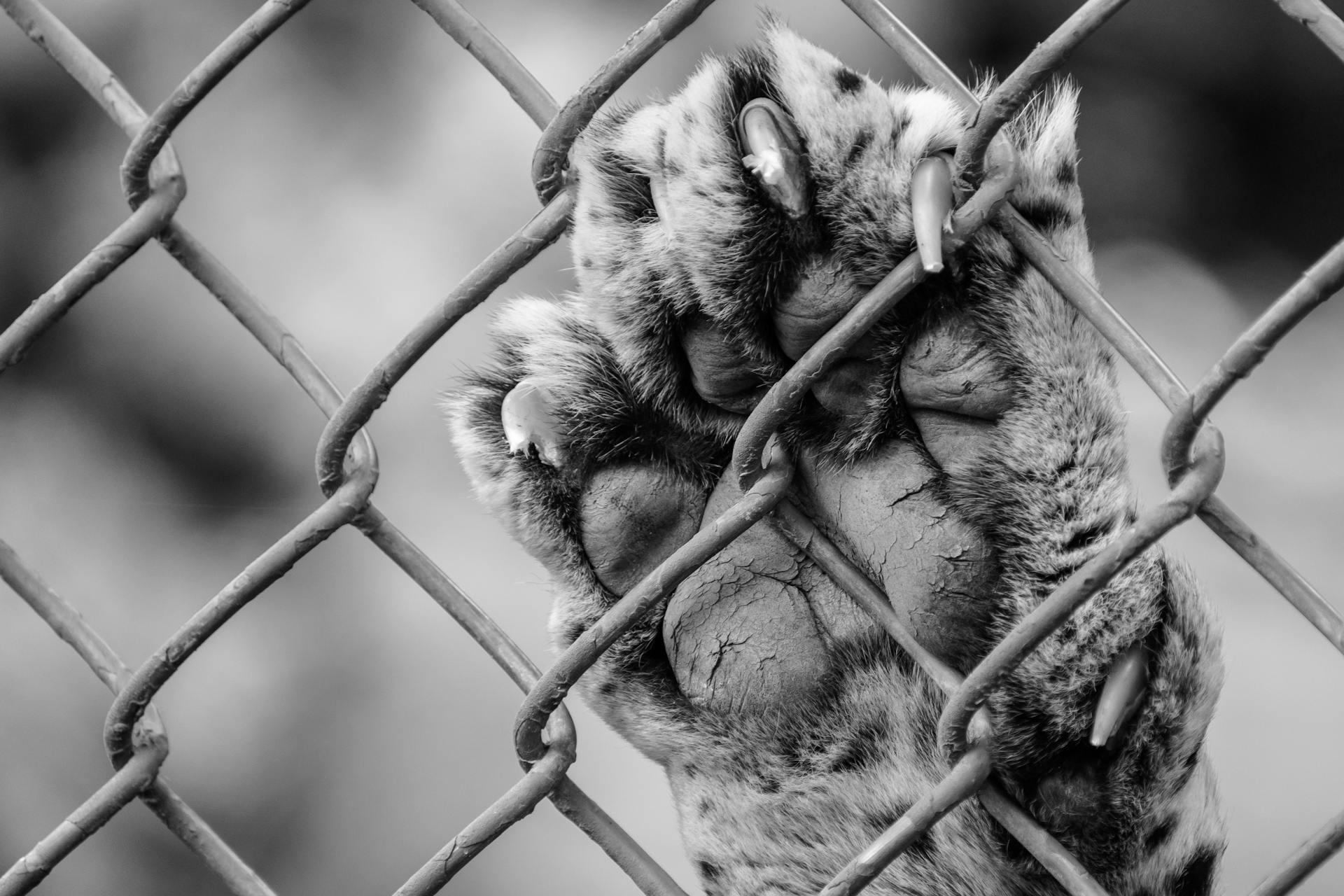
Circuses and animal rights are a contentious issue, with some arguing that animals have a right to be free of human use and exploitation. Animal rights are not about bigger cages or more humane training methods, but about not using or exploiting animals for entertainment.
The use of animals in circuses is a major concern for many, especially when it comes to elephants, which are considered highly intelligent and are often subjected to cruel training methods. The animal welfare position is that humans have a right to use animals, but cannot harm them gratuitously and must treat them "humanely."
Some animal welfare advocates would support keeping animals in circuses as long as training methods are not too cruel, but even then, it's a grey area. In 2016, California banned the use of bullhooks, a sharp tool that is used as punishment in training elephants.
The debate around animal rights and welfare highlights the complexity of the issue, and there's no easy solution. Animal rights advocates argue that all sentient beings deserve to be free, regardless of their perceived intelligence or size.
Here's an interesting read: Is Dog Sledding Cruel
Circus and the Law
The laws surrounding circus animals are a complex and often inadequate system. In 2009, Bolivia became the first country to ban all animals in circuses.
Some countries have made progress in banning circus animals, but it's a patchwork system at best. China and Greece followed Bolivia's lead in 2011 and 2012, respectively.
The UK has banned the use of "wild" animals in circuses, but domesticated animals are still fair game. This means that animals like horses and dogs are still being used in circus performances.
In the US, the federal government has yet to pass the Traveling Exotic Animal Protection Act, which would ban the use of nonhuman primates, elephants, lions, tigers, and other species in circuses. Despite this, at least seventeen towns have taken matters into their own hands and banned circus animals altogether.
The Animal Welfare Act in the US offers only the bare minimum of protection for circus animals. It doesn't even prohibit the use of bullhooks or electric prods.
The Solution
Going vegan is a great way to help end animal mistreatment in circuses. By choosing plant-based options, you're reducing the demand for animal products and promoting a more compassionate lifestyle.
Cirque du Soleil and Cirque Dreams are two great alternatives to traditional circuses that feature animal acts. These animal-free circuses offer thrilling performances without the harm to animals.
Boycotting circuses with animals is another effective way to bring about change. By not supporting these circuses, you're sending a message that animal mistreatment won't be tolerated.
Some people may argue that banning bullhooks will only drive the practice underground. However, it's essential to continue advocating for animal welfare and pushing for more humane treatment.
Here are some ways to make a difference:
- Support animal-free circuses like Cirque du Soleil and Cirque Dreams
- Go vegan or reduce your consumption of animal products
- Boycott circuses that feature animal acts
- Advocate for stricter animal welfare laws and regulations
Featured Images: pexels.com