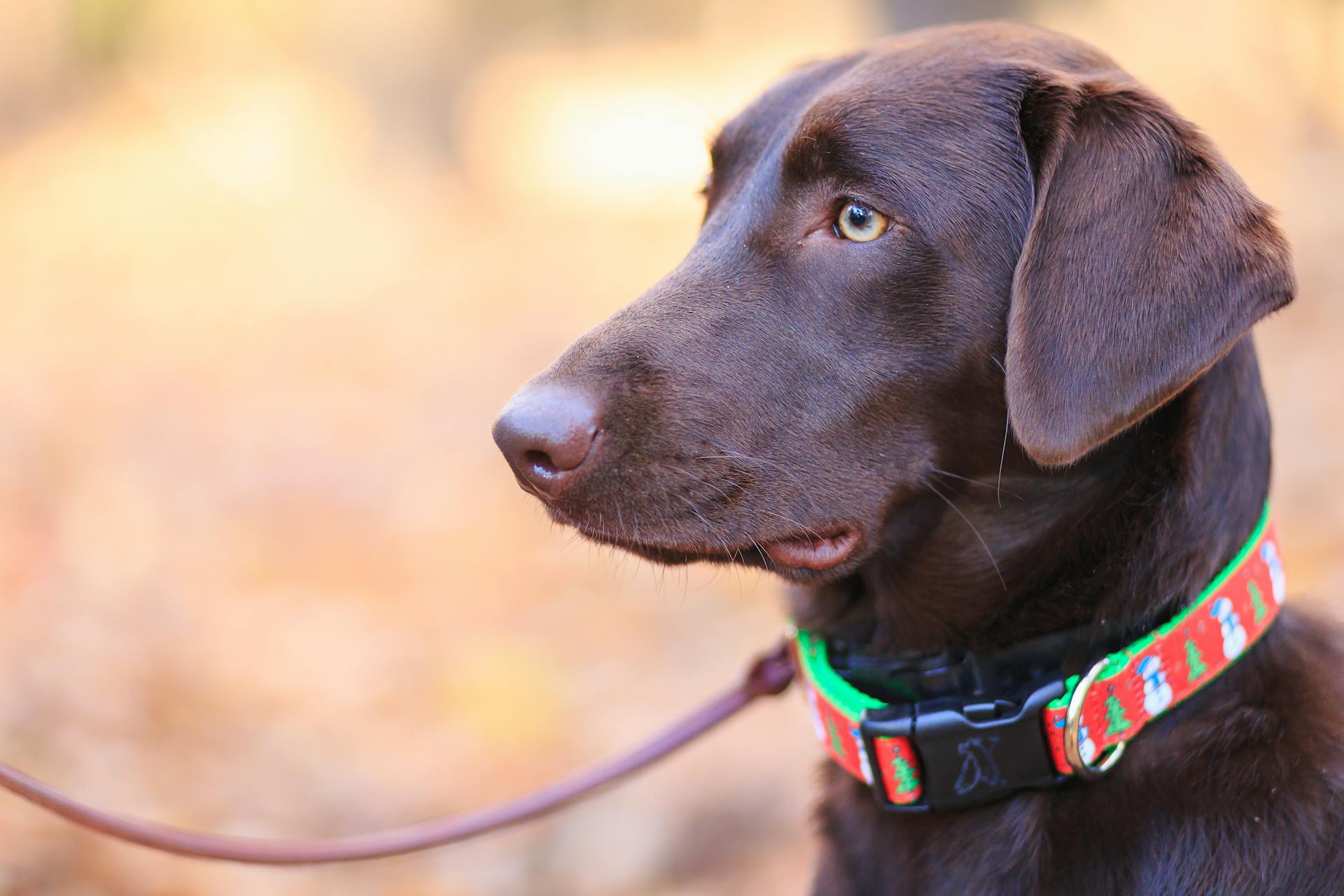
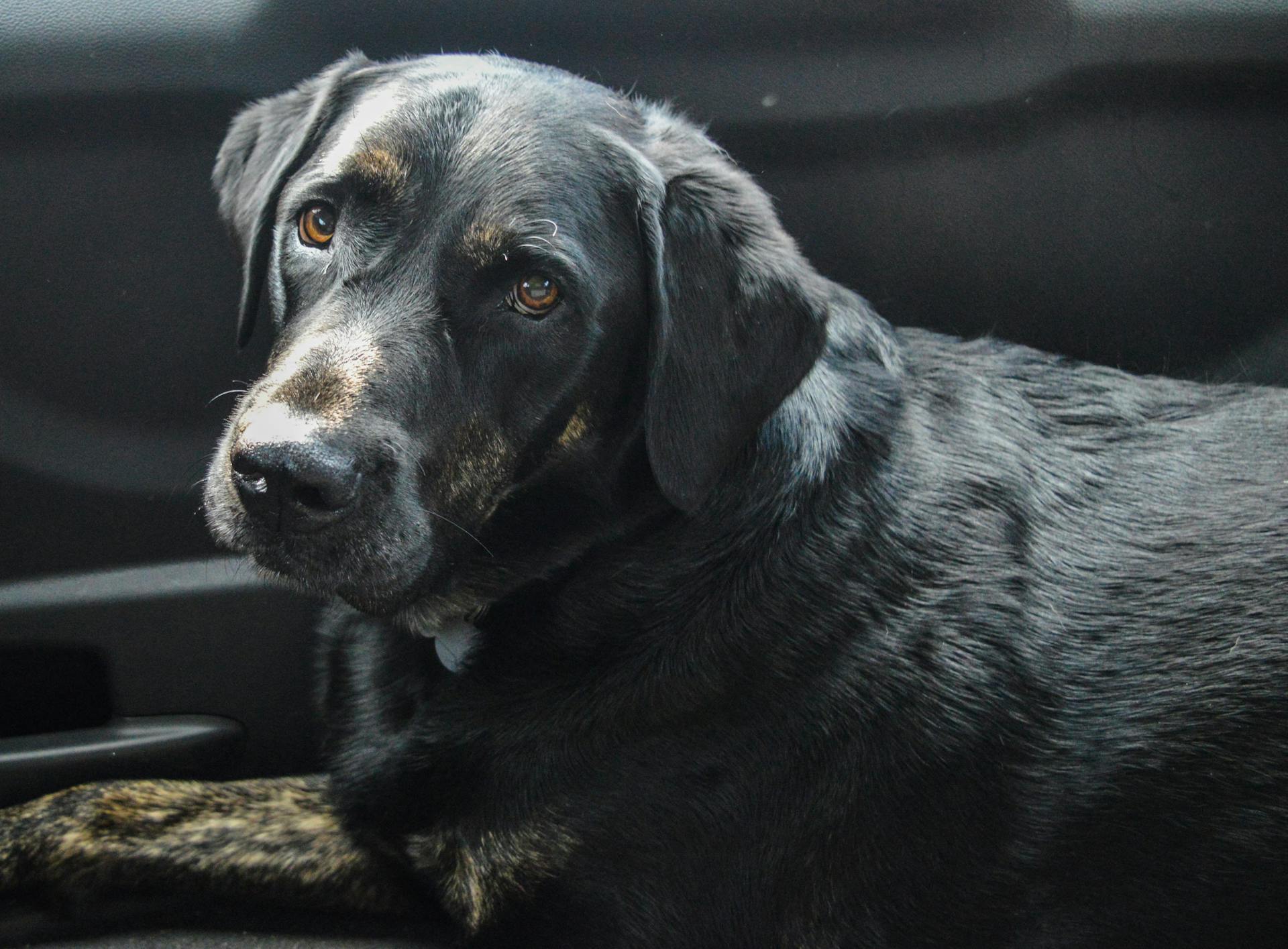
The Chocolate Lab Ridgeback Mix is a unique and intriguing breed, resulting from the cross between a Labrador Retriever and a Rhodesian Ridgeback. They can grow up to 24-27 inches tall at the shoulder.
Their short coats require minimal grooming, making them a great choice for busy owners.
Their average weight ranges from 60-90 pounds.
Care and Maintenance
The chocolate lab ridgeback mix is a moderate shedder, requiring owners to brush its fur at least twice a week to prevent excessive shedding.
This regular grooming routine will help keep your dog's coat looking its best and prevent hair from getting everywhere in the house. The hybrid dog may inherit the Labrador's double coat, which can lead to more frequent cleaning.
You'll want to check your dog's ears regularly, as they can be prone to wax and dirt buildup due to their floppy nature. This can lead to infections if not addressed promptly.
To keep your dog's ears clean, use an ear cleanser specifically designed for dogs, and avoid using household cleaners or other substances that can harm them.
A bristle brush is a great tool for removing loose hair from your dog's coat, and it's gentle enough for daily use. This will help keep your dog's coat looking healthy and shiny.
Don't forget to trim your dog's nails regularly, as overgrowth can be painful and even lead to infections. If you're not comfortable trimming your dog's nails yourself, consider taking them to a professional groomer.
A dental spray can be a great alternative to brushing your dog's teeth, especially if they're not cooperative. Simply add the spray to their water bowl or spray it directly into their mouth to help keep their teeth clean and healthy.
Regular vacuuming can help keep your home clean and reduce the amount of dog hair that accumulates. It's also a good idea to use a vacuum cleaner with a gentle suction setting to avoid irritating your dog's skin.
Health and Wellness
The chocolate lab ridgeback mix is a unique and lovable breed, but like all dogs, it's prone to certain health issues. Hip Dysplasia is a common problem among large breed dogs like the chocolate lab ridgeback mix, which can cause painful friction in the hip socket and even permanent paralysis if left untreated.
Regular veterinary check-ups are crucial to catch any potential health issues early on. In fact, dogs under the age of seven should be seen by their veterinarian at least once a year, and dogs over the age of seven should be seen at least twice a year.
A balanced diet is also essential for the chocolate lab ridgeback mix's overall health. Look for dog foods that contain real animal protein as the first ingredient, as well as dog foods that are rich in fatty acids, healthy carbohydrates, vitamins, minerals, and water.
Here are some common health issues that may affect the chocolate lab ridgeback mix, along with their symptoms and potential consequences:
- Hip Dysplasia: painful friction in the hip socket, permanent paralysis if left untreated
- Elbow Dysplasia: similar to hip dysplasia, but affecting the elbow joint
- Hypothyroidism: metabolic hyperactivity, heart and kidney failure if left untreated
- Bloat: breathing problems, damage to the stomach and heart if left untreated
- Central Progressive Retinal Atrophy: blindness
- Hot Spots: skin infections, discomfort
- Cataracts: blindness
The Temperament

The Rhodesian Ridgeback Lab Mix is an outstanding companion dog, known for being friendly and affectionate with children.
They are also highly trainable and intelligent, making them a wonderful addition to the right household.
However, they can be an independent thinker who will make their own decisions, which requires early socialization and training to prevent serious behavioral issues like depression, aggressive tendencies, anxiety, and more.
These dogs can have a high prey drive, so it's essential to provide them with adequate exercise and mental stimulation to prevent boredom and destructive behavior.
Proper training and socialization can also help them become great guard dogs, but it's crucial to remember that they can develop behavioral issues if not properly raised.
With the right care and attention, Rhodesian Ridgeback Lab Mixes can thrive in apartments or smaller spaces, as long as their exercise needs are routinely met.
Health and Lifespan
The Rhodesian Ridgeback Lab mix is a unique breed that can be prone to certain health issues due to its parent breeds. Its life expectancy is around 10 to 12 years.
Hip Dysplasia is a common health problem in the Rhodesian Ridgeback Lab mix, which can lead to painful friction in the hip socket and even permanent paralysis if left untreated. An awkward limp on its hind legs is the first sign of hip dysplasia.
The Rhodesian Ridgeback Lab mix is also prone to bloat, which can cause breathing problems and damage to the stomach and heart if left untreated. The exact cause of bloat is still unknown, but it's often associated with eating habits.
Regular ear cleaning is essential to prevent infections in the Rhodesian Ridgeback Lab mix. If left untreated, infections can cause severe damage to the hearing of the hybrid dog.
Diet plays a crucial role in the overall health of the Rhodesian Ridgeback Lab mix. Look for dog foods that contain real animal protein as the first ingredient, and avoid foods with by-products, corn, soy, wheat, or gluten.
Here are some common health issues that can affect the Rhodesian Ridgeback Lab mix:
- Hip Dysplasia
- Elbow Dysplasia
- Hypothyroidism
- Bloat
- Central Progressive Retinal Atrophy
- Hot Spots
- Cataracts
Regular veterinarian visits are essential to monitor the health of the Rhodesian Ridgeback Lab mix. Dogs under the age of seven should be seen by their veterinarian at least once a year, and dogs over the age of seven should be seen at least twice a year.
Best Supplements for Breeds
For a Labrador Rhodesian Ridgeback mix, consider joint supplements with glucosamine and chondroitin for healthy joints.
These supplements can provide essential nutrients, while probiotics support digestive health. A balanced multivitamin can also provide essential nutrients.
Some great options for joint health support include cosequin, the #1 veterinarian recommended retail joint health supplement.
Omega-3 fatty acids, such as those found in natural fish oil additives, can also support skin and coat health.
Here are some key features to look for in a joint supplement for your Labrador Rhodesian Ridgeback mix:
- Glucosamine and chondroitin for healthy joints
- Omega-3 fatty acids for skin and coat health
- Probiotics for digestive health
- Antioxidants for immune system support
Remember to consult with your veterinarian to tailor these supplements to your mix's individual health needs and ensure their well-being.
Exercise and Training
The chocolate lab ridgeback mix needs consistent exercise starting at an early age.
To ensure your chocolate lab ridgeback mix gets enough physical activity, plan for at least two hours of dedicated exercise each day. This can include long hikes, jogs, runs, and swims.
As a powerful, work-oriented dog, your chocolate lab ridgeback mix needs to be able to move around freely and run regularly. A securely fenced-in yard is ideal for this reason.
Your chocolate lab ridgeback mix will also need proper training and socialization at an early age to prevent unwanted behaviors. This includes teaching your dog to act around strangers and other animals.
Positive reinforcement training methods, such as using treats and praise, are effective for this breed. Food is a powerful tool in this training, so choose high-value treats that are small, smelly, and chewy.
How Much Exercise Does a Dog Need?
A dog's exercise needs can vary greatly depending on its breed and individual energy level. The Rhodesian Ridgeback Lab Mix, for instance, needs at least two hours of dedicated exercise each day.
This active breed requires regular physical activity to stay happy and healthy. Long hikes, jogs, runs, and swims are great ways to help keep your dog in shape and reduce pent-up stress or anxiety.
Intriguing read: Half Wolf Half Husky Breed
You should also consider your dog's living situation when determining its exercise needs. A securely fenced in yard is ideal for a Rhodesian Ridgeback Lab Mix, allowing it to run and play freely.
However, if you're an active dog owner who can provide your dog with the right amount of exercise, you can still keep your dog happy and healthy without a yard.
Training
Training your Rhodesian Ridgeback Lab Mix requires a lot of time, consistency, patience, and attention.
The process of training should begin very early in its life, ideally at an early age, to ensure it is most effective.
This hybrid dog is a fast learner because it loves to please its owners, making it a great candidate for positive reinforcement training methods.
Positive reinforcement training methods include the use of treats, praise, and patience as opposed to punishments, scolding, or fear.
Food is a powerful tool in positive reinforcement dog training, used to celebrate successes and reward desired behaviors.
Choose high-value dog treats that are about the size of a pea, very smelly, and very chewy to keep your pup engaged.
The Rhodesian Ridgeback Lab Mix may think of itself as the alpha around the house, so owners must position themselves as the true leader inside the house.
To avoid destructive behavior, owners must be firm and consistent with practice while giving positive reinforcement, like handing out treats for obeying commands.
The hybrid dog tends to reach into its instincts to be alert and act aggressively toward unfamiliar guests and strange animals around the house, so early socialization is crucial.
Retriever
Retriever breeds are known for their high energy levels, which makes them perfect for families who love the outdoors.
The Labrador Retriever-Rhodesian Ridgeback mix, for example, is a hybrid that can inherit the energetic nature of both parent breeds.
This mix requires regular exercise to keep them happy and healthy.
Their intelligence and trainability make them a joy to work with, but they can be stubborn at times.
A consistent training routine and positive reinforcement can help bring out the best in them.
Their love for water and retrieving makes them a great match for families who enjoy swimming and outdoor activities.
For your interest: Lab Mutt Mix
Food Requirements
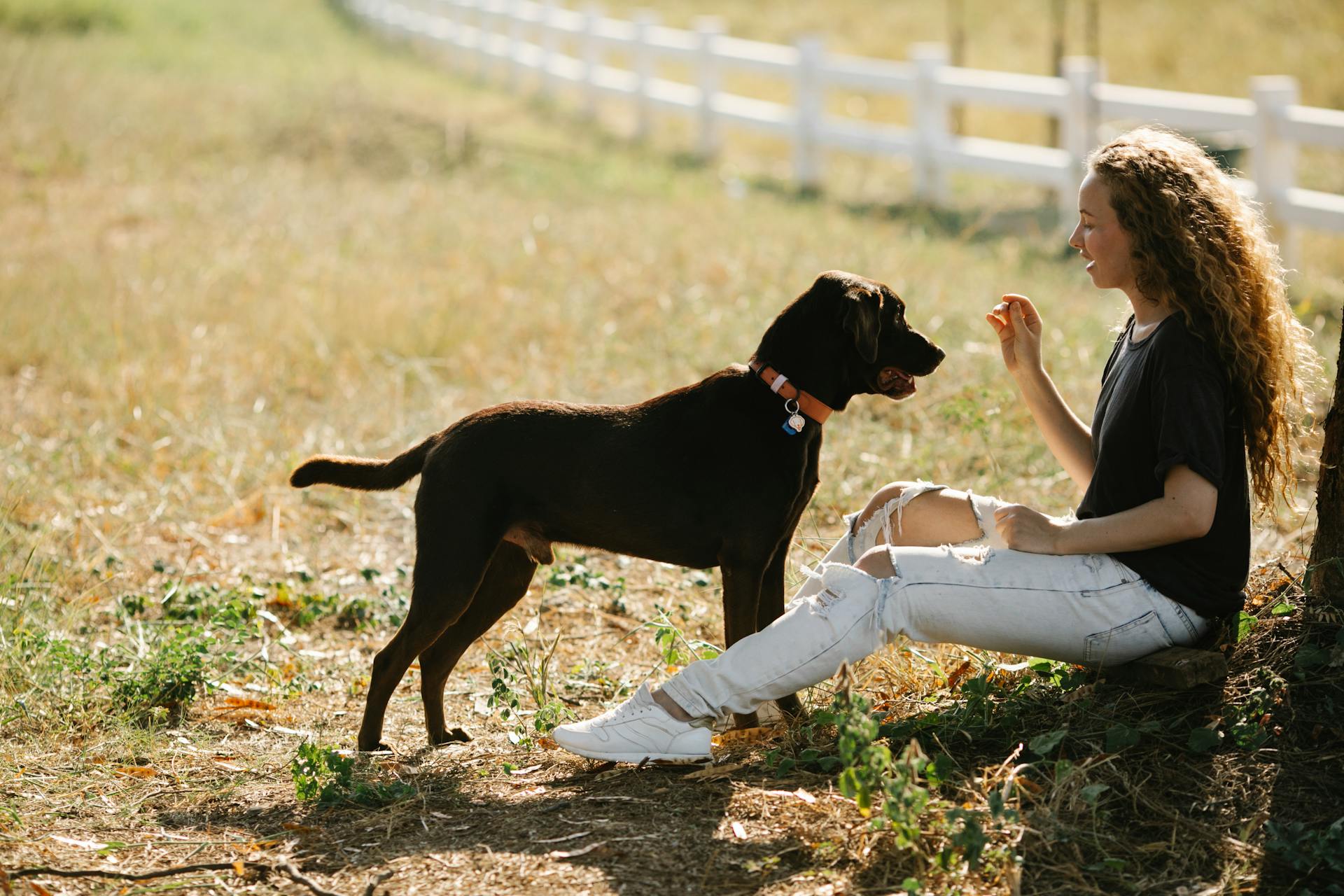
To feed your chocolate lab ridgeback mix, you'll want to provide a minimum of 2.5 cups of kibble daily, with the option to increase to 3 cups for very active dogs.
The food should be rich in protein and have meat as its first ingredient, which will help keep your dog healthy and satisfied.
Choose a kibble with large pieces to help prevent bloating, a common issue with this breed.
You'll also want to consider the price, which can range from $40 to $60 per month.
It's essential to schedule your dog's mealtime and keep their food out of reach to avoid overeating and potential bloating issues.
Rhodesian Labradors, the breed we're drawing from, are low maintenance and make wonderful family dogs, so you're already off to a great start!
Worth a look: Wolf Dog Cross Breed
Purchasing and Family
The Chocolate Lab Ridgeback Mix makes a wonderful family pet, especially with its playful and affectionate nature.
This mix loves to play around children, making it an excellent choice for families with kids.
Its protective instincts also make it a great watchdog against strangers and intruders, providing peace of mind for its owners.
The average price for a Labrador crossed with a Rhodesian Ridgeback ranges from 750 to 1000 dollars, which may seem pricey but is well worth the experience of living with this hybrid dog.
Puppies for Sale
If you're looking to bring home a new furry friend, you'll want to consider the cost of purchasing a puppy. The average price for a Labrador crossed with a Rhodesian Ridgeback can range from $750 to $1000.
The price of a puppy can vary depending on the pedigree and size of the puppy. For instance, some breeders may charge more for a puppy with a strong family lineage or a larger size.
A large dog breed like the Labrador-Rhodesian Ridgeback hybrid can come with a hefty price tag, but many owners would agree that it's worth the investment.
Explore further: Lab Shepherd Mix Size
Families

The Rhodesian Ridgeback Lab Mix is a perfect addition to a family with children. They love to play around kids because of their playful and affectionate nature.
Their energetic and playful personalities make them an excellent match for families with kids. They are also protective of their family, making them an excellent watchdog against strangers and intruders.
Picking the right dog for your family is extremely important, and the Rhodesian Ridgeback Lab Mix is a great choice for families. You can expect to pay between $750 and $1,000 for a puppy from a breeder, which can vary based on your location and the quality of your puppy's parent breeds.
But if you're looking for a more affordable option, consider rescuing a Rhodesian Ridgeback Lab Mix from a shelter. You can find many wonderful dogs waiting for a forever home, and it's a great way to save a life and help other animals in need.
Featured Images: pexels.com