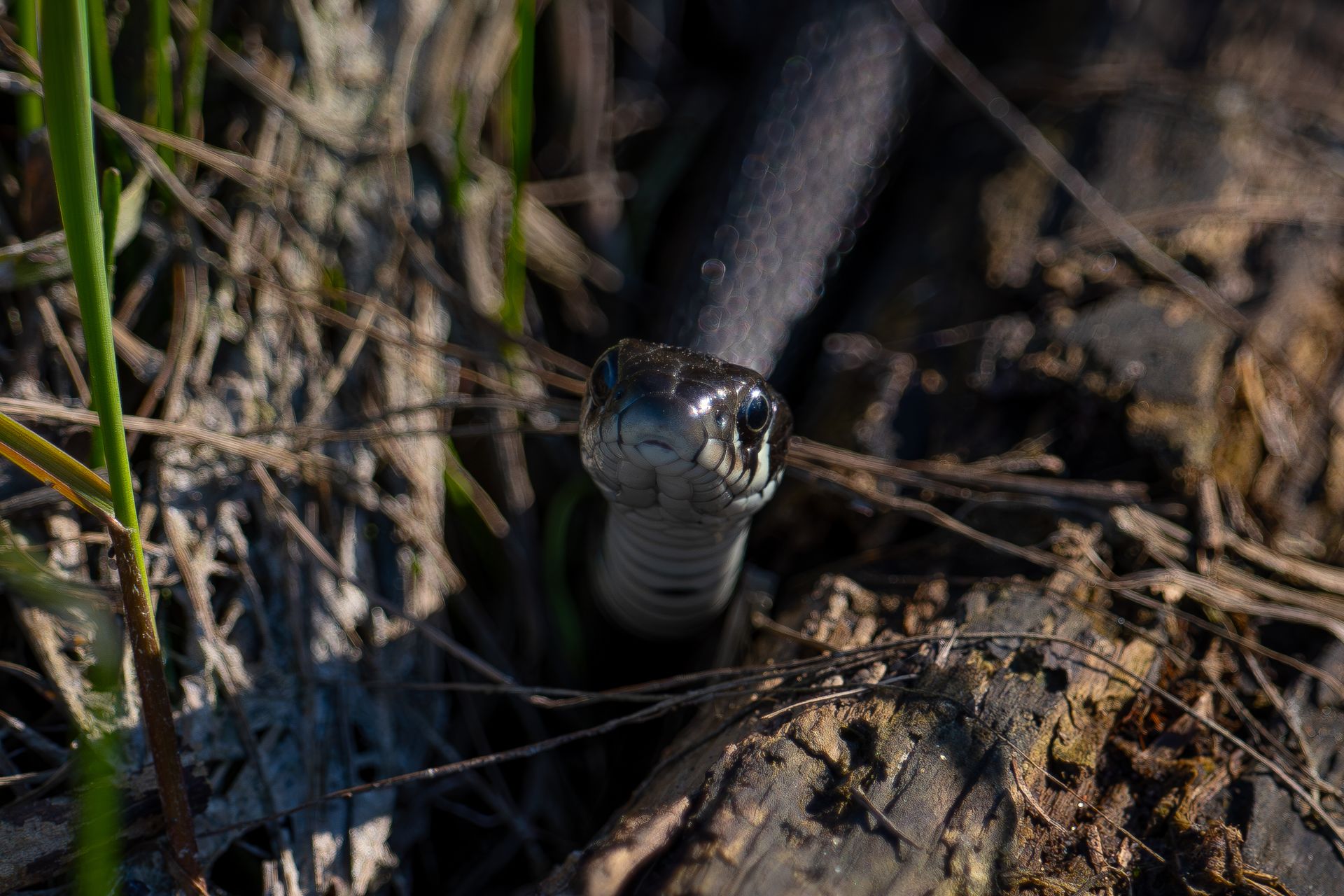
The checkered garter snake is a unique and fascinating species. They are found in the southwestern United States and northern Mexico.
These snakes are relatively small, typically growing to an average length of 18-22 inches. They have a distinctive checkered pattern on their back, which can vary in color depending on the region.
One of the most interesting things about checkered garter snakes is their ability to adapt to different environments. They can be found in a variety of habitats, including deserts, grasslands, and even urban areas.
Their diet consists mainly of small insects, such as ants and beetles, as well as other invertebrates like earthworms and snails.
Physical Characteristics
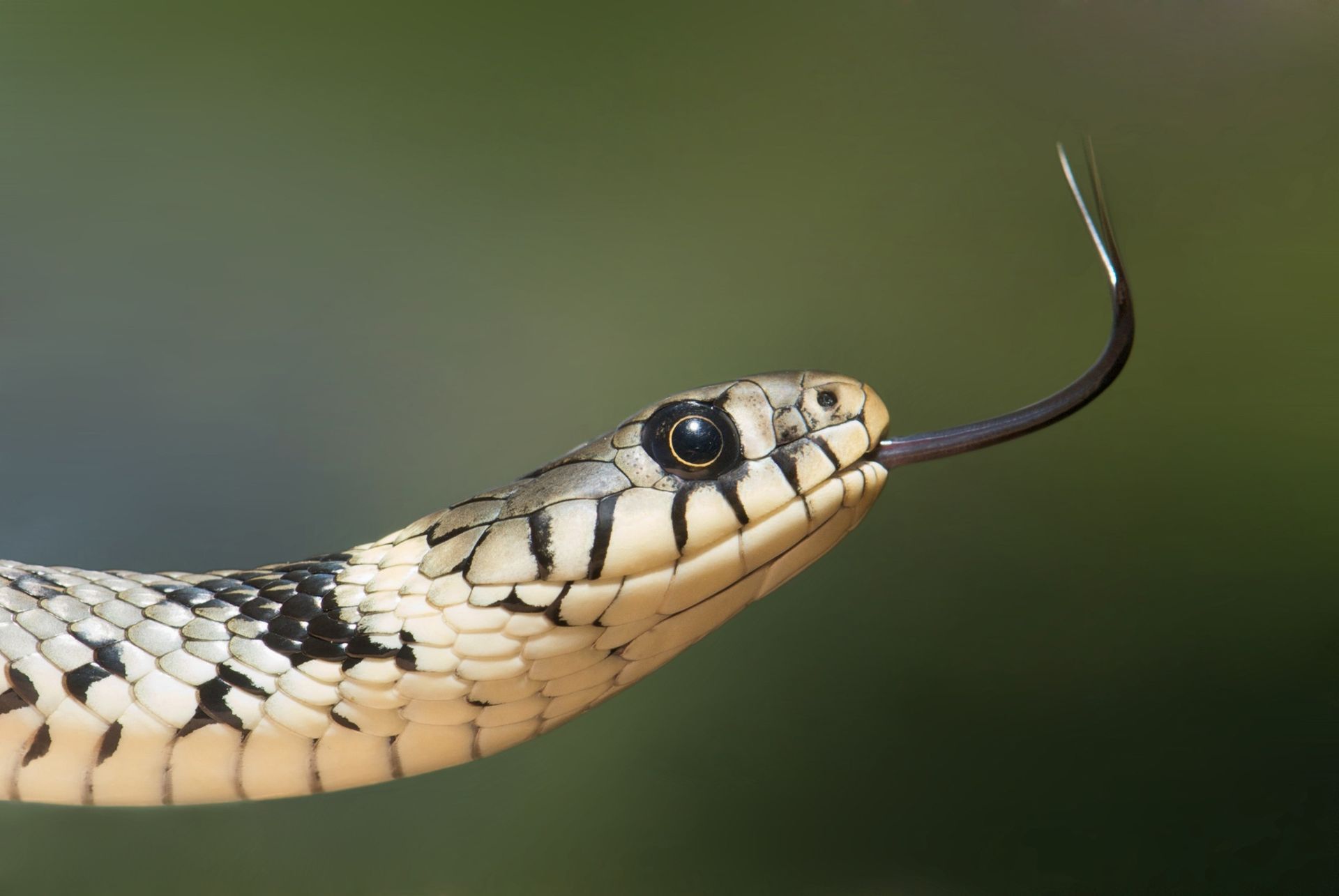
Checkered garter snakes have a distinctive checkered pattern of black and light-grey spots along their bodies, with both females and males displaying the same pattern. This pattern is made up of pale-yellow stripes along their spines and sides, with their ventral sides being cream-colored.
Their heads are an olive-green color with a single thick black line on their necks, and their bodies can be a variety of colors including grey, brown, olive, tan, or albino. Checkered garter snakes have 21 keeled, dorsal scale rows.
Adults average 60 grams in weight, but can weigh anywhere from 31 to 122 grams. In terms of length, they can grow up to 106 cm, but the average adult is 55 cm including their tails.
Here are some key physical characteristics of checkered garter snakes:
Females are typically bulkier and longer than males, with females averaging 82 cm in length and weighing 81 grams, while males average 51 cm in length and weigh 51 grams. Checkered garter snakes are also heterothermic, meaning they can regulate their body temperature to some extent.
Habitat and Distribution
Checkered garter snakes are highly adaptable and can thrive in a variety of habitats. They can be found in desert, grassland, shrubland, and forest environments, often close to water sources.
Their preferred habitats range from sea level to elevations of 2,200 meters, making them quite versatile. They can be found in wetlands, drylands, and even backyards and gardens.
One of the key factors in their adaptability is their ability to burrow under rocks, logs, and in thick vegetation. This behavior is especially common in grasslands.
Checkered garter snakes can be found in a range of terrestrial and aquatic biomes, including deserts, savannas, forests, and lakes and ponds. They are also found in coastal areas.
Here are some of the specific habitats where checkered garter snakes have been found:
In terms of specific geographic locations, checkered garter snakes have been found in the southwestern United States, Mexico, and Central America. They are commonly found along rivers, such as the Gila and Colorado Rivers, and in areas with high humidity and abundant prey.
Worth a look: Can Snakes Be Found on Every Continent
Behavior and Diet
The Checkered Garter Snake is a carnivore that thrives on a diet rich in protein. It feeds on amphibians, fish, and invertebrates in the wild.
In captivity, their diet should mirror their natural preferences to ensure they stay healthy. This means feeding them earthworms, small fish, and amphibians such as frogs and tadpoles.
Juveniles need to be fed more frequently than adults, every 3-4 days compared to every 5-7 days. To prevent nutritional deficiencies, it's essential to dust prey items with calcium and vitamins.
Their dietary needs are simple, but providing fresh water daily for drinking and soaking is crucial for their overall health.
Behavior and Temperament
The Checkered Garter Snake is known for its calm nature, making it an excellent pet for beginners. Regular handling helps it acclimate to human interaction.
This snake is diurnal, meaning it's most active during the day, so you can expect to see it moving around and exploring its surroundings during this time.
In terms of defensive mechanisms, the Checkered Garter Snake may release a musky odor when stressed but rarely bites.
While it's generally solitary, it can coexist with other garter snakes in a spacious enclosure.
A different take: Common Garter Snake Habitat
What Does It Eat?
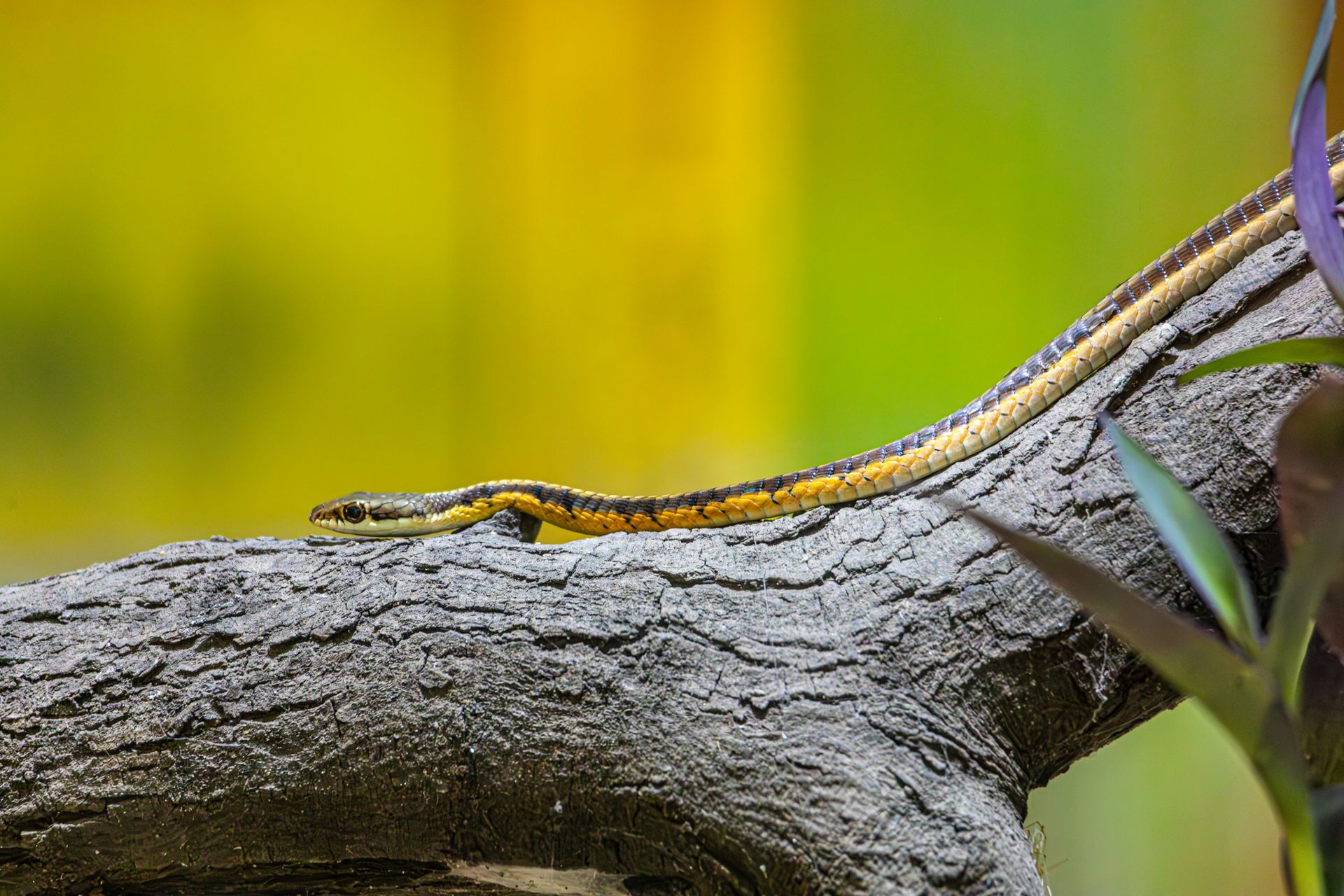
The Checkered Garter Snake is a carnivore, primarily feeding on amphibians, fish, and invertebrates in the wild. Its diet in captivity should closely mimic its natural preferences to ensure proper nutrition and health.
In the wild, this snake feeds on a variety of prey items, including earthworms, small fish, and amphibians like frogs and tadpoles. These are the main staples of its diet, and they provide the necessary nutrients for survival.
To keep your Checkered Garter Snake healthy, you should feed it a diet that includes earthworms, small fish, and amphibians. This will ensure it gets the nutrients it needs to thrive.
Feeding frequency is also an important consideration. Juveniles should eat every 3-4 days, while adults can be fed every 5-7 days. This will help prevent overfeeding and ensure your snake stays healthy.
To prevent nutritional deficiencies, it's essential to supplement your snake's diet with calcium and vitamins. You can do this by dusting prey items with these essential nutrients.
Fresh water is also crucial for your snake's health. Provide fresh water daily for drinking and soaking to keep your snake hydrated and happy.
A fresh viewpoint: Diamondback Water Snake Range Map
Predation
Checkered garter snakes have some clever defense mechanisms to protect themselves from predators. They release a musky-smelling chemical when handled by aggressors, which helps deter predators.
Bird predators include American crows and grey hawks. These birds are known to prey on checkered garter snakes.
Striped skunks, raccoons, red foxes, and domestic cats are some of the mammalian predators that prey on checkered garter snakes. These animals are attracted to the snakes' unique skin patterns.
Humans are also a predator to checkered garter snakes, often using their skin to make clothing and accessories.
Conservation and Care
The Checkered Garter Snake is considered one of the best species to keep in captivity due to its ease of conversion to a mouse-based diet.
They can be a bit finicky eaters, though - my own experience has shown that they may refuse meals, particularly in the fall, and I've had to resort to the "reset button" to get them to eat again.
To keep them happy and healthy, it's best to house them individually, as reports of cannibalism within the species have been noted.
Expand your knowledge: Conservation-reliant Species
Conservation Status
The conservation status of many species is a pressing concern. The IUCN Red List is a widely recognized authority on species conservation, and it's estimated that over 27,000 animal species are threatened with extinction.
The main reasons for species decline are habitat loss and fragmentation, primarily due to human activities like deforestation and urbanization. This can be devastating for species that rely on specific habitats for survival.
The impact of pollution on species is also significant, with plastic waste and chemical pollutants harming marine life and disrupting ecosystems. For example, sea turtles are often entangled in plastic debris or mistake it for food.
Conservation efforts are underway to protect and restore habitats, but more work is needed to address the scale of the problem.
A different take: World Wildlife Foundation Endangered Species
Captive Care
The Checkered Garter Snake is considered one of the best species for captivity, making it an excellent choice for snake enthusiasts. It's relatively easy to convert to a mouse-based diet.
However, my own experience with this species has been somewhat mixed. While I've had no difficulties in converting the snakes to mice, they have not always been the best feeders and have sometimes refused meals.
To keep Checkered Garter Snakes happy and healthy, it's essential to provide a suitable environment. One to a cage, please, to avoid reports of cannibalism. For general information on keeping garter snakes in captivity, please see the Care Guide.
To handle and care for Checkered Garter Snakes, follow these tips:
- Handle 2-3 times per week to reduce stress and build trust.
- Always support the snake’s body while handling to ensure its comfort.
- Spot-clean daily and perform a thorough enclosure cleaning every 2-4 weeks.
- Provide a shallow water dish and refresh it daily.
Classification and Reproduction
The Checkered Garter Snake is a member of the Animalia kingdom, which is home to a vast array of animals. Animalia is a broad category, but it's a good starting point to understand the snake's place in the natural world.
Within the Animalia kingdom, the Checkered Garter Snake is further classified as a chordate, which means it has a notochord, a dorsal nerve cord, and a post-anal tail. Chordates are a group of animals that also include humans, birds, and fish.
The Checkered Garter Snake is specifically a type of vertebrate, which is a subgroup of chordates that have a backbone or spinal column. Vertebrates are incredibly diverse, but they all share this key characteristic.
Here's a breakdown of the Checkered Garter Snake's classification:
- Kingdom: Animalia
- Phylum: Chordata
- Subphylum: Vertebrata
- Class: Reptilia
- Order: Squamata
- Family: Colubridae
- Genus: Thamnophis
- Species: Thamnophis marcianus
As for reproduction, the Checkered Garter Snake is ovoviviparous, which means it gives birth to live young. This is in contrast to some other species of snakes that lay eggs.
Classification
The classification system is a way to group living things based on their characteristics and evolutionary relationships. It's like creating a big family tree for all the different species on our planet.
The Kingdom Animalia is the broadest category, and it includes all animals, with over 22861 pictures and 7109 specimens to explore. This category is further divided into more specific groups.
Phylum Chordata is a key subgroup within Animalia, characterized by the presence of a notochord, a flexible rod-like structure that provides support. There are 15213 pictures and 6829 specimens to learn from in this category.
Vertebrata is a subphylum within Chordata, and it includes animals with backbones, like humans, birds, and fish. There are 15168 pictures and 6827 specimens to discover in this category.
The Class Reptilia is a group within Vertebrata, and it includes turtles, snakes, lizards, and their relatives. There are 8809 pictures and 170 specimens to explore in this category.
Here's a breakdown of the classification hierarchy for the Checkered Garter Snake:
- Kingdom: Animalia
- Phylum: Chordata
- Subphylum: Vertebrata
- Class: Reptilia
- Order: Squamata
- Family: Colubridae
- Genus: Thamnophis
- Species: Thamnophis marcianus
Reproduction and Breeding
The Checkered Garter Snake is a fascinating species when it comes to reproduction. They are ovoviviparous, meaning they give birth to live young.
Breeding typically occurs in the spring, with females giving birth in late summer. This is a relatively short breeding season, spanning from March to May.
The litter size is quite impressive, ranging from 10 to 25 young per litter. This means that a single female can have a large brood of offspring.
Gestation period is approximately 2-3 months, which is relatively short compared to some other species. This allows the female to give birth to live young in late summer.
On a similar theme: Short Tailed Boa Constrictor Snake
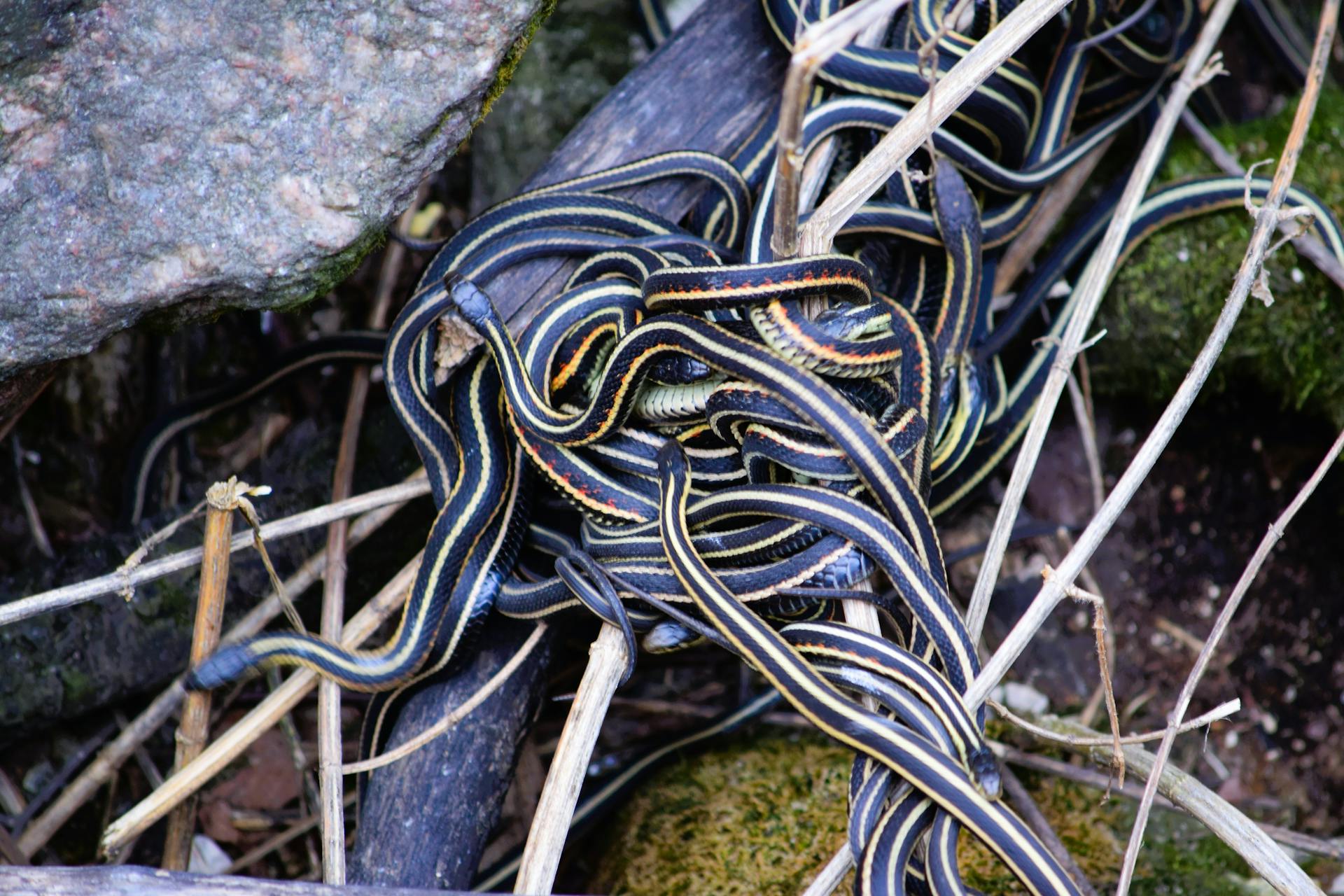
Juveniles are independent at birth and should be housed separately to prevent competition. This is important for their health and well-being.
Here's a summary of the reproductive details:
- Breeding Season: Spring (March to May)
- Litter Size: 10-25 young per litter
- Gestation Period: Approximately 2-3 months
- Care of Young: Juveniles are independent at birth and should be housed separately to prevent competition
Frequently Asked Questions
How big does a checkered garter snake get?
A checkered garter snake typically grows to 18-24 inches in length, but can reach up to 42 inches with its tail included. Its size can vary, but it's usually within this range.
What makes a checkered garter snake unique?
The Checkered Gartersnake is unique due to its distinctive keeled scales, narrow stripes on its sides, and large, crescent-shaped head marks. These characteristics set it apart from other garter snake species.
Can you pick up a checkered garter snake?
Yes, it's generally safe to pick up a checkered garter snake, but first, make sure it's actually a garter snake and not a venomous species
Featured Images: pexels.com