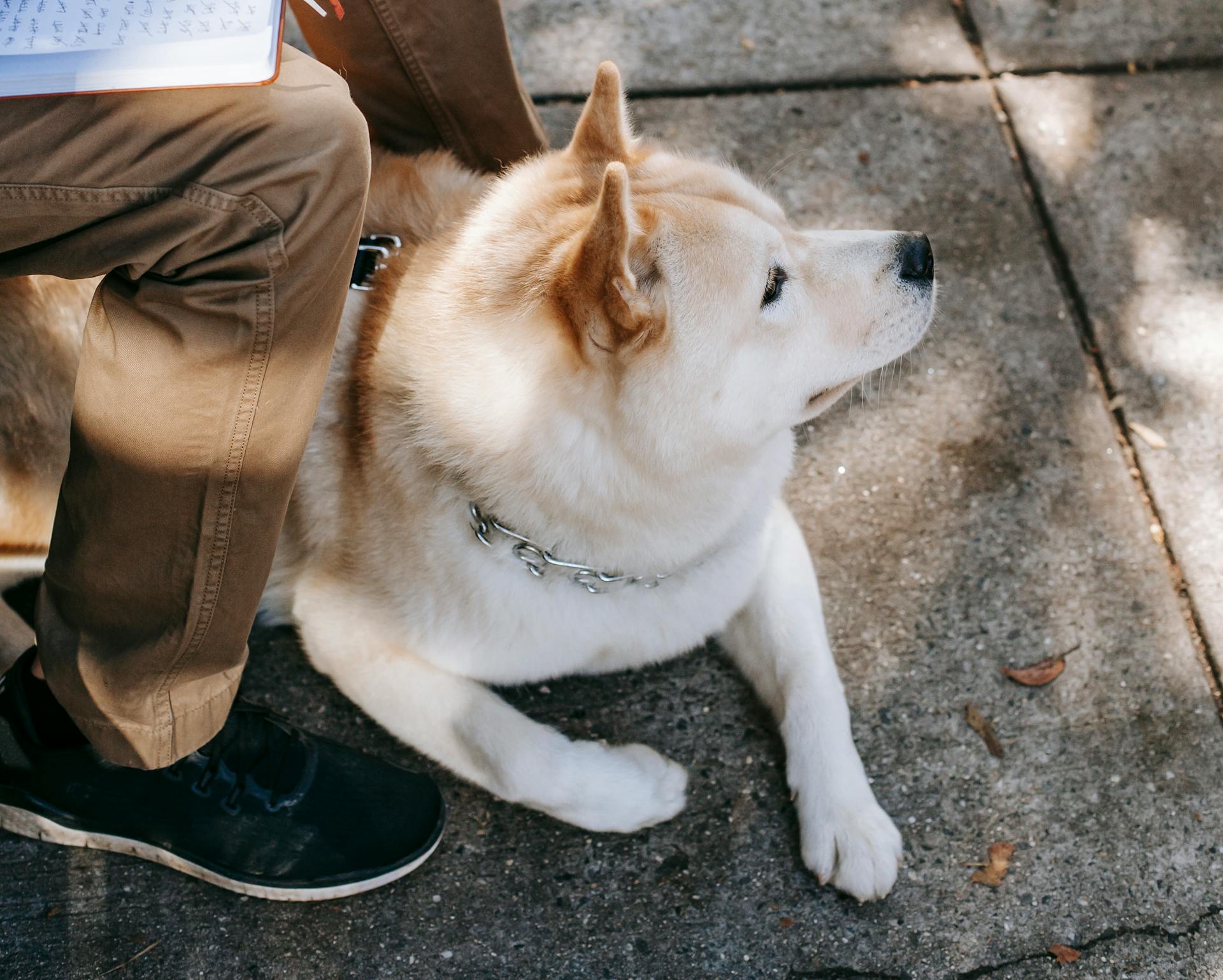
The Central Asian Shepherd Dog is an ancient breed with a rich history, originating from the mountainous regions of Central Asia. They were originally bred to guard livestock and property.
This breed is known for its impressive size, with males weighing between 110-150 pounds and standing 26-32 inches tall. Females are slightly smaller.
Their thick coats and sturdy builds make them well-suited to the harsh climate of their native region.
Related reading: Alabai Dog Lifespan
Grooming
Grooming is a crucial aspect of Central Asian Shepherd Dog care. They have a thick double coat that's beneficial for protecting them from harsh environments, but it does require some attention.
You'll need to brush their coat occasionally, ideally once a week, to prevent mats and tangles. During shedding season, you may need to brush them more often to remove loose hair.
Bathing should be done as needed, typically every two to three months, or when they get dirty or smelly. Regular ear cleanings are also essential to prevent dirt and wax buildup, which can lead to ear infections.
Additional reading: Dog Breeds That Don't Need Grooming
Nail trimming and teeth brushing are also important tasks to keep your Central Asian Shepherd Dog healthy. You should trim their nails before they get too long, usually once or twice a month, and brush their teeth at least three times a week.
Here's a quick rundown of the grooming tasks you'll need to perform:
- Brush their coat once a week, more often during shedding season
- Bathe every 2-3 months or as needed
- Trim nails once or twice a month
- Brush teeth at least 3 times a week
- Clean their ears regularly
Remember, grooming is an essential part of your Central Asian Shepherd Dog's health and happiness. By staying on top of these tasks, you'll help keep them looking and feeling their best.
Adopting or Buying a Pet
If you're interested in bringing a Central Asian Shepherd Dog into your life, you've got options. You can buy from a reputable breeder or adopt from a rescue group.
To find a breeder, you can check out the American Kennel Club (AKC) Marketplace or attend dog shows where you can meet breeders and their dogs. Be sure to see the parents of the puppies and where they live before making a purchase. Expect to pay around $1500 for a puppy.
If you're looking to adopt, rescues specifically for Central Asian Shepherd Dogs can be hard to come by, but you can try local shelters or rescues that cater to other guardian breeds like the Great Pyrenees or Mastiff. Here are some rescue groups you can consider:
- Wright-Way Rescue
- Big Fluffy Dog Rescue
- Angels Among Us Pet Rescue
- Central Asian Shepherd and Armenian Gampr Rescue Network
Adopting or Buying a Pet
If you're considering bringing a Central Asian Shepherd Dog into your family, you have two main options: adopting or buying. You can find reputable breeders through the American Kennel Club (AKC) Marketplace or by attending dog shows. Be sure to meet the parents of the puppies and visit their home before making a purchase.
Expect to pay around $1500 for a puppy, so make sure you're prepared for the financial commitment. If you're not set on buying, you can also explore adoption options. Rescues specifically for Central Asian Shepherd Dogs might be hard to come by, but you can try contacting general dog rescue groups or those focused on guardian breeds like the Great Pyrenees or Mastiff.
Some reputable rescue groups to consider are Wright-Way Rescue, Big Fluffy Dog Rescue, Angels Among Us Pet Rescue, and the Central Asian Shepherd and Armenian Gampr Rescue Network.
See what others are reading: What Are the 7 Major Dog Groups
Have You Ever Heard Of
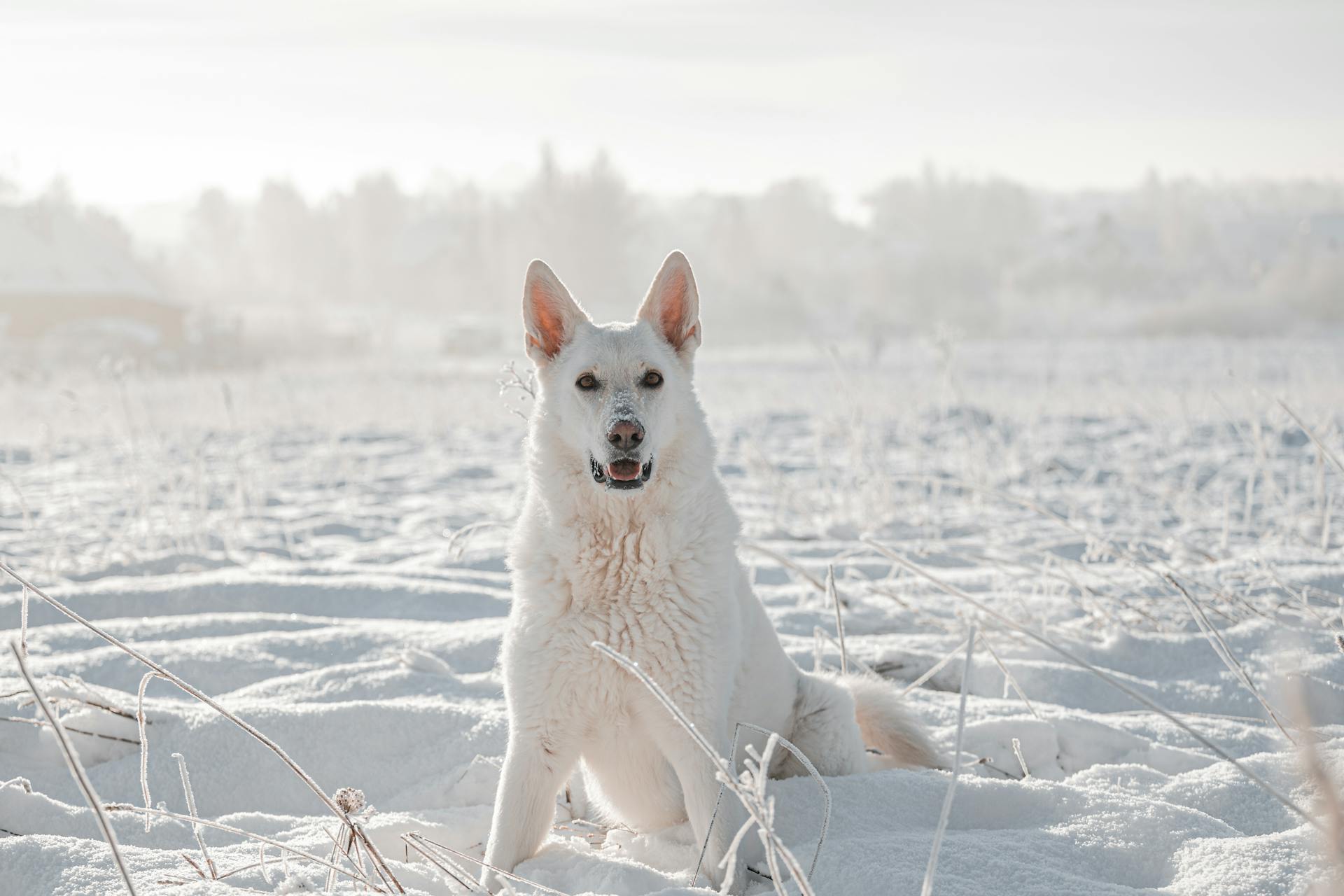
Have you ever heard of a Central Asian Shepherd? Ziva is the #1 UKC Central Asian Shepherd.
The Peruvian Inca Orchid is a rare and unique breed. It's the only hairless dog breed recognized by the American Kennel Club.
Some dogs are naturally good at guarding, like the Central Asian Shepherd. They're known for their protective instincts and strong work ethic.
The Pomeranian is a popular small dog breed. They're often considered a good choice for city dwellers due to their small size.
The Akita is a large and powerful dog breed. They're known for their loyalty and protective nature, making them a great choice for families.
The Chihuahua is one of the smallest dog breeds in the world. They're often considered a good choice for apartment living due to their small size.
The American Staffordshire Terrier is a strong and agile dog breed. They're known for their friendly and outgoing personalities, making them a great choice for families.
For your interest: Powerful Male Names Dogs
Size
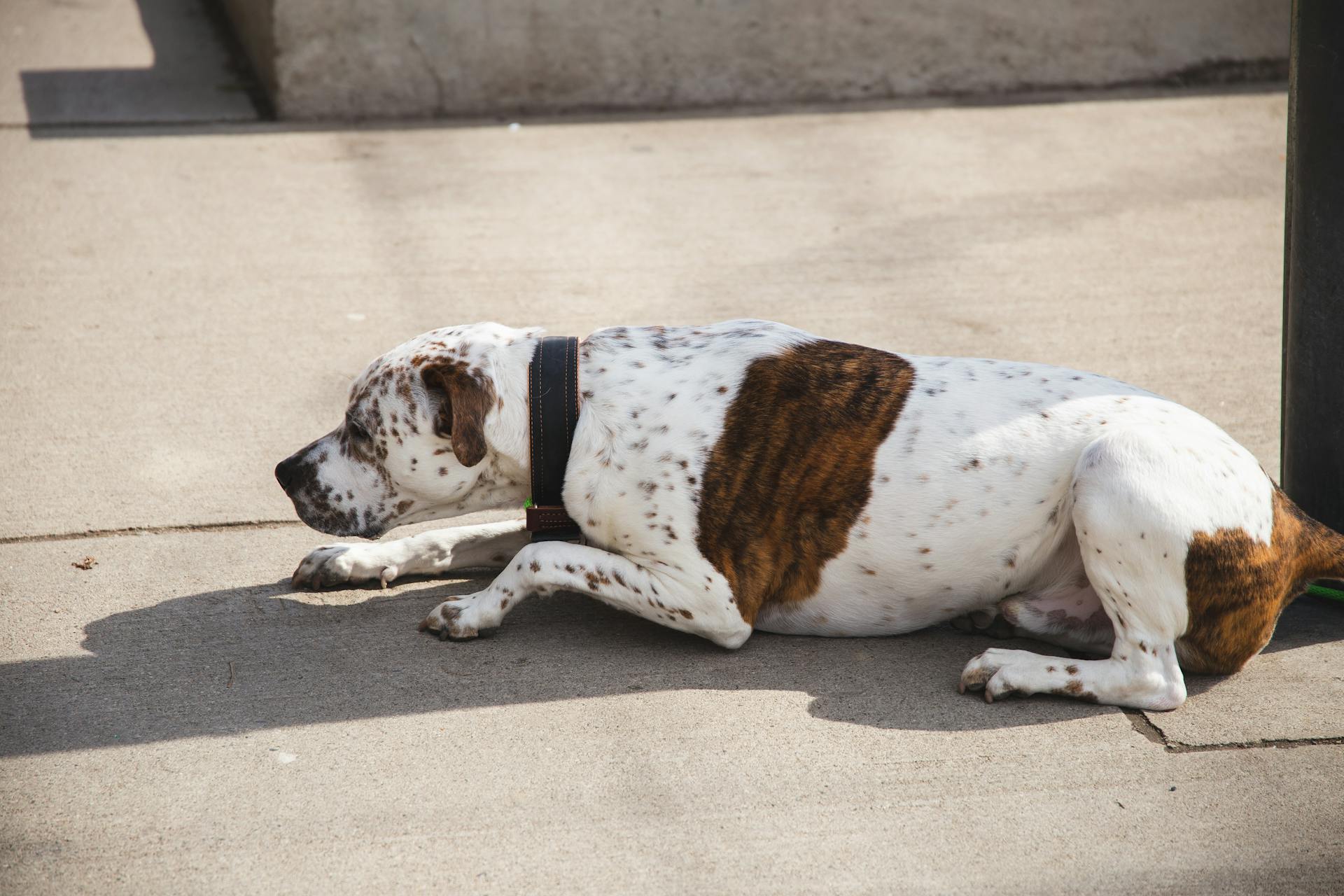
The Central Asian Shepherd Dog is a majestic breed with a commanding presence. They come in a range of sizes, but generally, males stand between 25 to 30 inches tall at the shoulder, while females typically range from 23 to 28 inches.
Males can weigh anywhere from 110 to 170 pounds, while females typically weigh between 80 to 120 pounds.
At the withers, the minimum height for males is 70 cms, while for females it's 65 cms. In terms of weight, males should weigh at least 50 kgs, while females should weigh at least 40 kgs.
Here's a breakdown of the typical sizes for Central Asian Shepherd Dogs:
Some Central Asian Shepherd Dogs may be smaller or larger than average for their breed, but overall, they're a sturdy and robust breed that demands respect.
Readers also liked: Dogs Breeds That Start with B
Personality and Temperament
The Central Asian Shepherd Dog is a proud and confident breed, known for its independence and fearlessness. They're not afraid to stand up for what they believe in, even in the face of danger.
These dogs are highly intelligent and can learn quickly, but they can also be stubborn and dominant. They're loyal and protective of their family and friends, and will form deep bonds with their loved ones.
Central Asian Shepherds are often described as aloof with strangers, but can be affectionate and loving companions to their family. They're not typically considered lap dogs, but they do enjoy being in close proximity to their loved ones.
Here are some key personality traits of the Central Asian Shepherd Dog:
- Courageous: They're not afraid to stand up for what they believe in, even in the face of danger.
- Loyal: They're fiercely loyal to their family and friends.
- Independent: They don't require constant companionship and are content to spend time by themselves.
- Intelligent: They're highly intelligent and can learn quickly.
- Protective: They're very protective of their family and property.
Personality
The Central Asian Shepherd Dog is a proud and confident breed, known for its courage and fearlessness in the face of danger. They're not the type to back down from a challenge.
These dogs are naturally protective of their territory and loved ones, making them excellent watchdogs. They're vigilant and alert, always on the lookout for potential threats.
Their independent nature means they don't require constant attention or approval from their owners. In fact, they're often content to spend time alone, observing their surroundings with a discerning eye.
Central Asian Shepherds are intelligent and can be trained to perform a variety of tasks, but their independent streak can make them stubborn at times. Consistent, patient training is key to unlocking their full potential.
Here are some key personality traits of the Central Asian Shepherd Dog:
Despite their strong protective instincts, Central Asian Shepherds can be affectionate and loving companions, especially with their family. They may not always show it openly, but they value close relationships and will form deep bonds with their loved ones.
Is it Right for Me?
If you're looking for a loyal companion, the Central Asian Shepherd Dog's independent nature may not be the best fit for first-time dog owners.
They thrive in rural or suburban areas with ample space to roam and guard, making them perfect for those with a spacious living situation.
Their protective instincts can be a double-edged sword, requiring owners to provide the right environment and training to channel their energy positively.
If you live in an apartment with noise restrictions, the Central Asian Shepherd Dog's loud barking may not be suitable for your lifestyle.
Take a look at this: Central Asian Mastiff
Health and Behavior
Central Asian Shepherd Dogs are generally a very healthy breed, but like all breeds, they can be prone to certain health issues.
Hip dysplasia is a common condition in larger breeds, where the hip joint doesn't fit properly into the hip socket, leading to arthritis and pain that can affect mobility.
Regular veterinary check-ups and a balanced diet can go a long way in maintaining their overall health and well-being.
Some Central Asian Shepherd Dogs may also be prone to bloat, a life-threatening condition where the stomach fills with gas and can twist on itself.
A balanced diet and regular exercise can help reduce the risk of bloat.
Here are some potential health issues to be aware of:
- Hip Dysplasia
- Von Willebrand’s Disease
- Bloat (Gastric Dilatation and Volvulus – GDV)
- Progressive Retinal Atrophy (PRA)
Health
Central Asian Shepherd Dogs are generally a healthy breed, but like any breed, they can be prone to certain health issues.
One potential issue is hip dysplasia, a common orthopedic condition that can cause arthritis and pain. This can affect the dog's mobility and make everyday activities more challenging.

Another concern is Von Willebrand's Disease, a hereditary bleeding disorder that can lead to prolonged bleeding after injuries or surgeries. This is a serious condition that requires regular veterinary check-ups and monitoring.
Bloat, or Gastric Dilatation and Volvulus (GDV), is a life-threatening condition that can occur when the stomach fills with gas and twists on itself. It's essential to recognize the signs of bloat, such as restlessness, pacing, and vomiting, and seek veterinary help immediately.
Progressive Retinal Atrophy (PRA) is a group of inherited eye diseases that can cause degeneration of the retina over time. This can result in progressive vision loss and potentially lead to blindness.
To maintain the health and well-being of your Central Asian Shepherd Dog, regular veterinary check-ups and a balanced diet are crucial.
If this caught your attention, see: Lead Dog Citra Solo
Do They Bark?
Central Asian Shepherds are known for their loud and resonant barks, which serve as a vital form of communication and warning system against perceived dangers.
Their robust vocal cords amplify these barks, making them a commanding tone that's hard to ignore. This is a key trait of the breed, and owners should be prepared for frequent barking.
In apartment settings with noise restrictions, Central Asian Shepherds may not be the best fit due to their vocal nature. They thrive in expansive, securely fenced spaces where they can freely express themselves.
Their barking can be a blessing and a curse - it alerts owners to potential threats, but it can also disrupt neighbors.
You might like: Dog Barking at Other Dogs While Walking
Living with a Central Asian Shepherd Dog
Living with a Central Asian Shepherd Dog requires attention to their social nature. They bond well with kids, especially those they consider part of their family.
Socialization is crucial for Central Asian Shepherd Dogs, as they can be aloof with strangers. This includes people they're not familiar with, including visiting playmates.
Central Asian Shepherd Dogs generally get along great with cats and other dogs, especially other Central Asian Shepherd Dogs. They have a good understanding of one another.
Teaching children how to behave around dogs is essential, and it's never a good idea to leave small children alone with any dog under any circumstance. Always supervise playtime between kids and dogs.
Their powerful build means watching them closely around small kids is a must, as they could accidentally injure or knock them over.
A different take: Best All around Dog Breed
Frequently Asked Questions
What is the life expectancy of Alabai dog?
Alabai dogs, also known as Central Asian shepherd dogs, typically live between 10 to 15 years with proper care
Featured Images: pexels.com