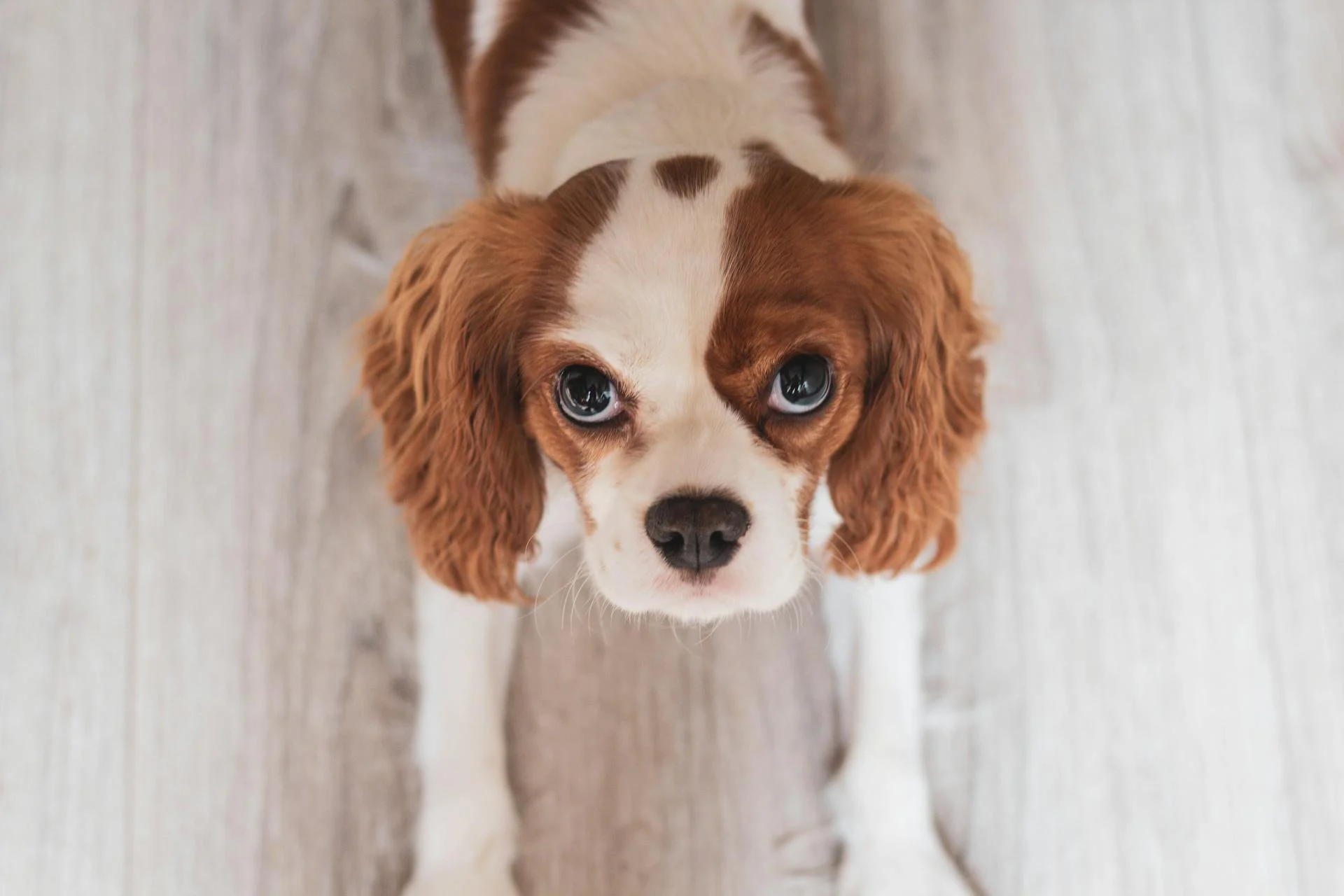
To keep your Cavalier King Charles Spaniel happy and healthy, regular exercise is a must. They need at least 30 minutes of gentle exercise per day, such as short walks or playtime in the yard.
Their small size can make them prone to obesity, so be mindful of their food intake and avoid overfeeding. A balanced diet is essential for maintaining their weight and overall health.
Cavalier King Charles Spaniels are intelligent and trainable, but they can be stubborn at times. Consistent positive reinforcement training is key to developing good behavior and a strong bond with your dog.
Regular grooming is also essential for this breed, with daily brushing to prevent matting and tangling of their beautiful coats.
General Care
Cavalier King Charles Spaniels need regular exercise to stay healthy and happy, aiming for 30-60 minutes of exercise every day. This can include walks, playtime, and other activities.
To keep your Cavalier's coat in good condition, it's essential to brush and clean it regularly, especially around the ears where it can become sloppy and knotted.
Prep work is crucial for any grooming session, including ear cleaning, nail trimming, trimming the pads, anal glands, and proper dental hygiene. This should be done before every bathing and grooming appointment.
Here are some essential prep work tasks to keep in mind:
- Ears: Clean and check regularly, removing excess hair to allow for proper air circulation
- Nails: Trim regularly to prevent discomfort and maintain foot shape
- Pads: Trim to give good traction on different surfaces and prevent dirt tracking
- Anal glands: Check and express if full, or have your veterinarian do it for you
- Dental hygiene: Brush regularly to maintain a healthy pet
Exercise
Exercise is a crucial part of Cavalier King Charles Spaniel care, and it's not just about lounging on the couch all day. This breed may enjoy snuggling up for cuddles, but it still needs plenty of physical activity to stay happy and healthy.
A daily walk of about 30 to 60 minutes is a great starting point, but it's not enough on its own. You'll also want to add some playtime, like playing fetch or tug-of-war, to keep your Cavalier engaged and exercised.
In fact, the American Kennel Club recommends a 30-60 minute daily exercise routine for Cavalier King Charles Spaniels. This can include walks, playtime, and other activities.
Here's a sample daily exercise routine you can follow:
- Start your Cavalier's day with a morning walk.
- In the afternoon, play fetch or tug-of-war with your Cavalier.
- End the day with another walk.
- Mix up the routine to keep things interesting.
Remember, consistency is key, so try to stick to a regular routine and adjust as needed based on your Cavalier's age, health, and energy level.
Liven Up Your Dog's Dinner
If you're going to feed your dogs "people" food, you should feed them something that's actually good for them.
Start with small portions to see if your dog likes the new food, as they can be surprisingly fussy about new things in their food bowls.
Always introduce new foods gradually.
You can add healthy options from market shelves to spice up your pup's regular fare, but remember that none of these items by themselves constitutes a "complete and balanced" meal.
Check with your vet before introducing new foods if your dog has health or weight issues.
A unique perspective: New Dog Breed Lancashire Heeler
Grooming and Hygiene
Regular grooming is essential for your Cavalier King Charles Spaniel's health and well-being. This includes regular bathing and brushing to maintain a healthy coat and skin.
Bathing should be done every week to 6 weeks, depending on your lifestyle, with a happy medium being somewhere in the middle. Choose the mildest shampoo that will get the job done and follow a two-bath process to lift off dirt and debris, and then enhance the coat.
Daily tooth cleaning is also crucial for your Cavalier's health, as periodontal disease is common in this breed. Use a dog-friendly toothpaste and a soft-bristled brush to gently brush your dog's teeth in circular motions, focusing on the gum line.
Grooming
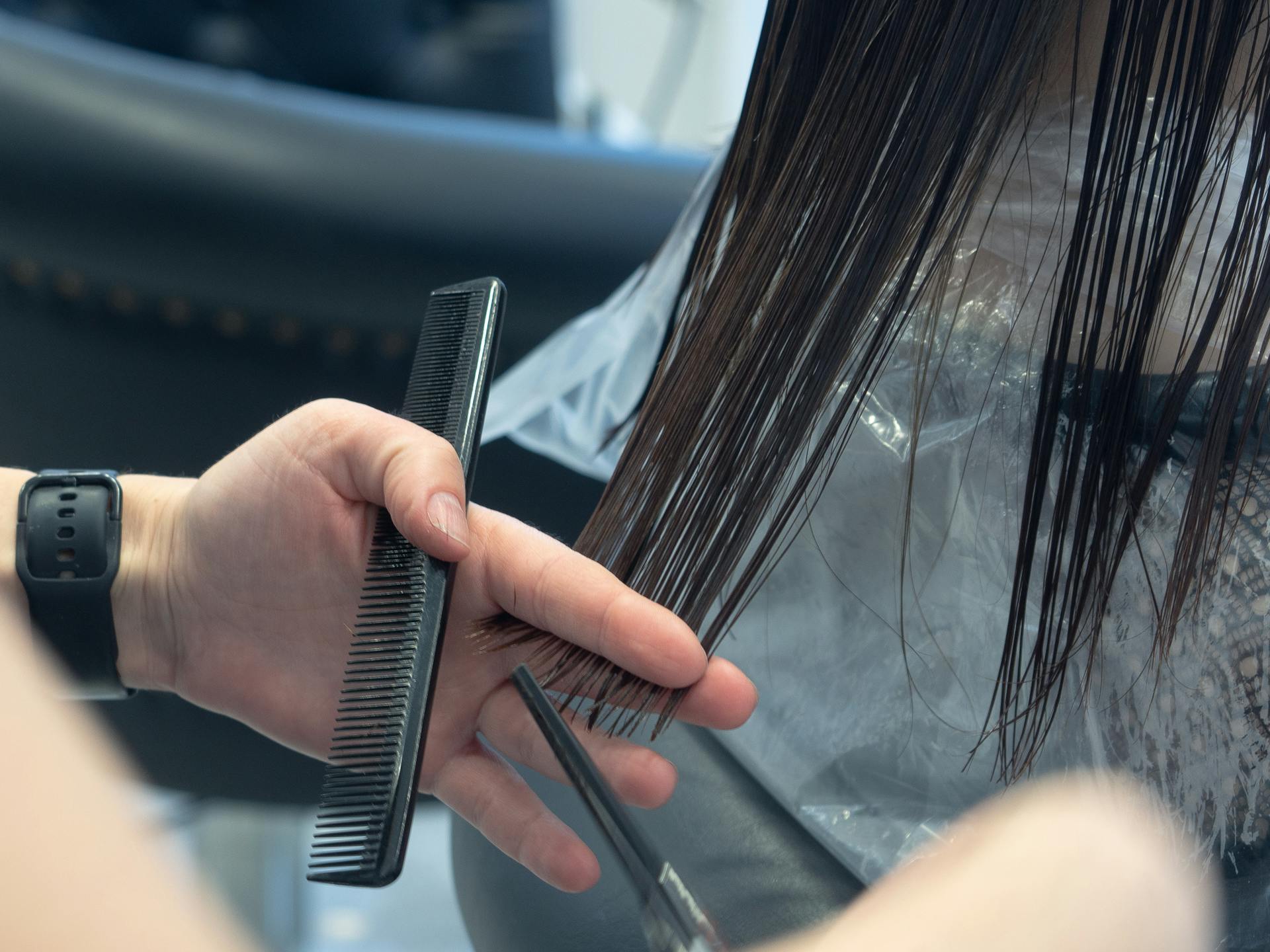
Grooming is a crucial aspect of caring for your Cavalier King Charles Spaniel. Regular grooming helps prevent tangles and mats in their silky, medium-length coat.
Bathing your Cavalier every 2-4 weeks is essential to keep their coat clean and prevent matting. You can bathe them as frequently as every week, but be careful not to overdo it, as this can strip their coat of its natural oils.
Daily brushing is a must to prevent tangles and mats. Use a gentle brush to gently work out any knots or tangles, and be sure to brush their coat in the direction of the hair growth.
The Cavalier's feathered ears and feet require regular maintenance to prevent tangling and matting. You'll need to comb out their ears and feet a few times a week, or consider having their coat clipped down for ease of maintenance.
Here's a breakdown of a typical grooming schedule for your Cavalier:
- Bathe every 2-4 weeks
- Trim hair between paw pads weekly
- Check and clean ears weekly
- Brush teeth several times a week
- Trim nails every 2-3 weeks
Remember, regular grooming is key to keeping your Cavalier's coat healthy and looking its best. By following a consistent grooming schedule, you'll be able to prevent matting and tangling, and keep your dog's coat looking silky and smooth.
Ears
The ears of a Cavalier King Charles Spaniel are a delicate matter. They're prone to infections due to their long, floppy shape that traps moisture and debris.
Regular cleaning is essential to prevent infections. Use a commercial ear cleaner with cotton wool balls or makeup remover pads, and never use cotton buds.
A big indicator of an ear problem is frequent shaking of the head and an unpleasant odor from the ear. If you notice these symptoms, it's time to take action.
Cleaning your Cavalier's ears should be a weekly habit. It's also a good idea to check for signs of infection, such as redness, swelling, or unusual discharge.
If your Cavalier still has dew claws, make sure they're clipped, as groomers sometimes overlook them. Dew claws are located on the inside of the dog's front legs, similar to a thumb.
To prevent ear infections, you can also try tying your Cavalier's ears back with a scrunchie for 10-15 minutes to let air circulate in and around the ears. Just be sure not to use a rubber band, as it may cut off the dog's blood circulation.
Dental Hygiene Maintenance
Dental hygiene maintenance is crucial for your Cavalier King Charles Spaniel's health, as periodontal disease is common in this breed.
Daily tooth cleaning is important to prevent periodontal disease.
Use a dog-friendly toothpaste specifically designed for canines, not human toothpaste.
A soft-bristled brush made for canines is the best tool for the job, as it will be gentle on your dog's gums.
Gently brush your dog's teeth in circular motions, focusing on the gum line.
Health and Wellness
Cavalier King Charles Spaniels are prone to developing heart disease, specifically Mitral Valve Disease, which can lead to heart failure and premature death.
Regular ear cleaning is essential, as some dogs may need to have hair plucked from the ear canal to allow for proper air circulation.
Keep an eye on your dog's movements and behavior to spot potential joint issues early, watching for signs of discomfort or reluctance when getting up or lying down.
Proper dental hygiene is crucial for a healthy pet, and good habits can help prevent issues like cataracts and dry eye syndrome.
Anal glands should be checked and expressed if they are full, but some owners prefer to have their veterinarian handle this task.
A yearly heart check with your vet can help detect potential heart problems, such as coughing, trouble breathing, or low energy, and listening for heart murmurs that can be a sign of valve disease.
General Health
To keep your Cavalier King Charles Spaniel healthy and happy, it's essential to monitor their joint health. Watch for signs of discomfort or reluctance when your dog gets up or lies down, and be aware of limping or stiffness, especially after exercise.
Proper nutrition is key to maintaining healthy skin and coat, as well as overall health, so make sure to provide a well-balanced diet with vitamins and healthy treats.
Cavaliers are prone to weight gain, which can lead to health issues, so it's crucial to keep them at a healthy weight by measuring their food carefully and adjusting as needed based on their activity level and body condition.
A fresh viewpoint: Healthy Bull Terrier
Regular ear cleaning, nail trimming, and dental hygiene are all part of good general health care for your dog. This includes checking and expressing anal glands if they're full, and trimming the pads of the foot to give your dog good traction on different surfaces.
Feeding your Cavalier the right diet for their age is crucial, with puppies needing more calories and protein to support their rapid growth, and senior dogs requiring fewer calories but more fiber and joint-supporting nutrients.
Ear Infection Checks
Ear infections are a common issue in dogs with long, floppy ears like Cavalier King Charles Spaniels. Regular ear checks can help prevent and detect ear infections early on.
You should check your Cavalier's ears at least once a week for signs of infection, such as redness, swelling, or unusual discharge. A foul odor coming from the ears is another warning sign.
If you notice your Cavalier shaking its head frequently or scratching at its ears, it could be a symptom of an infection. This is especially true if you've recently neglected cleaning their ears.
To clean your Cavalier's ears, use a clean cotton cloth moistened with warm water. Never penetrate the ear canal with an object, as this can cause further irritation and increase the risk of infection.
Here are some signs of ear infections to look out for:
- Redness
- Swelling
- Unusual discharge
- Foul odor
- Frequent shaking of the head
- Scratching at the ears
Remember, regular ear checks are key to preventing and detecting ear infections in your Cavalier. By being proactive and attentive to your dog's ear health, you can help keep them happy and healthy.
Healthy Gums & Teeth = Healthy Heart
Maintaining your Cavalier's gums and teeth is crucial for their overall health, particularly their heart health. Regular dental care can prevent tooth decay and diseased gums from producing bacteria that can enter the bloodstream and affect the heart valves.
The heart valves can become damaged due to bacterial growth, leading to a leak in the valve and a decrease in blood pressure. This can cause congestion in the lungs, marking the beginning of congestive heart failure.
Dental hygiene is essential, and you should use beef or chicken-flavored toothpaste to entice your Cavalier to keep their teeth clean. This is especially important for older dogs, as kidney problems can be a major killer.
Preventing dental issues can also help prevent heart problems, making regular dental care a vital part of your Cavalier's health routine.
Intriguing read: Japanese Chin Dog Health Problems
Eye
Taking care of your eyes is crucial for overall health and wellness. The Cavalier King Charles Spaniels eyes are one of the least sterile parts of the body, prone to gathering dirt and grit due to their eyelids not closing properly.
To clean your eyes, fill a jug with warm water from the tap and use a baby sponge to gently flood the eye, making sure to clean around the area as well. The water should be warm, not hot.
Before using the sponge on your eyes, clean it with boiling water first to ensure it's sterile. This is a crucial step to prevent any further irritation.
Broaden your view: How to Clean Maltese Dogs Eyes
If your eyes are feeling sore, a small amount of witch hazel (about 1ml) can be soothing. Some people also find it helpful to use Viscotears during the day and Lacri-lube at night to keep their eyes lubricated and comfortable.
Here's a quick guide to eye care:
- Clean your sponge with boiling water before using it to clean your eyes.
- Use warm water to clean your eyes, not hot water.
- Consider using Viscotears during the day and Lacri-lube at night if your eyes are feeling dry or irritated.
- For sore eyes, try using a small amount of witch hazel (about 1ml).
Flea and Tick Protection
Protecting your dog from fleas and ticks is crucial for their health.
Fleas and ticks can cause discomfort and spread diseases.
Using a natural brewer's yeast and garlic supplement can make your dog less appealing to fleas and ticks. This can be a safe, effective first line of defense.
It's a good idea to start with a natural approach before moving on to more conventional methods.
Curious to learn more? Check out: Dogo Argentino Natural Ears
Training and Behavior
Cavalier King Charles spaniels are extremely eager to please and food-motivated, making them easy to train with positive, force-free methods.
They thrive in competitive sports like agility and obedience, but their hunting instincts can occasionally surface, so it's essential to ensure they have a reliable recall and don't chase livestock or small furry animals.
Prone to many inheritable health conditions, high-maintenance grooming, and obesity, it's crucial to keep an eye on their physical and mental well-being.
To train your Cavalier King Charles spaniel effectively, keep sessions short (around 10-15 minutes), use positive reinforcement techniques, and start with basic commands like sit, stay, come, and down. Socialization is also key during training, so be sure to include it in your approach.
Here's a quick rundown of some essential training tips:
- Keep training sessions short and fun
- Use positive reinforcement techniques
- Begin with basic commands like sit, stay, come, and down
- Socialization is crucial during training
- Be patient and consistent in your training approach
Remember to be patient and consistent in your training approach, and mix training with playtime to keep sessions fun and interesting.
Training
Cavalier King Charles spaniels are extremely eager to please and food-motivated, making them respond well to positive, force-free training methods.
These dogs are generally easy to train and do well in competitive sports like agility and obedience. They can also excel in dog shows with proper training and care.
Their hunting instincts can occasionally surface, so it's essential to ensure your dog has a reliable recall and is not allowed to chase livestock or small furry animals.
To keep your Cavalier King Charles spaniel happy and healthy, provide mental stimulation through puzzle toys that challenge them to figure out how to get treats.
Here are some tips to keep in mind when training your Cavalier King Charles spaniel:
- Keep training sessions short, around 10-15 minutes.
- Use positive reinforcement techniques.
- Begin with basic commands like sit, stay, come, and down.
- Socialization is important during training.
- Be patient and consistent in your training approach.
- Mix training with playtime to keep sessions fun and interesting.
Socialization Opportunities
Socialization opportunities are crucial for Cavalier King Charles Spaniels, and you should start early, between 3 to 14 weeks of age.
This is when they're most open to new experiences, so take your puppy to different places like parks, pet stores, and outdoor cafes.
Health Issues and Prevention
Heart disease is a serious issue for Cavalier King Charles Spaniels, with Mitral Valve Disease being particularly common. This condition can lead to heart failure, and while medication can help manage it, there's no cure.
Regular ear cleaning is essential to prevent infections and maintain your dog's overall health. Some breeds require the hair plucked from the ear canal to allow for proper air circulation.
Heartworm disease is a significant threat to Cavalier King Charles Spaniels, so it's crucial to give monthly heartworm prevention medication on time. Missing doses can leave your dog at risk.
Cavalier King Charles Spaniels are prone to joint issues, so keep an eye on your dog's movements and behavior to spot potential problems early. Limping or stiffness, especially after exercise, can be a sign of joint pain.
Annual heart checks with your vet are vital to monitor your dog's heart health. They'll listen for heart murmurs, which can indicate valve disease.
Common Health Problems
Cavalier King Charles Spaniels are prone to Mitral Valve Disease, which can lead to heart failure and premature death.
The breed is also associated with Syringomyelia, a progressive condition that causes cavities in the spinal cord and can result in extreme discomfort and pain for the dog.
Ear cleaning is a crucial part of prep work for grooming, and some dogs may need their ear hair plucked to allow for proper air circulation.
Proper nail care is essential, as long nails can be uncomfortable for the dog and compromise the shape of the foot.
Anal glands should be checked and expressed if they are full, or some owners prefer to have their veterinarian handle this task.
Cavalier King Charles Spaniels can be prone to joint issues, so it's essential to monitor their movements and behavior to spot potential problems early.
Keep an eye out for signs of joint pain, such as limping or stiffness, especially after exercise.
Heart issues are also common in the breed, so it's vital to watch for signs of heart problems, including coughing, trouble breathing, or low energy.
Yearly heart checks with a vet can help detect heart murmurs, which can be a sign of valve disease.
Missing doses of heartworm prevention medication can leave your Cavalier at risk of heartworm disease, so be sure to give the medication on time every month.
Curious to learn more? Check out: English Bulldog Rash
Do Cavaliers Cause Allergies?
Cavaliers do shed, so if you're allergic to dog hair, you might want to think twice about bringing one home.
Frequent baths and blowouts can help reduce the amount of dog hair you find in the house.
Weight Management Plan
Your Cavalier King Charles Spaniel's weight is a top priority, and for good reason. Keeping them at a healthy weight is crucial for their wellbeing.
These dogs can gain weight easily, which may lead to health issues. Adult Cavaliers should weigh between 13 to 18 pounds.
Start by learning the ideal weight for your Cavalier. Ask your vet for guidance on your dog’s specific needs.
Veterinary Care and Maintenance
Regular veterinary check-ups are crucial for your Cavalier King Charles Spaniel's health.
You should take your Cavalier to the vet at least once a year for a check-up.
These visits help catch health issues early.
Your vet can spot signs of common Cavalier health problems before they become serious.
By being proactive with veterinary care, you can help prevent or manage health issues that are specific to this breed.
Are Cavaliers Good for Families with Children?
Cavaliers are generally good with children, but they do require supervision and gentle handling.
Their friendly and outgoing personalities make them a great match for families with kids.
However, their small size and delicate bones mean they can be easily injured if handled roughly.
Cavaliers are also prone to obesity, so it's essential to monitor their food intake and ensure they get regular exercise.
With proper care and attention, cavaliers can thrive in families with children and become loving and loyal companions.
Frequently Asked Questions
What is the leading cause of death for cavalier King Charles Spaniels?
Cavalier King Charles Spaniels are prone to a heart condition called Mitral Valve Disease (MVD), which is the leading cause of death in the breed. MVD affects the heart's mitral valve, causing blood to flow in the wrong direction and leading to serious health complications.
What are the cons of having a Cavalier King Charles Spaniel?
Cavalier King Charles Spaniels are prone to serious genetic illnesses, making it crucial to research the breed and find a reputable breeder to minimize health risks
How do you discipline a Cavalier King Charles Spaniel?
Positive reinforcement is key when disciplining a Cavalier King Charles Spaniel, focus on rewarding good behavior rather than punishing bad behavior
Featured Images: pexels.com