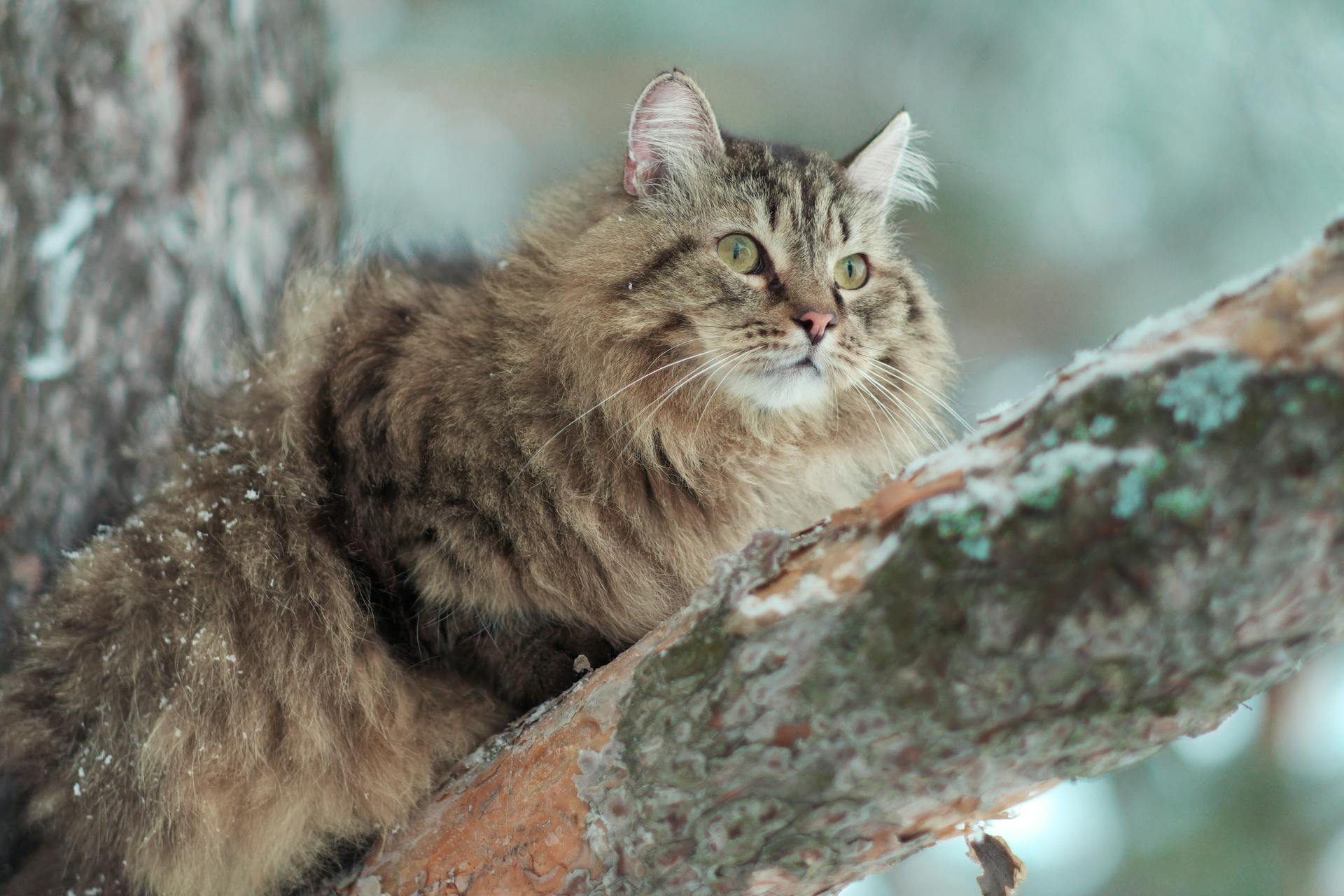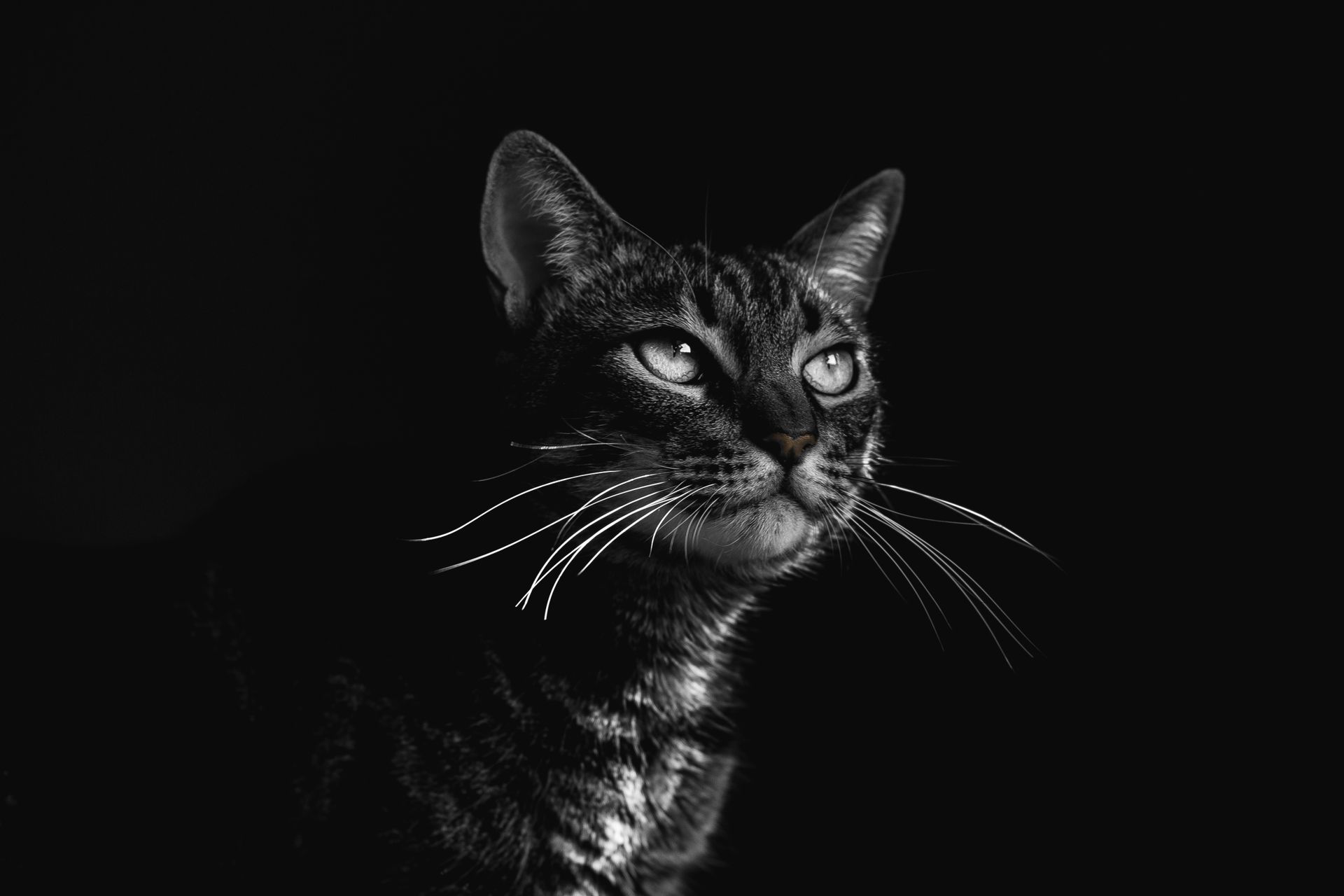
Let's dive into the wonderful world of cat tabbies. The classic M-shaped markings on a cat's forehead are a hallmark of the tabby pattern, which is caused by the interaction of two types of melanin: eumelanin and pheomelanin.
There are four main types of tabby cats: Classic, Mackerel, Ticked, and Spotted. Each type has its own unique characteristics and patterns, but they all share that distinctive tabby look.
The Classic tabby pattern features broad stripes or swirling patterns on the body, often with a distinctive M on the forehead. This pattern is usually seen in cats with a brown or gray coat.
Some breeds, like the Abyssinian, have a ticked tabby pattern, where the individual hairs have agouti bands that give a mottled appearance.
Cat Tabby Types
If you're fascinated by the different types of tabby cats, you're in luck! There are numerous breeds that can sport this iconic coat pattern.
The Cat Fanciers' Association (CFA) recognizes over 20 breeds that can have the tabby pattern. These breeds include Abyssinian, American Bobtail, and American Shorthair, to name just a few.
Some of the most popular breeds that display the tabby pattern include the Maine Coon, Persian, and Ragdoll. These breeds are known for their stunning coats and playful personalities.
The tabby pattern is not just limited to these breeds, however. Many other breeds, such as the Egyptian Mau and the Ocicat, can also display this coat pattern.
The 20+ breeds that can have the tabby pattern are listed below:
- Abyssinian
- American Bobtail
- American Curl
- American Shorthair
- American Wirehair
- Birman
- Colorpoint Shorthair
- Egyptian Mau
- Exotic Shorthair
- Javanese
- LaPerm
- Maine Coon
- Manx
- Norwegian Forest Cat
- Ocicat
- Oriental Shorthair
- Persian
- Ragdoll
- Rex (Devon, Selkirk, and Cornish)
- Scottish Fold
- Siberian
- Singapura
- Somali
- Turkish Angora
- Turkish Van
Appearance
Tabby cats come in a wide range of sizes and shapes, from petite to ponderous.
The tabby pattern has a lot of variation, even within the same breed.
Classic tabby cats have whorls that end in a "target" on the side of the cat, often seen in American shorthair cats.
Mackerel tabbies are the most common type, with striped rings around their tail and legs, a "necklace" of stripes on the front of their chests, and bands of solid or broken stripes running down the sides of their bodies.
Spotted tabbies have a distinctive appearance, with some breeds like the ocicat and American bobtail showcasing this pattern.
Ticked tabbies have agouti hairs that create a shimmering effect in the sunlight due to the varying bands of color down the length of their hair.
Patched tabby patterns appear on calico or tortoiseshell cats, and are referred to as caliby and torbie, respectively.
Here are the five basic tabby patterns:
- Classic
- Mackerel (striped)
- Spotted
- Ticked
- Patched
Identification and Care
When considering a tabby cat, it's essential to remember that their care needs are largely determined by their breed, not their coat pattern. Generally, tabby cats require regular grooming to prevent matting and tangling of their fur.
Their exercise needs are also similar to those of other cats, so be prepared to provide your tabby cat with plenty of playtime and opportunities for physical activity.
How to Identify
Identifying a tabby cat is easier than you think. You can start by looking at the cat's face, where you'll find a distinctive "M" marking on their forehead.
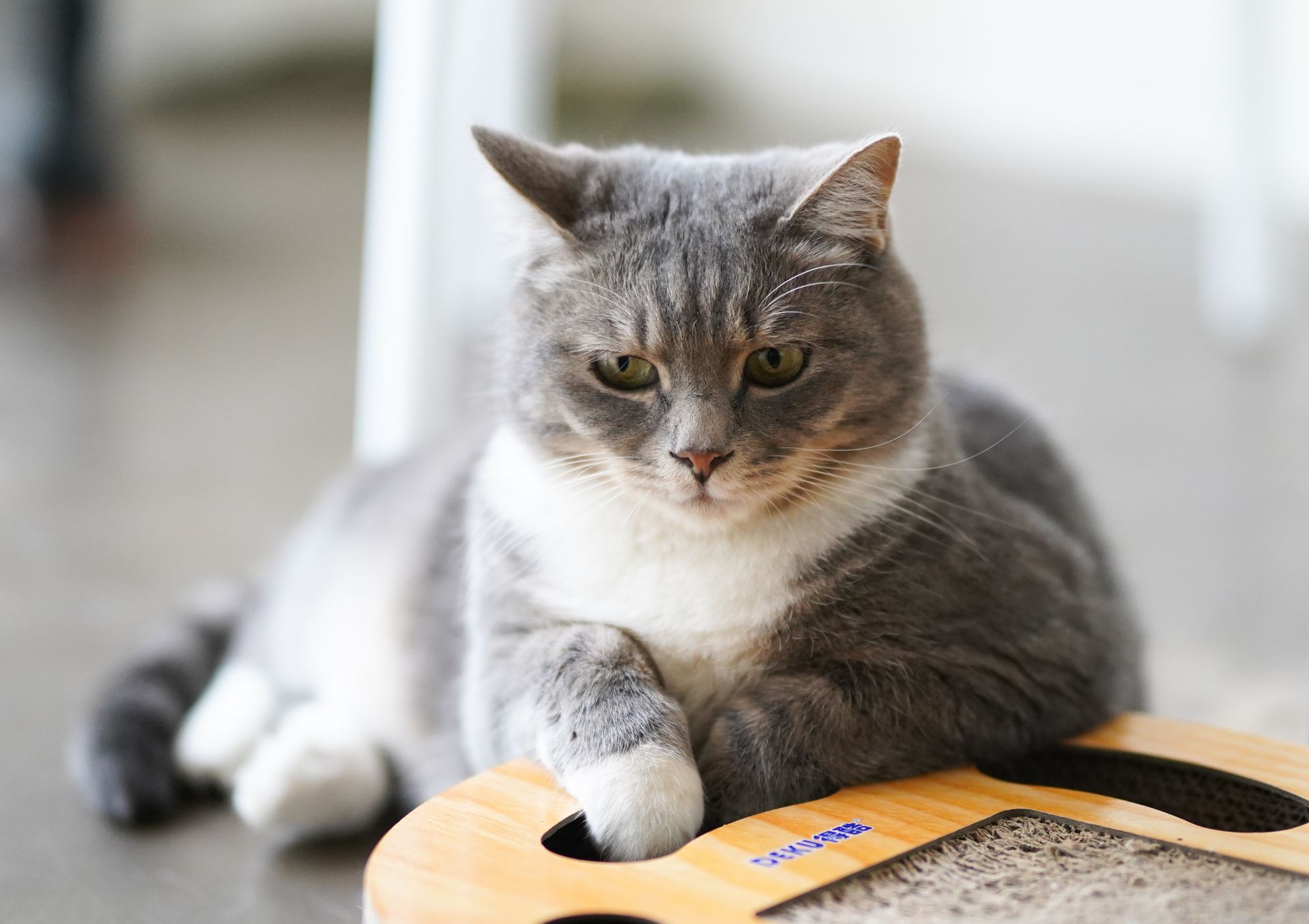
The "M" marking is a classic sign of a tabby cat, and it's said to stand for Mau, the ancient Egyptian word for "cat."
All tabby cats have thin stripes on their faces and markings around their eyes, making them easily recognizable.
If you're looking at an orange or cream-colored cat, you can be sure it's a tabby, genetically speaking.
However, some orange or cream-colored cats have tabby markings that are so faint they appear to be solid colored.
You might need to catch the light just right to see the tabby markings on some cats, but they're there if you look closely.
Where to Adopt/Buy
If you're looking to bring a tabby cat into your life, you have a few options. You can visit your local shelter and adopt a kitten or adult cat - it's a great way to give a loving home to a deserving animal.
To find a reputable cat breeder, you can turn to organizations like the International Cat Association (TICA) and the Cat Fanciers' Association (CFA). They can help you find a breeder in your area who specializes in tabby cats.
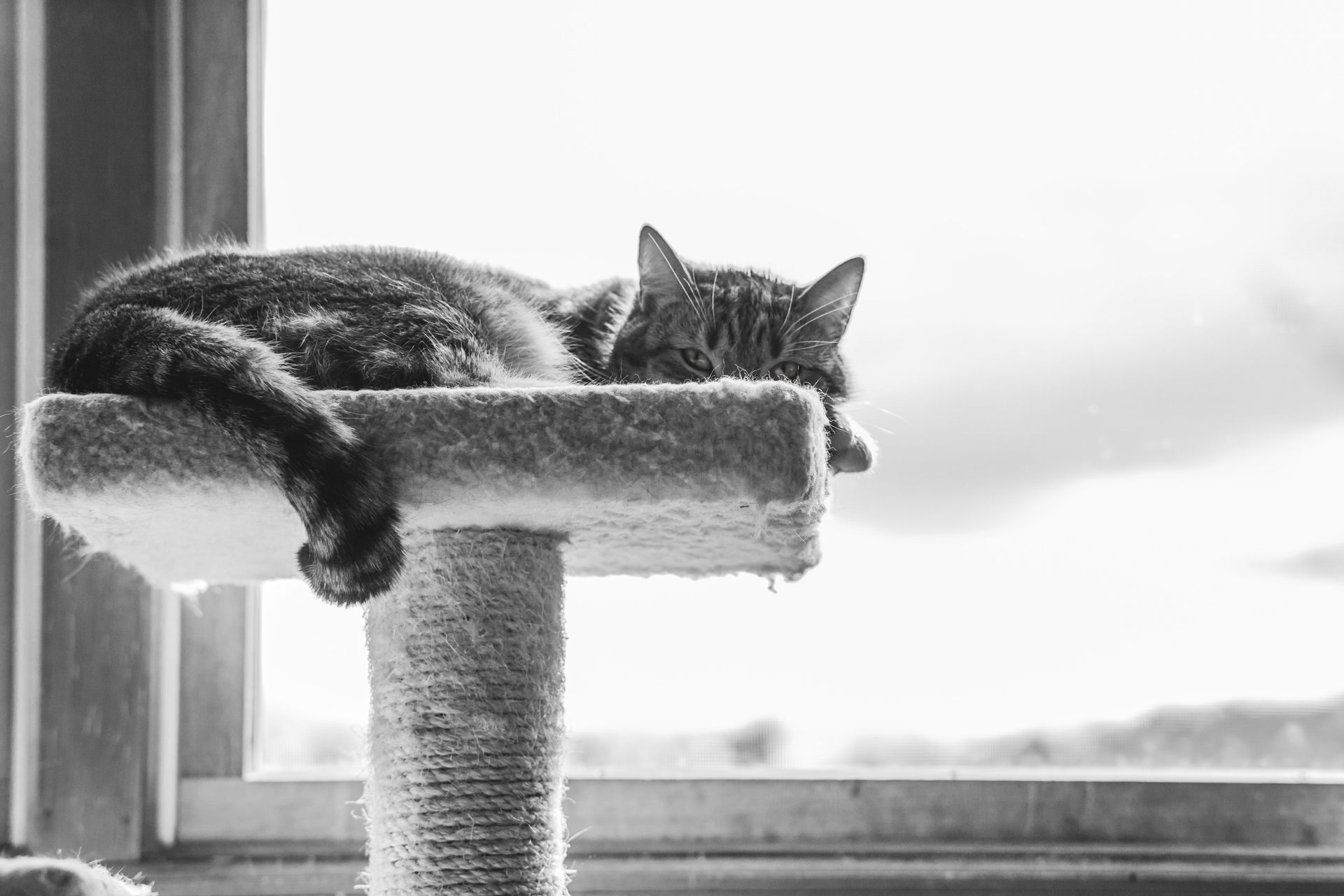
Local shelters are a treasure trove of loving cats just waiting for a forever home. Adopting from a shelter can be a rewarding experience for both you and the cat.
If you do decide to buy from a breeder, make sure to contact them in your region to ask about the availability of tabby cats. This will ensure you're getting a cat that's suited to your local climate and lifestyle.
Care
When it comes to caring for your tabby cat, it's essential to consider their breed rather than their coat pattern.
Tabby cats generally require the same type of care as all cats when it comes to grooming and exercise.
You'll need to talk with your vet to learn more about your specific tabby cat's care needs, including grooming, exercise, and training.
Patterns and Types
The tabby pattern is the most common coat pattern among domestic cat breeds as well as mixed breeds. It's found in almost every cat, but not every cat is a tabby cat.
There are five different types of tabby patterns, distinguished by the way stripes, swirls, and spots appear on the cat's coat. These patterns include mackerel, blotched, ticked, spotted, and marbled.
To determine if a cat is a tabby, you need to study its coat pattern. The best way to do this is to look for the tabby M on the forehead and the banded hairs of alternating darker and lighter colors. This is especially true for ticked tabby cats, which can be harder to identify.
Here are the four main types of tabby patterns: mackerel, blotched, ticked, and spotted.
Some popular cat breeds that can have the tabby pattern include the Abyssinian, American Bobtail, and Maine Coon.
Check this out: Cavapoo Coat Types
History of Breeds
Tabby cats have a rich history that dates back to ancient African wild cats, who had similar patterns to those found on modern tabby cats today.
Most cat breeds have tabby genes, even if they don't show any tabby patterning, which means your solid black cat might have a tabby coat that blends in with its solid color.
The tabby trait is so common in cats that we've seen many variations of the pattern throughout history.
Even if your cat doesn't have a distinctive tabby pattern, it's likely that its ancestors did, and those genes have been passed down through generations.
The tabby pattern is a result of the way the cat's coat is structured, with specific genes controlling the color and pattern of the fur.
Types of Patterns
There are five main types of tabby cat patterns, which are determined by the way agouti hairs are distributed on the cat's body. These patterns include mackerel, blotched, ticked, spotted, and patched.
The classic tabby pattern, also known as the blotched tabby, consists of swirls rather than stripes or spots. These cats have dramatic swirling patterns that are easy to identify, often resembling a marble cake.
The mackerel tabby pattern features stripes, while the spotted tabby pattern displays spots rather than stripes. The ticked tabby pattern, on the other hand, has agouti hairs with alternating light and dark colors, giving a salt-and-pepper effect to the coat.
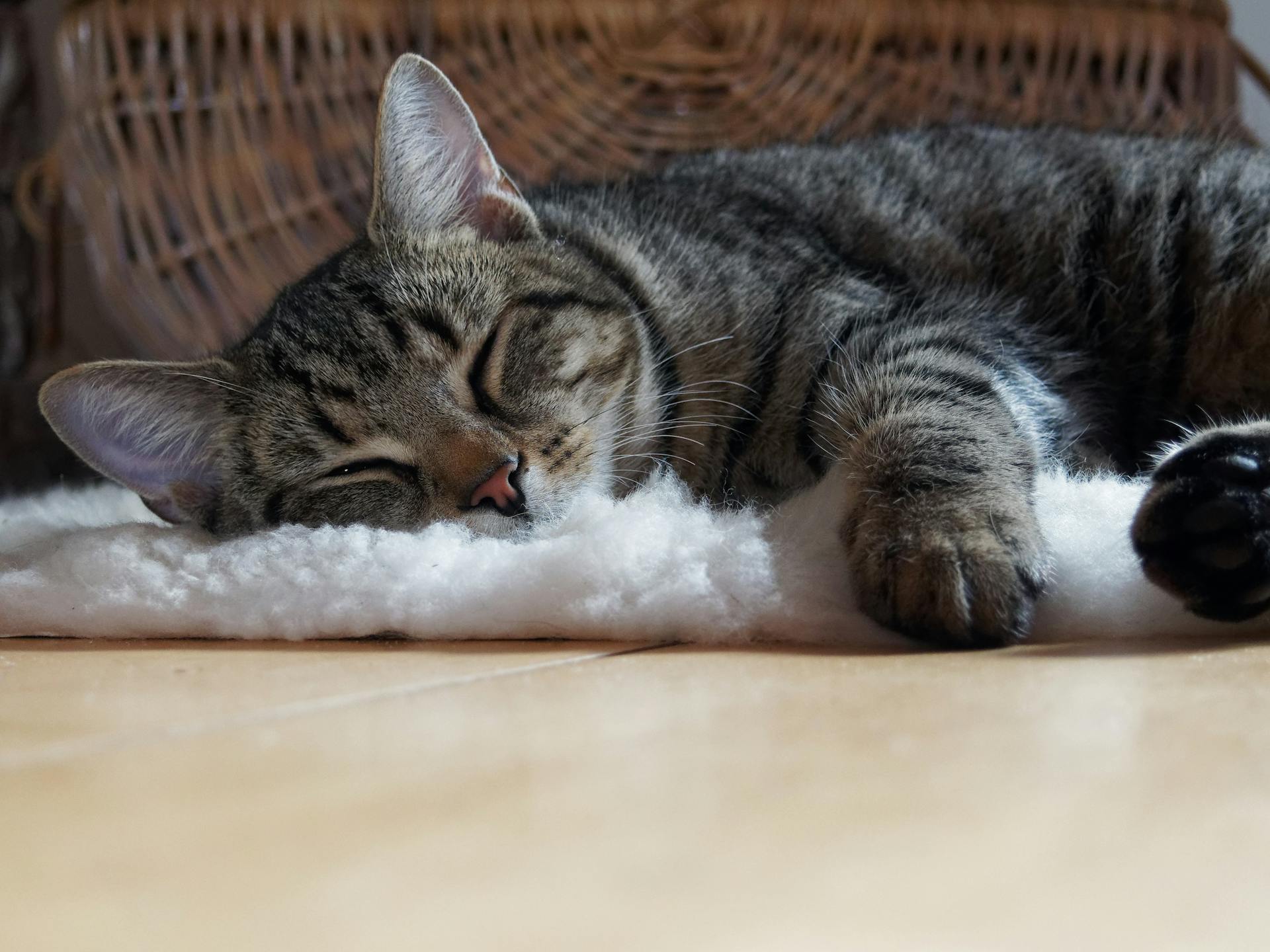
The spotted tabby gene breaks up the tabby pattern into spots, which can vary in size and follow the fur direction. This gene modifies the regular tabby gene, resulting in horizontal stripes on the legs, tail, and face.
Ticked tabby cats, such as the Abyssinian breed, have agouti hairs and no distinct dark-colored markings on the body. However, residual bandings on the legs, tails, and torso might be present in some ticked tabbies.
Here are the five main types of tabby cat patterns:
The genetics behind tabby cats are complex, involving multiple genes and polygenes. However, understanding these genetics can help you identify the different types of tabby cat patterns.
Specific Tabby Types
Some cat breeds have the tabby pattern, including the Abyssinian, American Bobtail, and Maine Coon.
These breeds are recognized by The Cat Fanciers' Association (CFA) as having the tabby pattern. The CFA lists 21 breeds that can display this pattern.
Here are some cat breeds that can display the tabby pattern: AbyssinianAmerican BobtailMaine CoonNorwegian Forest CatScottish FoldSiberian
Mackerel
The mackerel tabby pattern is the original tabby coat pattern, named after the way its stripes resemble a fish skeleton. It's the "default" tabby pattern.
The mackerel tabby gene is dominant, which means if breeders stop selectively breeding tabby cats, entire families would revert to this pattern within a few generations. This pattern is typical in wild cats.
Mackerel tabby cats are also sometimes called "tiger cats" due to their resemblance to tigers. The stripes on a mackerel tabby cat are usually evenly spaced and run vertically down the cat's side.
A thicker stripe runs along the cat's spine, and the pattern is similar to the natural coat of the African wildcat, a distant ancestor to all domestic cats.
Torbicat
Torbicats are a type of cat that can be tricky to identify, but they're definitely worth learning about.
These cats are actually tabby-torties or tabby-calicos, also known as patched tabbies. They display two or three colors, such as black and red, blue and cream, or chocolate and cream.
One of the unique things about Torbicats is that their colors can blend and mix, making them almost indistinguishable from regular tabbies.
They will always carry the same tabby marking all over their body, which can be a fun way to identify them.
Broaden your view: Types of Cat Fur Colors
Featured Images: pexels.com