Cat leukemia, also known as feline leukemia virus (FeLV), is a viral disease that affects cats worldwide.
The life expectancy of a cat with leukemia varies depending on several factors, including the severity of the disease and the cat's overall health.
With proper care and treatment, some cats with leukemia can live for several months, but the prognosis is generally poor.
The average life expectancy for a cat with leukemia is around 1-3 years after diagnosis.
For more insights, see: Cat Stage 4 Kidney Disease Life Expectancy
What is Cat Leukemia?
Cat leukemia, also known as Feline Leukemia Virus (FeLV), is a serious and common infectious disease in cats. It's estimated that about 2-3% of all cats in the United States are infected with FeLV.
FeLV is not a form of cancer or leukemia, despite its name, but rather a retrovirus that invades and replicates in a cat's immune system and blood cells. This can lead to a weakened immune system, making cats more susceptible to illnesses.
The virus can cause a range of complications, including cancers like leukemia and lymphoma, as well as other FeLV-associated diseases. These can include neurologic problems, secondary infections, and immune-mediated diseases.
FeLV is a dynamic virus that can switch between infectious and non-infectious states, making it tricky to diagnose and test for. This means that some cats may not show any clinical signs of the disease at the time of diagnosis, while others may be very ill.
If left untreated, FeLV can be fatal, with most cats dying within three years of diagnosis. However, the prognosis, or life expectancy, varies greatly depending on the stage of infection and the individual cat's health.
Causes and Risk Factors
Kittens born to FeLV-positive mommas are at greatest risk of contracting the infection.
Males are more likely to be infected than females, which is something to keep in mind if you have a multi-cat household.
Living with an infected cat increases your cat's odds of getting FeLV, so it's essential to monitor their health closely.
Outdoor cats are also at elevated risk due to their increased exposure to other cats, many of whom may be infected.
Cats in multi-cat households are more at risk, especially if they share water and food dishes as well as a litter box, which can facilitate the spread of the virus.
Cat infection risk
Your cat's risk of infection is a serious concern, especially when it comes to feline leukemia. Exposure to infected cats dramatically increases your cat's chances of contracting FeLV, especially for kittens and young adult cats.
Older cats are less likely to contract the infection because resistance to infection seems to increase with age. This is a good thing, but it doesn't mean older cats are completely safe.
For indoor-only cats, the risk of contracting FeLV is low due to the decreased chance of encountering already infected felines. However, cats in multi-cat households are more at risk, especially if they share water and food dishes as well as a litter box.
Kittens born to FeLV-positive mommas are at greatest risk, and males are also more likely to be infected than females. Living with an infected cat also increases your cat's odds.
Here are some risk factors to keep in mind:
- Kittens born to FeLV-positive mommas
- Males are more likely to be infected than females
- Living with an infected cat
- Outdoor cats are at elevated risk
- Cats in multi-cat homes
Risk Factors
If you have a kitten, be aware that if its momma is FeLV-positive, your little ball of fluff is at greatest risk. Males are also more likely to be infected than females. Living with an infected cat increases Fluffy's odds, and outdoor cats are at elevated risk too.
Cats in multi-cat homes are also more likely to get infected. This is because FeLV is highly contagious and can be spread through close contact between cats.
Here are some risk factors to keep in mind:
- Kittens born to FeLV-positive mommas
- Males are more likely to be infected than females
- Living with an infected cat
- Outdoor cats
- Cats in multi-cat homes
Symptoms and Diagnosis
Symptoms of feline leukemia can be hard to spot, especially in the early stages. Cats may not show any signs of infection at all, and it can take weeks, months, or even years for symptoms to appear.
Lethargy, weight loss, and respiratory issues are common symptoms of FeLV. Your cat may also experience fever, skin infections, or other health problems.
Diagnosing feline leukemia involves a blood test, which can detect the presence of the virus. There are two main types of blood tests: ELISA and IFA. ELISA detects free FeLV particles in the bloodstream, while IFA detects virus particles within white blood cells.
Signs of
FeLV is typically asymptomatic at first, but symptoms can appear in just a few weeks. Lethargy, weight loss, respiratory issues, and fever are all possible signs of the disease.
A cat may not exhibit any signs of infection at all during the early stages of infection, and it may take weeks, months, or even years for a cat to begin to display signs of infection.
Because FeLV affects the immune system, cats with the disease are more susceptible to other illnesses, and may not recover as quickly from common infections or after surgery. They may develop secondary diseases that can cause severe illness.
If a FeLV positive cat is asymptomatic, this is good news for their quality of life. However, if the disease is progressive, the cat may display symptoms of anemia, lethargy, malaise, and weakness.
Cats with FeLV may develop skin infections, which can be a sign of the disease. Maintaining dental care is also crucial, as infections of the mouth and gums can pass through the bloodstream and cause more issues.
Because of the severity of this disease, FeLV cats should be the only cat in a home or paired with another FeLV+ cat, and should be kept indoors.
How is Diagnosed
Diagnosing Feline Leukemia can be a straightforward process. Your vet may recommend a blood test when you first adopt your cat, before vaccinating against the virus, after exposure to the virus, or if the cat is ill.
The two main types of blood tests used to diagnose FeLV are ELISA and IFA. ELISA detects free FeLV particles in the bloodstream, which is typically done in the vet's office as a screening tool.
The ELISA test is usually the first step in diagnosing FeLV, and it's a relatively quick process. If the ELISA test comes back positive, your vet may recommend a follow-up test to confirm the diagnosis.
IFA is a more specific test that detects virus particles within white blood cells, which typically indicates advanced infection. This test is usually sent out to a diagnostic lab.
In some cases, a third test called PCR may be used to define the stage of infection and gain more information about the cat's infection.
The three main blood tests used to diagnose FeLV are:
- ELISA: detects free FeLV particles in the bloodstream
- IFA: detects virus particles within white blood cells
- PCR: defines the stage of infection and provides more information about the cat's infection
Treatment and Prevention
While there is no cure for feline leukemia, various treatments can help manage symptoms and improve a cat's quality of life.
Treatment options are available to help manage symptoms, but the goal is to improve a cat's quality of life, not to cure the disease.
A vaccine is available that can significantly reduce the risk of feline leukemia infection, making it a crucial part of prevention for cat owners.
- Treatment can help manage symptoms and improve a cat's quality of life.
- A vaccine is available to reduce the risk of feline leukemia infection.
Treatment
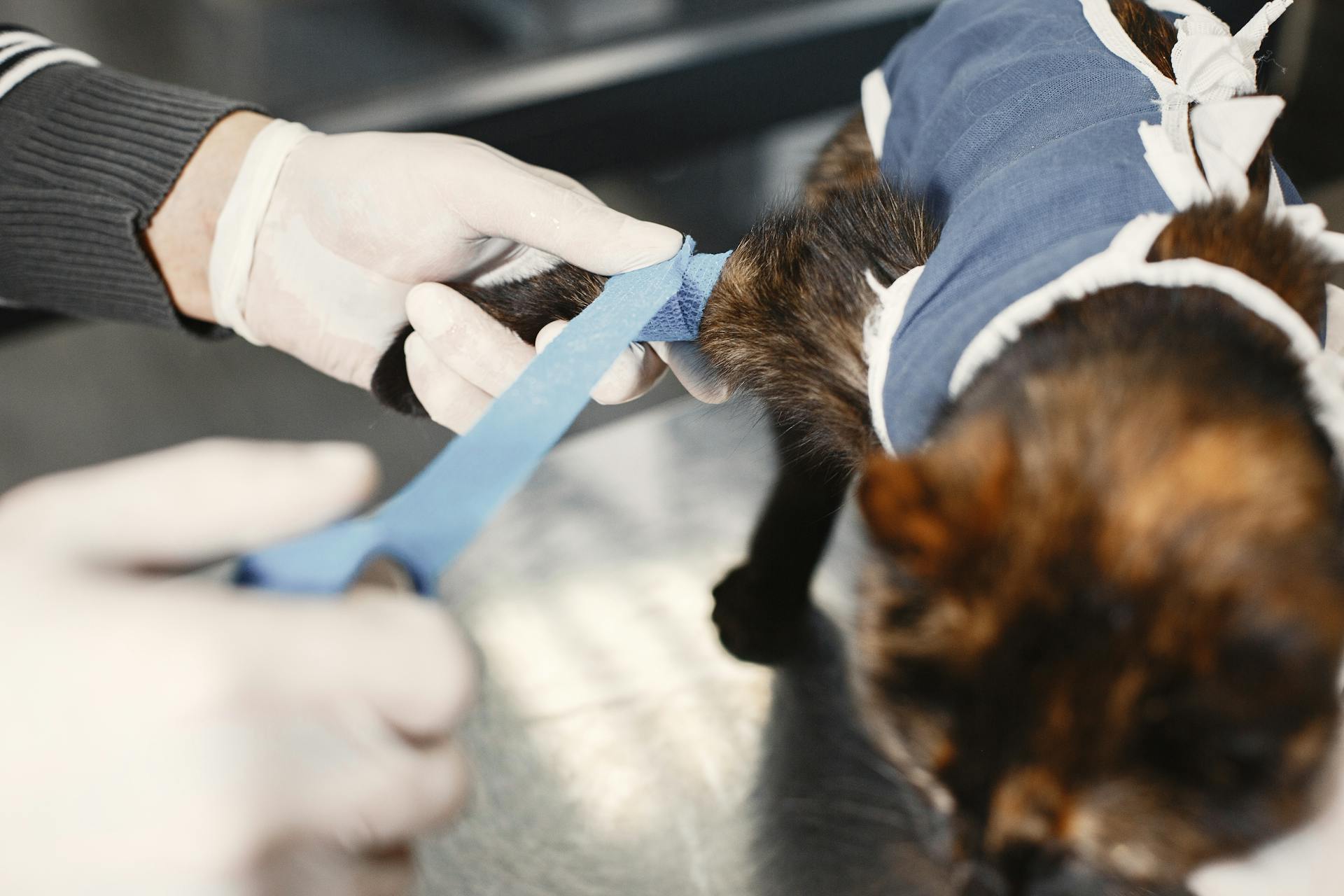
Treatment for feline leukemia is primarily focused on managing symptoms and improving a cat's quality of life, as there is no cure for the disease.
While some treatments can help decrease the amount of FeLV in the bloodstream, these therapies often come with significant side effects. Vets usually treat specific problems or secondary disorders rather than the FeLV directly.
Managing FeLV-positive cats requires extra TLC, including keeping their things clean and making sure they stay inside. This can be a challenge, but with good care, your furry friend can still lead a wonderful life.
Some treatments are available at a cost, but these are not typically used in shelter settings. If you're considering getting a FeLV-negative cat, vaccinating them against FeLV is a good idea, as it's a core vaccine recommended by the American Animal Hospital Association and American Association of Feline Practitioners.
Here are some essential steps to take if your cat has been diagnosed with FeLV:
- Keep your cat's things clean and make sure they stay inside.
- Make frequent veterinary appointments to monitor their health status.
- Consider vaccinating your FeLV-negative cat against FeLV.
Prevention
Preventing exposure to FeLV infected cats is the most effective method to help protect your cat from FeLV.
Keeping cats indoors is a great way to prevent exposure, but if they are allowed outside, consider supervising them or keeping them in an enclosure to avoid interaction with other cats.
All cats should be tested for FeLV prior to introducing them into a home with other cats.
If a cat at home tests positive for FeLV, be sure to test all other cats.
Effective vaccines are available to help prevent FeLV, especially for kittens less than 1 year of age who should receive the initial series of the vaccine.
Annual vaccination is recommended for kittens who have already received the initial series, depending on their lifestyle.
Discuss your cat’s FeLV vaccine schedule with your veterinarian.
A vaccine is available that can significantly reduce the risk of feline leukemia infection.
Life Expectancy and Prognosis
The life expectancy of a cat with leukemia can vary greatly depending on several factors. Typically, about 25% of cats with feline leukemia die within 1 year after being diagnosed.
Factors such as early diagnosis, response to treatment, health status, nutrition, environment, and owner commitment play a significant role in determining a cat's life expectancy. Early diagnosis can improve the prognosis and increase the life expectancy of the sick cat.
The median survival time for cats with FeLV is 2.5 years, and some cats may live even longer than expected with proper care and management. A well-balanced diet, regular veterinary check-ups, and a stress-free environment can significantly improve a cat's quality of life and potentially extend their lifespan.
Can Be Cured
Unfortunately, the answer to this question is a bit of a downer. There is currently no cure for feline leukemia. Treatment focuses on symptom management and improving the affected cat's quality of life.
The good news is that with proper care and management, some cats may live even longer than expected, enjoying a good quality of life despite the virus. However, this is not the case for all cats with feline leukemia.
If we look at the statistics, about 25% of cats with feline leukemia die within 1 year after being diagnosed. This can be a tough reality for many owners.
For another approach, see: Feline Lymphoma Life Expectancy
Prognosis
The prognosis for cats with feline leukemia can be a complex and emotional topic. Cats with FeLV can live normal lives for extended periods of time.
Early detection is key to improving the prognosis and increasing the life expectancy of a cat with feline leukemia. The earlier the diagnosis, the better the chances of slowing down the progression of the disease.
A cat's response to treatment is a crucial factor in determining their life expectancy. If the immune system is strengthened and the response to treatment is positive, the life expectancy will be greater.
Regular veterinary check-ups are essential to monitor the cat's health and adjust treatments as needed. This ensures the cat receives the most effective care possible.
A cat's health status and preventive medicine play a significant role in their life expectancy. Vaccinated cats with up-to-date deworming schedules, balanced diets, and regular physical and mental stimulation tend to have stronger immune systems and respond better to treatment.

A cat's diet has a direct influence on their quality of life, mood, and immune system. Leukemia in cats requires a diet reinforced with vitamins, minerals, and essential nutrients found in premium range balanced foods.
Creating a safe, stimulating, and stress-free environment can significantly improve a cat's well-being and potentially extend their lifespan. This includes providing regular exercise, playtime, and mental stimulation.
The median survival time for cats with FeLV is 2.5 years. However, this can vary widely depending on the stage of the disease and quality of care.
Here are some factors that can influence a cat's life expectancy with feline leukemia:
- Diagnosis stage: Early diagnosis improves the prognosis and increases life expectancy.
- Response to treatment: A positive response to treatment increases life expectancy.
- Health status and preventive medicine: A strong immune system and regular veterinary care improve life expectancy.
- Nutrition: A balanced diet reinforced with vitamins and minerals supports immune function and overall health.
- Environment: A safe, stimulating, and stress-free environment improves well-being and potentially extends lifespan.
- Owner's commitment: Regular veterinary care, emotional support, and companionship are essential for improving life expectancy.
Progressive Infections
As you consider the life expectancy and prognosis for cats with FeLV, it's essential to understand the progression of the disease. Cats with active infection and an inadequate immune response are likely to develop FeLV-associated disease.
Gastrointestinal issues such as diarrhea are common in cats with progressive infections. This can be a sign of a more severe underlying condition.
Cancer, particularly lymphoma and leukemia, is a significant risk for cats with FeLV. These types of cancer can be aggressive and difficult to treat.
A weakened immune system increases the risk of other infections, including viruses, bacterial, or fungal infections. This is a serious concern for cats with progressive infections.
Immune-mediated diseases, where the cat's immune system attacks its own cells, are also a possibility. This can lead to a range of symptoms and complications.
Intestinal inflammation and neurological disorders, such as blindness, can also occur in cats with progressive infections. These conditions can significantly impact a cat's quality of life.
Stomatitis, a severe inflammation of the mouth, is another potential complication of progressive infections. This can cause significant pain and discomfort for the cat.
Check this out: Canine Bone Cancer Life Expectancy
FeLV and Cat Health
FeLV primarily targets the immune system of cats by infecting and killing cells in the hematopoietic system, including various types of white blood cells. This compromises a cat's immune defenses, making them highly susceptible to secondary infections and health complications.
The average life expectancy for cats diagnosed with FeLV can vary significantly, but many FeLV-positive cats may live only a few years after diagnosis, with a substantial number suffering from related health issues. Early detection and comprehensive care are crucial for extending their quality of life.
FeLV can become dormant within a cat's body and reactivate later, leading to clinical signs of the disease. Regular veterinary check-ups are essential for cats known to have been exposed to FeLV.
Cat Socialization
Cats diagnosed with feline leukemia should ideally be isolated from healthy cats to prevent the spread of the virus. This means that if you have a cat with FeLV, it's best to keep them separate from your other cats, even if they're in the same household.
Living with other cats is a common concern for many FeLV cat owners, and it's essential to understand the risks involved. Cats diagnosed with feline leukemia should ideally be isolated from healthy cats to prevent the spread of the virus.
Species specificity is a key factor to consider when it comes to socializing your cat with others. The virus that causes feline leukemia is highly contagious and can be transmitted through contact with an infected cat's saliva, urine, or feces.
Here are some key points to consider when it comes to cat socialization:
- Living arrangements should be adjusted to prevent contact between healthy and infected cats.
- Species specificity is a key factor in preventing the spread of the virus.
Which Cat Cells Does FeLV Target?
FeLV primarily targets the immune system of cats by infecting and killing cells in the hematopoietic system.
This system includes various types of white blood cells that play a crucial role in fighting off infections and diseases.
FeLV compromises a cat's immune defenses, making them highly susceptible to secondary infections.
The impact of FeLV on these crucial immune cells is vital for managing the health and well-being of infected felines.
FeLV's detrimental effect on white blood cells can lead to various health complications that can decrease a cat's life expectancy.
Infected cats may experience a range of symptoms, from mild to severe, due to their compromised immune system.
Types of Infections
Cats with FeLV are more susceptible to other illnesses, which can make recovery from common infections or surgery more difficult.
Infections of the mouth and gums can be a major concern, as they can pass through the bloodstream and cause more issues.
Maintaining dental care is crucial to prevent these infections.
Raw foods and unpasteurized dairy products should be avoided due to their high risk of food-borne bacterial and parasitic infections.
A high-quality diet and low-stress environment can help support a cat's overall health and well-being.
FeLV cats may develop anemia, lethargy, malaise, and weakness as their immune system is suppressed.
They may also develop leukemia or lymphoma, which can be fatal.
These cats often die young, and it can be heartbreaking to navigate.
Euthanasia and End-of-Life Care
Euthanasia may be considered for cats with feline leukemia when their quality of life is severely diminished and they are suffering.
Cats with feline leukemia may experience a range of symptoms, including weight loss, loss of appetite, and lethargy.
Euthanasia can be a compassionate and humane option to end a cat's suffering, especially if they are no longer responding to treatment.
In some cases, cats with feline leukemia may live for several years, but their quality of life may be significantly impacted.
Ultimately, the decision to euthanize a cat with feline leukemia should be made on a case-by-case basis, taking into account the individual cat's needs and circumstances.
FeLV Facts and Myths
FeLV is a viral disease that affects cats worldwide, with an estimated 1.4 million cases reported annually in the United States alone.
Facts about FeLV include that it's primarily spread through direct contact with an infected cat's saliva, urine, or feces, and that the virus can survive outside a host for up to 14 days.
It's worth noting that FeLV is not contagious to humans, but it can be transmitted to other cats through grooming, sharing food and water bowls, or even just being in the same room as an infected cat.
FeLV-infected cats are more susceptible to secondary infections and diseases, such as anemia, diarrhea, and pneumonia, which can significantly impact their quality of life.
The virus can remain dormant in a cat's body for years, but once it becomes active, the cat's immune system may not be able to fight it off, leading to a decline in overall health.
While some cats may not show any symptoms, others may exhibit a range of signs, including loss of appetite, weight loss, and lethargy.
Cats with FeLV have a shorter life expectancy compared to their healthy counterparts, with an average life span of 2-4 years after diagnosis.
A fresh viewpoint: Shih Tzu Life Expectancy Human Years
FeLV Treatment and Prognosis
There is no cure for feline leukemia, but various treatments can help manage symptoms and improve a cat's quality of life. These treatments can decrease the amount of FeLV in the bloodstream, but they often have significant side effects.
While some cats can live normal lives for extended periods of time, a diagnosis of FeLV can be emotional and confusing. The median survival time is 2.5 years, and cats with FeLV can live mostly normal lives for prolonged periods of time, though their lifespans will be shortened by several years.
A cat's quality of life can be managed with careful monitoring and supportive care. This includes regular veterinary check-ups, a high-quality diet, and a low-stress environment. Maintaining dental care is also crucial, as infections of the mouth and gums can pass through the bloodstream and cause more issues.
Here are some key statistics about FeLV treatment and prognosis:
- Median survival time: 2.5 years
- Average lifespan after diagnosis: 2-5 years
It's essential to note that FeLV itself does not cause death; rather, it is the subsequent diseases that often come up because of the weakened immune system. By understanding the prognosis and treatment options, you can provide the best possible care for your cat.
Can FeLV Reactivate?
FeLV can become dormant within a cat's body and reactivate later, often due to immune suppression or other health stresses. This reactivation can lead to clinical signs of the disease.
Cats that initially control the infection well may appear healthy and asymptomatic for a period, but the virus can persist in a latent state within the bone marrow.
Regular veterinary check-ups are crucial for cats known to have been exposed to FeLV, as reactivation can occur at any time.
FeLV can reactivate years down the road and cause the immune system to wreak havoc, progressively deteriorating a cat's health.
In some cases, the disease may be "floating around" and hasn't made it to the marrow yet, requiring repeated testing to confirm the diagnosis.
FeLV Treatment
Unfortunately, there is no cure for feline leukemia, but various treatments can help manage symptoms and improve a cat's quality of life.
While there are some expensive treatments available, they are not within the scope of shelter use.
Some treatments aim to decrease the amount of FeLV in the bloodstream of infected cats, but these therapies may have significant side effects.
Vets managing FeLV-positive felines usually treat specific problems or secondary disorders rather than the FeLV directly.
A vaccine is available for FeLV in negative cats, and it's recommended as a core vaccine by the American Animal Hospital Association and American Association of Feline Practitioners.
Spaying and neutering your cats and vaccinating your FeLV negative cats is the best way to stop the spread of FeLV.
Here are some treatment options for FeLV:
- Treatment may include managing symptoms and improving quality of life.
Featured Images: pexels.com