Understanding cat genetics is crucial for cat owners and breeders who want to know more about their feline friends. The genetic code of a cat is made up of 19,000-20,000 protein-coding genes.
These genes are responsible for determining a cat's physical characteristics, such as coat color, length, and texture. For example, the genetics of the Siamese breed determine their pointy ears and short, fine coat.
The genetics of a cat also influence their behavior and temperament. Some breeds, like the Abyssinian, are known for their energetic and playful personalities.
Additional reading: American Bully Genetics
Cat Genetics Basics
Cats have around 20,000 genes, which is a staggering number.
Only about 20 of these genes are responsible for coat color and pattern.
All cats possess two types of color pigments: phaeomelanin (red/orange/yellow) and melanin (black/brown).
These two pigments interact with each other to create the wide variety of colors and patterns we see in cats.
There are five categories of genes that determine a cat's coat: colors, modifiers, tabby, white, and hair style.
The genes that determine colors include Agouti, O, C, and E-genes.
Color modifying genes include B, D, and I-genes, as well as the Wideband effect.
Tabby genes determine the stripes and spots on a cat's coat.
W-genes determine the presence of white coat, spots, or socks.
The final category, hair style, determines the length, curl, hairlessness, bengal fuzziness, and glitter of a cat's coat.
The interaction of all these genes collectively determines the final color, shape, and pattern of the coat.
Here's a breakdown of the five categories of genes:
- Colors: Agouti, O, C, and E-genes
- Modifiers: B, D, and I-genes + Wideband effect
- Tabby: Tabby genes
- White: W-genes
- Hair Style: hair length, curls, hairless, bengal fuzzy and glitter
Genetic Analysis
Genetic analysis is a crucial step in understanding cat genetics. It can be done at various laboratories around the world.
The University of California at Davis has a well-known veterinary genetics laboratory that offers testing for several coat color genes, including Agouti, charcoal, Brown, Colorpoint constraints, Dilute, and Amber. This lab is also used by some breeders.
Genomic DNA can be extracted from buccal swabs or tissues using a QIAamp DNA kit. This DNA is then used for genotyping, which involves identifying specific genetic variations.
Ticked Genetic Analysis
The Ticked gene is a semidominant derivative allele that obscures tabby markings except on the legs and tail when heterozygous, and eliminates tabby markings when homozygous.
Ticked is responsible for the "servaline" pattern of spotted Savannah cats, where large dark spots are reduced in size and increased in number.
The Ticked gene was originally thought to be part of an allelic series with Ta and Ta, but was subsequently mapped to an independent locus on chrB1.
Ticked cats can be found in breeds such as the Abyssinian, Burmese, or Singapura, where it has been selected for to showcase hair banding patterns across the entire body surface.
Here's a breakdown of the Ticked gene's effects:
The Ticked gene is an important consideration for cat breeders, as it can significantly impact the appearance of a cat's coat.
Single-Cell RNAseq
Single-Cell RNAseq is a powerful tool for understanding the genetic makeup of individual cells. It allows researchers to analyze the unique gene expression patterns of each cell, providing insights into cellular heterogeneity and development.
This technique involves sequencing the RNA of individual cells, which can reveal the specific genes being expressed at a given time. By comparing the gene expression profiles of different cells, researchers can identify patterns and variations that may not be apparent when analyzing bulk cell populations.
Single-Cell RNAseq has been used to study various biological processes, including embryonic development and cancer progression. It has also been applied to the study of rare cell types, such as neurons and immune cells.
One of the key advantages of Single-Cell RNAseq is its ability to detect low-abundance transcripts, which may be present in only a small fraction of cells. This is particularly useful for studying rare cell populations or identifying potential biomarkers for disease.
Examples of Complete Genetic Descriptions
Genetic descriptions are used to determine the colors and pattern of a cat's coat. They can be complex, but let's break it down with some examples.
A complete genetic description includes several genes that work together to create the cat's coat. The genes mentioned in the examples include a, B, cs, d, dm, i, l, Ws, o, A, B, C, D, L, mc, Sp, and O.
Each gene has a specific function in determining the cat's coat. For example, the i gene determines the intensity of the color, while the Ws gene determines the width of the stripes.
The genetic description for a red tabby spotted bicolor cat includes the genes A/-, B/-, C/-, D/-, i/i+wb, L/L, Ws/Ws, mc/mc, Sp/Sp, and O/-. This combination of genes results in the distinctive red tabby coat with spots.
Some cats have a genetic description that includes the genes a/a, B/-, cs/cs, d/d, dm/dm, i/i+wb, l/l, Ws/Ws, and o/o. This combination of genes determines the colors and pattern of the cat's coat, resulting in a red tabby spotted bicolor coat.
For your interest: All about Tabby Cats
Biological Samples
Biological samples were recovered from feral cats after spaying surgery in California, where tissues were processed within 18 hours.
The tissues were staged based on crown-rump length and anatomic development, which is crucial for accurate analysis.
Genomic DNA was collected from buccal swabs at cat shows with owner permission or by mail submission from breeders.
Buccal swabs were used to extract genomic DNA, specifically with a QIAamp DNA kit from Qiagen.
Genotyping was based on Sanger sequencing of PCR amplicons, allowing for precise identification of genetic markers.
Coat Color and Pattern
Coat color and pattern in cats are determined by genetics, and understanding these genes can help explain the incredible diversity of feline coats.
The genetics behind cat coat colors involves multiple genes working together to produce the wide range of colors and patterns we see. One of the most important genes is the agouti gene, which determines whether a cat will have tabby markings or a solid color coat.
Tabby markings come in four main patterns: classic, mackerel, spotted, and ticked. Each pattern is influenced by specific genes that determine the arrangement and appearance of the stripes, spots, or swirls on a cat's coat.
The primary genes involved in tabby markings are the Agouti Gene (A), Tabby Gene (T), and Ticked Gene (Ta). The Agouti Gene determines whether a cat will have tabby markings at all, while the Tabby Gene influences the type of tabby pattern a cat will have.
Here's a summary of the main genes involved in tabby markings:
Modifier genes can further influence the intensity and distribution of tabby markings, affecting the width of stripes, the clarity of the pattern, and even the coloration.
Some cat breeds, like the Abyssinian, have a wide-band gene that creates a golden appearance in their tabby coats. This is just one example of how modifier genes can shape the appearance of a cat's coat.
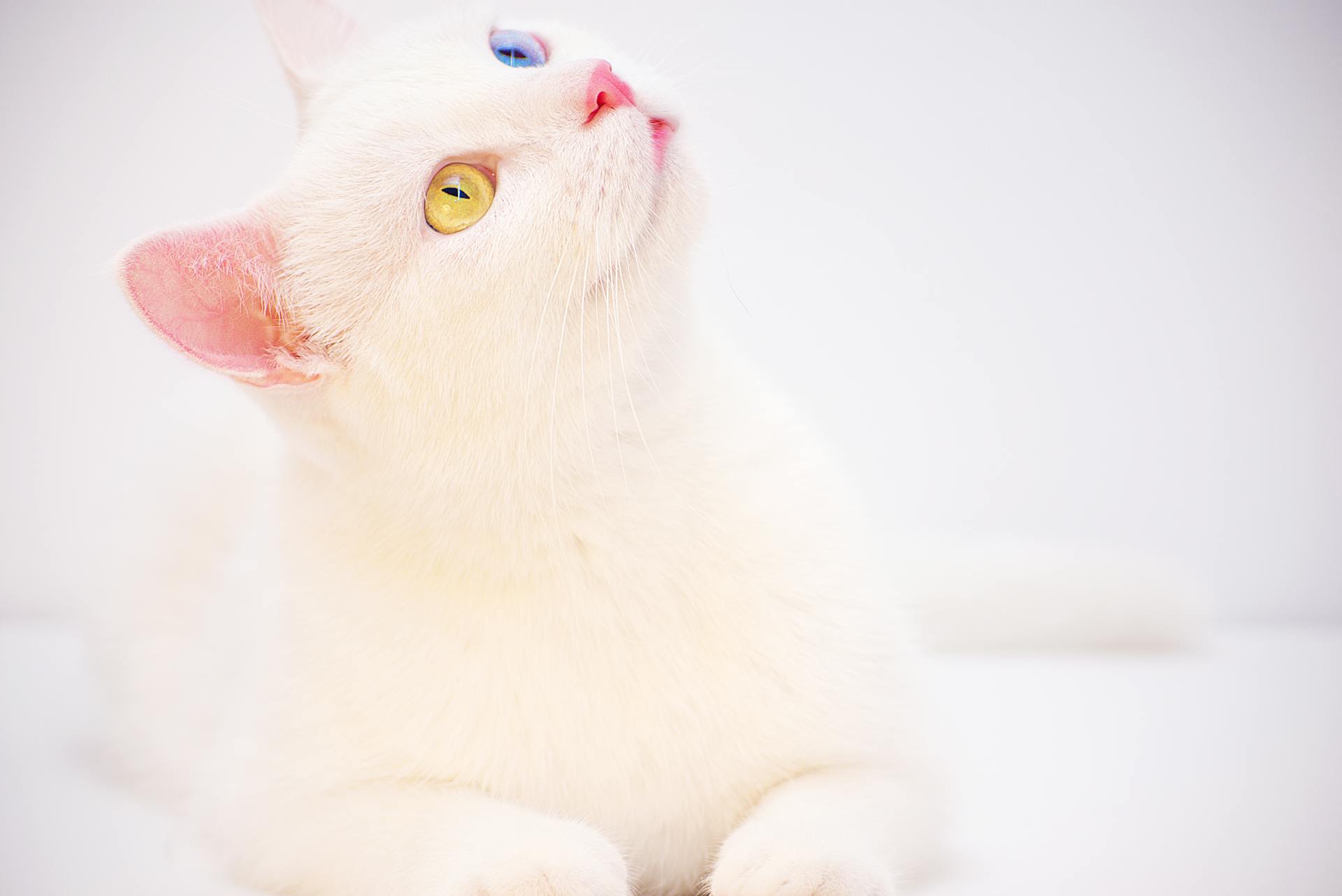
In addition to tabby markings, genetics also play a role in determining a cat's coat color. The W-genes, for example, are responsible for a cat's white coat color. A dominant W-gene can cause a cat to be completely white, while a recessive W-gene can result in a cat with white spots or gloves.
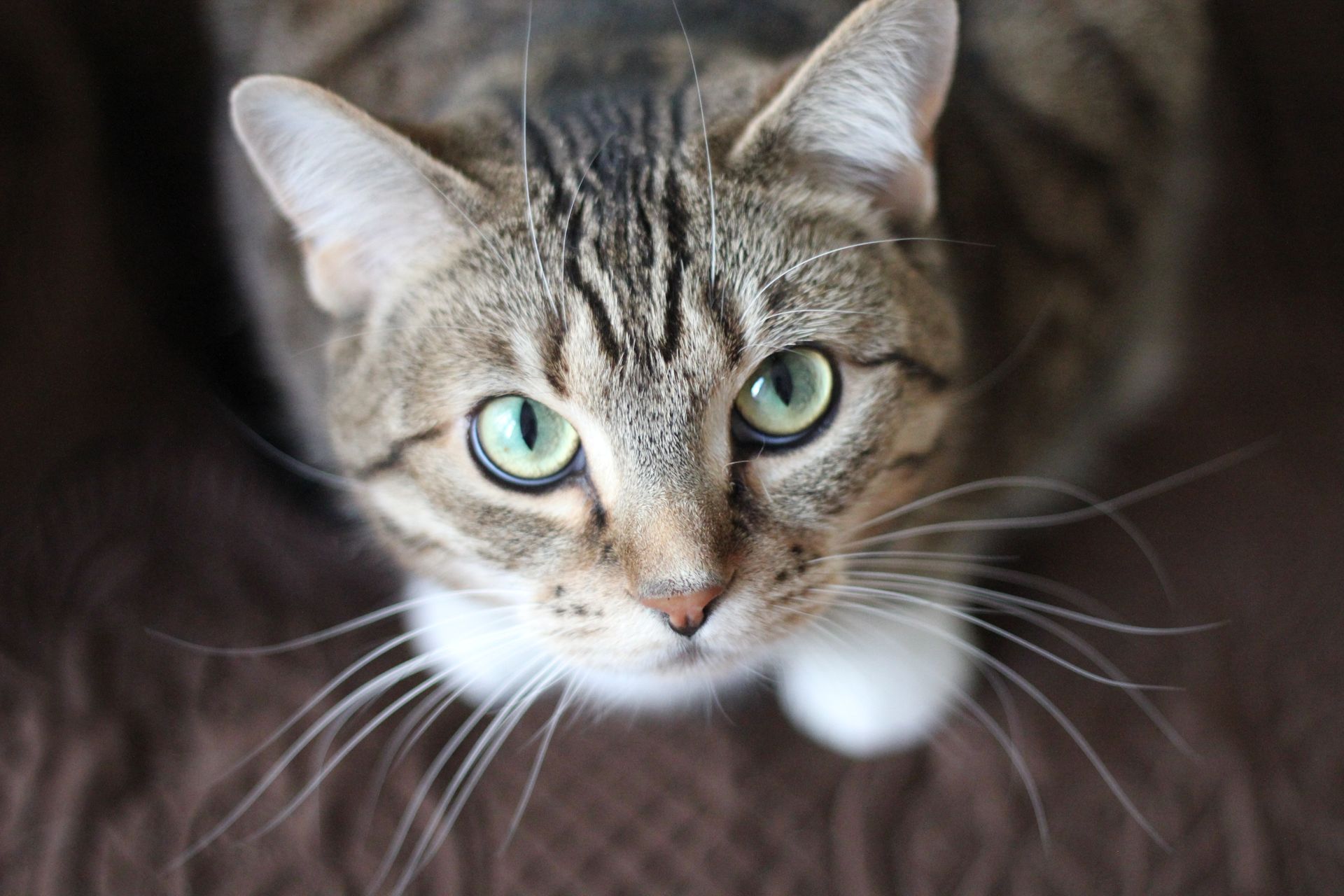
Here's a summary of the W-genes:
- W/-: all-white cat
- Ws/Ws: cat with white spots or mostly white
- Ws/w: same as Ws/Ws, but often less white
- Ws/wg: cat with white spots and white gloves
- w/w: normal or non-white cat (apart from albino)
- w/wg or wg/wg: white gloved or mitted cat
Understanding these genes can help us appreciate the incredible diversity of feline coats and the complex genetic mechanisms that underlie them.
Hair and Color
Cats have a remarkable range of coat colors and patterns, and it's all thanks to their genetics. A cat's coat color is determined by a combination of genes, with around 20 genes responsible for coat color and pattern.
These genes interact with each other to produce the final color, shape, and pattern of the coat. There are 5 categories of genes that determine a cat's coat: color, modifiers, tabby, white, and hair style.
Here are the 5 categories of genes that determine a cat's coat:
- The genes that determine colors: Agouti, O, C, and E-genes.
- Color modifying genes: B, D, and I-genes + Wideband effect.
- The genes for stripes and spots: Tabby genes.
- The genes for white coat, spots, or socks: W-genes.
- The genes for the style of hair: hair length, curls, hairless, bengal fuzzy, and glitter.
By understanding these genes, you can get a better idea of what your cat's coat color and pattern are likely to be.
Epidermal Thickening in Fetal Skin
Epidermal thickening in fetal skin is a fascinating process that sets the stage for the development of hair and color patterns in cats. By stage 16, the skin of a fetal cat is already showing patterns of epidermal thickening.
These patterns can be observed in histology images, which show the thick and thin epidermis at different developmental stages. Immunofluorescence for specific proteins like Krt5, Ki67, and Krt10 also reveals the organization of the epidermis.
In fact, by stage 22, well-developed hair follicles are present, and they can be categorized according to the type of melanin produced. This gives rise to the tabby pattern, where dark markings contain mostly eumelanin and light areas contain mostly pheomelanin.
The topology of epidermal thickening is also influenced by genetic variation, specifically in the Transmembrane aminopeptidase Q (Taqpep) gene. Loss-of-function mutations in Taqpep cause the ancestral pattern of dark narrow stripes to expand into less well-organized large whorls.
Two-dimensional maps assembled from serial sections of embryos of different genotypes reveal that thick epidermal regions from Ta/Ta embryos are organized into vertically oriented columns, separated by larger thin epidermal regions. This is in contrast to Ta/− embryos, where the thick epidermal regions are broadened.
Five Cat Hair Categories
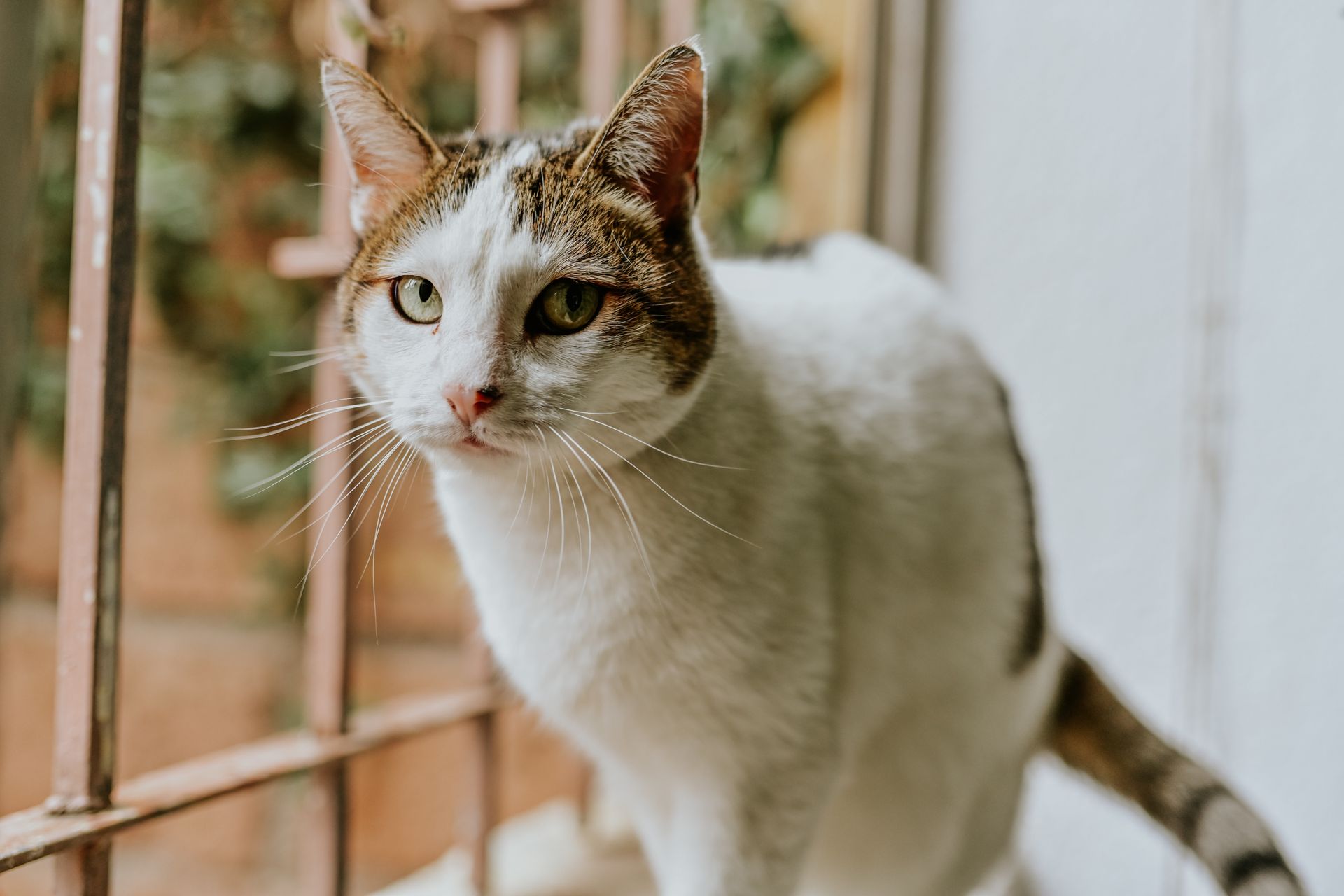
Cats have a total of 5 categories that determine their hair characteristics. These categories are crucial in understanding the genetics behind a cat's coat.
The first category is color, which is determined by 4 genes: Agouti, O, C, and E-genes. These genes work together to produce the various colors we see in cats, from red to black.
The second category is modifiers, which are influenced by 3 genes: B, D, and I-genes, as well as the Wideband effect. These genes modify the colors produced by the first category, resulting in different shades and tones.
Tabby is the third category, and it's actually a universal trait among cats. All cats are tabby at their core, with stripes and patterns being the result of the interaction between genes.
White coat, spots, or socks are determined by the W-genes, which fall under the fourth category. These genes can mask or suppress the colors and patterns produced by the first three categories.
The final category is hair style, which encompasses a range of characteristics including hair length, curls, hairlessness, Bengal fuzziness, and glitter. This category is the most diverse, with many different styles and textures possible.
Genetic Factors
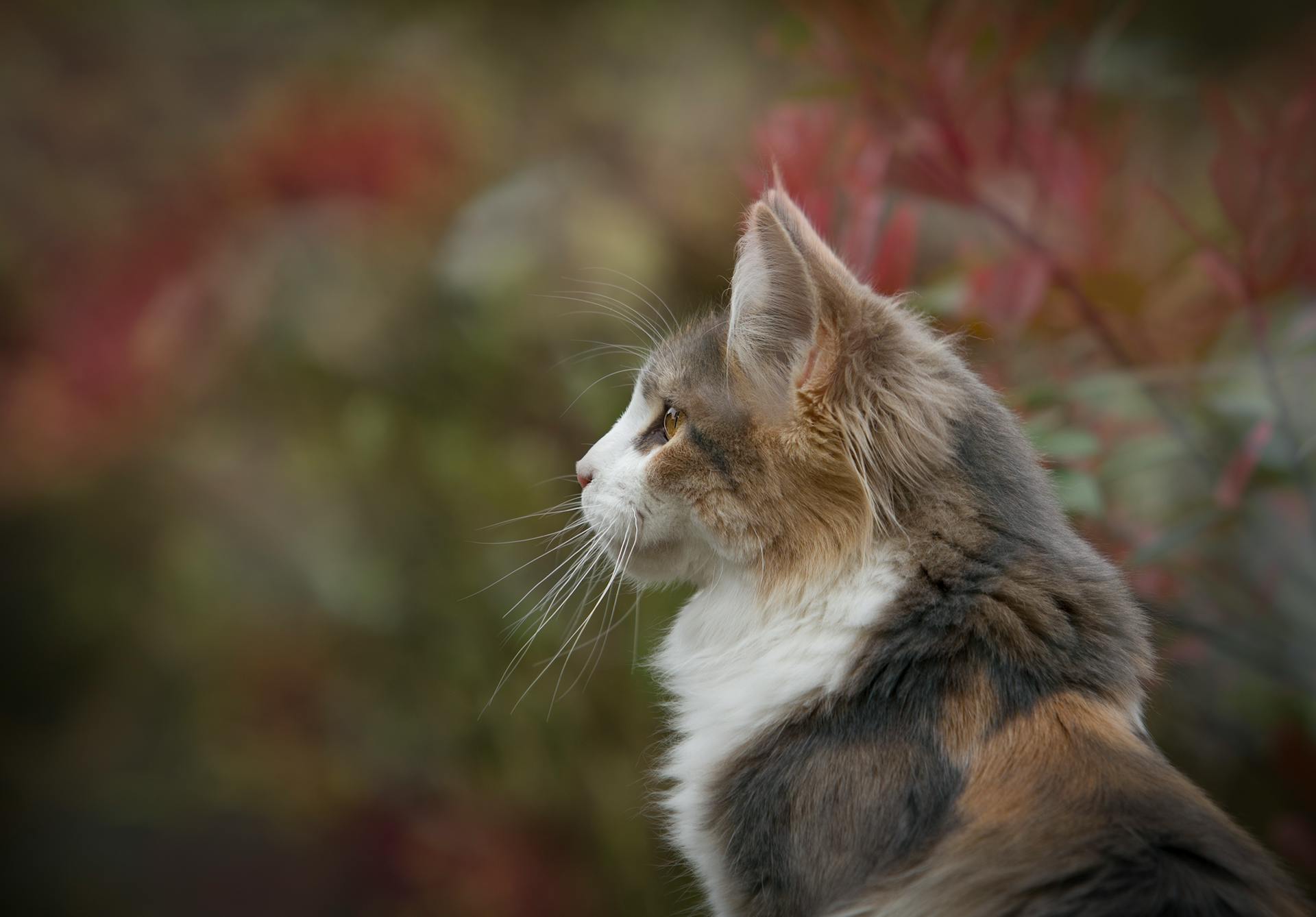
Modifier genes play a significant role in determining the intensity and distribution of tabby markings in cats. These genes can affect the width of stripes, the clarity of the pattern, and even the coloration.
The wide-band gene, for example, can create the golden appearance seen in some tabbies, particularly in breeds like the Abyssinian.
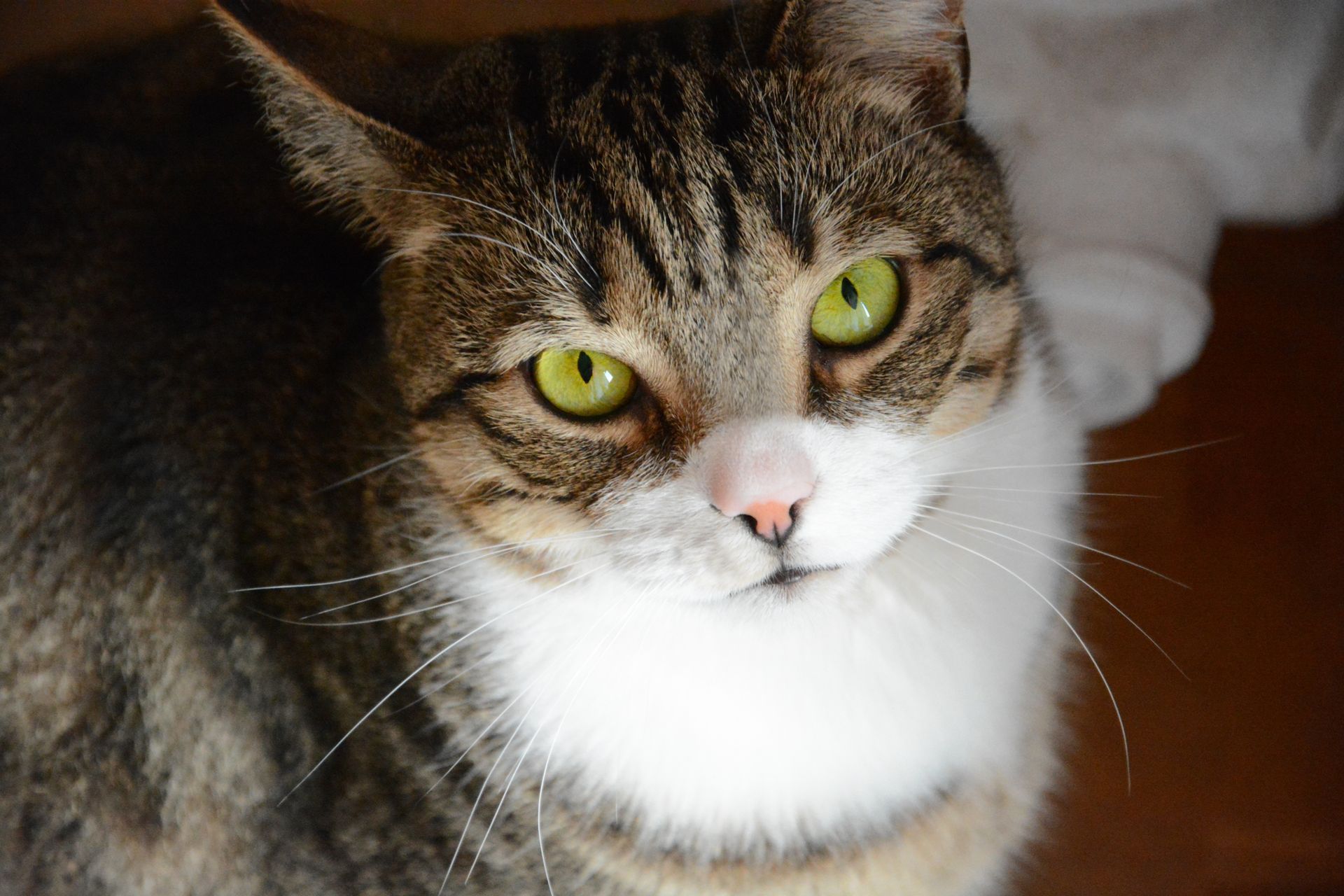
There are four types of tabby cats: Mackerel, Classic, Spotted, and Ticked. Mackerel tabbies have a striped pattern, Classic tabbies have "swirls" of stripes, Spotted tabbies have spots, and Ticked tabbies have no visible pattern of stripes or spots.
The genetic description of a cat's coat is made up of multiple genes, including the A, B, C, D, i, L, Ws, mc, and Sp genes. For example, a Red tabby spotted bicolor cat has the genetic description A/-, B/-, C/-, D/-, i/i+wb, L/L, Ws/Ws, mc/mc, Sp/Sp, O/-.
Modifier Factors
Modifier genes play a significant role in shaping the appearance of tabby markings, influencing their intensity and distribution.
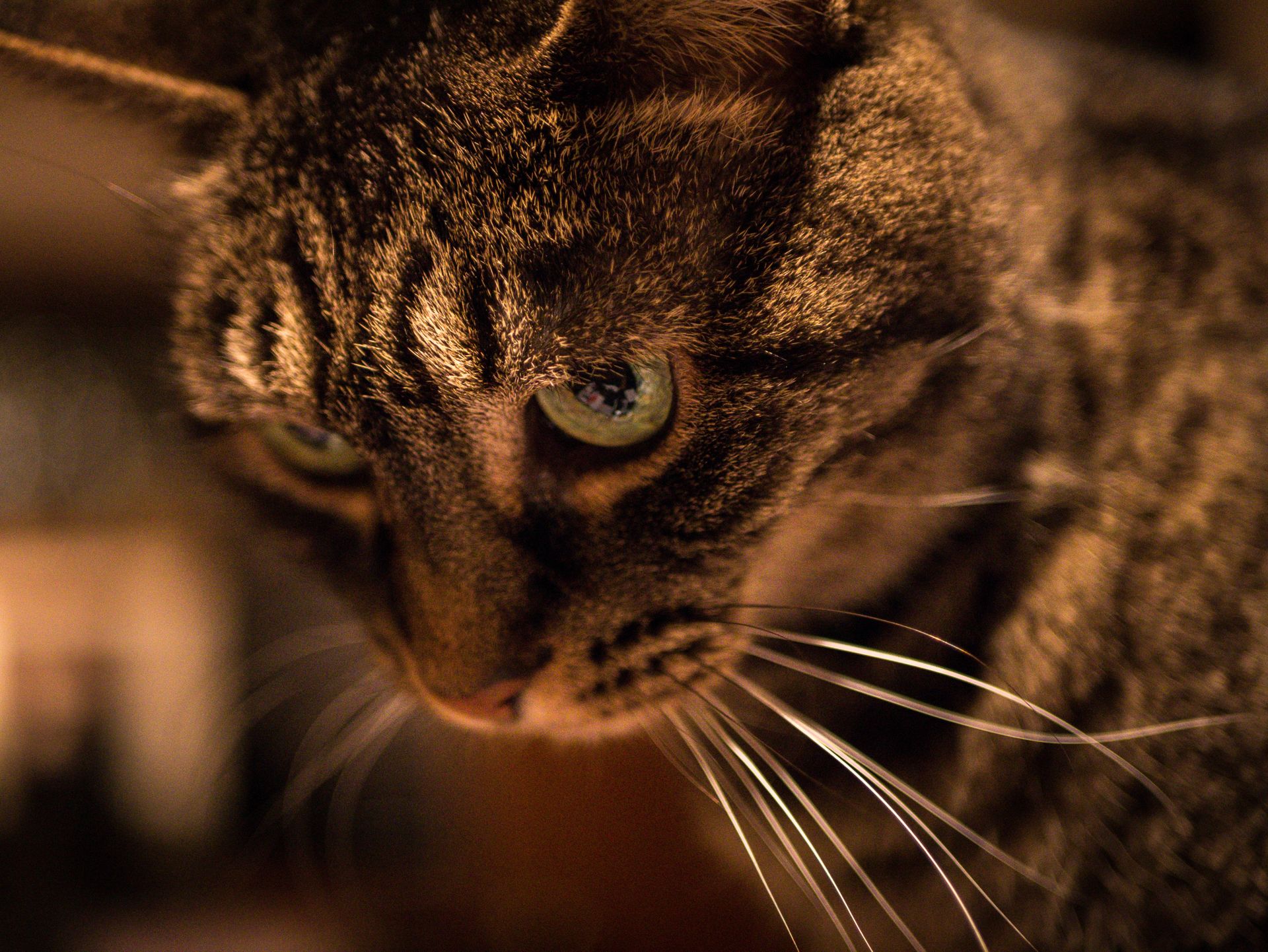
These genes can affect the width of stripes, making some cats appear with wider or narrower patterns.
The wide-band gene, for instance, is responsible for creating a golden appearance in some tabbies, particularly in breeds like the Abyssinian.
Modifier genes can even impact the clarity of the pattern, resulting in more or less defined tabby markings.
The fascinating world of feline genetics is full of surprises, and understanding modifier genes is just the beginning of our exploration.
T-Genes
T-Genes play a crucial role in determining the coat patterns of wild cats, such as tigers, leopards, and jaguars. These cats are known for their beautiful spots, rosettes, or stripes, which are collectively referred to as "tabby" coats.
Tabby cats are characterized by their agouti (A/-) gene, which affects the distribution of black-brown pigment in their hair. The hairs at the darker striped or spotted parts of the coat have more black-brown pigment, while the hairs at the light parts have less.
A unique perspective: Black Boogers
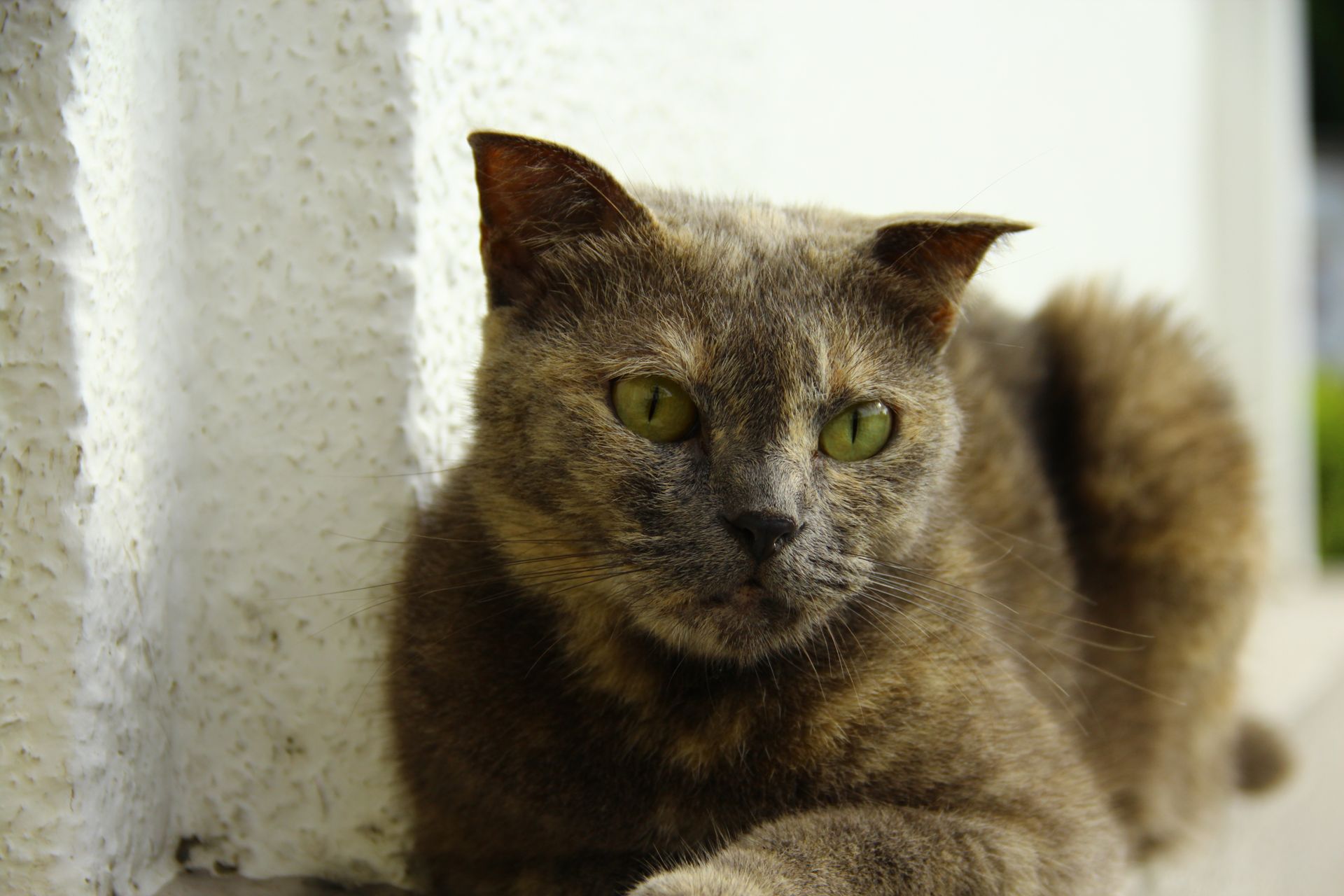
There are four types of tabby coats: Mackerel, Classic, Spotted, and Ticked. Mackerel tabbies have a striped pattern, Classic tabbies have "swirls" of stripes, Spotted tabbies have spots, and Ticked tabbies have no visible pattern of stripes or spots.
Here are the four types of tabby coats:
- Mackerel: a striped cat, named after the striped pattern of the fish.
- Classic: a cat with “swirls” of stripes, also called marbled or blotched.
- Spotted: a cat with spots.
- Ticked: a cat with no visible pattern of stripes or spots, as in the abyssinian.
Hair Types and Testing
There are several genes that determine the style of a cat's hair, including hair length, curls, hairlessness, bengal fuzziness, and glitter.
Hair length is determined by the genes that control the length of the hair follicle.
Curls, on the other hand, are influenced by the genes that control the shape of the hair follicle.
Hairlessness is a result of the interaction of several genes, including the genes that control the development of the hair follicle.
Some cats have a bengal fuzzy coat due to the influence of the bengal gene.
Glitter is a result of the interaction of several genes, including the genes that control the structure of the hair shaft.
Explore further: Bengal Cats
Here are some examples of hair types and the genes that influence them:
Keep in mind that the interaction of multiple genes determines the final hair type of a cat.
Research and Testing
Testing for coat color can be done at the veterinary genetics laboratory at the University of California at Davis in the US.
This lab can test Bengals for Agouti, charcoal, Brown, Colorpoint constraints, Dilute, and Amber genes.
The results of the color tests can be found in the documents for cats, which is a useful resource for breeders and owners alike.
For our cattery, we use this lab and have seen firsthand the value of genetic testing in our breeding program.
Hybrids and Variations
Hybrids and variations in cats are fascinating topics. Wild cats have 36 chromosomes, while domestic cats have 38, resulting in hybrids having 37 chromosomes, which can cause infertility in the first generations of hybrid males.
The number of chromosomes is crucial in determining the genetic makeup of a cat. A gene pair can be the same or different from each other, and this is due to spontaneous mutations.
Some genes are dominant, while others are recessive. Dominant genes are indicated by a capital letter, while recessive genes are indicated by a lowercase letter. This is why some cats have brown eyes, while others have blue eyes.
Bengals are a great example of a cat breed with unique markings. They can have spots, rosettes, or a marble pattern, which is caused by the Bengal modifier (Bm) gene. This gene is dominant over the basic mackerel/classic and spotted patterns.
The Bengal modifier (Bm) gene is responsible for the formation of rosettes and marble patterns in Bengals. A Bengal with isolated rosettes has the Mackerel (Mc/-), Spotted (Sp/Sp), and Bengal modifier (Bm/-) genes.
Table 1
Table 1 is a fascinating snapshot of the genetics behind cat coat colors and patterns. It shows the distribution of the Dkk4 gene in various cat breeds.
The Abyssinian (Ticked) breed has a total of 37 cats, with 1 cat having the Dkk4 gene and 36 cats not having it. The Singapura (Ticked) breed has a total of 26 cats, with 2 cats having the Dkk4 gene and 24 cats not having it.
Here's a breakdown of the data:
These numbers give us a glimpse into the genetic diversity of cat breeds and how the Dkk4 gene is expressed in different populations.
Frequently Asked Questions
Do cats get their color from mom or dad?
Cats get their color from both parents, but the color gene for orange is inherited solely from the mother. Female cats inherit one color gene from each parent, while males inherit only from their mother.
Do we share 90% of our DNA with cats?
Yes, humans and cats share nearly 90% of their DNA, making genetic research in both species highly beneficial and interconnected. This surprising similarity highlights the potential for advancements in human and pet DNA testing to be applied across species.
Featured Images: pexels.com