From ancient Egypt to modern-day Japan, cats have been revered as sacred animals in many cultures and traditions. In Egyptian mythology, Bastet was a cat goddess associated with fertility and motherhood.
Bastet was often depicted as a woman with the head of a cat, and was said to be the protector of pharaohs and their households. She was also associated with the sun and the pharaoh's power.
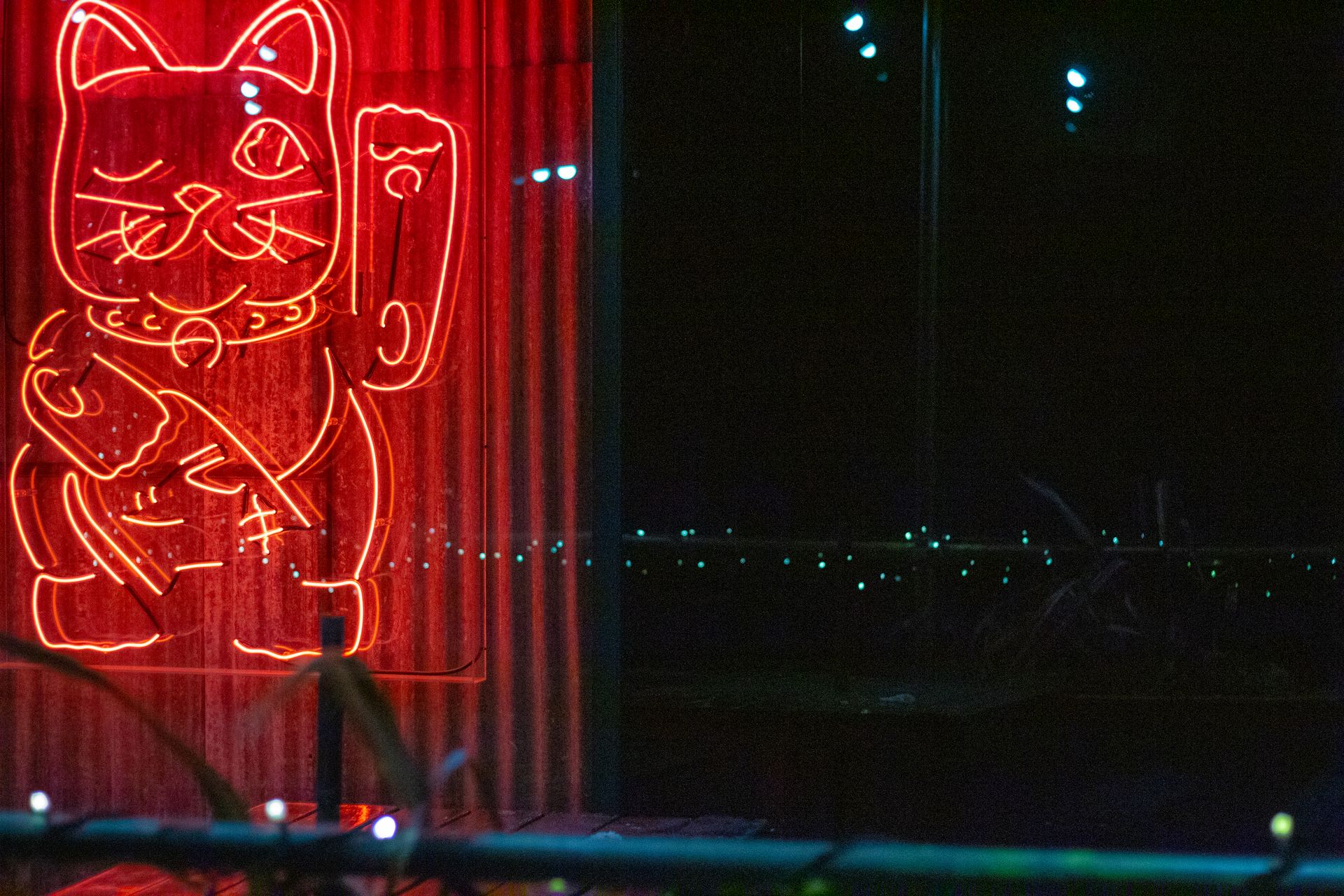
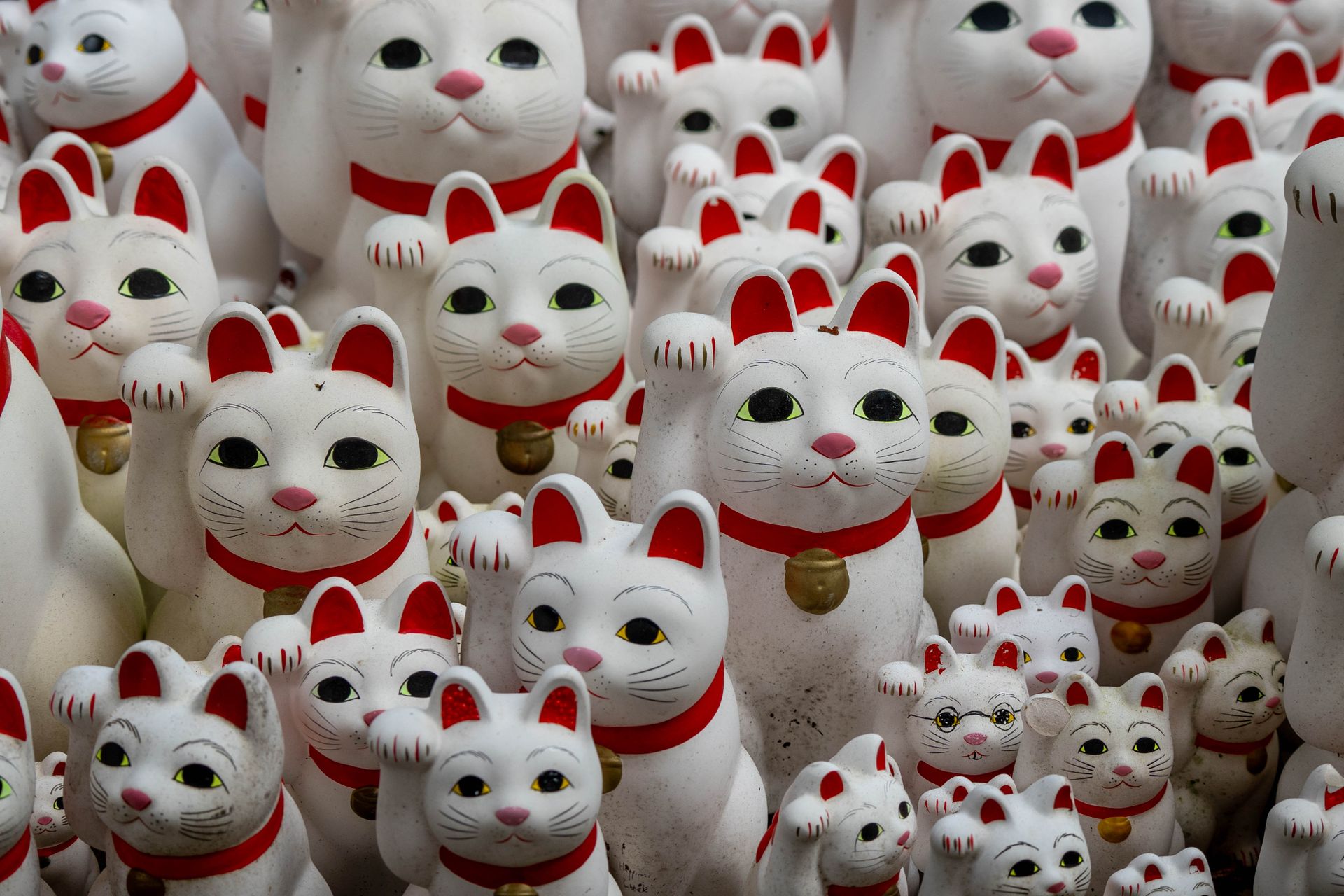
In Japanese Shintoism, the Maneki-Neko, orbeckoning cat, is a symbol of good luck and prosperity. It's believed that the cat's upright position brings good fortune to businesses and homes.
The Maneki-Neko's popularity can be seen in its widespread use in Japanese culture, from figurines and charms to decorative motifs in architecture.
Cat Deities in Ancient Civilizations
Feline deities have played a crucial role across various ancient cultures, symbolizing concepts such as protection, justice, and fertility.
In ancient Roman culture, the goddess Diana was the deity most closely linked with cats, revered for their hunting prowess.
Cats were symbolic of justice and power in various cultures, appearing in mythology and historical texts as fierce hunters that maintained the balance between good and evil.
The ancient Egyptians viewed cats as special, believing they were the kin of Bastet, the ultimate Egyptian cat goddess, who was believed to take the form of a cat on occasion.
Cats were incredibly beneficial to early farming societies like those in ancient Egypt, catching rodents and other pests that could pose a significant threat.
Having a cat on hand was incredibly beneficial, and the tenacity, capability, and shameless affection of these early felines cemented their role in the communities throughout the Nile River Valley.
The ancient Egyptians didn't worship cats in the way it's usually depicted, but rather, they were very popular domestic pets from the New Kingdom (1570-1069 BCE) onwards.
Feline veneration is obvious based on existing archaeological evidence from ancient Egypt, with an abundance of mummified cats, cat hieroglyphs, and cat statuettes.
Mythology and Symbolism
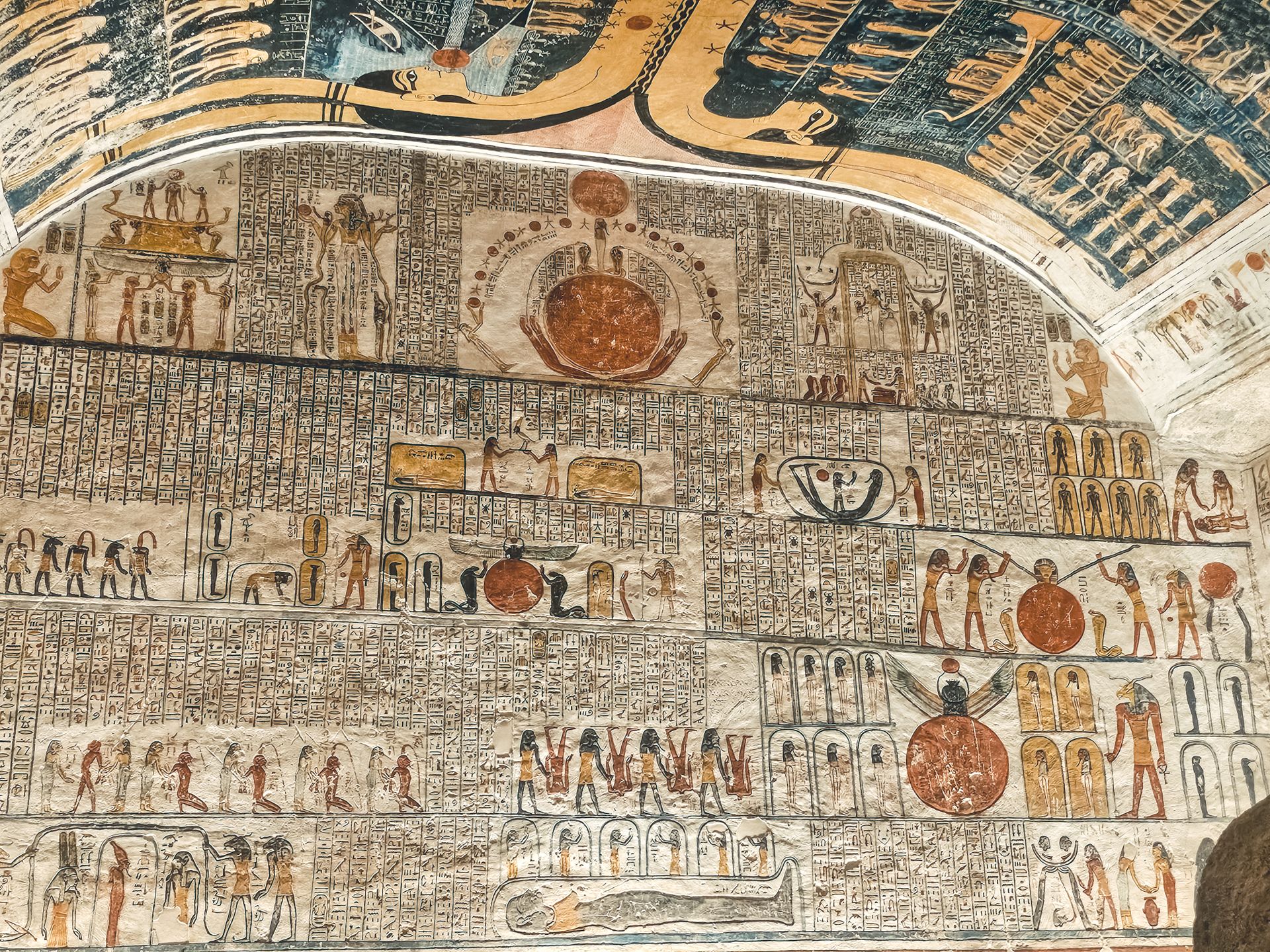
In various ancient cultures, cats were revered as divine beings, often associated with goddesses and gods. Their connection to the divine was profound, reflecting their impact on human societies.
Cats were not just domesticated animals but were deeply ingrained in the culture and daily life of ancient societies. In Egyptian society, cats were a symbol of royalty and protection, closely linked with the Theban triad and Heliopolis.
Feline deities were symbolic of justice and power, appearing in mythology and historical texts as fierce hunters that maintained the balance between good and evil. Their depictions in ancient Egyptian art serve as a testament to their revered status.
In ancient Egypt, cats were venerated and symbolized divine attributes in various forms, often linked to deities like Bastet. Representations in art and artifacts reveal the cultural significance of these feline figures.
The reverence for cats was not only widespread but also deeply institutionalized within religious practices. Temples dedicated to cat goddesses exemplified this adoration, turning felines into symbols of divinity and veneration.
If this caught your attention, see: Dog Deities
Here's a list of some of the most prominent cat deities across cultures:
- Bastet: Egyptian goddess of protection, fertility, and motherhood
- Sekhmet: Egyptian goddess of war and healing
- Ovinnik: Slavic spirit in the shape of a large, black cat, believed to protect grains and ensure a good harvest
- Freyja: Norse goddess associated with cats, symbolizing a duality of nurturing fertility and fierce warfare
These cat deities played significant roles within their respective mythologies, symbolizing everything from protection and fertility to war and the underworld.
Cat Deities in Specific Cultures
Cat deities have been revered in various cultures, each with its own unique twist. In ancient Egypt, Bastet was the most renowned cat goddess, exemplifying protection and often depicted as a lioness or as a woman with a feline head.
The reverence for cats was deeply institutionalized within religious practices in ancient Egypt, with temples dedicated to cat goddesses turning felines into symbols of divinity and veneration. The city of Bubastis became the epicenter for Bastet's worship, where scores of devotees gathered.
In other cultures, cats were associated with fertility and motherhood. In ancient China, Li Shou was the feline deity responsible for pest control and fertility, with statues and depictions common in ancient texts.
Cat Deities in Specific Cultures
- Ancient Egypt: Bastet, a cat goddess exemplifying protection
- Ancient China: Li Shou, a feline deity responsible for pest control and fertility
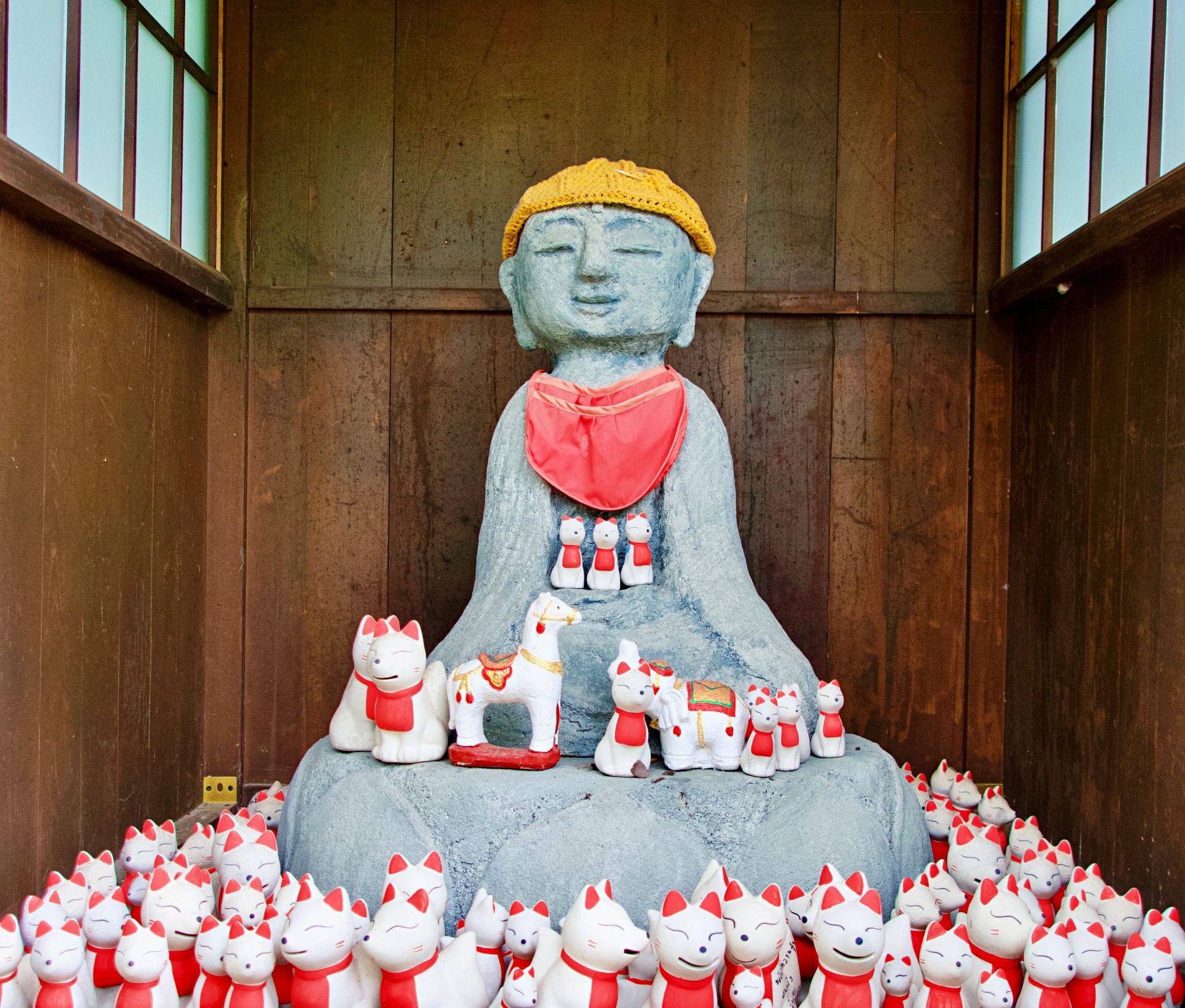
- Japan: Maneki Neko, a cat goddess associated with prosperity and good fortune
- Norse mythology: Freyja, a cat goddess associated with love, beauty, and war
- Slavic folklore: Ovinnik, a cat spirit believed to protect grains and ensure a good harvest
Asian Traditions
In ancient Egyptian culture, cats were revered and symbolized divine attributes, often linked to deities like Bastet. Their depictions in art and artifacts reveal the cultural significance of these feline figures.
The reverence for cats was not only widespread but also deeply institutionalized within religious practices, with temples dedicated to cat goddesses exemplifying this adoration. The city of Bubastis became the epicenter for the worship of Bastet, where scores of devotees gathered.
Cats were viewed as the kin of Bastet, the ultimate Egyptian cat goddess, and were believed to take the form of a cat on occasion. This likely meant that cats were special in some way, and their utility transformed into divinity. Their images in the form of statuettes, murals, and sculptures permeated temples, conveying the respect for these animals.
The domestic feline was not just a pet but a bridge to the divine, etching its way profoundly into the fabric of ancient culture. Cats were highly regarded in ancient Egypt, and their adoration was exploited by the Persian king Cambyses II when conquering Egypt in 525 BCE.
Here are some key points about the reverence for cats in ancient Egyptian culture:
- Cats were viewed as sacred creatures, with many mummified and buried in tombs and pet cemeteries.
- Their utility as pest control and companionship likely contributed to their revered status.
- Cats were associated with divine attributes, such as protection, justice, and fertility.
- Their images were often depicted in art and artifacts, highlighting their cultural significance.
The reverence for cats in ancient Egyptian culture is a testament to the profound impact these creatures have had on human societies.
Civilizations in North America
In North America, ancient civilizations worshipped cat gods, showcasing a worldwide phenomenon of feline deification.
Evidence of this can be found in many prominent cultures of the time.
Cat worship was a common thread among ancient cultures, suggesting a shared reverence for these animals.
The presence of cat gods in North America highlights the global significance of cats in ancient societies.
Notable Cat Deities
Bastet, the ancient Egyptian cat goddess, was revered for her role in protecting and ensuring fertility. She often took the form of a lioness or a woman with the head of a lioness or domestic cat.
In Roman culture, Diana was the deity most closely linked with cats, admired for their hunting prowess. This parallel highlighted Diana's attributes as the goddess of the hunt and wild animals.
Feline deities have played a crucial role across various ancient cultures, symbolizing concepts such as protection, justice, and fertility.
Cults and Temples
In ancient cultures, especially in Egypt, the reverence for cats was deeply institutionalized within religious practices. Temples dedicated to cat goddesses like Bastet, Mut, and Sekhmet exemplified this adoration, turning felines into symbols of divinity and veneration.
Bastet, the most renowned cat goddess, was often depicted as a lioness or as a woman with a feline head, and her cult facilitated the mummification of cats as a direct means to honor her.
The Temple of Mut at Karnak worshipped the goddess Mut, who was sometimes associated with felines, and cats were regarded as sacred within her cult. Archaeological finds suggest a particular reverence for these animals.
Sekhmet, the lioness goddess of war and healing, had temples where royalty would worship and seek her mighty protection. Cat statues in these sites reinforced the divine status of cats as both protectors and symbols of power.
Here's a brief overview of some of the cat goddesses and their temples:
The grandeur of these temples underscores the significance placed on these divine felines. The domestic feline was not just a pet but a bridge to the divine, etching its way profoundly into the fabric of ancient culture.
Comparative Mythology Across Cultures
Cat deities have been a significant part of ancient cultures, revered for their mystique and prowess. They played crucial roles in their respective mythologies, often symbolizing protection and fertility.
In many cultures, these feline deities were associated with war and the underworld. They were often depicted as fierce and powerful, commanding respect and fear.
These gods and spirits were not just limited to a few cultures, but were found across ancient civilizations. They shared similar characteristics, despite being worshipped in different parts of the world.
Their association with fertility is evident in the way they were often linked to agriculture and the cycles of nature. This connection is a testament to the importance of cats in ancient societies.
The reverence for feline deities varied across cultures, but their mystique and power remained a constant theme. They were often seen as symbols of independence and self-reliance, traits that are still admired today.
Representation in Art
In ancient Egyptian art, cats were often depicted as divine felines, showcasing their revered status in society. Sculptures frequently portrayed Bastet, the cat goddess, with feline features to signify her divine nature.
These sculptures served not just as religious idols but also as vessels for the spiritual presence of the gods. They were often carved delicately to denote the wearer's reverence for Bastet and belief in her protective powers.
Jewelry from this era, such as amulets, featured cats and were worn for protection. They symbolized the wearer's connection to the divine feline.
Art and textiles from ancient Egypt are replete with depictions of cats, showcasing the sophisticated weaving techniques of the time. Fabric designs and wall paintings illustrate domestic cats engaging in daily activities, highlighting their ubiquity and cultural significance.
The representation of cats in these mediums reflected the Egyptians' deep appreciation for the natural world's balance and their belief in divine connections with animals.
Historical and Cultural Significance
Bastet, the Egyptian cat goddess, was initially depicted as a lioness but later evolved to be represented as a domesticated cat. She embodied the dual nature of nurturing and protecting her family and home.
Cat gods didn't just exist in Egyptian mythology; they were a staple of many ancient civilizations, including the ancient Chinese pantheon with the cat god Li Shou and the witch goddess Hecate of ancient Greece.
Domestication of early felines began in the Near East, in the Fertile Crescent of the Neolithic period, aligning with the development of agriculture in the region. Cats played a vital role in the survival of early men by catching rodents and other vermin.
The ancient Egyptians didn't worship cats in the way it's usually depicted, but they did have a strong affection for them as domestic pets from the New Kingdom onwards. They even mummified cats, created cat hieroglyphs, and made cat statuettes.
Cats were viewed as the kin of Bastet, the ultimate Egyptian cat goddess, and were believed to have admirable traits like tenacity, capability, and affection. Having a cat on hand was incredibly beneficial for early farming societies, as they could catch rodents and other pests that posed a threat.
Other Cultures and Traditions
Feline deities have been revered across ancient cultures, symbolizing protection, fertility, war, and the underworld. In ancient China, a cat god named Li Shou was worshipped.
Cats weren't just limited to Egyptian mythology; they played significant roles in other cultures as well. The witch goddess Hecate of ancient Greece is a notable example.
Domestication of early felines began in the Near East, in the Fertile Crescent of the Neolithic period, where they were trained to guard crops and grain storage against unwanted visitors.
Native American Feline Spirits
In various cultures, felines have been revered for their power and symbolism. The Ojibwa people have a notable water-dwelling panther-like being called Mishipeshu, which translates to 'Great Lynx'.
Mishipeshu is often associated with the power of water and rapids, indicating a deep respect for the natural elements and their potential dangers. This reverence is a testament to the importance of felines in Native American mythology.
The jaguar, a powerful totemic animal, was seen as a symbol of authority and fertility in the mythologies of South and Central American cultures. Its significance is a reminder of the enduring impact of feline symbolism on indigenous cultures.
The Ojibwa people's respect for Mishipeshu reflects a broader cultural trend of revering felines for their power and mystique. This trend is evident in the many feline deities and spirits found in ancient cultures.
Other Cultures
Feline Symbolism in Other Cultures is a fascinating topic. In various cultures, divine felines were symbolic of justice and power.
Cat gods didn't just exist in ancient Egypt, they were a staple of many ancient civilizations. From the cat god Li Shou of the ancient Chinese pantheon to the witch goddess Hecate of ancient Greece, there are plenty of other cat gods in other cultures.
The domestication of early felines began in the Near East, in the Fertile Crescent of the Neolithic period. This aligns with the development of agriculture in the region.
Cats played a vital role in the survival of early men by catching rodents, snakes, and other vermin. They were trained to guard crops and grain storage against unwanted visitors.
In Slavic folklore, Ovinnik is a spirit in the shape of a large, black cat believed to protect grains and ensure a good harvest.
Indigenous Cultures That Revered Spirits
Indigenous cultures have a rich history of revering feline spirits, and it's fascinating to explore these traditions. In the Americas, many indigenous cultures revered feline figures, particularly the jaguar, which symbolized authority and fertility.
The jaguar was a powerful totemic animal in the mythologies of South and Central American cultures. This majestic creature was often associated with the natural elements and their potential dangers.
Some indigenous cultures, like the Ojibwa people, had a notable water-dwelling panther-like being called Mishipeshu, which translates to 'Great Lynx'. This spirit was often associated with the power of water and rapids.
Mishipeshu's association with water and rapids highlights the deep respect indigenous cultures had for the natural elements. This reverence is a testament to the importance of living in harmony with nature.
Here's a brief overview of some indigenous cultures that revered feline spirits:
These cultures recognized the importance of felines in their ecosystems, and their reverence for these animals is a reflection of their deep understanding of the natural world.
Frequently Asked Questions
How many cat deities are there?
There are multiple cat deities across ancient cultures, including Egypt, Greece, and Norse mythology. Discover the fascinating stories of these feline goddesses and their significance in ancient civilizations.
Who is the Greek god for cat?
In Greek mythology, the goddess Ailuros is associated with cats, being the Greek version of the ancient Egyptian goddess Bastet. Ailuros is derived from the Greek word for "cat
Who is the Celtic god of cats?
The Celts attributed magical qualities to cats, but there isn't a specific Celtic god of cats, as their mythology often associated cats with supernatural powers rather than a single deity.
Featured Images: pexels.com