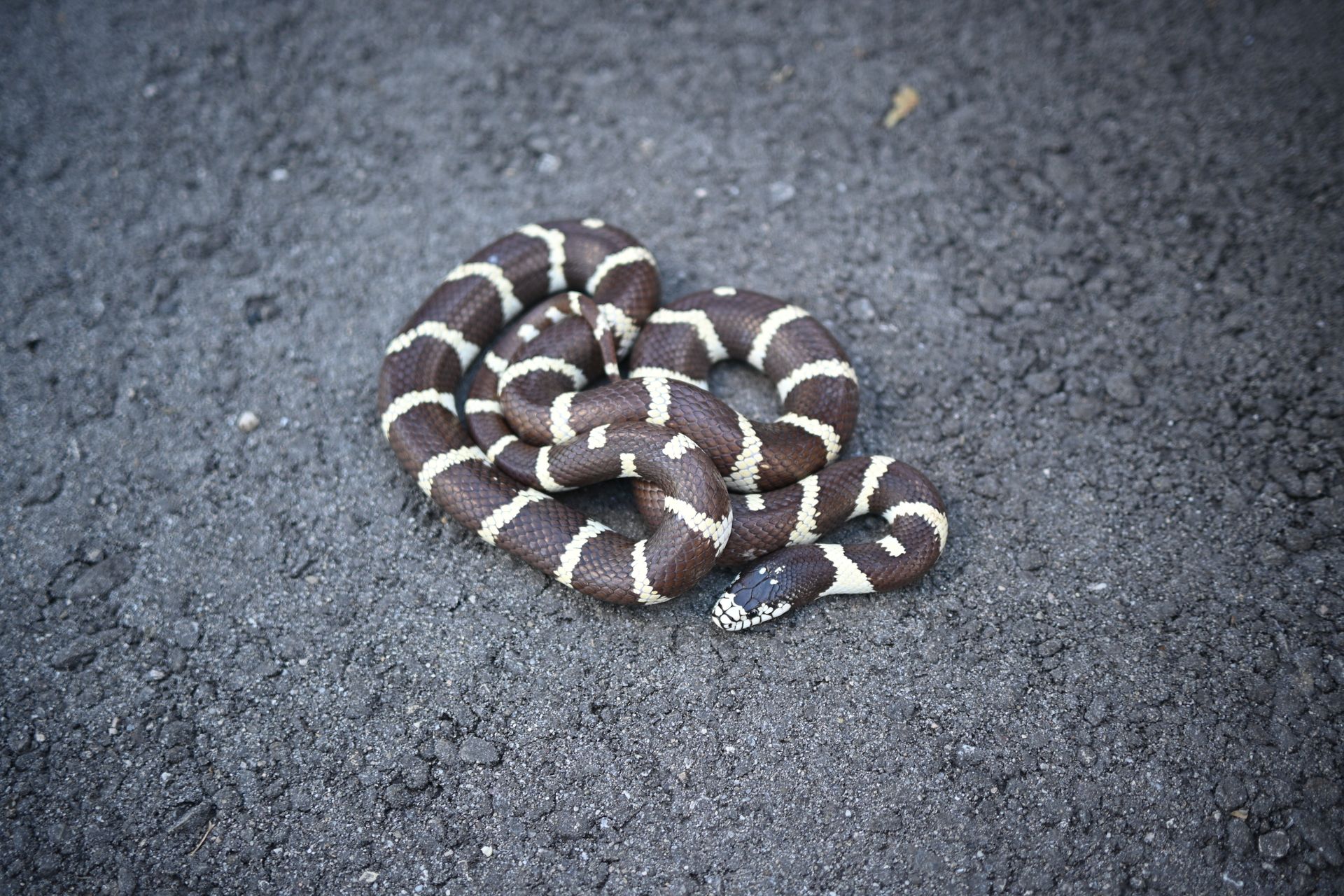
If you're considering bringing a California King Snake into your home, you're probably wondering about their temperament. They are generally calm and docile, making them a great pet for those who want a low-maintenance snake.
California King Snakes are not typically aggressive, but they can be defensive if they feel threatened or scared. They have a natural instinct to curl up into a ball when they're feeling stressed, so it's essential to handle them gently and carefully.
These snakes are relatively small, with adults reaching an average length of 3-5 feet. They have a slender build and a distinctive pattern of dark blotches on a lighter background.
California King Snake as a Pet
Handling your California King Snake is essential for a healthy relationship. Try to handle it 2-3 times per week at least.
If you purchase a captive California King Snake, it's likely to be used to being held, making it easier to handle. We highly recommend buying from a captive breeder.
These snakes are typically diurnal, meaning they're active during the day, but they may hide during the day and come out at night when it's extremely hot.
You'll want to provide a habitat that resembles their natural environment, which includes UVB lighting. California kingsnakes need 12-14 hours of light and 10-12 hours of darkness.
You can replicate their natural environment year-round unless you're planning to cycle your snake for breeding. These snakes aren't picky about their lighting, so it won't be too different from California.
Housing and Environment
Housing your California king snake requires some thought and planning. A minimum enclosure size of 48" x 24" x 24" is recommended, but bigger is always better.
You'll also need to provide a warm end and a cool end in the enclosure, with temperatures ranging from 70 to 85 degrees Fahrenheit. This will allow your snake to regulate its body temperature.
To create a comfortable environment, add a substrate like reptile chip premium coconut substrate or shredded newspaper. Just be sure to provide a cave for your snake to burrow into.
Here are some recommended enclosure sizes based on your snake's expected adult length:
Remember, a larger enclosure will provide your snake with more space to move around and exercise.
Enclosure Size
A California King Snake's enclosure is its home, and it's essential to provide a space that meets its needs. A minimum enclosure size for one average kingsnake is 48”L x 24”W x 24”H, based on the formula snake length x half snake length.
This size provides enough room for your snake to move around and exercise. Bigger is always better, as long as the space is set up well! In fact, bigger is going to be required for kingsnake species known to grow larger than 4′ long.
You can use a 20-gallon aquarium or terrarium as a proper cage, but make sure to get the right mesh lid and clamps. Here are some recommended enclosure sizes based on the snake's expected adult length:
Kingsnakes are not social animals, and it's safest to house only one kingsnake per enclosure. They are known to be ophiophagus (snake-eaters), so introducing multiple snakes can be hazardous.
Humidity
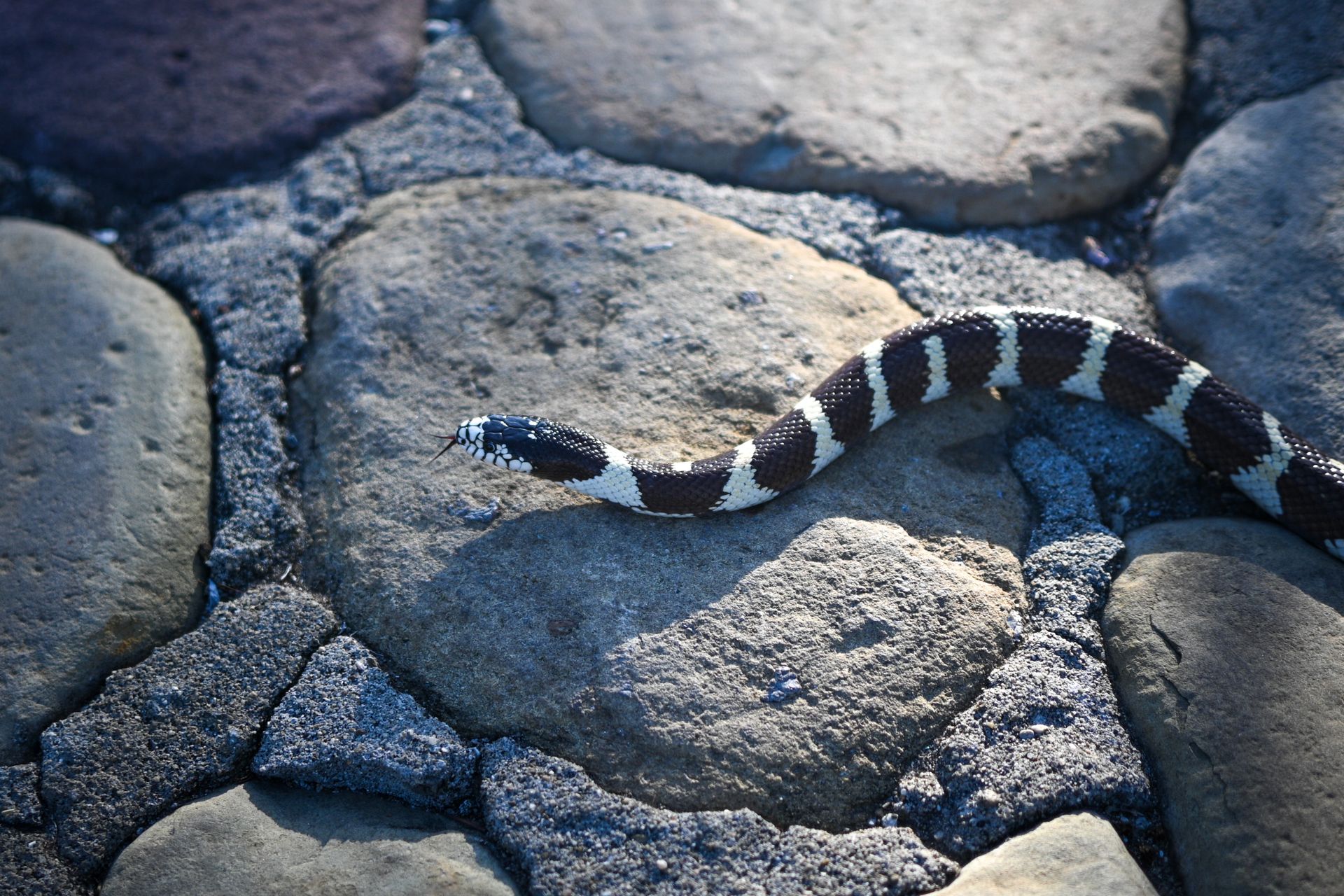
California Kingsnakes need an average humidity level of 50-60%. Unless you live in a tropical or arctic environment, a daily misting of the cage should be adequate.
For most environments, a daily misting is a simple and effective way to maintain the right humidity level.
You may need to mist a couple times per day in the winter to compensate for the drying air.
Misting a couple times per day or adding moss to a hide box and misting it can help keep humidity levels stable during shedding. Keeping the humidity at the high end of the range during shedding is especially important.
It's a good idea to have at least one hygrometer in the cage to verify your humidity levels, even if achieving the right level is easy.
Care and Feeding
California king snakes make wonderful pets, but they require proper care and feeding to thrive. You should house your snakes alone or together only when breeding, as they can be aggressive towards each other.
To ensure your snake stays healthy, feed it once a week, and scale back to once every 2-3 weeks once it's full grown. Avoid overfeeding, as it can lead to obesity.
For a California king snake, a diet of rodents is ideal. You can start with pinkies for young snakes (10-18 inches) and transition to fuzzies or hoppers for maturing young snakes (18-26 inches). For snakes nearing full growth (26-40 inches), move to adult mice, and for full-grown snakes (40-60 inches), stick with adult mice or weaned mice depending on girth and size.
Here's a rough feeding chart to help you determine the right food size for your snake:
Remember, it's essential to give your snake time to digest its food before handling it again, usually a day or so.
Water Needs
Water needs can be a bit tricky for California Kingsnakes, but it's actually quite simple.
These snakes don't always soak, but it's not unheard of, especially when they are shedding.
Use a bowl that is large enough to fit your pet's body, but not especially deep.
Keeping the water bowl on the cool side of the cage can help prevent it from raising the humidity.
Take a look at this: Pets Not Dogs or Cats
Caring for Your
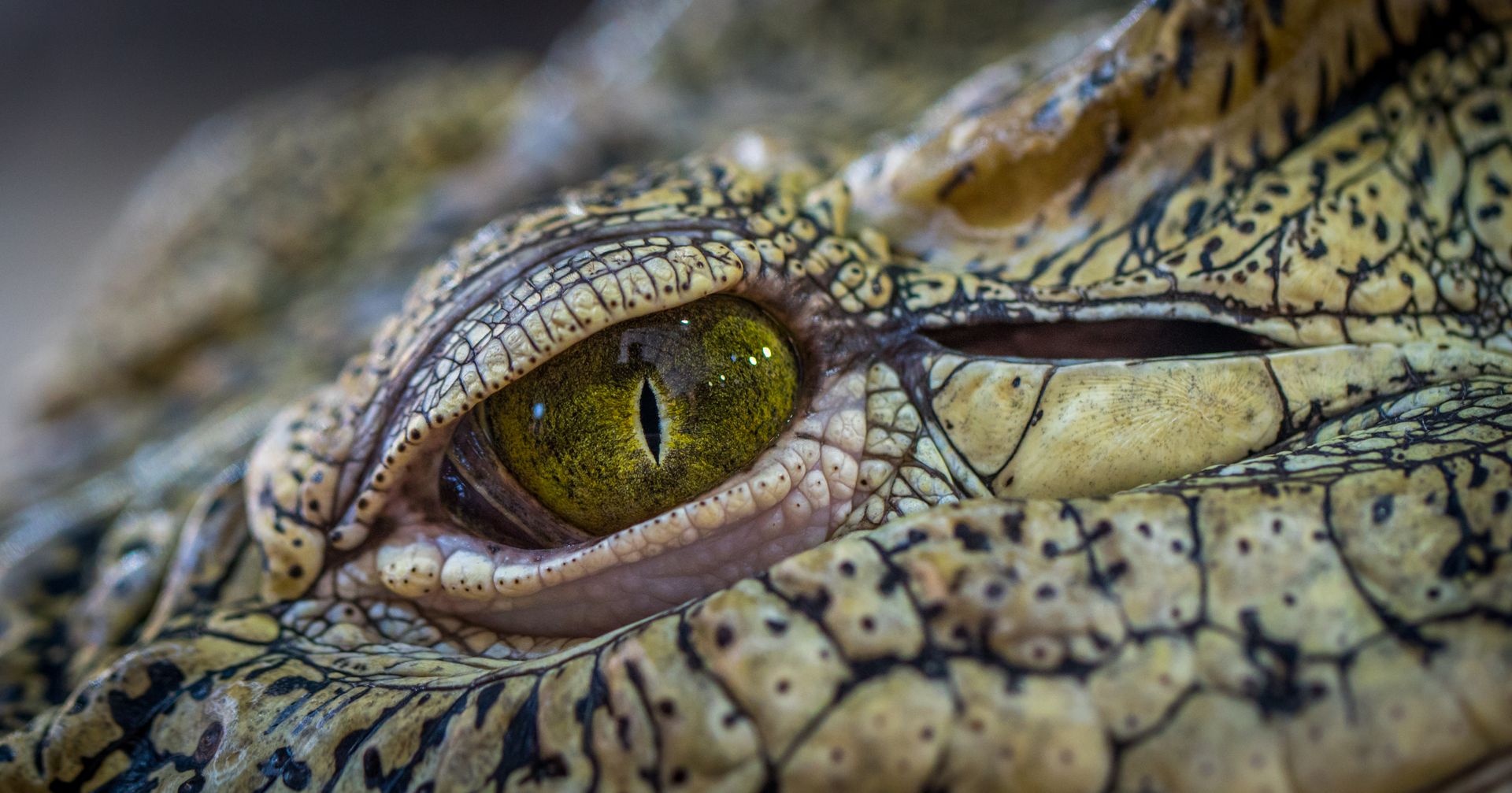
Caring for Your California King Snake requires attention to its habitat and feeding needs.
California King Snakes should be kept alone in their enclosures so they feel safe and comfortable, and don't have to compete for food.
For best results, feed your snake once a week (at least), and once it's full grown, you can scale back to once every 2-3 weeks.
Avoid feeding your snake live mice if it's young, as they can wound your snake. Freshly killed mice are the best choice, but if you want to freeze some for convenience, it's okay to give your snake a very well-thawed one.
To prevent food aggression, separate your snakes for a few minutes before they eat, and then keep them apart for several hours after they've finished.
Here's a rough guide to feeding your snake based on its size:
Remember to provide your snake with fresh water and a relatively deep bowl, as they like to take a soak in their water bowl.
Also, make sure to handle your snake gently and avoid picking it up until the lump from the mouse has digested down to normal diameter of the snake.
How Long Does a Pet Live?
So, how long does a pet snake live? California King Snakes usually live for 15-20 years.
Some people have even reported their Cali Kings living longer than that. The good news is that these snakes are relatively easy to care for once you get the basics down.
You can expect to have a long-term companion with a California King Snake. They may outlive many of your other pets.
Their longevity is one of the reasons why people love keeping them as pets.
Temperature and Lighting
California King Snakes are relatively easy to care for, but they do require some specific temperature and lighting conditions to thrive. They are partial sun/occasional baskers and need a range of temperatures to regulate their body temperature.
You can provide this range by having a warm end and a cool end in their enclosure. A good temperature range is 85 degrees Fahrenheit at the warm end and in the 70s at the cool end. This can be achieved with a heated mat or a basking light, but be careful not to use hot rocks as they can cause burns.
If your snake is in a room with natural light, you can skip the heat lamp and use a heated mat instead. This will provide a comfortable temperature range for your snake.
Here's a temperature range to aim for:
It's also a good idea to have multiple thermometers to ensure that the temperature range is consistent throughout the enclosure. This will help your snake stay comfortable and healthy.
Remember, California King Snakes are cold-blooded, which means they regulate their body temperature by moving between areas of different temperatures. So, providing a temperature range will help them thrive in captivity.
Handling and Temperament
Handling a California king snake can be a bit intimidating, but with the right approach, it can be a wonderful experience. The key is to be gentle and patient.
You should handle your California king snake regularly to help it settle in and become a great pet. Aim to handle it 2-3 times per week at least. This will help your snake get used to human interaction and become more docile.
California king snakes are wild by nature, so it's normal for them to react defensively when picked up. They might shake their tail, strike, defecate, or urinate on you. This is a natural response to discourage predators.
To handle your snake safely, start with hand-over-hand method, staying away from its face. Use gentle friction to slow forward progress. Don't handle your snake when it's about to shed, as this can be a stressful time for them.
Here are some specific times when you should avoid handling your California king snake:
If you're new to snake handling, it's a good idea to start with brief handling sessions (no longer than 5 minutes) and gradually increase the time as your snake becomes more comfortable.
Health and Behavior
California kingsnakes are generally docile snakes once they've acclimated to human handling. They're diurnal, so you'll usually see them most active during the day and sleeping at night.
These snakes like to burrow, working their way through their substrate if given the opportunity with the proper substrate. They're not like sand boas, which spend most of their time buried in the sand.
With their higher metabolism, you'll see these snakes exploring their enclosure quite often, hunting around in search of another meal. If they're scared or stressed, they might hiss, or roll into a ball and "rattle" their tail like a rattlesnake.
Some common health issues in California kingsnakes include respiratory infections, which can be caused by improper temperature or humidity levels, or a drafty location. Respiratory infections can be prevented by keeping your snake cage away from doors, windows, and vents.
Here are some common health issues in California kingsnakes:
- Respiratory infections
- Internal parasites
- External parasites
Life expectancy for California kingsnakes is 20+ years, making them a long-term companion.
Behavior
California kingsnakes are generally docile snakes once you've acclimated them to human handling.
They're diurnal, so you'll usually see them most active during the day and sleeping at night.

These snakes like to burrow, so it's not uncommon to see them working their way through their substrate.
You'll see them exploring their enclosure quite often, hunting around in search of another meal due to their higher metabolism.
If they're scared or stressed, they might hiss or roll into a ball and "rattle" their tail like a rattlesnake.
Good husbandry practices can minimize the occurrence of this behavior, which is a good thing!
If you notice your snake is lethargic or not eating, mites may be the cause, so give them a good inspection around their eyes, mouth, and under their scales.
Some signs of respiratory infections include wheezing or excessive saliva, which can be caused by a dirty cage, low temperatures, or contact with another infected snake.
If you see your snake regurgitating part of its meal after eating, keep an eye on it for other symptoms, as this may be a sign of serious illness.
It's essential to pay attention to these behaviors and take your snake to the vet if you notice any of these signs persisting or worsening over time.
On a similar theme: Corgis as Pets
Life Span
California kingsnakes are known to live a long and healthy life, with some individuals living for more than 20 years.
Female California kingsnakes can continue to produce fertile eggs well into their teens, which is quite remarkable for a snake of their species.
Care and Maintenance
If you're considering bringing a California King Snake into your home, it's essential to understand their specific needs for care and maintenance.
These snakes are relatively low-maintenance pets, but they do require some specialized care.
A 40-gallon aquarium is the minimum recommended enclosure size, and you'll need to maintain a temperature range of 75-88 degrees Fahrenheit.
California King Snakes are diurnal, meaning they're active during the day and sleep at night, so you won't need to worry about creating a cool side and warm side for temperature gradients.
To keep your snake happy and healthy, you'll need to provide a suitable environment with proper temperature, humidity, and lighting.
Check this out: California Kingsnake Care
A relatively deep water bowl is essential, as California King Snakes like to take soaks in their water. Fill the bowl only halfway to prevent water from spilling over the edges.
Here's a quick rundown of the recommended care level and other essential details:
Feeding your California King Snake is relatively straightforward, but it's crucial to do it correctly to avoid any issues.
Purchase and Setup
To set up a suitable environment for your California King Snake, you'll need a proper terrarium. A 36x18x18 Reptizoo Reptile Glass Terrarium is an excellent choice, as it's the perfect size for a California King Snake.
For the substrate, I highly recommend using ReptiChip Premium Coconut Substrate. It's odorless, easy to clean, and allows for ample burrowing. If you're looking for a cheaper alternative, shredded newspaper is a good option.
When it comes to heating, a heat pad or a heat lamp is necessary to keep your snake warm. A Zilla Reptile Habitat Décor Shale Rock Den can provide a cozy hiding spot for your snake, and a Reptile hides/cave is essential for a California King Snake to feel safe.
Here's a list of the essential items you'll need for a basic California King snake cage setup:
Shopping List
When setting up a California King Snake's enclosure, the size of the terrarium is crucial. A 36x18x18 inch terrarium is a great size for a California King Snake, as it provides ample space for burrowing and exercise.
For substrate, you'll want something that allows for burrowing and is easy to clean. ReptiChip Premium Coconut Substrate is a great option, as it's odor-free and made from organic materials. If you're looking for a cheaper alternative, shredded newspaper can be a good option.
California King Snakes love to burrow and feel enclosed, so it's essential to provide a proper "Snake Hide" for them. The Zilla Reptile Habitat Décor Shale Rock Den is a great option, as it provides a cozy and safe space for your snake.
For heat, you'll want to use a heat pad or heat lamp to maintain a warm temperature. The iPower Tank Heat Pad/Digital Thermostat is a great option, as it allows for precise temperature control. Make sure to use it on one half of the enclosure, and consider using a heat lamp if the enclosure isn't in a room with natural light.
Explore further: California Kingsnake Size

A large water bowl is also essential for your California King Snake. The Exo Terra Water Dish is a great option, as it's large enough for your snake to soak in comfortably.
Here's a summary of the essential items you'll need for a basic California King Snake setup:
- 36x18x18 inch terrarium
- ReptiChip Premium Coconut Substrate
- Zilla Reptile Habitat Décor Shale Rock Den
- iPower Tank Heat Pad/Digital Thermostat
- Exo Terra Water Dish
Where to Buy Pets
You can buy a California King Snake from a local pet store, as they usually carry this breed. They're quite common as pets, so you'll likely find one in a store near you.
If you can't find a pet store that carries California King Snakes, you can try searching online for a breeder in your area. They'll probably have this breed since it's so popular.
You can expect to pay between $30-50 for a baby California King Snake. It's a relatively affordable pet.
Just be sure to call a vet before taking your new pet in for a checkup, as not all vets are comfortable with snakes. They can help ensure your California King Snake is healthy and receiving the best care.
Avoid capturing wild snakes and keeping them as pets, as they can be more prone to health issues. It's generally easier to purchase a snake from a reputable breeder who can guarantee its health.
For more insights, see: King Boxer Breed
General Information
To keep your California King Snake happy and healthy, you need to handle it frequently.
A good goal to aim for is to handle it 2-3 times per week at least.
Handling them at a young age is important, especially if you're purchasing a snake from captivity, as chances are it's already used to being held.
We highly recommend purchasing a captive California King Snake as opposed to capturing one in the wild.
Availability
California kingsnakes are still common in the wild, but it's advantageous to get a captive-bred, parasite-free, established kingsnake with lineage and genetic traits records.
You can find captive-bred California kingsnakes at pet shops, reptile shows, from breeders, and sometimes at online reptile shops.
Buying a captive-bred California King Snake is not very costly, usually ranging from $30 to $50.
They can be found in most local pet stores that supply snakes, so do a few Google searches to find a breeder near you.
Some veterinarians may not evaluate serpents, so call first before taking your California King Snake for a checkup.
It's best to avoid capturing and keeping wild snakes as pets, as they often have mites, parasites, and diseases.
Why Keep a California King Snake as a Pet
Keeping a California King Snake as a pet can be a great choice for reptile enthusiasts, as they are relatively small in size, typically growing up to 5 feet in length.
Their calm demeanor makes them a great choice for beginners, as they are not as skittish as some other snake species.
California King Snakes are also known for their ability to eat other snakes, including venomous species, making them a great option for those who want a snake that can handle a variety of prey.
They are also relatively low maintenance pets, requiring a simple enclosure with a heat source, UVB lighting, and a hiding place or two.
In terms of diet, California King Snakes are carnivores and feed on small mammals, birds, and other reptiles, so you'll need to provide them with a varied diet of frozen-thawed prey items.
Their lifespan is typically around 20-30 years, making them a long-term companion, but also a significant commitment.
A unique perspective: Great Pyrenees California
Frequently Asked Questions
Is a California King Snake good for beginners?
Yes, California King Snakes are a great choice for beginners due to their docile temperament. They're perfect for those new to the hobby, making them an excellent starting point.
Featured Images: pexels.com