As a budgie owner, it's essential to be aware of the common diseases that can affect your feathered friend. Respiratory infections, such as bronchitis and pneumonia, are a significant threat to budgies, especially in cold and damp environments.
Budgies are prone to respiratory infections due to their sensitive respiratory system. This is why it's crucial to provide a warm and dry environment for your budgie.
Parasites like mites, lice, and feather lice can also cause harm to your budgie. These external parasites can lead to anemia, weight loss, and even death if left untreated.
Regular cleaning of your budgie's cage and surroundings is vital to prevent the spread of diseases.
Common Budgie Diseases
Psittacosis is a bacterial infection that can cause respiratory symptoms, including coughing, sneezing, and difficulty breathing. It's highly contagious and often hidden in adult carrier birds.
Avian Gastric Yeast, also known as megabacteria, causes a bird to go light and naturally wastes away unless treated. It's commonly spread through direct contact with infected food, contact with the droppings of an infected bird, or exposure to the yeast microbes in the environment.
Scaly Face Mite can cause crusty or scaly lesions on a bird's face and beak, and in severe cases, it can also affect the bird's legs and feet.
Coccidiosis is a protozoal parasite that invades and damages the intestines, causing birds to appear to hunch over and have a "gut ache".
Here are some common symptoms of Avian Gastric Yeast infection:
- Bird is fluffed up and lethargic
- Vomiting, with clear slime covering feathers on head
- Diarrhea
- Excessive eating along with weight loss
- Slimy seeds are regurgitated
- Undigested seeds in droppings
- Feathers around the vent often stained with droppings
- In some cases, blood in droppings (black poop)
- If in advanced stages, vomiting slimy material
In acute cases, birds can die suddenly within 12-24 hours, while in chronic cases, weight loss despite excessive eating and gaping can occur. Some birds may sit on the bottom of the cage with closed eyes.
Food Poisoning can also occur when birds ingest contaminated food, leading to symptoms such as vomiting and diarrhea.
Here are some common diseases targeted by budgie owners:
- Canker
- Coccidiosis
- Psittacosis
- Worms (especially roundworm and threadworm/hairworm)
- Avian Gastric Fungus/Megabacteria
- Scaly face mite (Cnemidocoptes sp.)
Respiratory and Gastrointestinal Issues
Budgies are prone to respiratory infections, which can be caused by poor living conditions such as overcrowding or poor ventilation. These infections can lead to symptoms like sneezing, nasal discharge, and difficulty breathing.
Some common causes of respiratory infections in budgies include direct contact with infected food, contact with the droppings of an infected bird, or exposure to yeast microbes in the environment.
Here are some key symptoms to look out for:
- Sneezing
- Nasal discharge
- Difficulty breathing
Bacterial infections, such as E. coli or Salmonella, can also affect budgies, causing symptoms like diarrhea, vomiting, and weight loss. These infections can be caused by poor hygiene, contaminated food or water, or a weakened immune system.
Vitamin A Deficiency
Vitamin A Deficiency can lead to serious health issues in budgies, including dry, scaly skin and dull, dry feathers.
A diet lacking in fresh fruits and vegetables can contribute to this deficiency, so it's essential to provide a balanced diet that includes nutrient-rich foods like carrots and sweet potatoes.
Budgies that don't get enough vitamin A are also more susceptible to eye infections, which can be painful and debilitating.
Feeding your budgie a diet that includes a variety of fresh fruits and vegetables, such as spinach, can help prevent vitamin A deficiency and keep your bird healthy and thriving.
Respiratory Infections
Respiratory infections are a common issue in budgies, and can be caused by poor living conditions such as overcrowding or poor ventilation.
These infections can be caused by bacteria or viruses, and symptoms include sneezing, nasal discharge, and difficulty breathing.
Budgies are particularly susceptible to respiratory infections, which can be life-threatening if left untreated.
Overcrowding and poor ventilation can make your budgie more likely to get a respiratory infection, so make sure their cage is clean and well-ventilated.
If you notice any of these symptoms in your budgie, it's essential to take them to a vet as soon as possible to prevent complications.
Psittacosis is another bacterial infection that can affect budgies, and it can be transmitted to humans, so it's crucial to handle your bird safely.
Symptoms of psittacosis include lethargy, loss of appetite, and difficulty breathing, so keep a close eye on your budgie's behavior and health.
Parasitic and Fungal Infections
Budgies can be susceptible to various parasitic and fungal infections, which can be serious if left untreated.
Psittacosis is a bacterial infection that can cause respiratory symptoms, including coughing, sneezing, and difficulty breathing. It's highly contagious and often hidden in adult carrier birds.
Avian Gastric Yeast (AGY), also known as megabacteria, causes a bird to go light and naturally waste away unless treated.
Scaly Face Mite can cause crusty or scaly lesions on a bird's face and beak, and in severe cases, it can also affect the bird's legs and feet.
Here are some common parasitic and fungal infections found in budgies:
Scaly Face (Mites)
Scaly Face (Mites) is a highly contagious infection that can affect budgies. It's caused by contact with an infected bird, and can even be transmitted between parents and babies. This means that if you have multiple budgies, they can all be infected if one of them has scaly face mites.
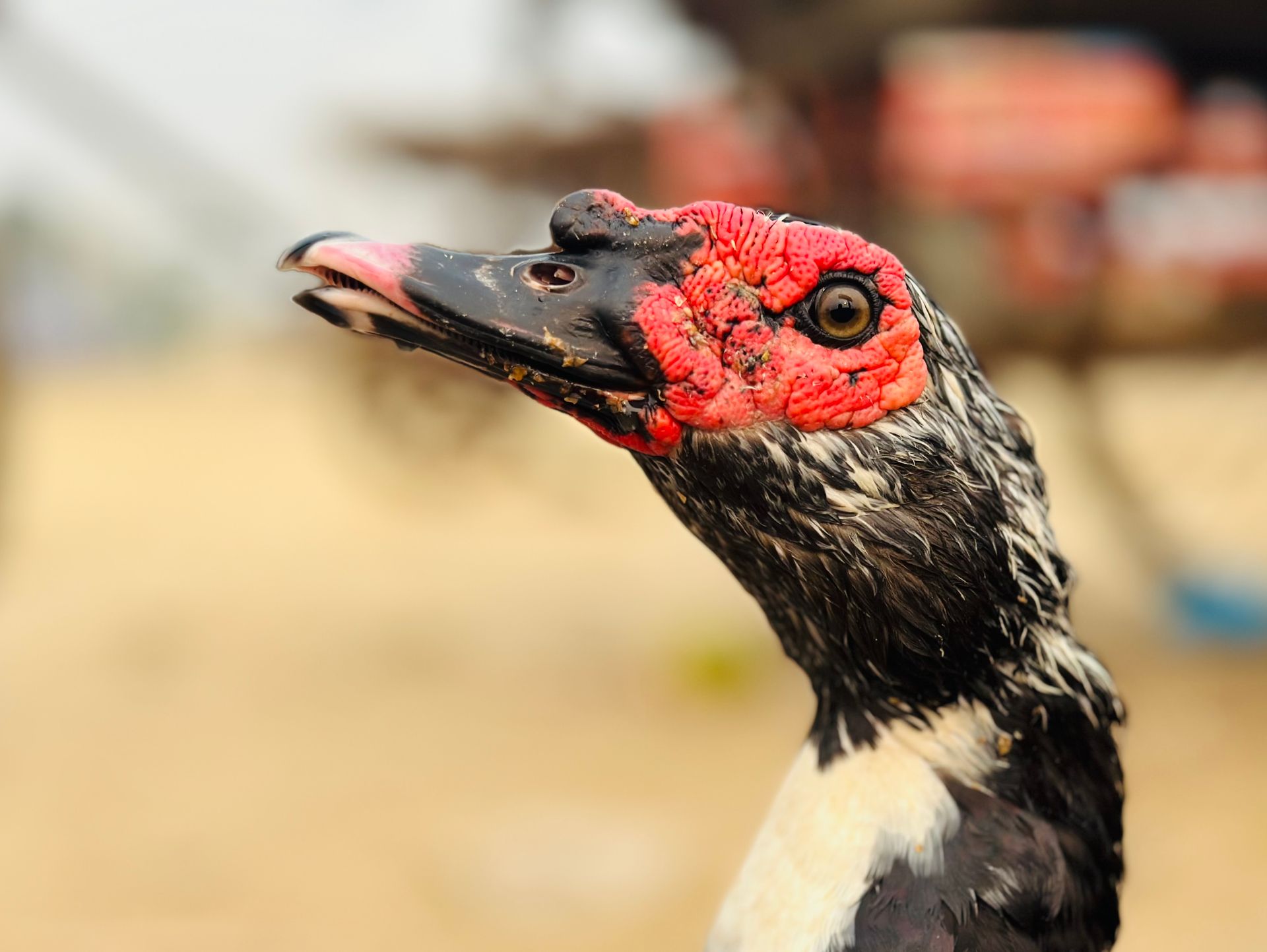
The symptoms of scaly face mites are quite distinctive. You'll often see white crusts around the beak, nostrils, eyes, and sometimes legs. In the early stages, it looks like a bright white deposit that becomes thicker and crustier over time. If left untreated, the infection can cause the legs and beak to become deformed and crooked.
If you suspect that your budgie has scaly face mites, look for signs of restlessness and frequent scratching. This is a common behavior in infected birds. You may also see tiny white spots or crusts on your budgie's feathers, usually around the base.
Here are some key symptoms to look out for:
- White crusts around the beak, nostrils, eyes, and sometimes legs
- Legs and beak may become deformed and crooked if the infection is not treated in time
- Restless bird
- Scratching very often
- Tiny white spots or crusts on feathers, usually around the base
Early detection and treatment are crucial in preventing the spread of scaly face mites. If you're unsure about your budgie's health, it's always best to consult with a veterinarian for advice.
Avian Gout
Avian Gout is a serious condition that can affect birds, causing a range of symptoms that can be distressing to see.
One of the first signs of Avian Gout is a bird looking puffed up, with swollen toes that are often painful.
Swollen joints and creamy white nodules under the skin near the feet are common, and can be a sign that the condition is progressing.
Recurring swelling is a hallmark of Avian Gout, and can be accompanied by feather picking from the lower back.
As the condition worsens, birds may exhibit excessive thirst, weakness, and difficulty in flying and moving from perch to perch.
They may even prefer to sit on the floor rather than perch, a clear indication that something is wrong.
Lost appetite and diarrhoea are also common symptoms, and can be accompanied by excess urine in droppings.
In severe cases, birds may experience a wet vent, a sign of the condition's advanced stage.
Here are some common symptoms of Avian Gout:
- Swollen toes
- Creepy white nodules under the skin near feet joints
- Difficulty in flying and moving from perch to perch
- Lost appetite
- Diarrhoea
- Excess of urine in droppings
- Wet vent
Prevention and Management
Regular visits to a veterinarian who has experience with birds can help identify and address health problems early on. This can improve your budgie's chances of recovery.
A balanced diet that includes a variety of fruits and vegetables, as well as a high-quality pellet or seed mix, can prevent nutritional deficiencies and maintain a healthy immune system.
Maintaining good hygiene is crucial to prevent the spread of disease. Wash your hands before and after handling your bird to keep them safe.
Providing a comfortable and stimulating environment is essential for your budgie's well-being. Make sure they have enough space to fly and play, and access to perches, toys, and other items to keep them mentally and physically stimulated.
Stress can weaken your budgie's immune system, making them more susceptible to disease. Minimizing changes in their routine and providing a comfortable environment can help keep stress levels low.
Here are some key steps to prevent diseases and ailments in budgerigars:
- Provide a healthy and balanced diet that includes plenty of fresh fruits and veggies.
- Regularly clean your bird's cage and provide fresh water.
- Limit your bird's exposure to other birds, particularly those that may be sick or carrying disease.
- Seek vet attention quickly if you notice any signs of illness or unusual behavior in your bird.
By following these simple steps, you can help prevent and manage common diseases in budgies, ensuring they stay healthy and happy.
Conclusion
As we've learned, budgies are generally healthy birds, but they're still susceptible to a range of diseases and ailments.
By being aware of the signs and symptoms of these conditions, you can help ensure that your bird stays healthy and happy.
If you have any concerns about your budgie's health, it's always best to seek vet care.
Frequently Asked Questions
What are the symptoms of the budgie virus?
Budgie owners should be aware of sudden death, neurological issues, and visible signs of bleeding or swelling in their birds, which can be indicative of a serious viral infection
Featured Images: pexels.com